

Your first surprise with AdvancedMD often hits after you add just a handful of providers and realize monthly fees have ballooned past your initial quote. Even a small orthopedic group can find itself paying thousands a year for features gated behind tiers, with every add-on and integration carrying its own price. That pain grows when you realize your data and workflows are boxed in. Try exporting or integrating something new, and you hit another wall.
If you are here, you are not just shopping for a lower bill: you are looking for AdvancedMD alternatives built for orthopedic clinics that will not lock you in or scalp you on surprise fees. The honest answer is most cloud EHRs rent you access, not ownership. The top picks? Modernizing Medicine for specialty depth, Nextech and Kareo (Tebra) for usability, and Devaims if you want to own what you build. If you are tired of paying software rent, keep reading: there is a way out.
Why orthopedic clinics look for AdvancedMD alternatives
Per-provider fees scale fast: What starts as a reasonable subscription quickly balloons when you add more orthopedic surgeons, PAs, or clinics. That per-provider charge is relentless. Even after discounts, as you expand your care team or open satellite locations, your software bill rises with every new credentialed user. This is not just a budgeting nuisance, it can restrict your ability to scale or flex staffing as patient volumes fluctuate.
Locked-in contracts: Most EHRs, including AdvancedMD, lock you into annual contracts, with hefty penalties for early exit or migration. For clinics experimenting with new service lines, or those anticipating mergers and acquisitions, these contracts can become a major operational risk. Some vendors even require multi-year commitments, and the fine print often includes auto-renewal clauses that are easy to miss. Exiting early? Expect to pay for the remainder of the term, plus potential data export fees.
Limited specialty workflows: Cloud EHRs often force orthopedics to shoehorn workflows into general templates, making op notes and imaging a workaround instead of a feature. For example, documenting multi-site injuries, intraoperative findings, or post-op protocols may require manual text fields or outside tools. This leads to inconsistent records, increased documentation time, and more room for error. Some clinics resort to using paper or third-party apps to fill these workflow gaps, which defeats the purpose of having an integrated system.
Add-on fatigue: Integrations (imaging, PT, billing clearinghouses) come as expensive extras or are simply unavailable, leaving you juggling multiple systems. Need to connect to your preferred PACS, PT scheduling software, or revenue cycle analytics? That's often gated behind premium add-on fees or requires custom interface work that isn't included in your base price. In some cases, the vendor will only support integrations with "preferred" partners, limiting your choice and driving up costs further.
Your data, not really yours: Exporting complete records, images, and billing histories is rarely simple. You rent access, but someone else holds the keys. This is why so many clinics are searching for AdvancedMD alternatives that offer more control and lower total cost. If you want to switch vendors or build new analytics, you may face significant data extraction fees, incomplete exports (such as missing attachments or imaging), or delays that disrupt continuity of care.
Quick comparison of the best AdvancedMD alternatives
| Tool | Best for | Starting price | You own it? |
|---|---|---|---|
| Modernizing Medicine (Ortho) | Specialty workflows | Reported $800+/provider/mo | No |
| Nextech | Large practices | Custom quote | No |
| Kareo (Tebra) | Small to midsize clinics | From $125/provider/mo | No |
| Athenahealth | Revenue cycle | Reported 4% to 7% of collections | No |
| ChartLogic | Speech dictation | Custom quote | No |
| OpNote | Op notes | Custom quote | No |
| Greenway Health | Integrated suite | Reported $799+/provider/mo | No |
| WebPT | Physical therapy | From $3,500/year | No |
| Devaims | Owning your full workflow | One-time build, you own it | Yes |
Always confirm current pricing before you decide. Fees change fast in this space, and most vendors require you to speak with a sales rep to get the real numbers for your clinic size and specialty needs.
The 9 best AdvancedMD alternatives
1. Modernizing Medicine (Ortho) (Best for specialty workflows)
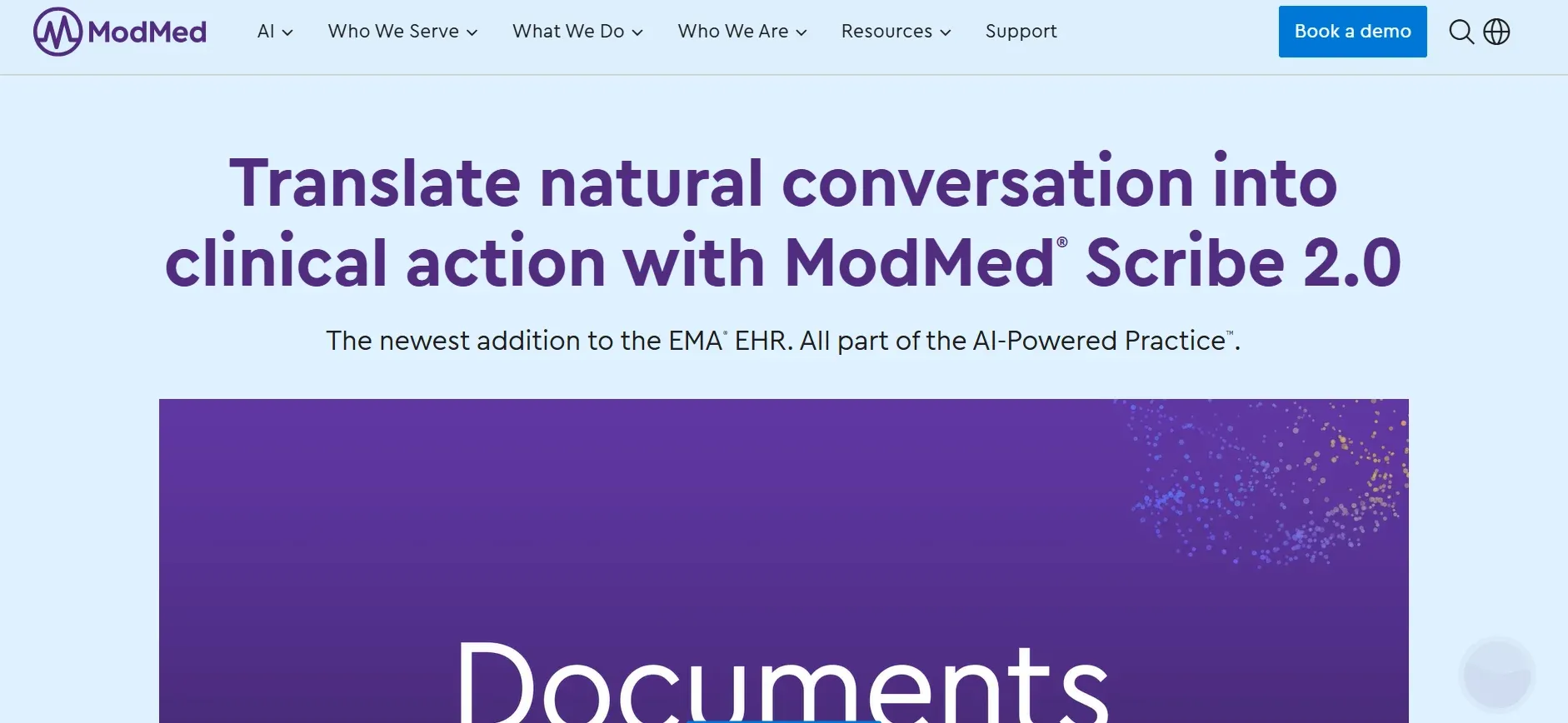
Modernizing Medicine is purpose-built for orthopedics, offering a unified platform that includes EHR, practice management, analytics, and patient engagement. Its EMA Orthopedics module is a standout, providing pre-built templates for fracture care, joint replacement, sports injuries, and more. This allows for highly specific documentation, from injury mechanism to implant selection, reducing clicks and manual entry compared to generic EHRs.
Compared to AdvancedMD, Modernizing Medicine offers deeper orthopedic templates and adaptive learning charts, but you still rent access and pay per provider.
Pricing: Reported $800+/provider/month (confirm with vendor).
- Key limitations:
- High per-provider cost and paid add-ons for many integrations
- Limited customization outside provided workflows
- Onboarding and migration can be time-intensive
- Strengths:
- Ortho-specific templates and adaptive charting
- Integrated imaging and patient engagement tools
- Mobile app for clinic and surgery use
When you need a workflow Modernizing Medicine does not support, you are limited to their roadmap and support queue. With Devaims, you decide what gets built and own the result.
2. Nextech (Best for large orthopedic practices)
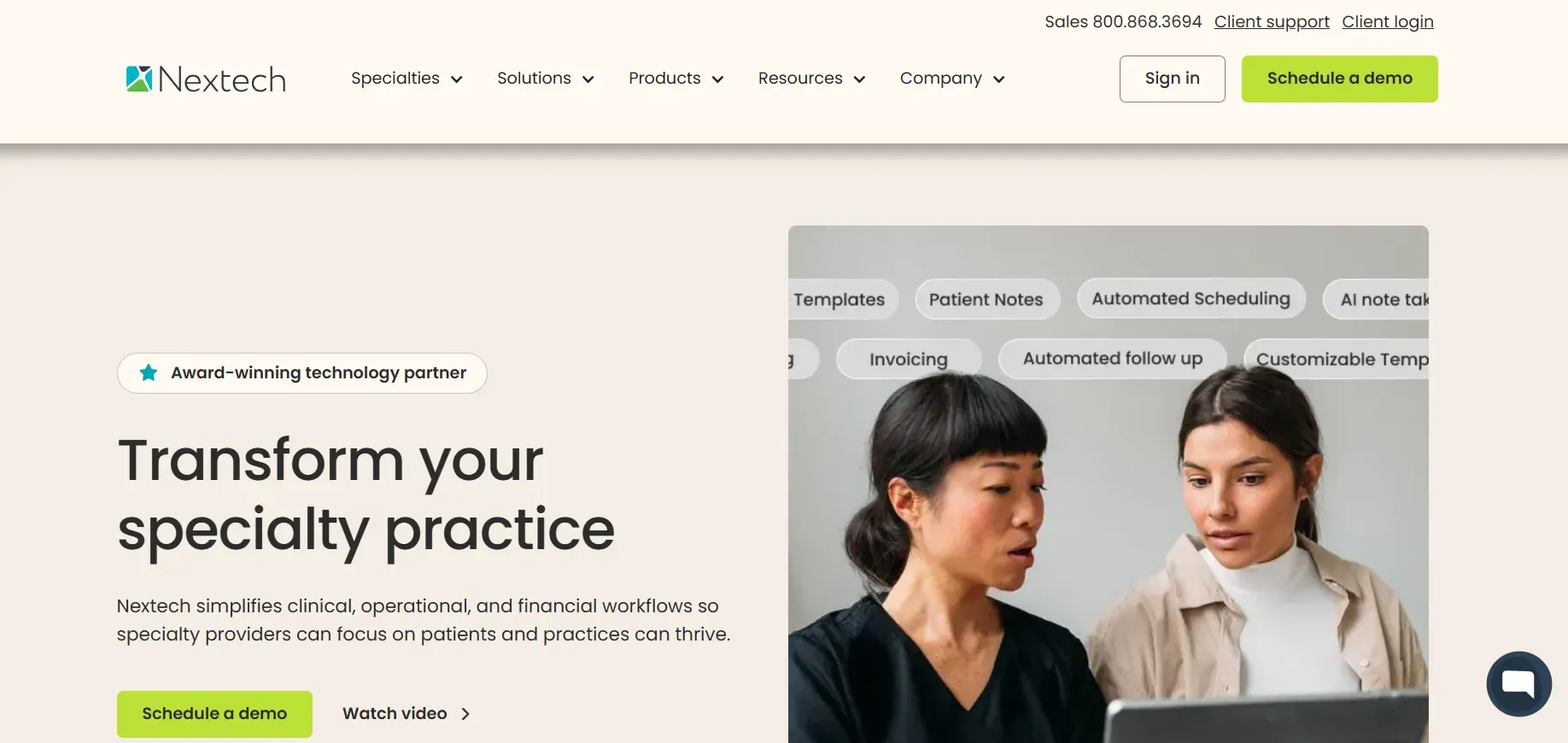
Nextech is a mature EHR and practice management system popular with multi-location and subspecialty orthopedic groups. Its interface is more customizable than some competitors, and its scheduling, reporting, and billing modules are designed for complex clinic operations.
Compared to AdvancedMD, Nextech offers more granular access controls and multi-site scheduling, but still charges per provider and for customizations.
Pricing: Custom quote (varies by clinic size and modules).
- Key limitations:
- Opaque pricing, costs rise with modules and providers
- Customization beyond standard workflows requires paid services
- Migration and onboarding can be lengthy for large groups
- Strengths:
- Multi-site scheduling and granular permissions
- Template-driven charting for orthopedic subspecialties
- Popular with orthopedic ASCs
If you want to integrate with non-preferred partners or need unique workflows, Nextech may require extra fees. Devaims lets you integrate any system you choose, with no vendor lock-in.
3. Kareo (Tebra) (Best for small to midsize clinics)
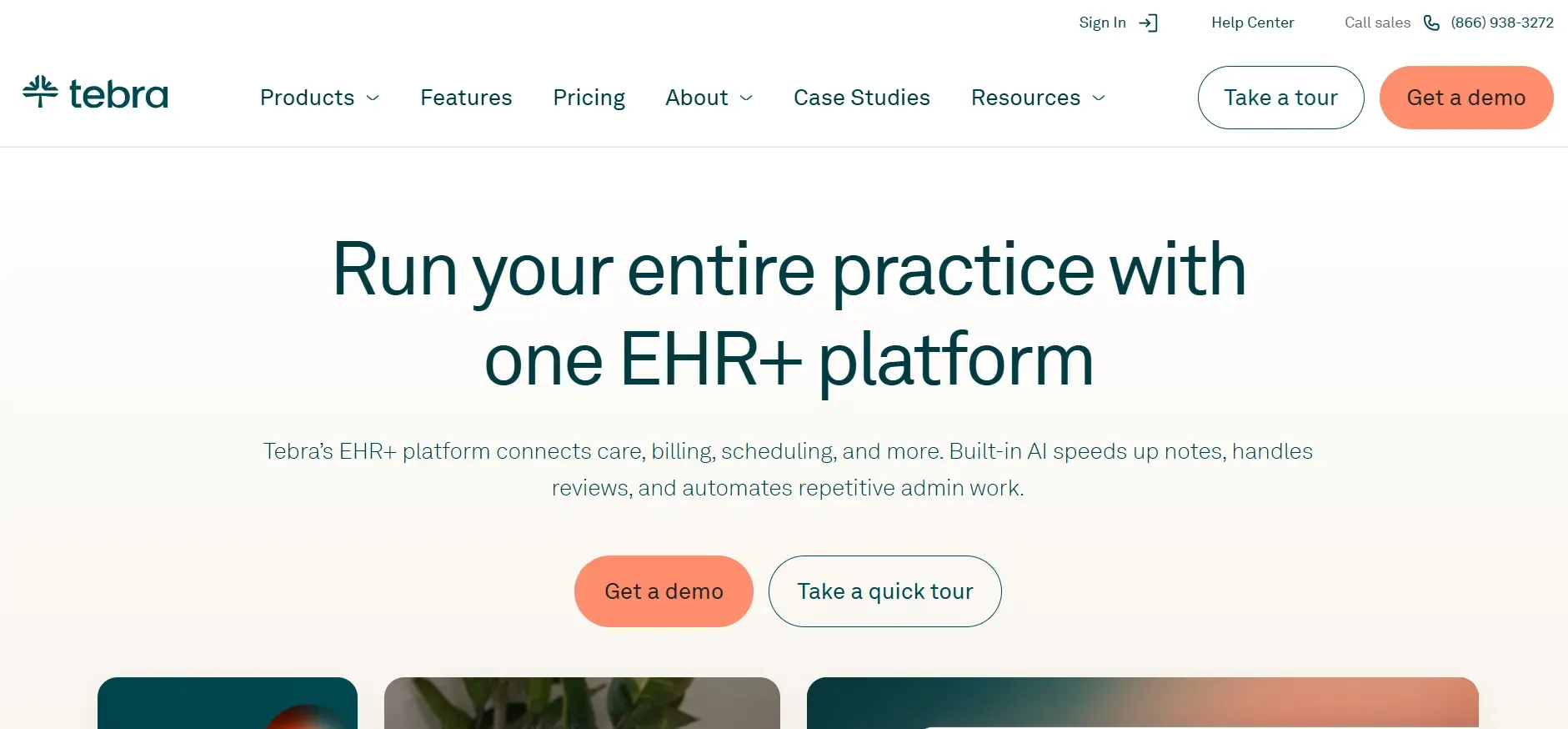
Kareo, now part of Tebra, is one of the most user-friendly EHR and practice management systems for clinics with fewer than 20 providers. Its appeal is its fast onboarding, transparent pricing, and integrated billing, making it a strong choice for startups and growing offices transitioning from paper or basic digital tools.
Compared to AdvancedMD, Kareo is easier to implement and more affordable for small teams, but orthopedic features are limited and costs rise as you grow.
Pricing: From $125/provider/month (confirm with vendor).
- Key limitations:
- Limited orthopedic templates and specialty features
- Reporting and analytics require higher-tier plans
- Data migration is basic, complex data may not transfer
- Strengths:
- Fast onboarding and user-friendly interface
- Integrated billing and claim management
- Affordable entry pricing for small clinics
As your provider count grows, Kareo's per-user fees can quickly outpace a custom Devaims build, which never charges per user.
4. Athenahealth (Best for revenue cycle management)
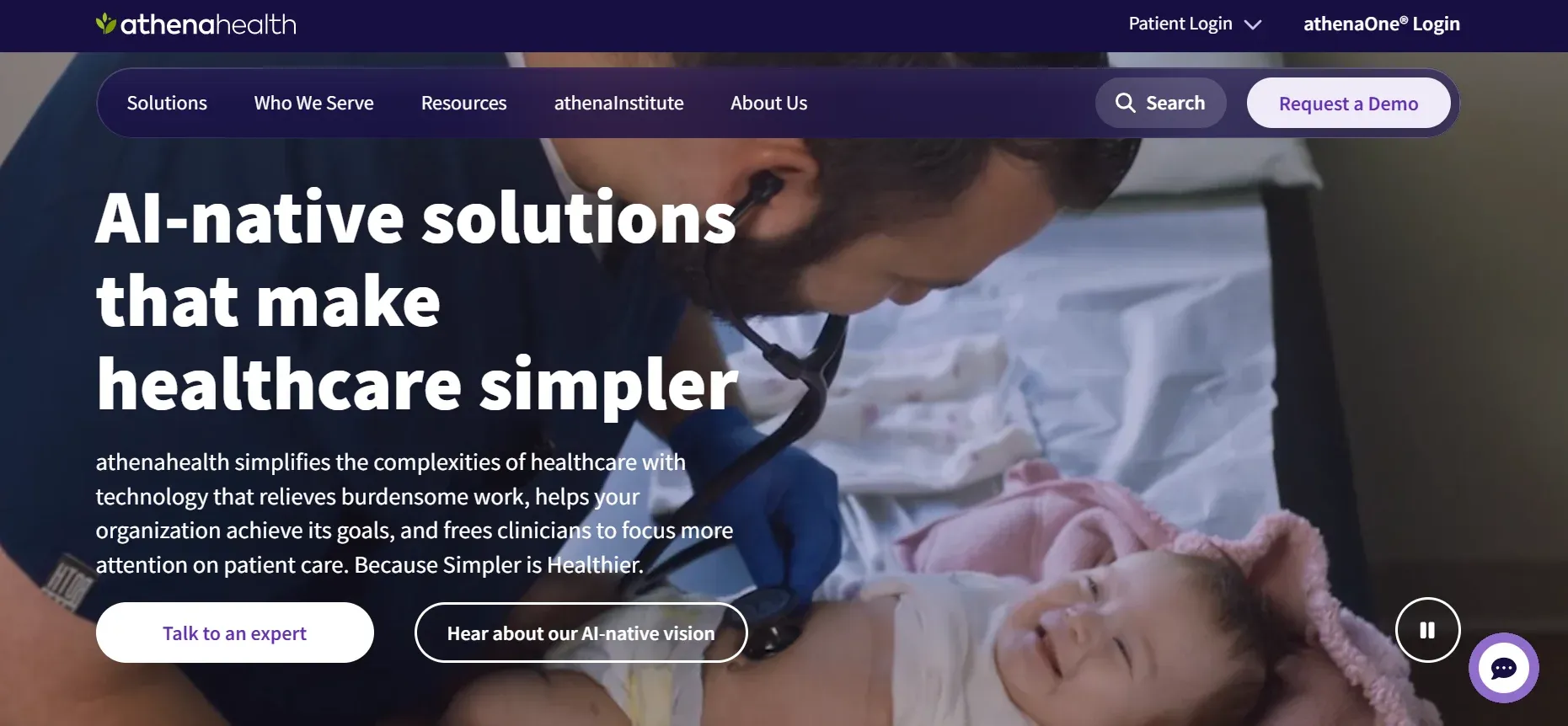
Athenahealth is known for its revenue cycle management strength, ideal for orthopedic groups with complex billing, high claim volumes, or in-house billing teams. Their cloud EHR is paired with a networked clearinghouse and automated claim scrubbing, reducing denials and manual work.
Compared to AdvancedMD, Athenahealth automates more of the billing process, but customization and integrations can be limited or require extra fees.
Pricing: Reported 4% to 7% of collections (confirm with vendor).
- Key limitations:
- Pricing rises as your revenue grows
- Customization and advanced reporting require add-ons
- Data migration can be slow for large practices
- Strengths:
- Automated claim management and eligibility checks
- Integrated telehealth and order management
- Strong onboarding and support teams
If you need rapid workflow changes or unique integrations, Athenahealth may not keep pace. Devaims gives you full control and ownership from day one.
5. ChartLogic (Best for voice dictation)
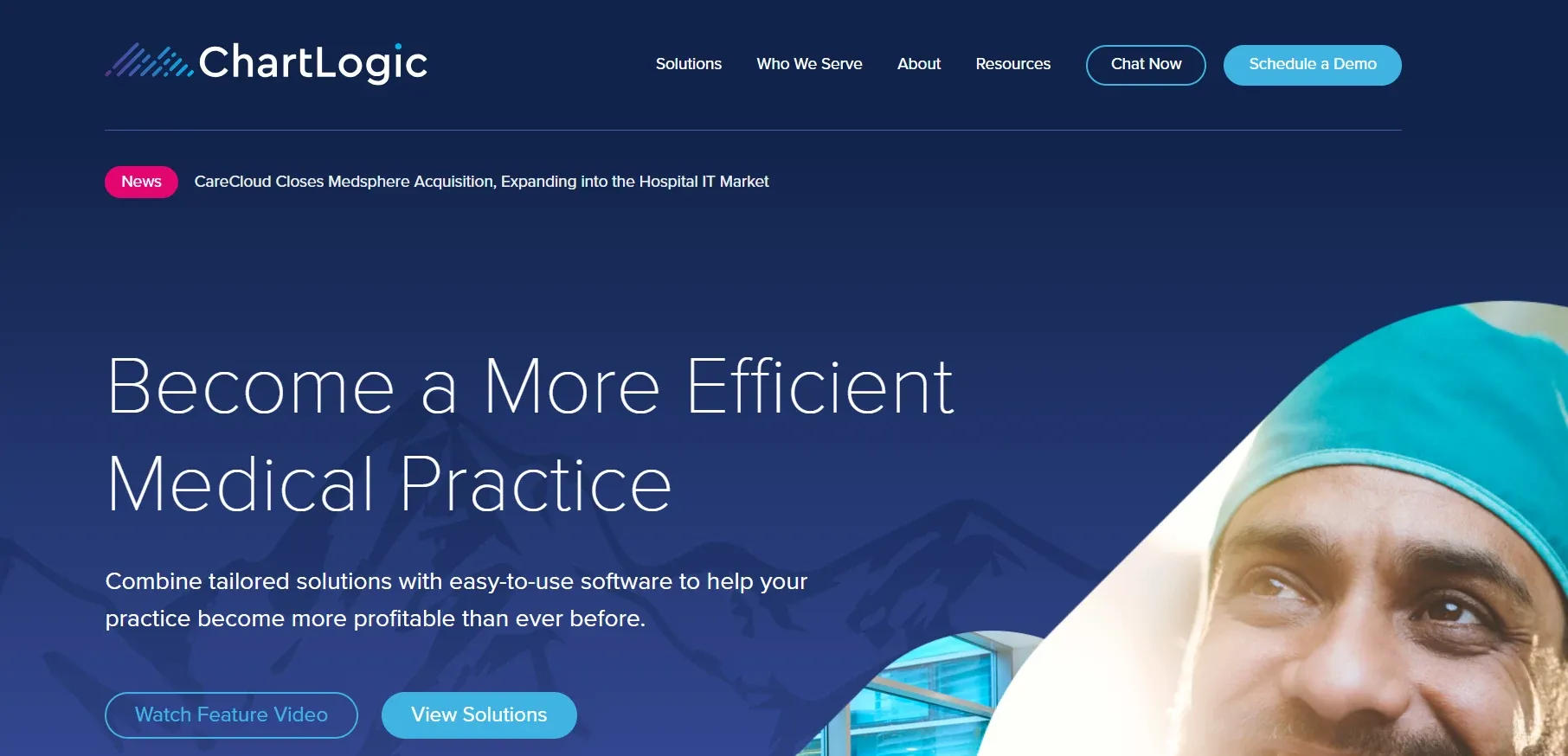
ChartLogic is recognized for its voice-driven charting, which can reduce physician documentation time dramatically. Orthopedic surgeons who dictate long op notes or prefer hands-free charting often find this system more efficient than generic EHRs.
Compared to AdvancedMD, ChartLogic offers superior voice dictation and note generation, but still relies on per-provider pricing and annual contracts.
Pricing: Custom quote (voice dictation is a paid add-on).
- Key limitations:
- Not all modules are tailored to orthopedics
- Advanced analytics require additional investment
- Annual contracts and per-provider fees remain
- Strengths:
- Powerful voice dictation and rapid note creation
- Customizable templates for operative notes
- Efficient for high-volume documentation
If you want to own your documentation tools and avoid recurring fees, Devaims builds custom note systems you control and keep.
6. OpNote (Best for operative notes)
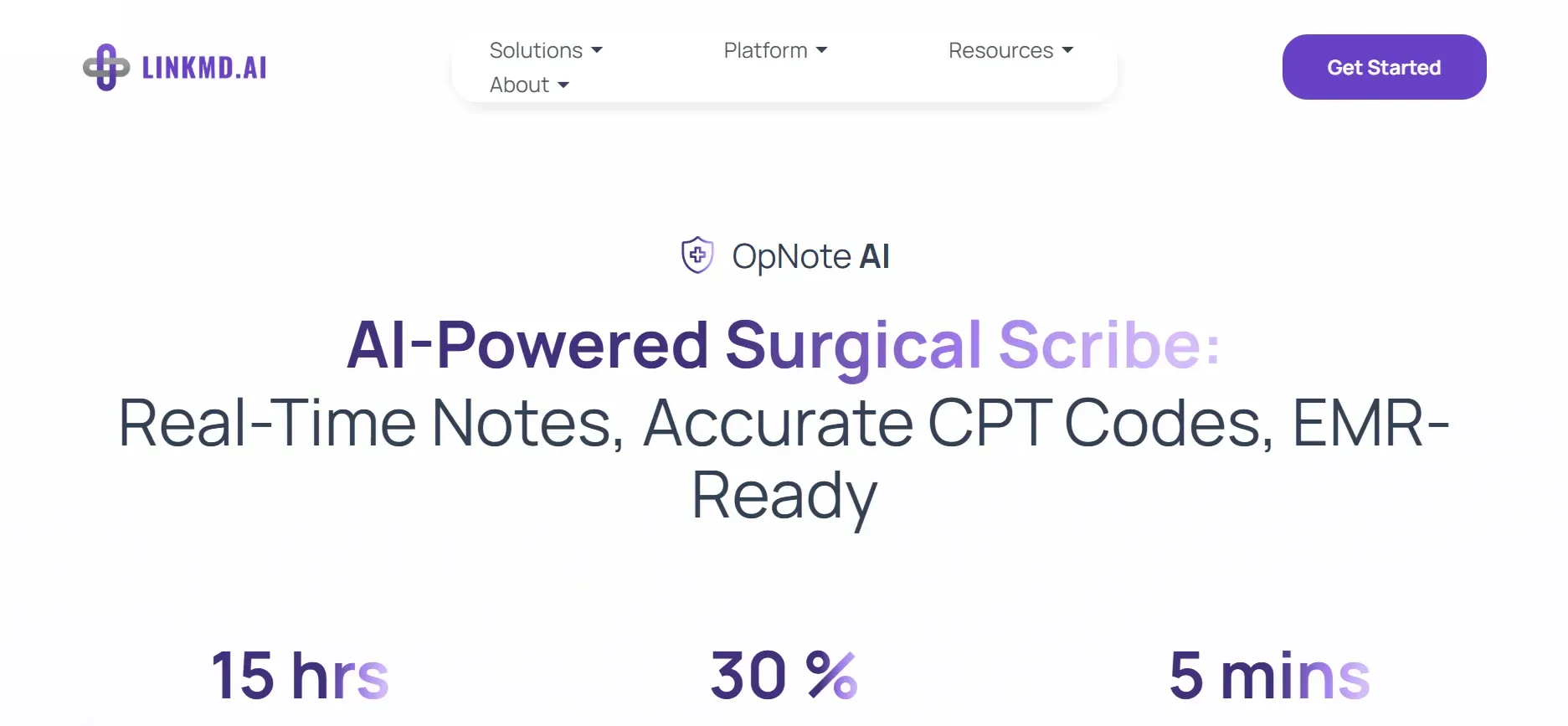
OpNote is a focused solution for digital operative note creation, built for surgical teams. It is not a full EHR, but it excels at capturing, storing, and sharing structured operative notes and surgical documentation in a compliant format.
Compared to AdvancedMD, OpNote provides more robust and compliant op note documentation, but you will still need a separate EHR for full practice management.
Pricing: Custom quote (per-user pricing).
- Key limitations:
- Not a standalone EHR, requires separate systems
- Per-user pricing adds up in larger groups
- Integrations may require custom interface work
- Strengths:
- Procedure-specific templates and checklists
- Easy export and compliance for surgical notes
- Minimal training required for focused workflow
With Devaims, you can have op note builders fully integrated into your owned EHR, eliminating the need for multiple systems.
7. Greenway Health (Best for integrated suite)
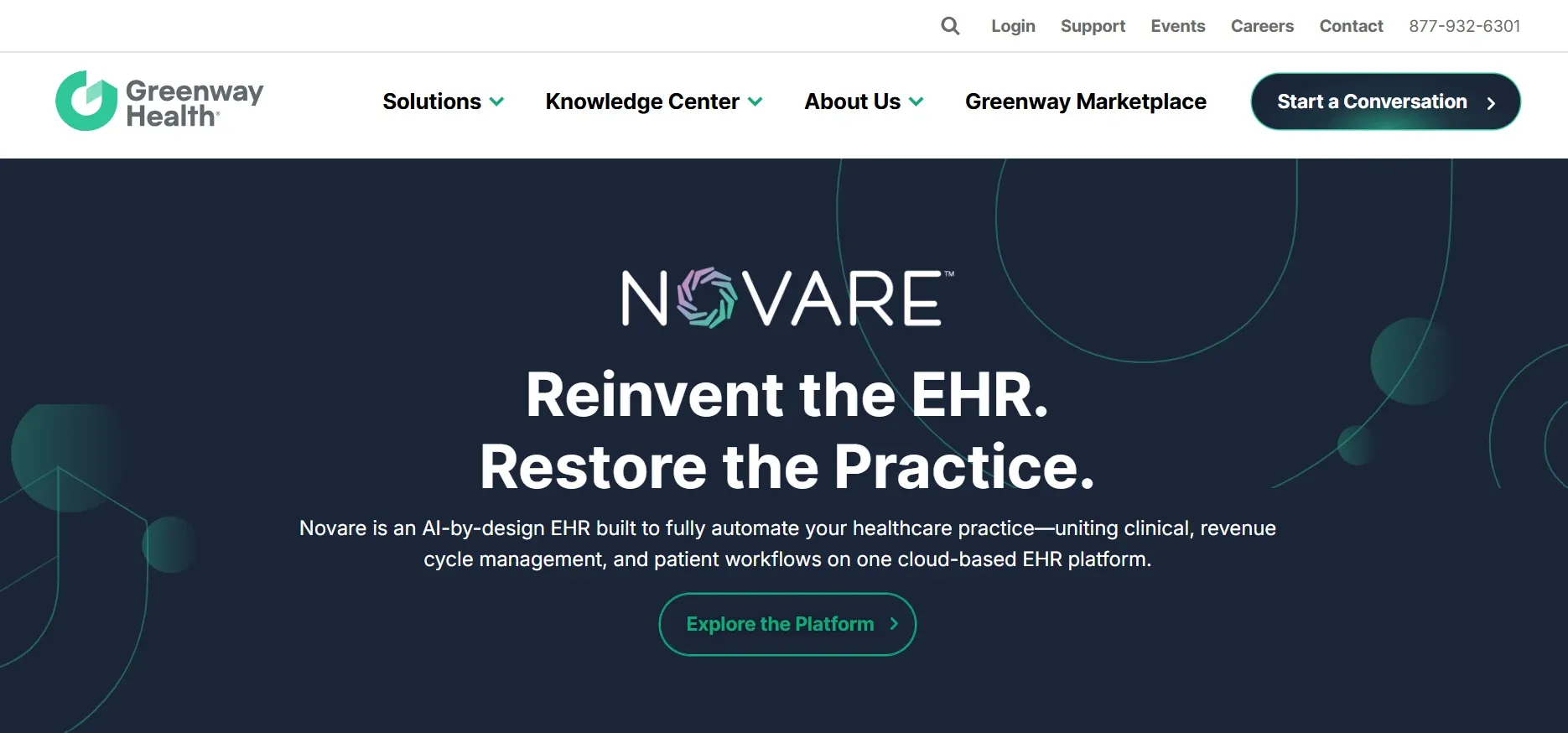
Greenway Health delivers a unified cloud-based platform with EHR, practice management, revenue cycle management, and patient engagement. The Intergy platform is designed to serve both independent practices and large multi-site groups, offering a wide array of clinical and administrative tools.
Compared to AdvancedMD, Greenway Health offers more robust analytics and population health tools, but costs and support can be variable.
Pricing: Reported $799+/provider/month (confirm with vendor).
- Key limitations:
- High per-provider cost and annual contracts
- Limited customization beyond preset templates
- Support can be inconsistent during peak times
- Strengths:
- Customizable chart templates and telehealth
- Integrated analytics and reporting tools
- Direct connections to labs and imaging vendors
If you want to avoid annual contracts and own your platform, Devaims offers a one-time build with no recurring per-user fees.
8. WebPT (Best for physical therapy practices)
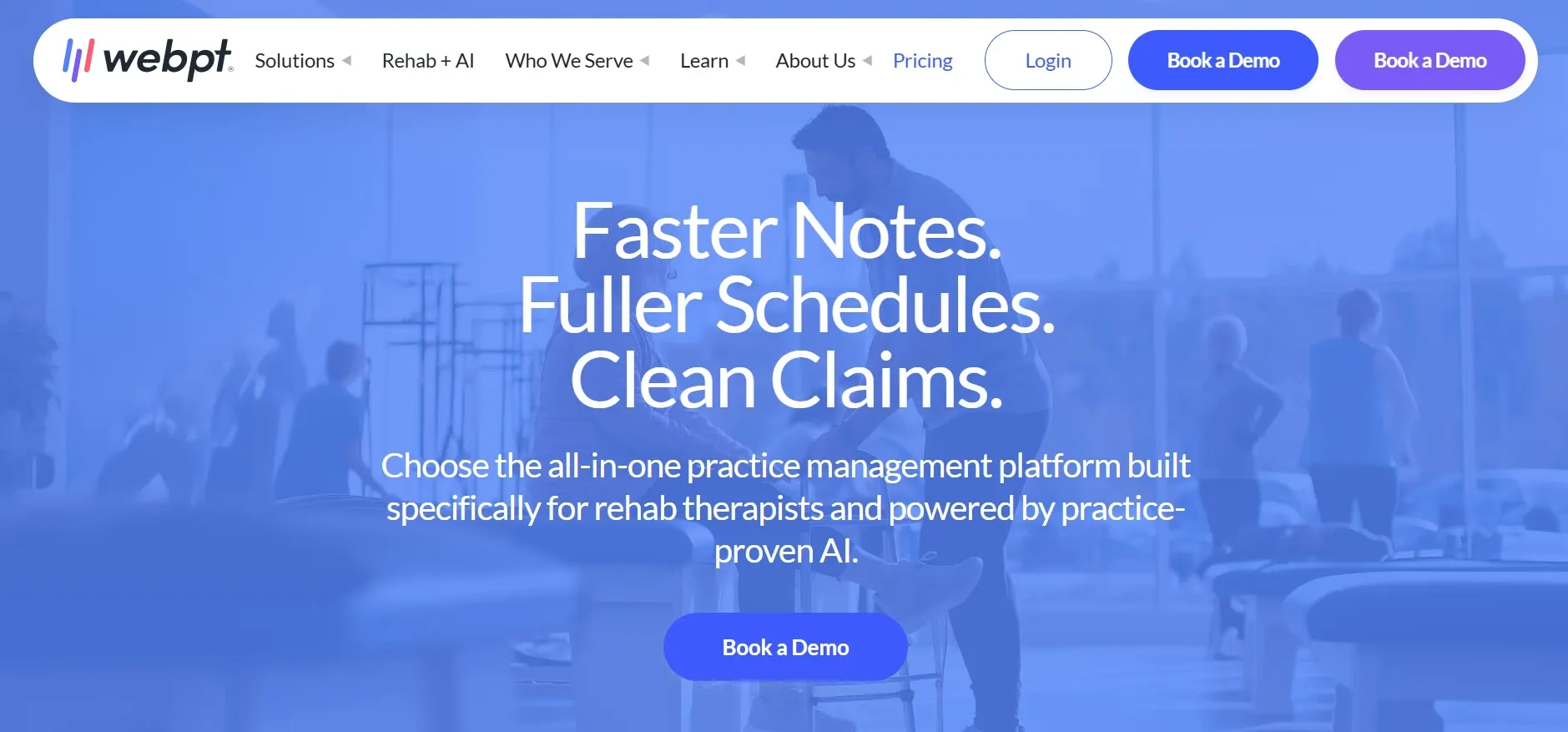
WebPT is the dominant EHR for outpatient physical therapy clinics and is widely adopted by orthopedic groups with dedicated PT/rehab divisions. Its workflows, documentation, and compliance checks are built specifically for PT, OT, and SLP, supporting both solo therapists and large, multi-location clinics.
Compared to AdvancedMD, WebPT is far better for PT workflows, but not a replacement for full orthopedic EHR needs.
Pricing: From $3,500/year (confirm with vendor).
- Key limitations:
- Not a full EHR for surgical or imaging workflows
- Add-ons for analytics and telehealth increase costs
- Limited integration with surgical systems
- Strengths:
- PT-specific templates and outcomes tracking
- Automated compliance checks
- Direct-to-patient messaging and home exercise programs
For clinics needing both PT and surgical workflows, Devaims can build a unified platform tailored to your full care continuum.
9. Devaims (Best for owning your software and data)
Devaims takes a fundamentally different approach. Rather than renting access to a generic EHR, Devaims builds a custom orthopedic EHR and practice management platform that you own outright. This means you have full control over features, integrations, user roles, analytics, and data. The codebase is delivered to you, with no recurring per-user or per-feature fees. Your IT team (or Devaims) can host, maintain, and extend it as you see fit.
- Fully custom chart templates, op note builders, and analytics
- Any integration you need, built to your specifications
- Migration, training, and data ownership included in the project
When a feature is missing from a SaaS tool, you wait for their roadmap. With Devaims, you decide what gets built, and it is yours for good.
Other AdvancedMD alternatives worth knowing
- Epic: The gold standard for large hospital systems, Epic offers unmatched depth and interoperability, but its cost, implementation timeline, and complexity are prohibitive for all but the largest orthopedic groups. Expect multi-million dollar fees and year-long deployments.
- Cerner: Another hospital-grade EHR, Cerner is often chosen by health systems aiming for enterprise-scale integration. For outpatient orthopedics, it is generally overkill and expensive to customize for specialty workflows.
- DrChrono: A favorite among small practices and startups due to its modern UI and mobile-first design. However, it lacks deep orthopedic features and advanced integrations needed by surgical groups.
- Practice Fusion: Once the go-to for budget-conscious clinics, it is now sunsetted for new users and lacks specialty support. Current users face uncertainty about long-term support and data access.
How to choose the right AdvancedMD alternative
- By budget: Calculate your total cost over five years, including hidden fees, data extraction charges, and add-ons, not just the initial monthly sticker. Ask for a sample invoice with all features and integrations you use today.
- By specialty fit: Ensure templates, op notes, and imaging workflows match your orthopedic needs. If you are forced into generic templates, you will pay in workarounds, wasted time, and possibly compliance risk.
- By ownership: Decide if you are comfortable renting your core system or if you want full control and data ownership. If you plan to expand, build proprietary workflows, or integrate with new tools, ownership can save you time and money long-term.
- By integration: Make a list of every billing, imaging, or PT system you need to connect. Many SaaS tools are closed or expensive to integrate, which can limit your operational flexibility.
If you want to stop renting and start owning, there is a way out. Read on for the ownership path.
Stop paying rent on software you could own
The core problem with AdvancedMD and every alternative above is the rental model. Whether it is per-provider, per-user, or a percentage of collections, your monthly fees climb as your clinic grows. Add in locked contracts and integration headaches, and you are always a tenant, never an owner.
Devaims is different: we build custom orthopedic software that you own. You keep the code, run it anywhere, and never face per-user or per-feature fees again. Integrate any imaging, PT, or billing system you want. Your workflows, your data, your business, on your terms.
- Per-provider fees? Gone. You pay for the build, then flat maintenance, no more surprises as you grow.
- Custom workflows? Every step, form, and report is built for your practice, not squeezed into someone else's template.
- Integrations? Your platform, your rules. Any imaging, PT, billing, or analytics tool can hook in as needed.
- Data ownership? You own it, period. No hoops to jump through if you want to switch or expand.
| Feature | AdvancedMD | Modernizing Medicine | Nextech | Devaims (owned) |
|---|---|---|---|---|
| Ownership | Rent only | Rent only | Rent only | You own it |
| Per-provider fees | Yes | Yes | Yes | No |
| Custom workflows | Limited | Ortho-specific | Some | Anything you want |
| Imaging/PT integration | Add-on | Built-in | Built-in | Built for you |
| Exit costs | High | High | High | None |
| Year | Rented (cumulative) | Owned (cumulative) |
|---|---|---|
| 1 | $48,000 | $35,000 |
| 2 | $96,000 | $37,760 |
| 3 | $144,000 | $40,520 |
| 4 | $192,000 | $43,280 |
| 5 | $240,000 | $46,040 (now ahead) |
For an average orthopedic clinic with 5 providers, typical rented solutions run about $800 per provider per month, or $48,000 a year. After five years, you have spent $240,000, and you still do not own a thing. With Devaims, a one-time build (around $35,000) and flat monthly maintenance (about $230) puts you ahead after year five, and you own the system forever. Want to run your real numbers? We will do the math with you and show you where hidden costs or scalability issues may arise with rented solutions versus ownership.
Clinics with more providers, complex workflows, or plans to expand benefit most from ownership. If you are tired of the rent trap, Devaims is the way out. Ownership is not just about the math, it is about controlling your clinical future, protecting your data, and building exactly what your team needs to deliver better care.
How to switch from AdvancedMD
- Export all patient records, billing data, and imaging from AdvancedMD. Plan for this step well in advance, as some vendors require notice or charge fees for bulk exports. Carefully document what formats you will receive, and verify completeness.
- Choose your new platform (rented or owned). Ensure your new vendor or partner can handle both the technical and regulatory aspects of data migration, including HIPAA-compliant transfer and storage.
- Import data into the new system, mapping fields and attachments. This may involve custom scripts or manual review for complex records, especially for imaging or scanned documents.
- Reconnect payment processors, clearinghouses, and integrations. Each system has its own requirements; some clearinghouses may need new credentialing or API keys.
- Train staff on new workflows and features. Build in time for hands-on sessions, and designate "super users" who can support peers during go-live.
- Test in parallel for at least two weeks to ensure accuracy. Run the old and new system side by side, checking that appointments, billing, and clinical records match.
- Review your AdvancedMD contract to avoid surprise fees on exit. Watch for auto-renewal dates and required notice periods, as failure to comply can result in additional charges.
With a custom Devaims build, the migration is handled as part of the project, including data extraction, mapping, and staff training. This reduces risk and ensures your clinic retains full control over its data and workflows from day one.
Frequently asked questions
What is the best AdvancedMD alternative for orthopedic clinics?
For clinics seeking specialty depth and ready-to-use workflows, Modernizing Medicine is a comprehensive rented option, with orthopedic-specific templates, imaging, and patient engagement built in. However, if you want to own your software and have full control over every feature, integration, and workflow, Devaims is the only path to true ownership. Consider your long-term plans, if you anticipate growth, mergers, or need for unique integrations, owning your platform provides unmatched flexibility and cost stability.
Which AdvancedMD alternative is the cheapest?
Kareo (Tebra) is often the lowest-cost entry point for small clinics, starting at $125 per provider per month. However, as your provider count increases or you require advanced features, costs can rise sharply. Over five years, the cumulative cost of renting, even with a "cheap" tool, often surpasses the one-time build and flat maintenance of owning your own system with Devaims. Always project your costs over the life of your practice, not just year one.
Is there a free alternative to AdvancedMD?
There are no truly free EHRs for orthopedic clinics that meet regulatory, security, and workflow needs. Some vendors offer limited-feature free tiers or short-term trials, but these are not viable for clinics needing imaging, surgical documentation, or compliance. If budget is a concern, Devaims can scope a phased build, starting with your core workflows and adding features over time as your clinic grows.
Which alternatives work best for multi-location orthopedic practices?
Nextech, Greenway Health, and Athenahealth all offer strong support for multi-site scheduling, user permissions, and reporting. However, if you want true flexibility, such as customizing workflows for each site, integrating with different imaging or billing vendors, or ensuring seamless data sharing across locations, a Devaims custom build is the only solution that guarantees you will never hit a vendor wall or face punitive integration fees.
Can I keep my data if I leave AdvancedMD for another tool?
AdvancedMD allows data export, but the process is rarely simple. You may receive data in non-standard formats, and attachments, imaging, or custom fields may be missing or require manual re-entry. Other EHR vendors have similar limitations and may charge extra for "complete" exports. With Devaims, you own all your data, including full database and file-level access, so you can migrate, build analytics, or expand to new locations without vendor roadblocks. Data ownership is a key reason clinics seek AdvancedMD alternatives.
How hard is it to switch from AdvancedMD to a new system?
Switching EHRs is always a significant project, involving data extraction, mapping, staff training, and parallel testing. The difficulty depends on how much data you have, how customized your current workflows are, and how much support your new vendor provides. With Devaims, migration is included in the project scope, and you receive hands-on support for every step, reducing risk and downtime. For rented EHRs, you may need to coordinate between multiple vendors, increasing complexity and cost. Plan for a realistic timeline and ensure you have clinical and administrative champions to drive the transition.
The bottom line
There are plenty of AdvancedMD alternatives, but nearly all rent you access rather than letting you own your system. The most useful decision filter? Add up what you will pay in rent over the next five years. If that number could have built you a system you own, you are overdue to switch. Ownership is not just about cost, it is about having your practice, your data, and your workflows on your terms. Owning your software means your clinic is free to adapt, grow, and innovate, without waiting for a vendor's roadmap or worrying about being priced out as you succeed.
See more insights and alternatives on the Devaims blog, or check out related posts: Athenahealth alternatives, Nextech alternatives, and Kareo alternatives. For more on EHR transitions, see the HIMSS EHR implementation guide and Medical Economics: How to plan your EHR data migration.