



6 to 8 percent of your monthly collections, every month, for years, and the system still isn’t yours. If you’ve ever checked the math on Athenahealth’s fees and realized you could have paid for your own platform by now, you’re not alone. The real frustration isn’t just the price tag: it’s the contracts, the support drop-off after onboarding, and the feeling that you’re renting your own data back from someone else.
There are Athenahealth alternatives, but most keep you on the same treadmill, with monthly fees, per-provider pricing, and limited control. Some, like eClinicalWorks and AdvancedMD, earn praise for flexibility or features, but the core model rarely changes. The honest alternative? Own the platform outright. Below, you’ll get the inside scoop on the nine strongest Athenahealth competitors, and the one owned option that finally breaks the rent cycle.
Why primary care practices look for Athenahealth alternatives
Percentage-of-collections fees eat into margins: Athenahealth typically charges 6 to 8 percent of your monthly collections, so as you grow, your costs scale up automatically.
Contract lock-in with penalties: A 3-year initial contract with automatic renewals and early termination fees means you’re stuck, even if you outgrow the platform or customer service drops off.
Support that fades after go-live: Many users report Athenahealth’s onboarding is strong, but ongoing support can be slow or inconsistent when you need real help.
Opaque pricing and surprise add-ons: With no easy-to-find public pricing, it’s hard to know what your true costs will be until the contract is on your desk.
Feature upgrades locked behind higher tiers: Reports and integrations you need often require negotiating up to a pricier plan, or paying per-module fees.
These pain points drive many practices to search for Athenahealth alternatives that offer more control, clearer pricing, or even ownership.
Quick comparison of the best Athenahealth alternatives
| Tool | Best for | Starting price | You own it? |
|---|---|---|---|
| eClinicalWorks | Integrated EHR/PM | $449/mo per provider | No |
| AdvancedMD | High-volume clinics | $749/mo per provider | No |
| DrChrono | Mobile-first practices | Not listed | No |
| Kareo (Tebra) | Small practices | $349/mo per provider | No |
| NextGen Healthcare | Enterprise groups | Not listed | No |
| Practice Fusion | Solo providers | Not listed | No |
| Modernizing Medicine | Specialty clinics | Not listed | No |
| Epic | Hospital networks | Not listed | No |
| Devaims | Long-term ownership | One-time build, you own it | Yes |
Confirm current pricing before you decide, as rates and contract terms may change.
The 9 best Athenahealth alternatives
1. eClinicalWorks (Integrated EHR/PM)

eClinicalWorks is a popular all-in-one EHR and practice management suite, often chosen by practices looking for a robust set of features without percentage-of-collections fees. Compared to Athenahealth, eClinicalWorks offers more transparent per-provider pricing and optional RCM services at a lower rate.
Pricing: $449/mo per provider (EHR only), $599/mo with PM, or 2.9% collections for RCM
- Transparent pricing for small practices
- Integrated EHR and practice management
- Optional RCM service at a lower percentage than Athenahealth
- High per-provider pricing adds up as your team grows
- Implementation fees for larger practices
- Customization can be complex for unique workflows
On software you owned, the cost per new provider is just the cost of your hardware, with no extra license fees.
2. AdvancedMD (High-volume clinics)
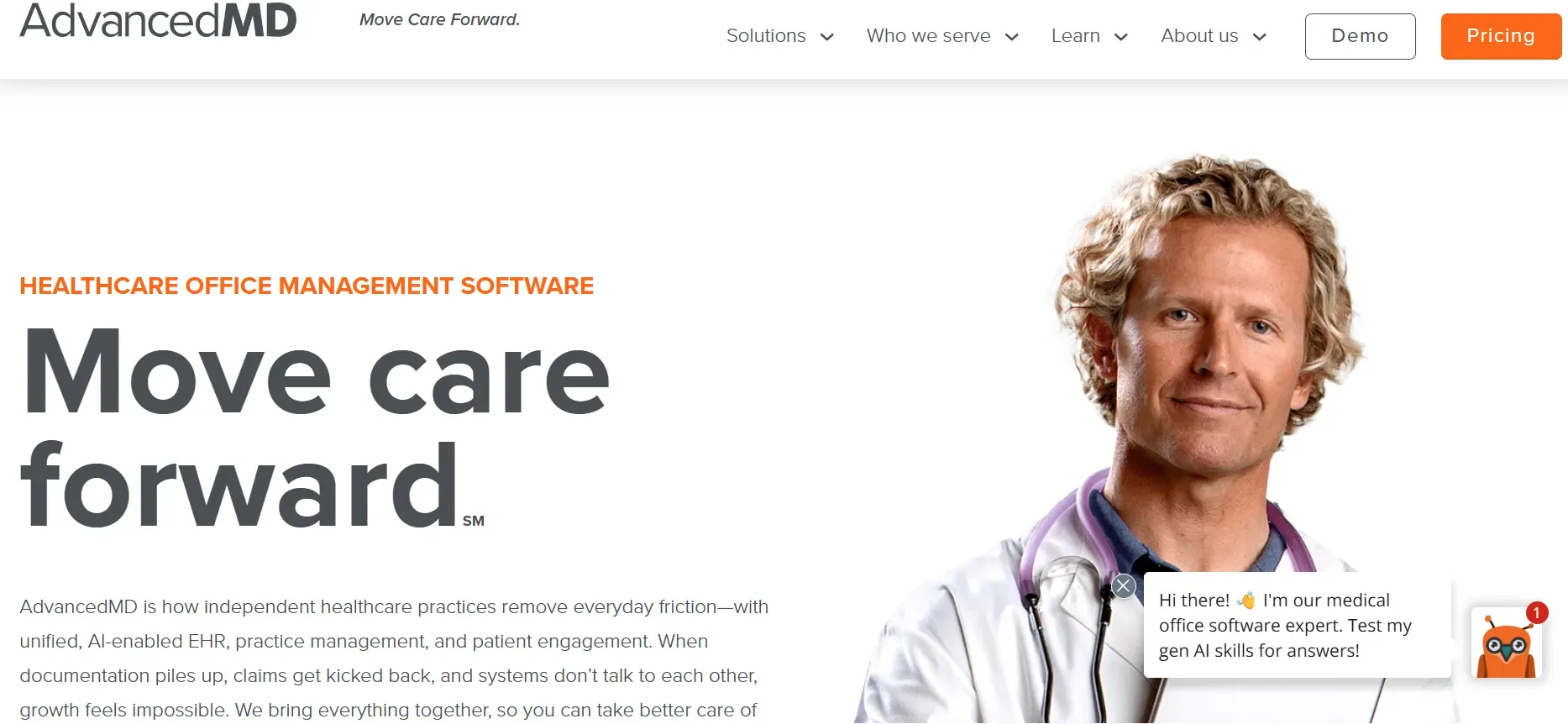
AdvancedMD is designed for practices handling larger patient volumes and complex workflows. It is often favored for its customizable features and flexible encounter-based pricing, but the onboarding process can be challenging without paid training. Compared to Athenahealth, you’ll find more flexibility but higher sticker prices for solo providers.
Pricing: Starting at $749/mo per provider, per-encounter pricing available
- Flexible for large and growing clinics
- Well-reviewed reporting tools
- Encounter-based pricing for low-volume practices
- Setup and training can get expensive
- Pricing is high for solo or small practices
- Some features require paid add-ons
That’s the kind of onboarding you would just have if the platform were built for you.
3. DrChrono (Mobile-first practices)
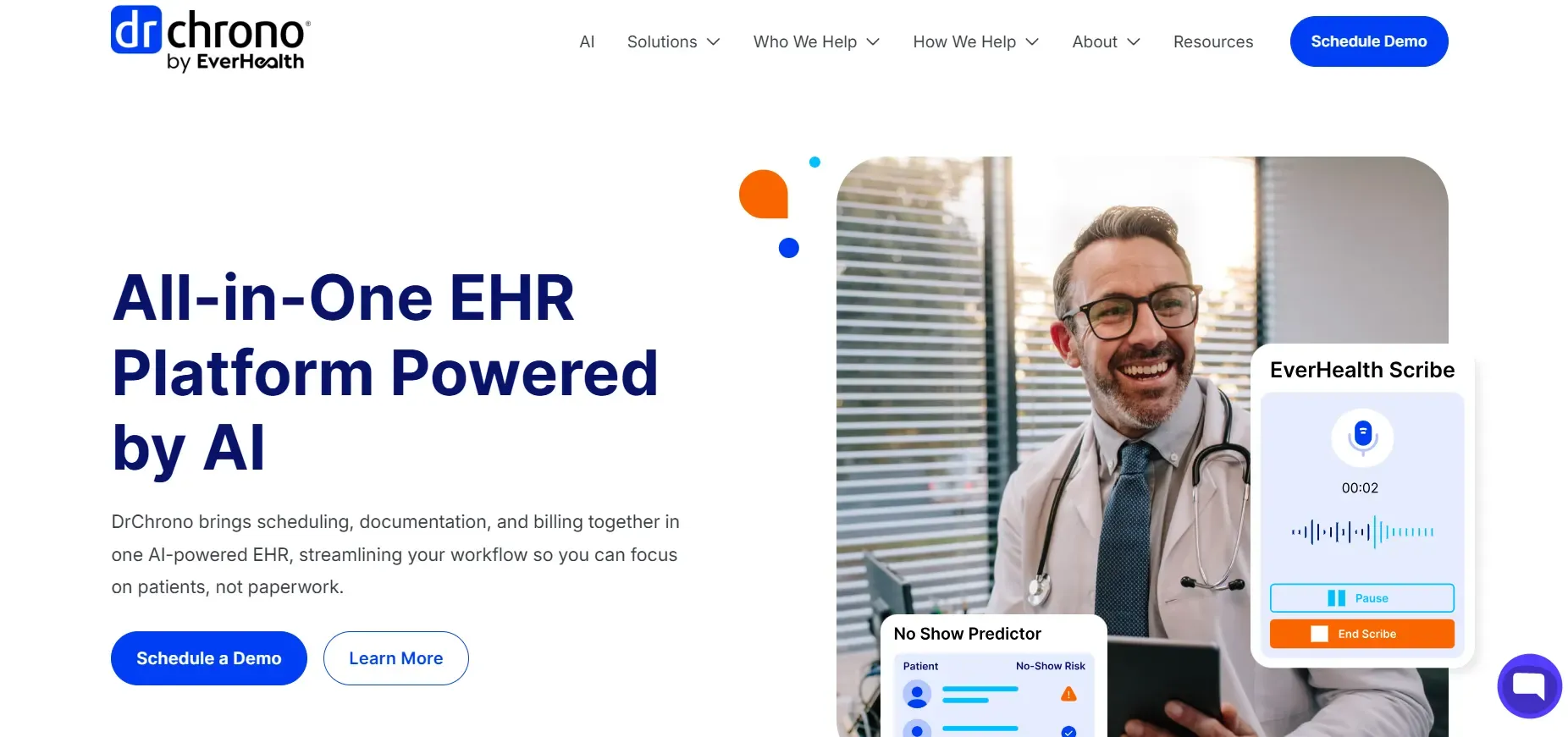
DrChrono built its name on mobile EHR usability, making it a go-to for providers who chart on the move. It is a modern choice for practices that want iPad-first workflows. Compared to Athenahealth, DrChrono feels lighter, but its pricing and contract terms aren’t as transparent.
Pricing: Not publicly listed
- Strong mobile EHR experience
- Good for on-the-go providers
- Modern user interface
- Opaque pricing and unclear contract terms
- Feature set less mature for complex billing
- Add-ons can raise the real cost quickly
4. Kareo (Tebra) (Small practices)
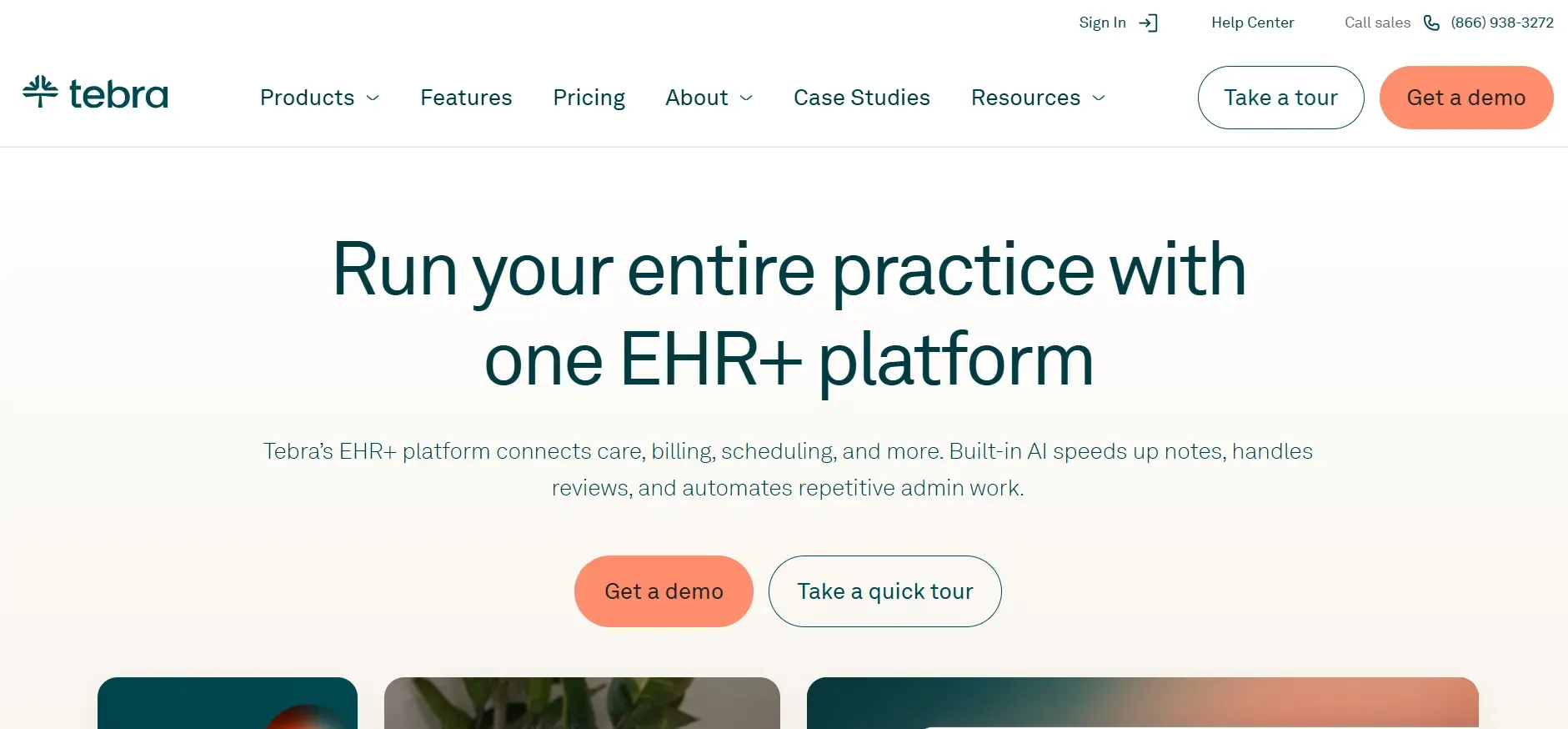
Kareo, now part of Tebra, targets small to mid-sized practices with modular EHR, billing, and practice management. It is straightforward to get started, but scaling up means higher monthly bills. Compared to Athenahealth, Kareo’s pricing is flat per provider, not a percentage of collections.
Pricing: Starting at $349/mo per provider
- Affordable entry point for solo practices
- Simple onboarding process
- Modular, easy to add billing or telehealth
- Per-provider fees add up with growth
- Limited advanced features for large groups
- Some users want deeper reporting
With an owned Devaims system, adding a new staffer doesn’t trigger a licensing bill.
5. NextGen Healthcare (Enterprise groups)
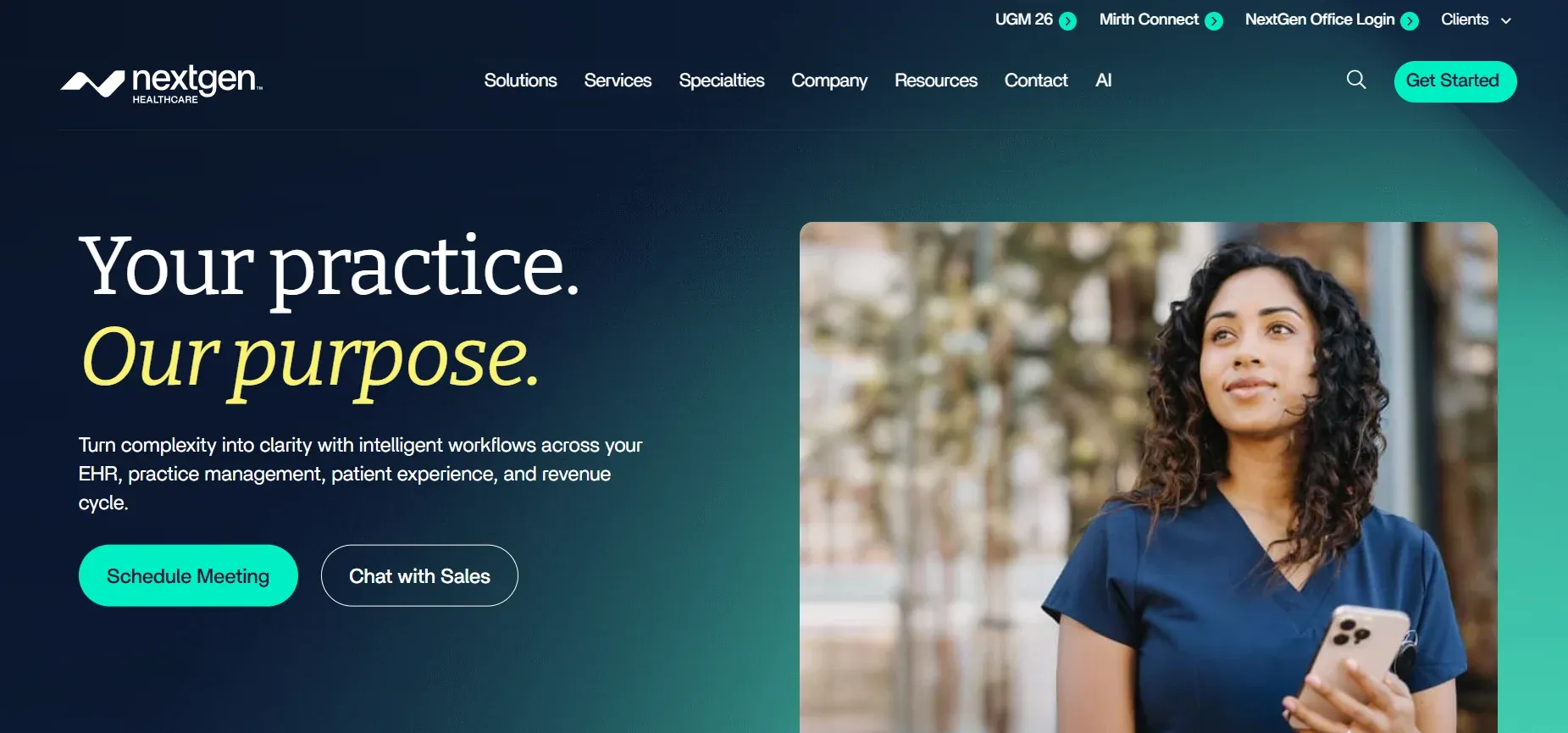
NextGen Healthcare is built for scaling: multi-location clinics and enterprise groups. It is heavy on compliance and reporting, but the pricing is not public and onboarding takes some commitment. Compared to Athenahealth, NextGen shines for very large operations, but feels oversized for independent practices.
Pricing: Not publicly listed
- Strong for multi-site and multi-specialty clinics
- Enterprise-grade reporting and analytics
- Built-in compliance tools
- Pricing and contract terms are opaque
- Complex setup for smaller teams
- Feature set may be overkill for small clinics
6. Practice Fusion (Solo providers)

Practice Fusion is a cloud-based EHR best known for its free tier (now discontinued) and simple interface for solo providers. While it is not the most robust for large practices, it is a quick start for clinicians with limited IT resources. Unlike Athenahealth, Practice Fusion doesn’t charge a collections percentage, but its features are basic.
Pricing: Not publicly listed
- Simple onboarding for solo practices
- Affordable for a single provider
- Cloud-based, low IT overhead
- Limited customization and reporting
- No longer free
- Fewer integrations than enterprise options
7. Modernizing Medicine (Specialty clinics)
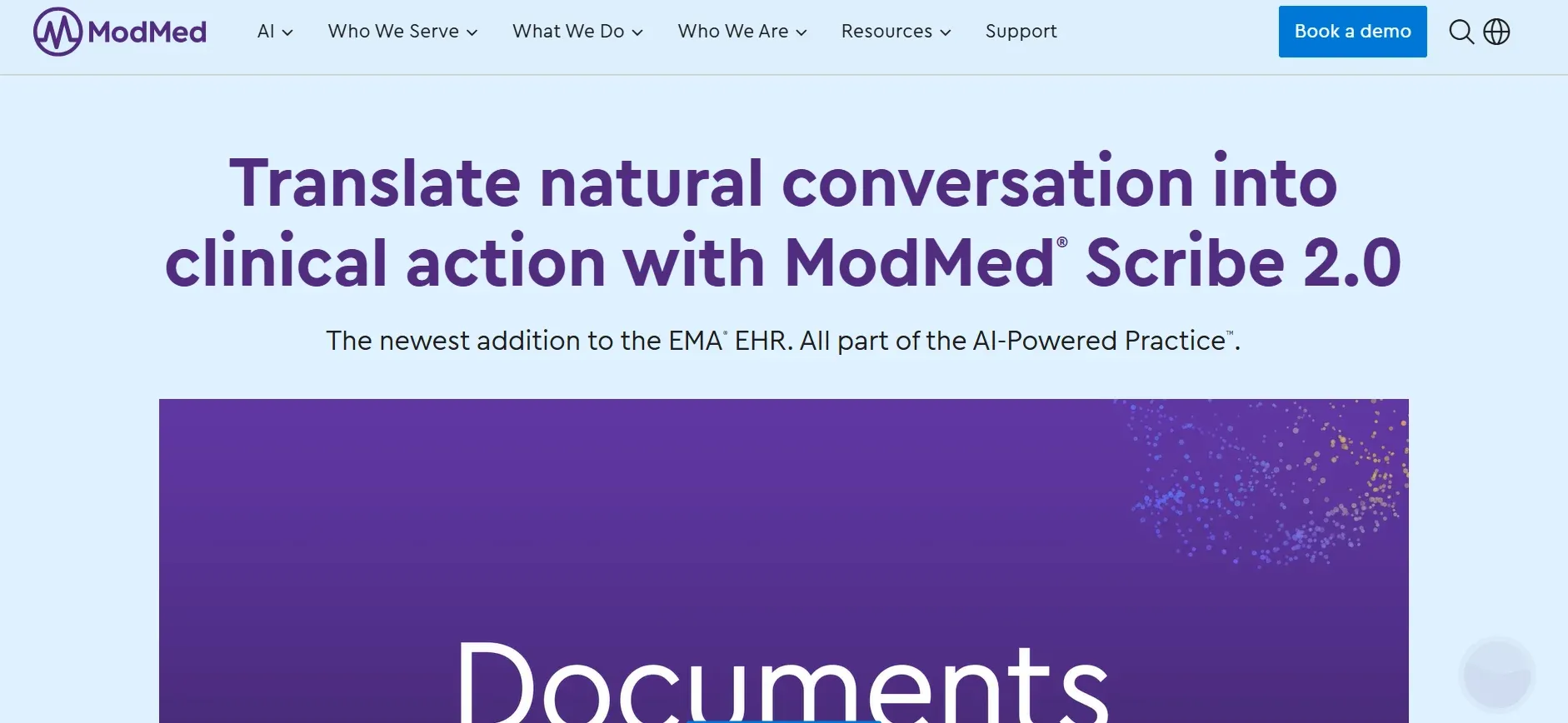
Modernizing Medicine (ModMed) tailors its EHRs for specific specialties, with built-in templates and workflows. Practices needing dermatology, ophthalmology, or orthopedics features find it appealing. Compared to Athenahealth, ModMed’s specialty focus is a plus, but it is less open-ended for general primary care.
Pricing: Not publicly listed
- Rich specialty content and templates
- Strong peer network for certain fields
- Streamlined workflows for specific clinical tasks
- Designed for specialties, less depth for generalists
- Pricing not transparent
- Some features require extra modules
8. Epic (Hospital networks)
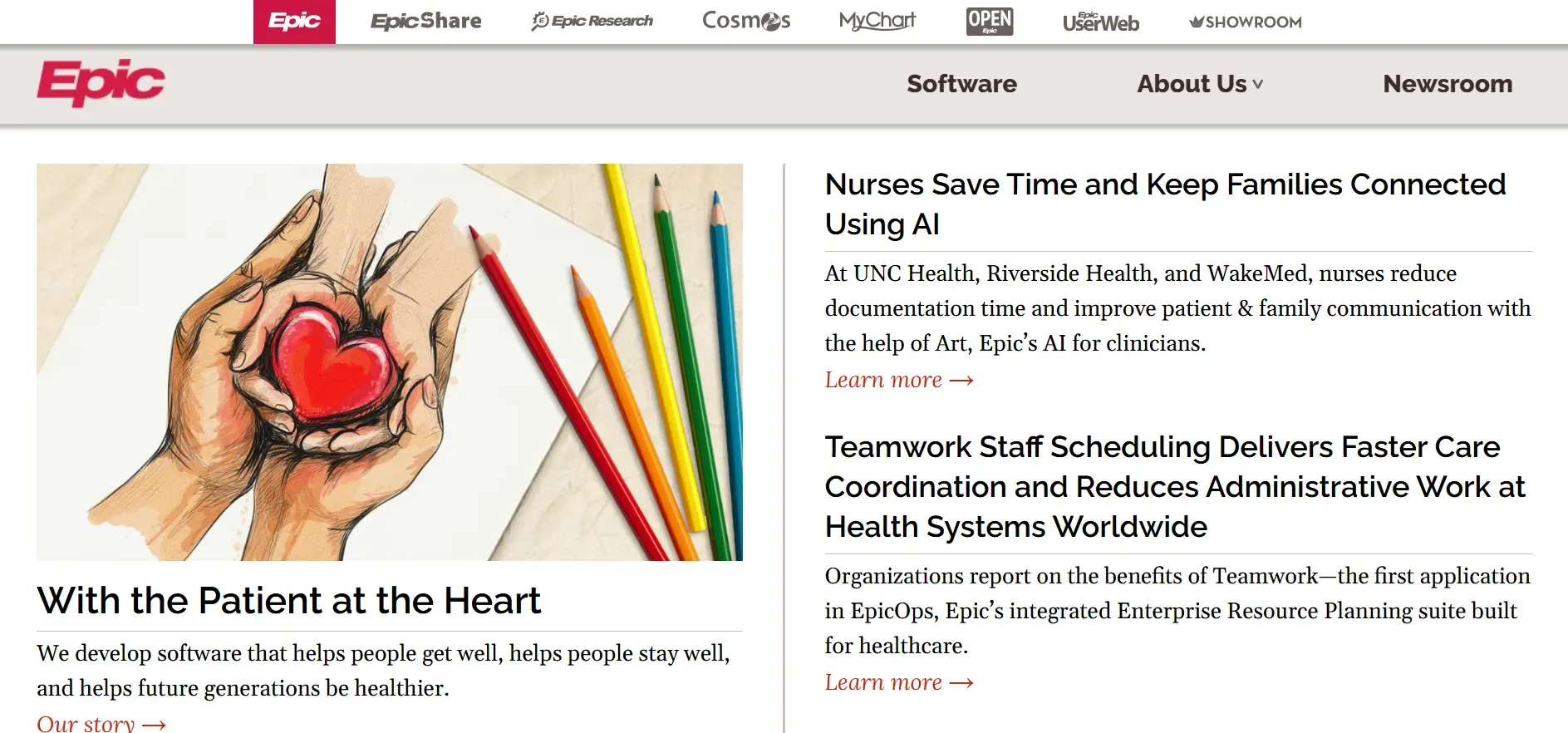
Epic is the heavy hitter for hospitals and large medical groups. Its scale and interoperability are unmatched, but the cost and complexity are far above most primary care practices’ needs. Compared to Athenahealth, Epic is more feature-rich but much harder to implement and truly own.
Pricing: Not publicly listed
- Industry-leading interoperability
- Extensive reporting and analytics
- Wide adoption in hospital settings
- Extremely high implementation and support costs
- Overwhelming for small practices
- Long deployment timelines
9. Devaims (Long-term ownership)
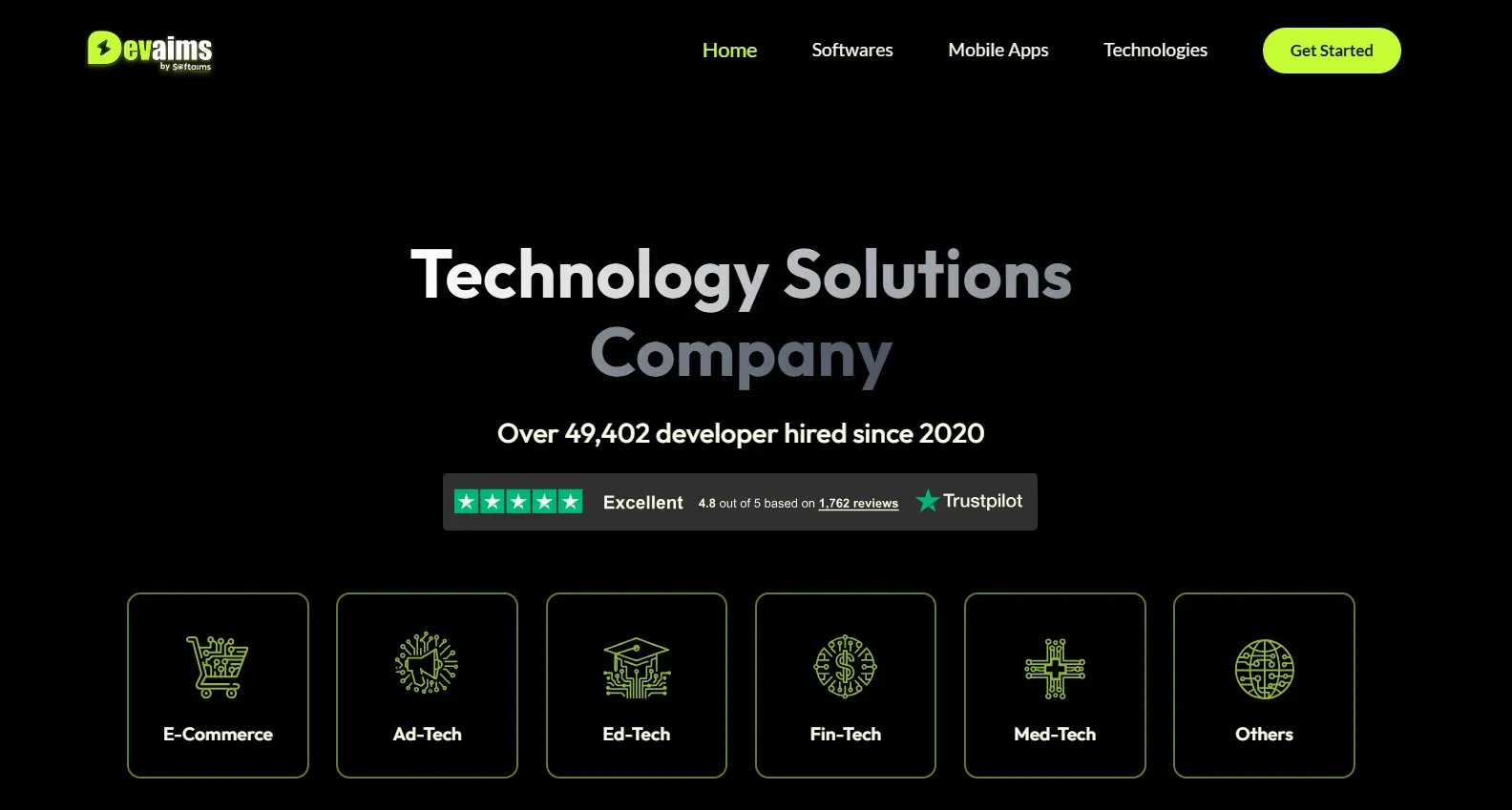
Devaims builds custom EHR and practice management platforms that you own outright. Instead of renting from a vendor and facing rising per-provider or per-collection fees, you get tailored software built for your exact workflows, and the code is yours. Devaims hands over the source code, so your business controls its data, integrations, and future upgrades. If the way you chart, bill, or report is outside the box, Devaims builds it your way. You keep the control, forever.
- You own the code and data, no contract lock-in
- No per-provider or per-collection fees, ever
- Custom workflows, reporting, and integrations
- Flat, predictable maintenance cost
- Direct access to ongoing support, not a ticket queue
Other Athenahealth alternatives worth knowing
- Cerner (Oracle Health): Massive system, best for large hospital networks. Not a fit for independent clinics.
- Healow: Patient engagement and telehealth, often used as an add-on rather than a full EHR.
How to choose the right Athenahealth alternative
- Budget: Add up total monthly and annual costs, not just base rates. Include per-provider or per-collection fees, plus any paid add-ons you’ll actually need.
- Workflow fit: If your workflows or reporting are unique, make sure the platform can be customized, or consider building your own.
- Practice size: Most platforms price per provider, so scaling up can get expensive fast. For larger groups, the five-year cost gap gets real.
- Ownership and data access: If you want true control, exporting data, integrating with labs, or building your own tools, owning the platform matters.
- Support reputation: Many providers find support drops off after onboarding. Ask about real-world support, not just the sales pitch.
If you’re tired of renting and want to explore what owning could look like, the next section runs the numbers.
Stop paying rent on software you could own
The real frustration with Athenahealth isn’t just the percentage-of-collections fee, it’s that every alternative here, from eClinicalWorks to Epic, keeps you renting. The more your practice grows, the more you pay, and you never actually own the software or your workflows. Five years in, you’ve paid enough to buy your own platform several times over, but you’re still on the hook for monthly fees and contract renewals.
Devaims builds custom EHR, PM, and billing systems for clinics that want to own their stack. You get the exact workflow, integrations, and reports your team needs, and you keep the code. No per-provider fees, no contract lock-in, and no surprises. When your process changes, you control the roadmap.
- Percentage-based fees disappear. With Devaims, you don’t pay more as you grow. Your cost is a one-time build plus predictable maintenance.
- No more contract handcuffs. Own your system, your data, and your freedom to evolve.
- Custom reporting and integrations. Get the features you wish the other platforms had, tailored for your business.
- Real support. Work directly with the team who built your system, not a generic support desk.
| Platform | Ownership | 5-year cost (10 providers) | Contract? |
|---|---|---|---|
| Athenahealth | Rent | $96,000+ | 3-year, auto-renew |
| eClinicalWorks | Rent | $53,880 | Annual |
| AdvancedMD | Rent | $89,880 | Annual |
| Devaims | Own | $38,800 | No contract |
| Year | Rented cumulative | Owned cumulative |
|---|---|---|
| 1 | $19,200 | $27,200 |
| 2 | $38,400 | $29,800 |
| 3 | $57,600 | $32,400 |
| 4 | $76,800 | $35,000 |
| 5 (now ahead) | $96,000 | $37,600 |
For a typical primary care group with 10 providers, renting crosses $96,000 in fees after five years. A custom Devaims build (for example, $27,200 one-time and $2,600/yr maintenance) is already ahead by year 2. If you want to see your real numbers, we’ll run the math for you on a free call.
Groups with stable workflows, recurring reporting needs, or growth plans gain the most from owning. The more you scale, the more you save, and you never negotiate to get your own patient data back.
How to switch from Athenahealth
- Export your patient data, records, and billing information from Athenahealth (request all necessary file formats).
- Choose your new platform: compare Athenahealth alternatives or decide to build with Devaims.
- Import your data into the new EHR, mapping fields and resolving any mismatches.
- Reconnect payments, labs, and any third-party integrations.
- Train your staff on new workflows and reporting tools.
- Test run in parallel before going live to catch gaps or issues.
- Review your Athenahealth contract for termination clauses and confirm your transition date.
With a custom Devaims build, the migration is handled as part of the project.
Frequently asked questions
What’s the best Athenahealth alternative for small practices?
Kareo (Tebra) offers one of the lowest starting prices for small practices, and Practice Fusion is also popular with solo providers. But if you want to avoid per-provider fees altogether, owning a Devaims system is the only way off the rent treadmill.
Are there any free Athenahealth alternatives?
Practice Fusion previously offered a free tier, but as of 2026 it is paid only. Most reputable EHRs charge per provider or per collection. Open-source software exists but usually requires significant IT resources. Devaims is the route for full ownership, not free, but delivers long-term savings.
Which Athenahealth alternative is cheapest long-term?
On paper, Kareo (Tebra) and eClinicalWorks have the lowest listed per-provider rates. However, over five years, recurring fees add up. Owning your platform with Devaims typically costs less after year 2 or 3 for practices with several providers.
When should I switch from Athenahealth?
If your practice is growing, if you’re frustrated with collections-based fees, or if you need more control over your workflows and data, it’s time to review Athenahealth alternatives. The sooner you switch, the less you’ll pay in recurring rent.
Can I keep my data when I leave Athenahealth?
You have the right to export your data, but the process can be complex. Owning your platform with Devaims means you always have unencumbered access to your data, with no lock-in or export fees.
Which Athenahealth alternative is best for specialty practices?
Modernizing Medicine (ModMed) is popular for specialties like dermatology and orthopedics. For highly unique workflows, a custom Devaims build ensures every feature fits your field.
Do Devaims builds integrate with labs and billing?
Yes, Devaims platforms are tailored to your integrations: labs, clearinghouses, payment processors, and specialty tools. You decide what gets built in, and you keep the keys.
The bottom line
Every Athenahealth alternative on the market will rent you their system, most just swap the fee structure or add a few new features. Owning your platform finally breaks the cycle: predictable costs, your workflows, your data, your rules.
Here’s the test: add up what Athenahealth will cost you over the next five years. If that number is higher than building your own, you already have your answer. When you’re ready to stop renting your own data, Devaims is here to help you make the switch.
Looking for more? Read the Devaims blog at https://devaims.com/blog, or see our take on Epic alternatives, Cerner alternatives, and AdvancedMD alternatives.