


Every urgent care operator has hit that moment: you need to check in a patient, but iPatientCare is spinning, or you need a report and it’s locked behind another tier. Or maybe you did the rent math and realized you’ll pour six figures into software you’ll never own. If you’re searching for iPatientCare alternatives, you’re not alone, and you’re not wrong.
The reality? Most EHR and practice management tools promise “all-in-one” but still charge per provider, per visit, or per integration. You get speed, but you also get nickel and dimed, stuck in contracts, and held hostage by data lock in. The top picks right now: Experity for multi site urgent care, Kareo for streamlined billing, AdvancedMD for flexibility, and Athenahealth for larger groups. But if you want out of the rent cycle, the only way to own your system is with a custom Devaims build. We’ll break down the best options, and show you what real ownership looks like.
Why urgent care centers look for iPatientCare alternatives
There are several reasons urgent care clinics outgrow or become frustrated with iPatientCare:
- Unpredictable add on fees: iPatientCare’s pricing often seems reasonable at first, but critical modules like e prescribing, patient engagement, or custom reporting are frequently locked behind extra charges. Support upgrades, interface add ons, and new integrations can push your monthly bill much higher than the base rate. For clinics operating on tight margins, these costs can turn a “budget” solution into a major ongoing expense, especially as you add providers or new locations.
- Limited urgent care workflows: iPatientCare was designed for a broad range of medical practices. While it covers core EHR and PM needs, it lacks urgent care specific tools like rapid triage, time to room tracking, streamlined self registration, and walk in queue management. Many urgent care clinics end up cobbling together third party tools or developing manual workarounds, which can slow down patient flow and frustrate staff.
- Contract lock in and tricky data export: Like most SaaS EHRs, iPatientCare locks you into annual or multi year contracts. If you want to leave, you may face early termination fees and, more importantly, challenges in extracting your data. Data exports can require special requests, extra payments, and technical expertise to ensure you receive all your clinical notes, billing history, attachments, and custom fields in a usable format. Some clinics have reported needing custom scripts or vendor assistance just to get their full records out.
- Slow response to feature requests: With a large, diverse user base, iPatientCare prioritizes features according to broad demand. If you need a specific urgent care workflow, custom report, or integration, you may wait months (or years) for it to reach the roadmap. Meanwhile, you’re forced to compromise or invest in costly custom development that may not be supported long term.
- Scaling costs for growing clinics: The most common pain point is the compounding effect of per user, per location, or per module fees. As your clinic adds more providers, expands hours, or opens new sites, your software bill can double or triple with little added value. This is why many urgent care leaders start looking for iPatientCare alternatives that better match their size, growth plans, and desire for control.
Quick comparison of the best iPatientCare alternatives
| Tool | Best for | Starting price | You own it? |
|---|---|---|---|
| Experity | Multi site urgent care | Reported $600+/provider/mo | No |
| Kareo (Tebra) | Billing focused clinics | Reported $125+/provider/mo | No |
| AdvancedMD | Flexible practice types | Reported $249+/provider/mo | No |
| Healow | Patient engagement | By quote | No |
| Meditech | Enterprise urgent care | By quote | No |
| Nuvolo | Facilities management | By quote | No |
| PrognoCIS | Customizable EHR | Reported $250+/provider/mo | No |
| eClinicalWorks | Integrated EHR/PM | Reported $449+/provider/mo | No |
| Athenahealth | Larger groups / enterprise | Reported 4% to 7% of collections | No |
| Devaims | Clinics wanting to own their stack | One time build, you own it | Yes |
Prices shift fast and hidden costs add up, so confirm current pricing before you decide. Also, look closely at what is included at each “starting” price. For example, telehealth, patient engagement, or advanced reporting might be add ons, not part of the base cost.
The 10 best iPatientCare alternatives
1. Experity (Best for multi site urgent care)
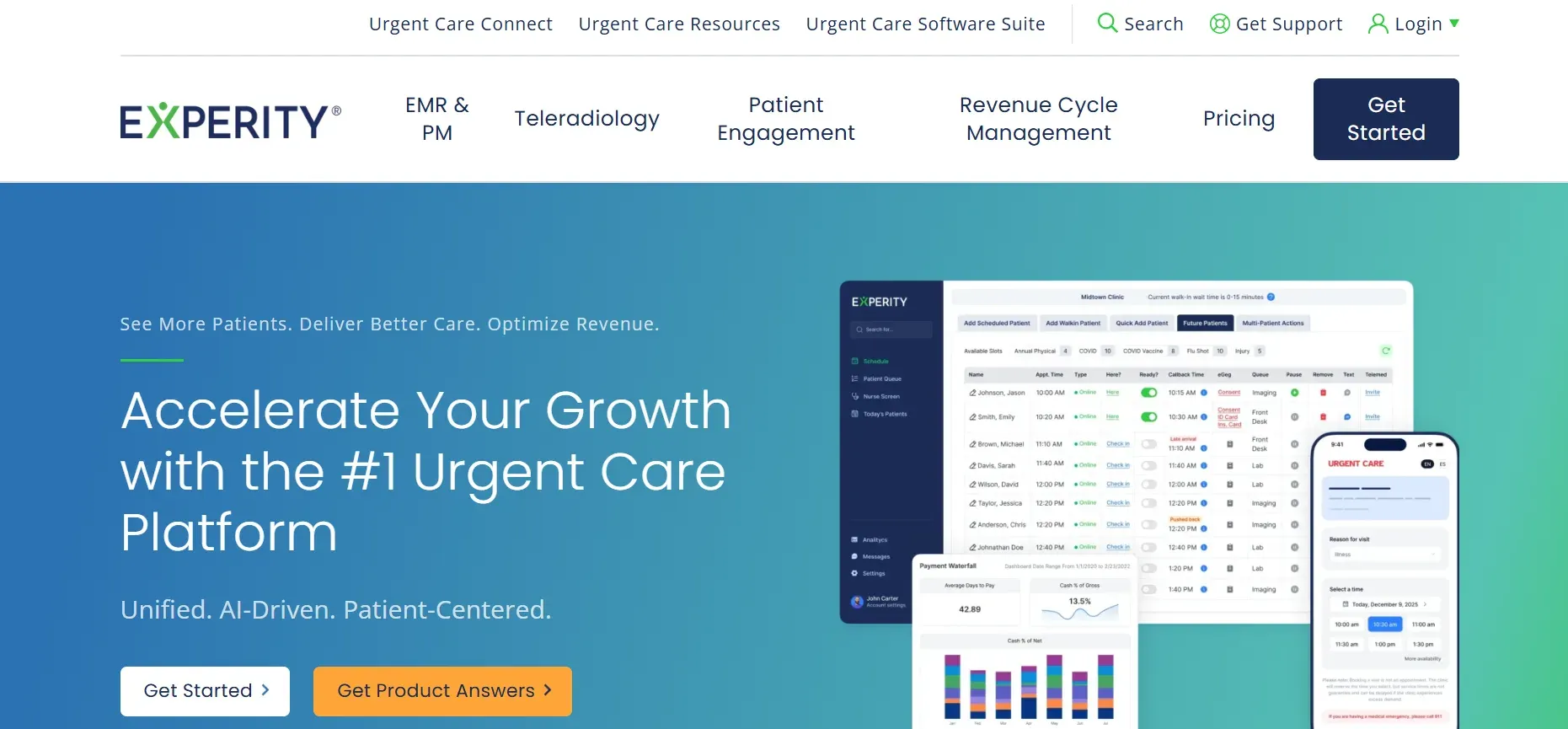
Experity is purpose built for urgent care and occupational medicine clinics, making it a leading choice for operators running multiple sites or high patient volumes. The platform unifies EHR, practice management, billing, and patient engagement in one system, allowing for real time visibility across locations. Experity’s interface is designed around urgent care workflows, with features like rapid intake, time to room tracking, and walk in queue management that reduce patient wait times and improve throughput. Its reporting suite gives operators granular performance analytics by provider, site, or patient type, which is valuable for scaling clinics.
Pricing: Reported $600 or more per provider per month for core modules, with additional fees for telehealth, analytics, and integrations. See Experity pricing.
-
Key limitations:
- Per provider pricing increases rapidly as you scale
- Customization limited to platform supported features
- Multi year contracts with early termination fees
-
Strengths:
- Purpose built urgent care workflows and templates
- Real time multi location reporting and analytics
- Integrated patient engagement and billing tools
If you’re tired of per provider fees, owning your platform with Devaims means every provider you add is just another login, no extra bill.
2. Kareo (Tebra) (Best for billing centric clinics)
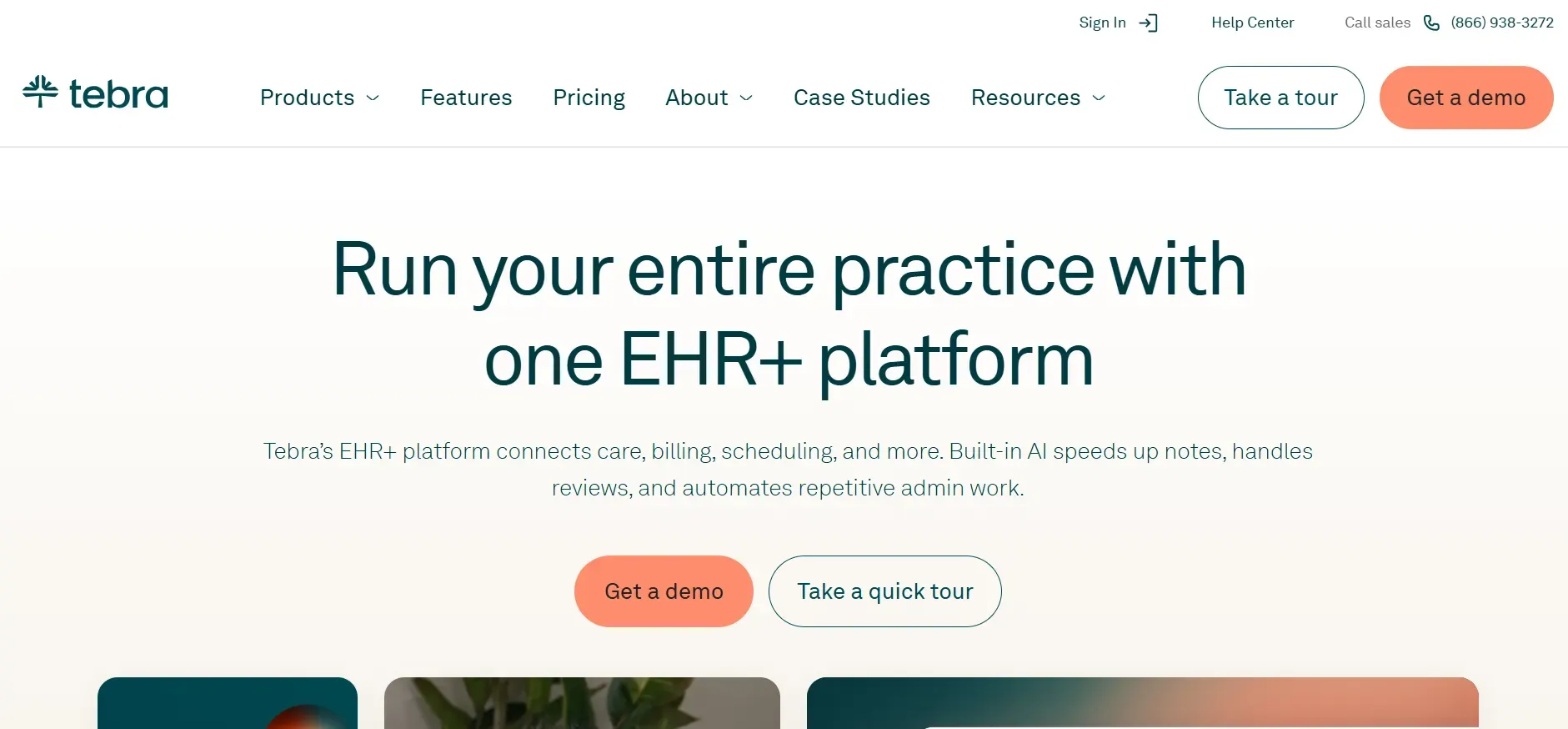
Kareo, now operating under the Tebra umbrella, is a cloud based EHR and billing solution designed for small to midsize practices, including urgent care. Its standout strength is revenue cycle management (RCM), offering automated claim scrubbing, payer rules, and denial management that help clinics get paid faster and with less manual intervention. Kareo’s EHR is lighter than iPatientCare’s, which can be a strength for urgent care clinics that want to focus on billing and basic charting rather than complex specialty workflows.
Pricing: Starts at $125+ per provider per month for billing, with additional fees for EHR, telehealth, and analytics. See Kareo pricing.
-
Key limitations:
- Limited urgent care workflow tools
- Costs rise with added modules and users
- Support response can be slow during peak times
-
Strengths:
- Strong billing and RCM automation
- Simple interface for small teams
- Affordable entry pricing for new clinics
With Devaims, you pay once to build exactly the billing tools you want, no more module by module fees.
3. AdvancedMD (Best for flexible practices)
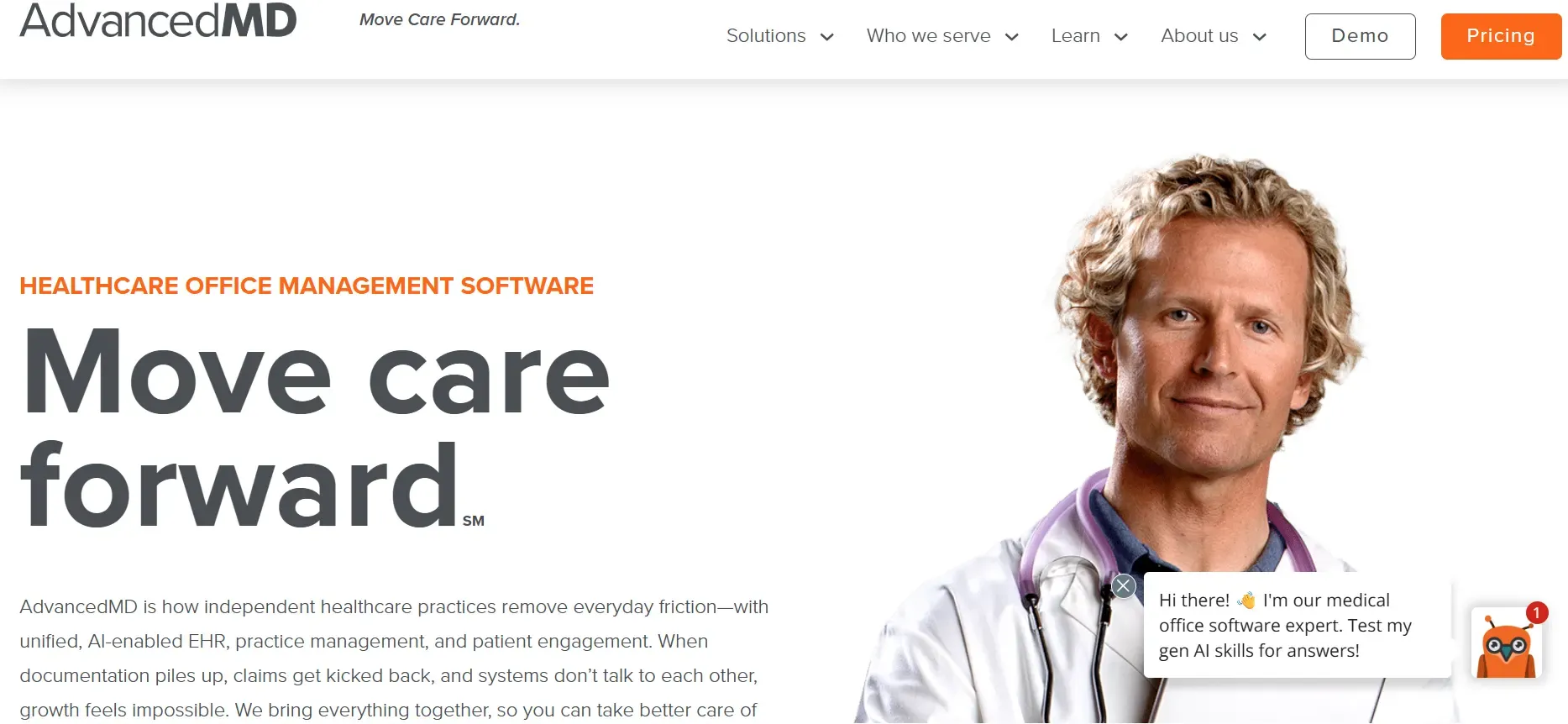
AdvancedMD is a modular cloud platform serving a range of practice sizes and specialties, including urgent care. Its flexibility comes from customizable templates, workflow automation, and a wide menu of modules for EHR, practice management, telemedicine, and billing. Compared to iPatientCare, AdvancedMD offers more configuration options, but still relies on monthly per user pricing and a complex fee structure.
Pricing: Reported $249 to $429 per provider per month, with price breaks for larger groups. See AdvancedMD pricing.
-
Key limitations:
- Modular pricing can add up quickly
- Learning curve for advanced features
- Some urgent care tools require add ons
-
Strengths:
- Highly customizable workflows and templates
- Integrated telemedicine and analytics
- Strong reporting and automation tools
That’s the kind of workflow you’d just have if the platform were built for your urgent care, not retrofitted.
4. Healow (Best for patient engagement)
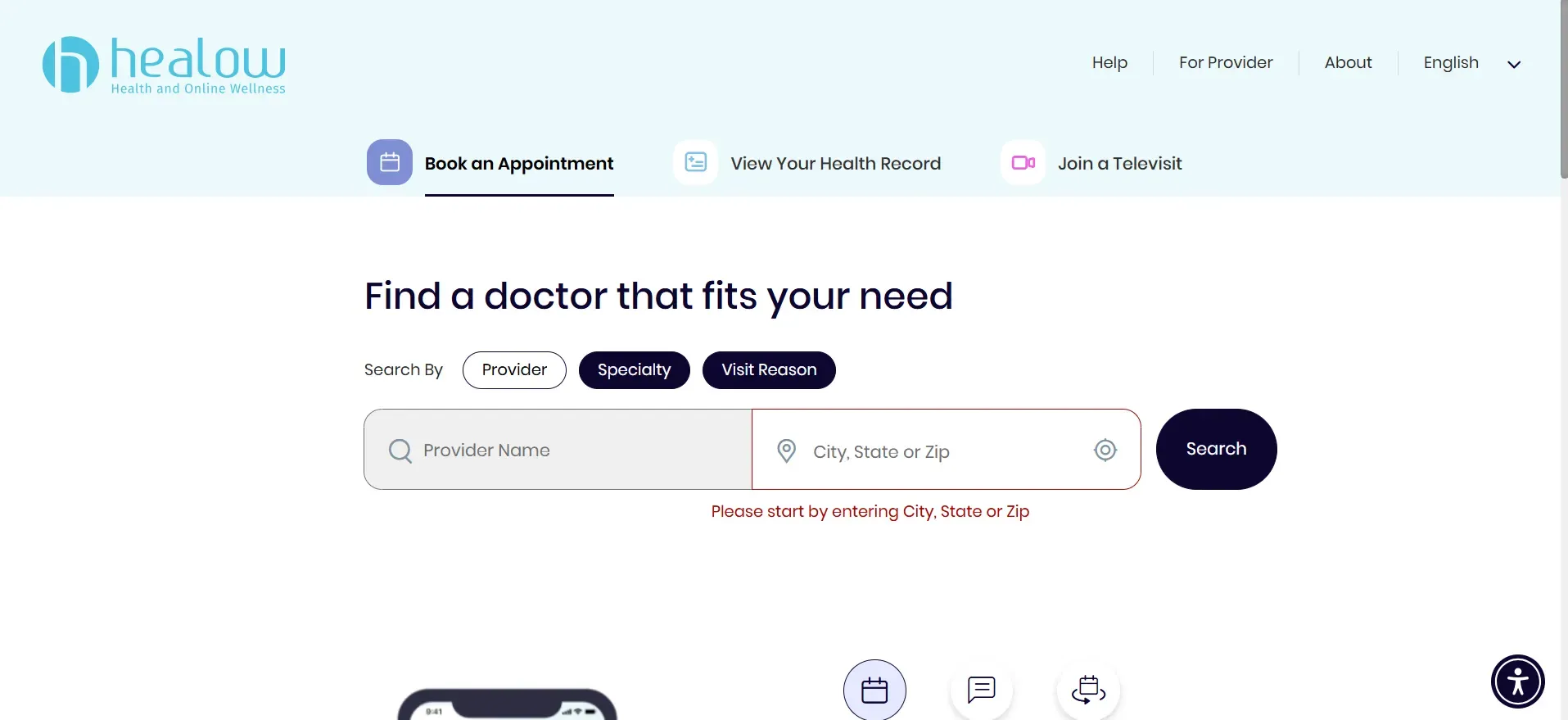
Healow is a patient engagement and telehealth platform that integrates with leading EHRs, including eClinicalWorks and others. It is not a standalone urgent care EHR but excels in modernizing patient communication, telemedicine, and self service features. For urgent care clinics, Healow can be layered on top of an existing EHR to add mobile check in, appointment reminders, and secure messaging without a full system overhaul.
Pricing: By quote only, typically as an add on to your EHR. See Healow pricing.
-
Key limitations:
- Not a full EHR or billing platform
- Customization limited by EHR integration
- Support slower for non eClinicalWorks users
-
Strengths:
- Excellent patient engagement tools
- Easy to add to existing EHRs
- Modern telehealth and mobile features
5. Meditech (Best for enterprise urgent care)
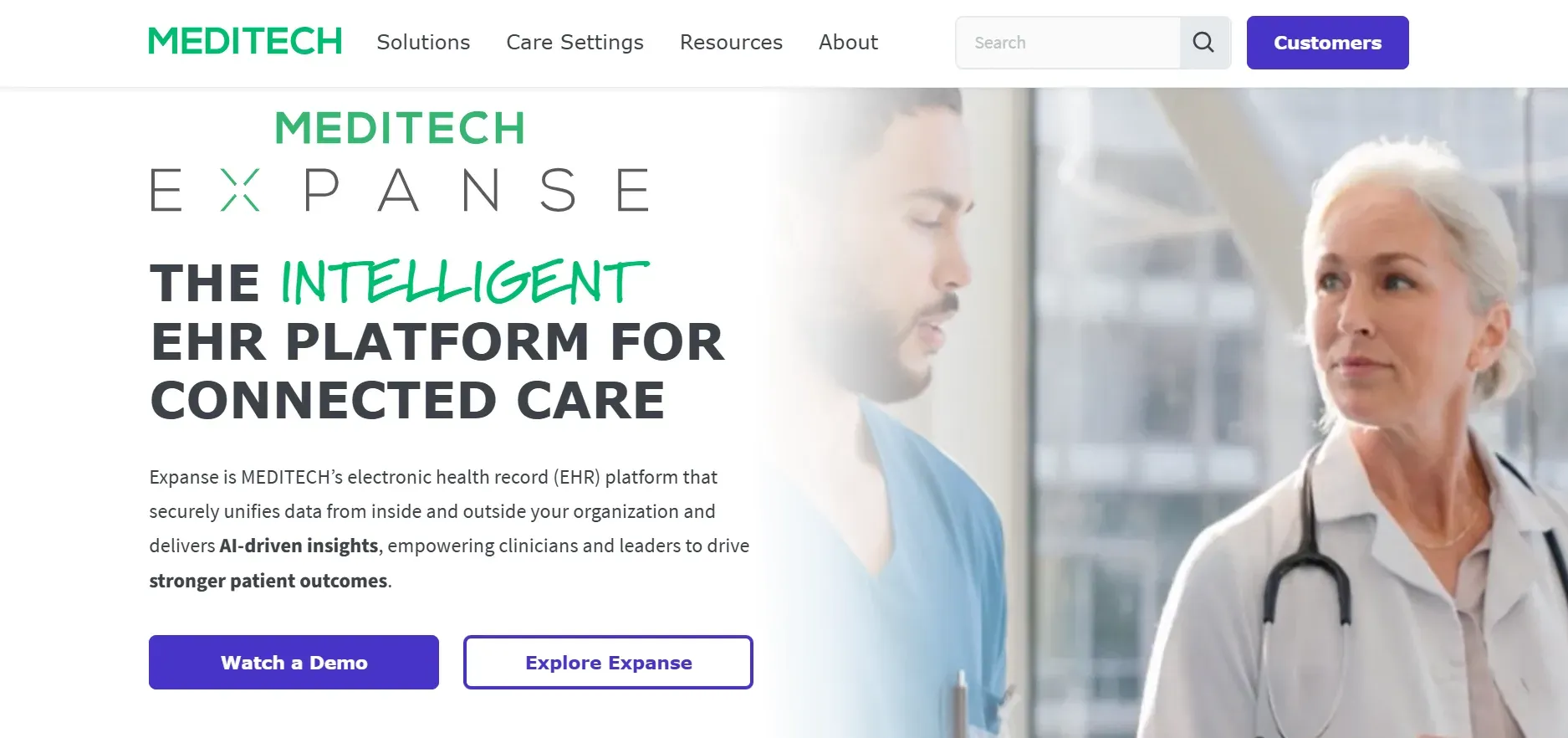
Meditech is a leading enterprise EHR, widely used by hospitals, health systems, and large ambulatory networks. Its urgent care modules are designed for high volume, multi facility settings where interoperability, compliance, and scalability are critical. Meditech offers a full suite of tools, EHR, PM, billing, analytics, population health, and more, but at the cost of complexity and significant IT requirements.
Pricing: By quote only, typically as part of a broader enterprise deal. See Meditech pricing.
-
Key limitations:
- High cost and complex implementation
- Requires significant IT support
- Overkill for small or single site clinics
-
Strengths:
- Enterprise grade compliance and interoperability
- Centralized multi site management
- Advanced analytics and reporting
6. Nuvolo (Best for facilities management)
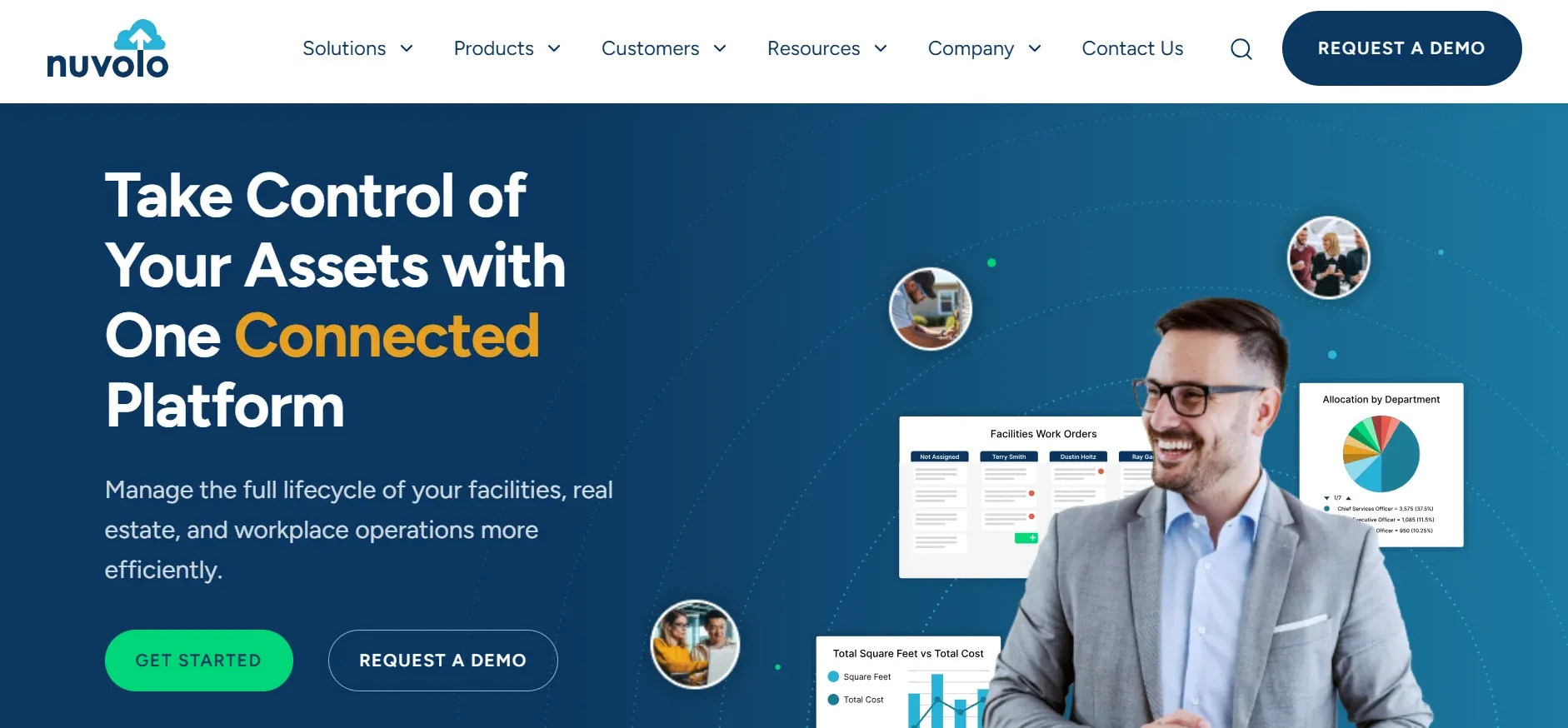
Nuvolo is not a direct EHR competitor but plays a crucial role for urgent care and health systems needing advanced facilities, asset, and compliance management. It complements clinical EHRs by tracking everything outside the patient record, equipment, maintenance, safety, and regulatory compliance.
Pricing: By quote only; generally higher than clinical EHRs due to enterprise focus. See Nuvolo pricing.
-
Key limitations:
- Does not handle clinical charting or billing
- Complexity best for larger groups
- Requires IT support for integrations
-
Strengths:
- Comprehensive facilities and asset management
- Strong compliance and audit tools
- Integrates with major EHRs and building systems
7. PrognoCIS (Best for customizable EHR)
PrognoCIS is a flexible EHR and practice management platform with modules for urgent care, occupational health, and billing. It competes directly with iPatientCare but sets itself apart with deeper workflow customization and template control. Clinics can tailor templates, forms, and even interface elements to match their processes, which is valuable for urgent care centers with unique intake or documentation needs.
Pricing: Reported $250+ per provider per month, with extra for billing and telemedicine. See PrognoCIS pricing.
-
Key limitations:
- Steeper learning curve for customization
- Extra costs for advanced modules
- Manual setup for some reports
-
Strengths:
- Deeply customizable templates and workflows
- Integrated billing and occupational health modules
- Flexible integration options
8. eClinicalWorks (Best for integrated EHR/PM)
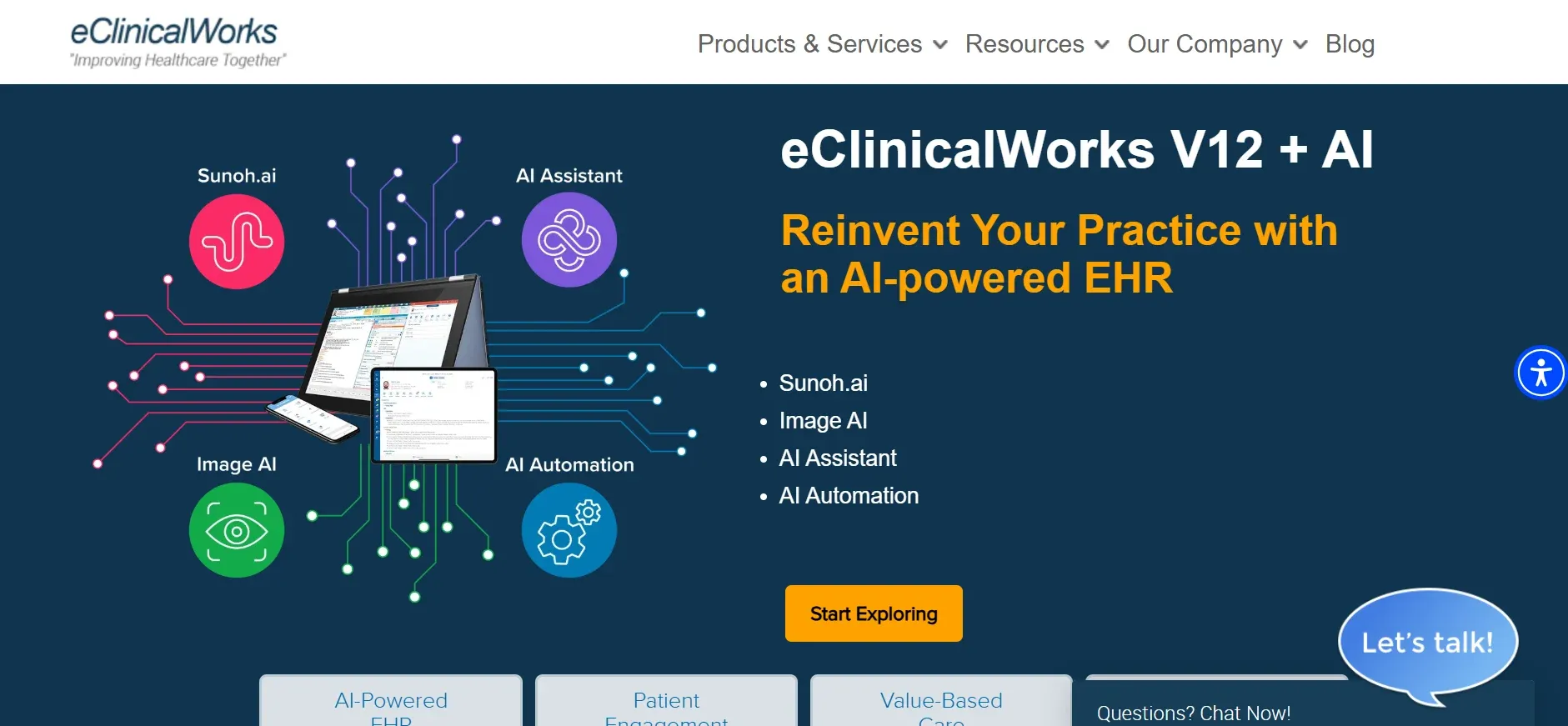
eClinicalWorks is one of the largest ambulatory EHRs in the U.S., serving urgent care, primary care, and multispecialty clinics. It offers a comprehensive feature set: EHR, practice management, telehealth, analytics, and patient engagement tools. Its strength lies in its breadth of integrations and robust patient communication features.
Pricing: Reported $449+ per provider per month. See eClinicalWorks pricing.
-
Key limitations:
- High per provider pricing for small clinics
- Can feel bloated for urgent care needs
- Customization can be time consuming
-
Strengths:
- Extensive integrations and patient engagement
- Comprehensive EHR and PM features
- Strong analytics and reporting tools
9. Athenahealth (Best for larger urgent care groups)
Athenahealth is a cloud based EHR and PM platform popular with fast growing urgent care, primary care, and multisite clinics. Its standout feature is revenue cycle management, with a unique pricing model, charging a percentage of collections rather than flat per provider fees. Athenahealth combines EHR, PM, billing, patient engagement, and telehealth in one system, making it attractive for larger or scaling organizations.
Pricing: Reported 4% to 7% of collections, with minimums. See Athenahealth pricing.
-
Key limitations:
- Percentage based pricing can become expensive
- Reporting customization is limited
- Multi year contracts and onboarding time
-
Strengths:
- All in one EHR, PM, billing, and patient portal
- Strong multi site and RCM capabilities
- Large partner and integration ecosystem
On owned software, your billing volume is your upside, not theirs. Devaims builds let you keep every bit of margin as you scale.
10. Devaims (The only owned urgent care EHR)
Devaims builds custom urgent care software platforms that you own outright. Unlike all SaaS EHRs, which are rented and require ongoing per user, per module, and per location fees, Devaims delivers a system designed around your exact workflow and requirements. You pay for the build, keep the source code and data, and pay only a flat, predictable maintenance fee. This model gives clinics full control, the ability to customize any feature, and freedom from vendor lock in or surprise price hikes.
- One time build, then flat maintenance, no user or location feesFull ownership of code and data, no contract lock inEvery feature, workflow, and report matches your urgent care needsDirect support from the team that built it
- One time build, then flat maintenance, no user or location fees
- Full ownership of code and data, no contract lock in
- Every feature, workflow, and report matches your urgent care needs
- Direct support from the team that built it
Other iPatientCare alternatives worth knowing
- NextGen: A comprehensive EHR for larger ambulatory groups, but less nimble for urgent care. Extensive integrations and compliance features, but pricing and complexity can be high for single site clinics.
- Epic: The hospital EHR giant, now offering ambulatory modules. Overkill and cost prohibitive for most urgent care clinics, but a fit for hospital owned or enterprise settings.
- Clockwise.MD (Experity): Now part of Experity’s suite, focused on online check ins and patient flow management. Useful for clinics prioritizing patient experience and waiting room efficiency.
How to choose the right iPatientCare alternative
- Budget: Look beyond the monthly sticker price. Calculate your total cost of ownership over 2 and 5 years, factoring in provider count, locations, and all add on modules you need. Many clinics are surprised to find that “cheap” SaaS options become expensive as they scale. Use real numbers, not vendor estimates.
- Urgent care workflow: Evaluate how each platform handles rapid intake, walk in registration, triage, and discharge. True urgent care platforms minimize clicks and streamline patient flow. Ask for demos with urgent care scenarios, not just standard primary care visits.
- Integration needs: List all the labs, billing services, payment processors, and patient engagement tools your clinic uses. Confirm which integrations are included, which cost extra, and whether custom work is needed. Integration fees can add up or create friction if not planned for.
- Data ownership: Ask how easily you can export all your patient and billing data, including attachments and custom fields. True ownership means you can migrate, report, or analyze your data without vendor permission or extra charges.
- Scalability: Project your provider and location growth over 3 to 5 years. SaaS pricing often rises exponentially with each addition. Owned software lets you scale with little to no added cost. Make sure your system can handle your future, not just your present.
If you’re tired of per user pricing or data lock in, owning your platform may actually flip the math in your favor.
Stop paying rent on software you could own
The biggest pain with iPatientCare and every major alternative isn’t a missing feature, it’s the endless rent: per user fees, per module add ons, surprise contract hikes. Every tool in this list except Devaims is rented. You pay, and when you stop, everything stops. With Devaims, you build it once, pay flat maintenance, and it’s yours for good.
Devaims builds urgent care EHR and PM platforms tailored to your workflow. You keep the source code, own every byte of your data, and never see a per provider or per location fee again. There’s no contract lock in, no hidden module charges, and no “your feature is on our roadmap” delays. If you need it, it’s built for you from the start.
- No per user or per visit fees: Add providers, locations, or volume at zero extra cost.
- All features included: Every workflow, report, or integration you specify is yours from day one.
- Complete data ownership: Export, migrate, report, your data, your way, whenever you want.
- Flat, predictable costs: After the build, only a modest maintenance fee (not a percentage of your revenue).
| Platform | Ownership | Per user fees | Contract |
|---|---|---|---|
| iPatientCare | No | Yes | Yes |
| Experity | No | Yes | Yes |
| AdvancedMD | No | Yes | Yes |
| Devaims (owned) | Yes | No | No |
5 year cost comparison: rent vs own
| Year | Rented (SaaS, $1,500/mo) | Owned (Devaims, $30,000 + $200/mo) |
|---|---|---|
| Year 1 | $18,000 | $32,400 |
| Year 2 | $36,000 | $34,800 |
| Year 3 | $54,000 | $37,200 (now ahead) |
| Year 4 | $72,000 | $39,600 |
| Year 5 | $90,000 | $42,000 |
By year three, you’re ahead. By year five, owned software leaves rented platforms far behind. For clinics with 8+ providers or growing locations, the savings multiply. We’ll run your numbers for free, no pressure, just real math.
How to switch from iPatientCare
- Export all patient and billing data from iPatientCare: Request a full format export with documentation. Be specific about needing all data types, demographics, clinical notes, attachments, billing history, and custom fields. Ask for export in a standard format (CSV, XML, or HL7).
- Choose your new platform and confirm data import capabilities: Not all EHRs can import all data types easily. Confirm with your new vendor what formats and fields can be imported and whether any fields will require manual entry or mapping.
- Map and import data into the new system, testing for completeness and accuracy: Allocate time for test imports and validation. Check that all attachments, custom fields, and historical records import correctly. Run parallel tests with real and test patients.
- Reconnect payment processors, labs, and any third party integrations: Update all integrations to point to the new platform. Test lab orders, billing, and payment processing thoroughly before going live.
- Train staff on the new workflows and features, using test patients and dry runs: Provide hands on training and “day in the life” scenarios. Use practice charts and billing cycles to ensure staff comfort.
- Run both systems in parallel for at least two weeks to catch issues: Maintain access to iPatientCare while live testing the new system. This overlap helps catch missing data, workflow gaps, or billing errors before full cutover.
- Review your iPatientCare contract for termination notice and data retention policies: Ensure you meet all notice and data archiving requirements to avoid penalties or loss of access.
With a custom Devaims build, the migration is handled as part of the project, including data mapping, validation, and staff training.
Frequently asked questions
What is the best iPatientCare alternative for urgent care centers?
For multi site urgent care clinics, Experity is a leading SaaS alternative, offering urgent care specific workflows and robust multi location reporting. For clinics wanting full control, custom features, and long term cost savings, Devaims is the only owned option. Devaims lets you build exactly what you need and scale without penalty.
What’s the cheapest iPatientCare alternative?
For smaller clinics, Kareo (Tebra) offers low per provider billing plans, making it attractive for startups or single site urgent care centers. However, as you add providers or need more features, costs can rise quickly. Over a five year horizon, Devaims’ owned model can be significantly cheaper for clinics planning to grow, since there are no ongoing per user or per location fees.
Is there a free iPatientCare alternative?
There are no truly free EHRs that meet urgent care needs. Some open source platforms exist (like OpenEMR), but they lack urgent care workflows, integrations, and reliable support. While “free” may sound appealing, these platforms typically cost clinics more in lost productivity, IT headaches, and compliance risks over time. Most urgent care clinics find that investing in a supported, purpose built platform pays off quickly.
Which iPatientCare alternative is best for scaling to multiple locations?
Experity and Athenahealth both support multi site urgent care operations, offering centralized reporting, shared scheduling, and consolidated billing. However, their per provider or percentage based pricing can balloon as you grow. Devaims, as an owned platform, lets you add unlimited locations and providers with no extra fees, making it the most scalable and cost effective option for growing groups.
Can I keep my old iPatientCare data when I switch?
You can request a data export from iPatientCare, but the process can be complex, may incur fees, and usually requires careful mapping to ensure all data is captured. Some clinics report delays or incomplete exports (missing attachments or custom fields). Devaims includes a comprehensive data migration as part of your build, ensuring all historical data is preserved and fully accessible in your new system.
When should a clinic switch from iPatientCare?
Consider switching when:
- Your monthly or yearly costs keep rising with no end in sight
- You repeatedly hit workflow or reporting limitations that slow your clinic
- You want to add providers or locations without a huge rent increase
- You need custom features or integrations that are not on the vendor’s roadmap
- You want to own your data and platform, not just rent access
Most clinics switch when scaling costs or workflow gaps become critical to operations or profitability.
How long does it take to move from iPatientCare to another platform?
Migration time varies by clinic size and data complexity. For most urgent care centers, a full switch (including data migration, integration, and staff training) takes 4 to 12 weeks. Devaims manages the migration as part of your custom build, with a typical project timeline of 3 to 6 months for a fully owned platform.
The bottom line
If you’re comparing iPatientCare alternatives, the honest rule is this: add up what you’ll spend over five years and ask if you’ll own anything at the end. For growing urgent care clinics, owning your platform is now realistic and often cheaper.
The single most useful takeaway? If your rent math for software is closing in on the price to build, you’re already past the point where ownership pays off. That’s when Devaims makes sense.
Explore more on the Devaims blog, or compare other options in our Athenahealth alternatives, AdvancedMD alternatives, and eClinicalWorks alternatives guides.