



Ever added up your EHR costs and realized you could have bought a car, or three? That’s what $449 to $599 per provider per month looks like over a few years with eClinicalWorks. You get speed and convenience up front, but after years of renting, you still don’t own a thing.
That’s why so many primary care practices start searching for eClinicalWorks alternatives: to cut recurring fees, get better support, or finally escape vendor lock-in. If you’re frustrated with slow tickets, per-provider pricing, and surprise contract terms, you’re not alone. The honest truth? Most EHR vendors, from Kareo to Athenahealth, have the same rent-forever model. But there’s one path that puts you in control: owning your own system with Devaims. Here are the top alternatives, who each is best for, and where ownership finally wins.
Why primary care practices look for eClinicalWorks alternatives
Recurring per-provider fees add up fast. At $449 to $599 per provider per month, costs balloon as your team grows, often with mandatory add-ons for features you need.
Vendor lock-in makes switching painful. Long contracts, tricky data exports, and proprietary workflows can keep you stuck even when you’re ready to move.
Support can be slow or inconsistent. Many users cite slow responses to tickets or the feeling that small practices aren’t a priority.
Customization is limited or expensive. Want a specific workflow or report? Often, you’re forced into generic templates or must pay extra for tweaks.
Annual price hikes and opaque renewal terms. It’s not just the base price, some vendors increase rates yearly or tie you to multi-year contracts.
Across the EHR market, these pain points push practices to seek out eClinicalWorks alternatives that give them more control and predictability.
Quick comparison of the best eClinicalWorks alternatives
| Tool | Best for | Starting price | You own it? |
|---|---|---|---|
| Kareo (Tebra) | Small practices, ease of use | $349/mo per provider | No, subscription |
| AdvancedMD | High-volume, advanced features | $749/mo per provider | No, subscription |
| DrChrono | Apple device integration | Custom, usually $250-400/mo | No, subscription |
| Athenahealth | End-to-end RCM | 3-7% of collections | No, subscription |
| NextGen Healthcare | Large practices, integration | No public pricing | No, subscription |
| Practice Fusion | Low-cost starter EHR | $199/mo per provider | No, subscription |
| Modernizing Medicine | Specialty practices | Reported $500+/mo | No, subscription |
| Epic | Large healthcare systems | Enterprise, custom | No, subscription |
| Cerner (Oracle Health) | Hospitals, enterprise | Enterprise, custom | No, subscription |
| Devaims | Outright ownership, full customization | One-time build, you own it | Yes, you own it |
Always confirm current pricing before you decide. Vendors update plans and fees regularly.
The 10 best eClinicalWorks alternatives
1. Kareo (Tebra) (Best for small practices that want simplicity)
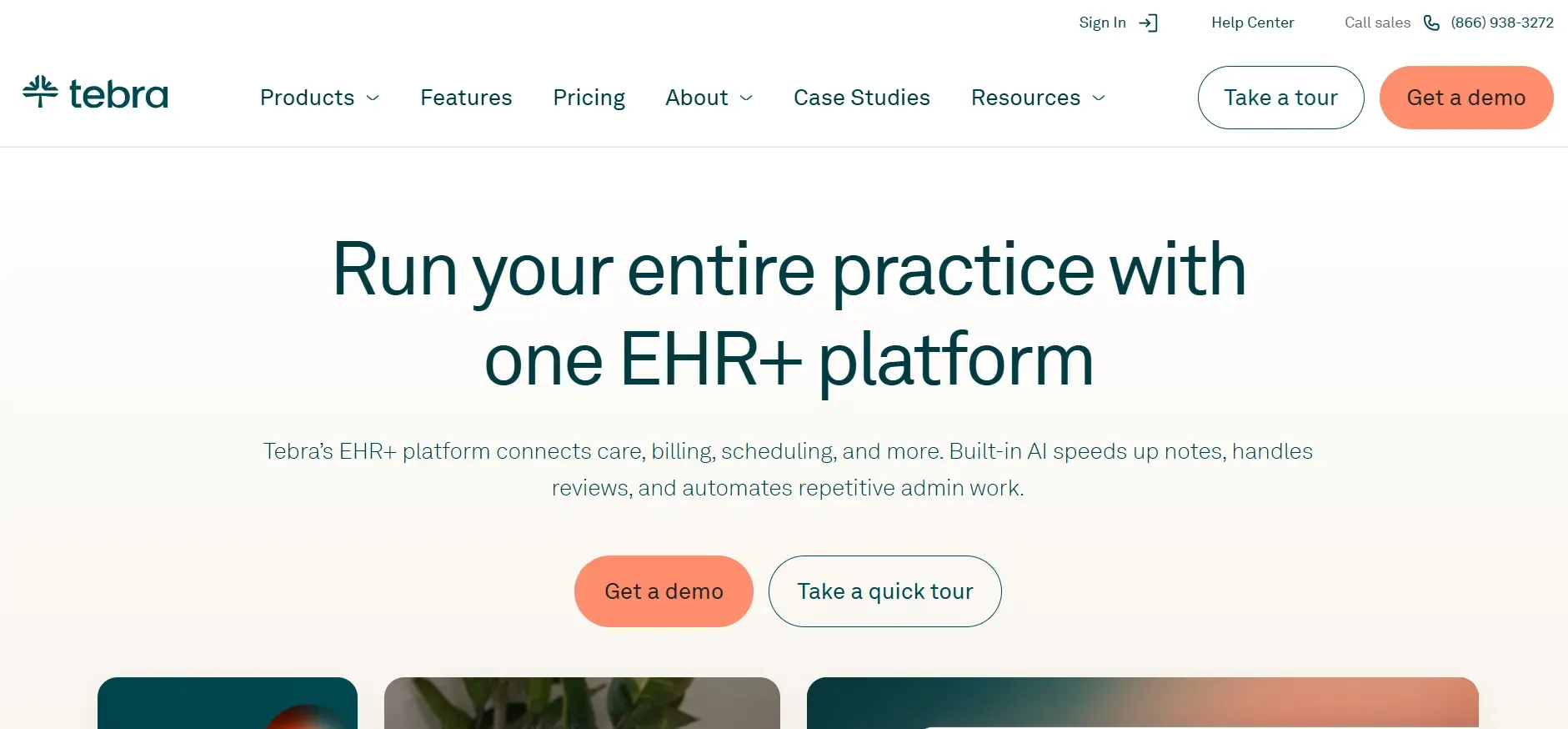
Kareo (Tebra) is a popular choice for smaller primary care clinics looking for a user-friendly EHR and practice management platform. Compared to eClinicalWorks, Kareo’s interface is often described as cleaner, with less onboarding friction for new staff. After merging with PatientPop, it markets itself as an all-in-one solution, but you’re still on the per-provider treadmill.
Pricing: Starts at $349 per provider per month (see pricing).
- Easy for new staff to learn
- Affordable entry pricing
- Integrated telehealth and scheduling
- Billing features can be clunky for complex cases
- Support responsiveness varies by plan
- Still a monthly rental, costs scale with team size
On software you owned, adding another user wouldn’t cost you more every month.
2. AdvancedMD (Best for high-volume or multi-location practices)
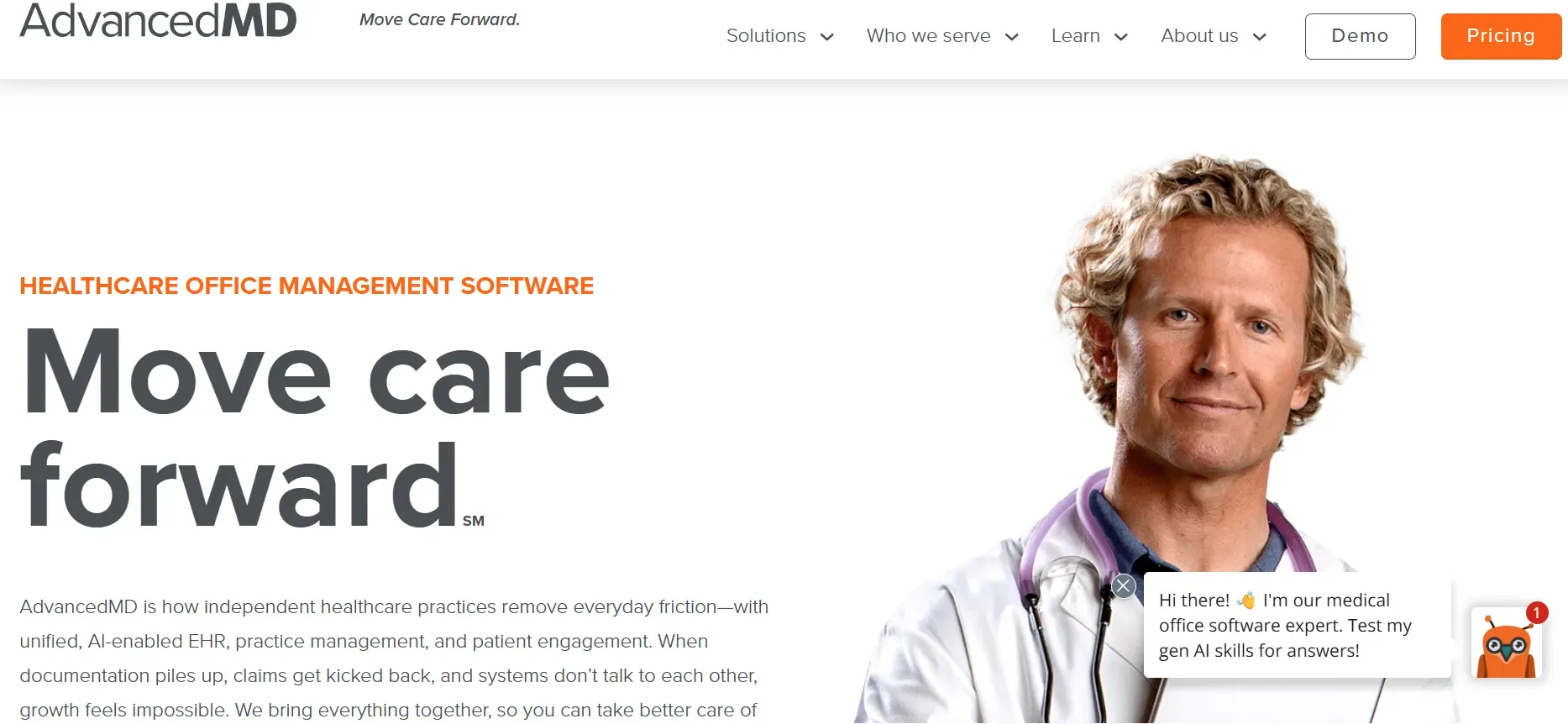
AdvancedMD targets larger clinics needing deep customization and strong analytics. It’s powerful, but setup is a project, and without paid training, you’ll be on your own for much of the learning curve. Compared to eClinicalWorks, it offers a per-encounter option for low patient volumes, but the platform’s complexity can overwhelm small teams.
Pricing: Starts at $749 per provider per month (see pricing), or per-encounter plans available.
- Highly customizable workflows
- Strong reporting and analytics
- Per-encounter pricing for low-volume practices
- Expensive, especially for growing practices
- Paid training is often necessary for setup
- Long onboarding times
With a custom Devaims build, your onboarding is tailored to your workflows, not the vendor’s defaults.
3. DrChrono (Best for Apple device integration)
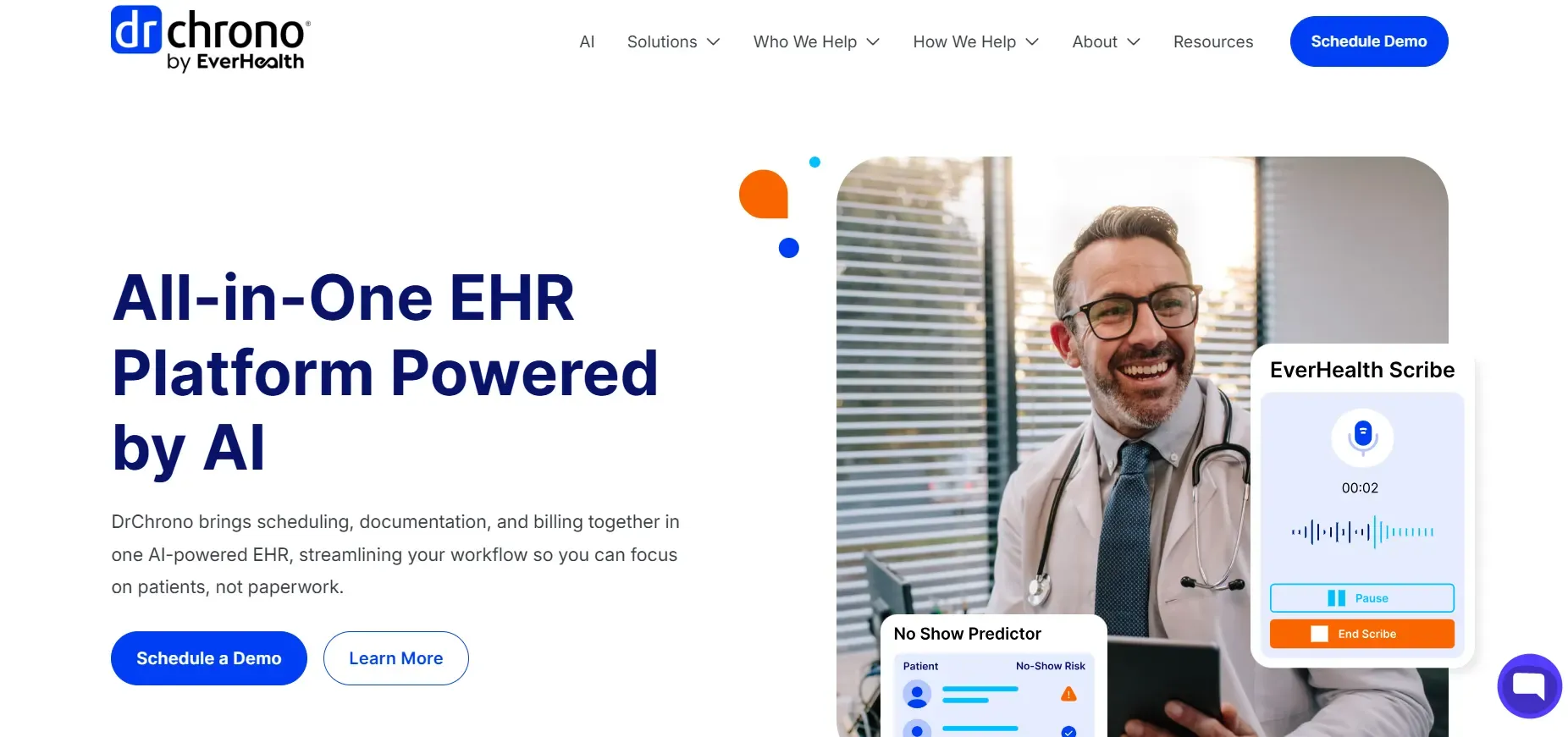
DrChrono stands out for practices that are deep in the Apple ecosystem, with native iPad and iPhone apps. If you love charting at the point of care, DrChrono is a step up from eClinicalWorks’ browser-first approach. Just be ready for annual price hikes, which many users report at 10 to 15 percent per year.
Pricing: Three tiers (Foundation, Growth, Premium); pricing is custom per provider (see pricing).
- Excellent iPad/iPhone experience
- Flexible appointment scheduling
- Lab and billing integrations
- Annual price increases are common
- Some features gated to higher tiers
- Contract details less transparent
With Devaims, you control the update schedule and don’t get blindsided by forced upgrades.
4. Athenahealth (Best for practices needing RCM included)
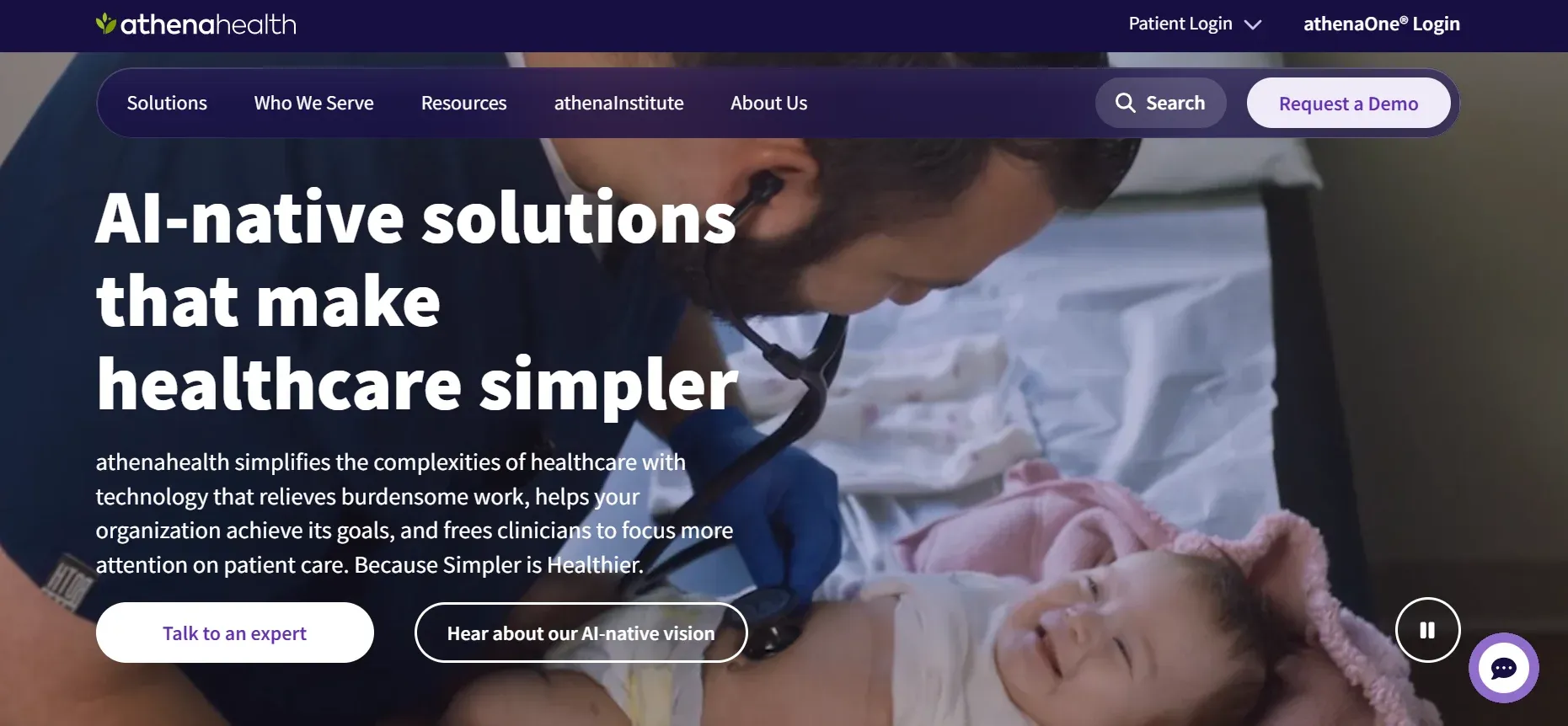
Athenahealth is known for bundling EHR with revenue cycle management, taking a percentage of collections (3 to 7 percent). If you value end-to-end billing, it’s a strong option, but like eClinicalWorks, you’re always paying a slice of your revenue and you’re subject to vendor priorities when requesting new features.
Pricing: 3 to 7 percent of collections, bundled with RCM (see pricing).
- Integrated billing and EHR
- Strong payer connections
- Cloud-based access
- Ongoing percentage fees can outpace flat rates as you grow
- Customization is limited
- Support for unique workflows is hit-or-miss
If you owned your EHR, every dollar you collect is yours, with no percentage skimmed off the top.
5. NextGen Healthcare (Best for integration with large systems)
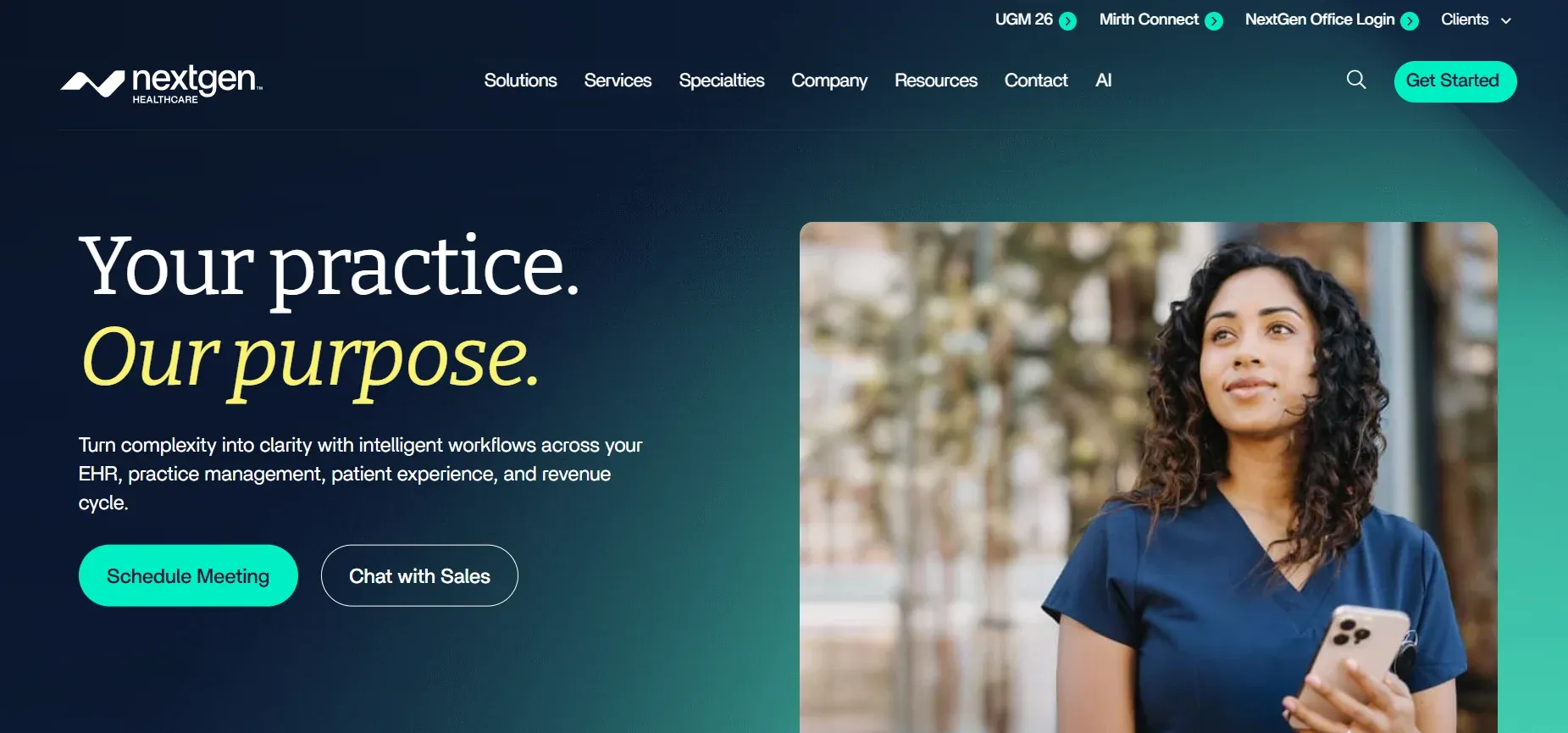
NextGen Healthcare is a heavyweight option for large practices and multi-specialty clinics. Compared to eClinicalWorks, NextGen is praised for integration capabilities, but users often cite slow system speeds and inconsistent support. No public pricing means you’ll negotiate, not shop.
Pricing: No public pricing available (see pricing).
- Deep integration with hospital systems
- Customizable for large practices
- Comprehensive EHR features
- Opaque pricing and contracts
- System can feel sluggish
- Support varies by client size
6. Practice Fusion (Best for budget-conscious solo clinics)
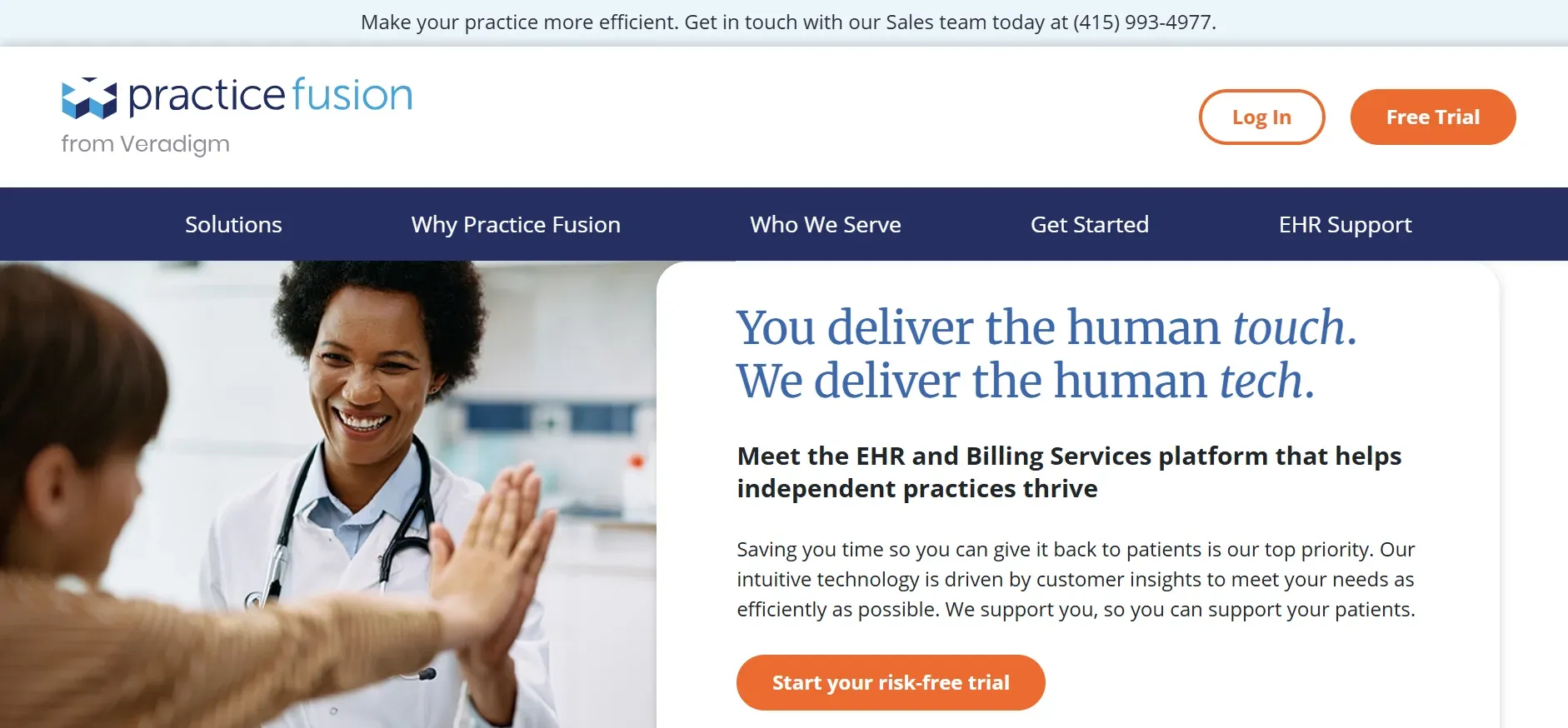
Practice Fusion is a low-cost EHR that appeals to solo and small practices just getting online. At $199 per provider per month, it undercuts eClinicalWorks, but you’ll sacrifice customization and some advanced features. Annual contracts are required, and upgrades often mean moving off the platform entirely.
Pricing: $199 per provider per month, annual commitment (see pricing).
- Low entry cost
- Straightforward interface
- Cloud-based, no local install
- Limited customization and templates
- Some features require third-party add-ons
- Annual contract locks in price
7. Modernizing Medicine (Best for specialty practices and dermatology)
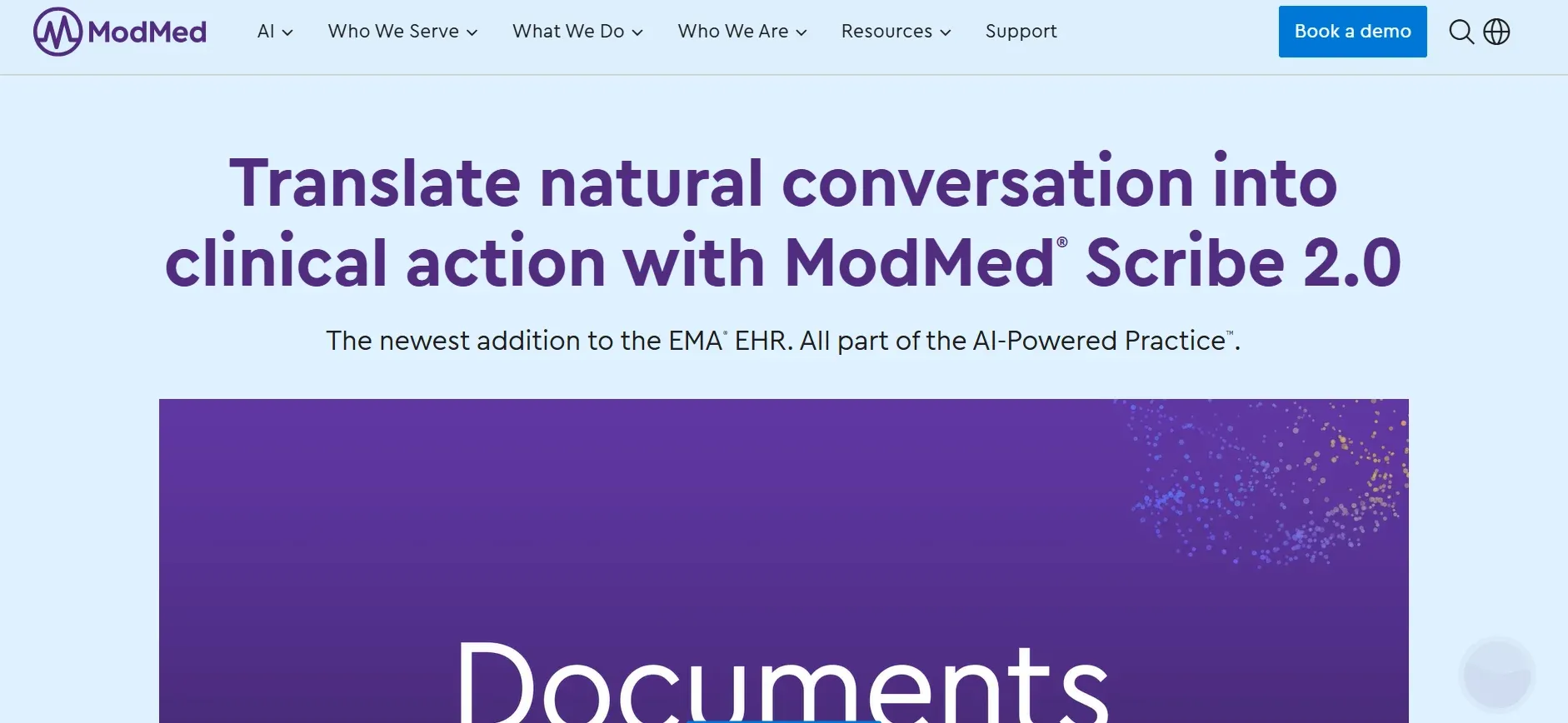
Modernizing Medicine is built for specialties, particularly dermatology, orthopedics, and ENT. Its “EMA” EHR is specialty-specific, with built-in content and templates. For primary care, it can be overkill and expensive, but if you’re multi-specialty, it’s worth a look. Compared to eClinicalWorks, it’s more tailored but often pricier.
Pricing: Reported $500+ per provider per month (no public pricing).
- Specialty-specific workflows
- Integrated telehealth
- Strong mobile support
- High cost for primary care features
- Complex for small teams
- Best fit is for specialists
8. Epic (Best for large healthcare systems)
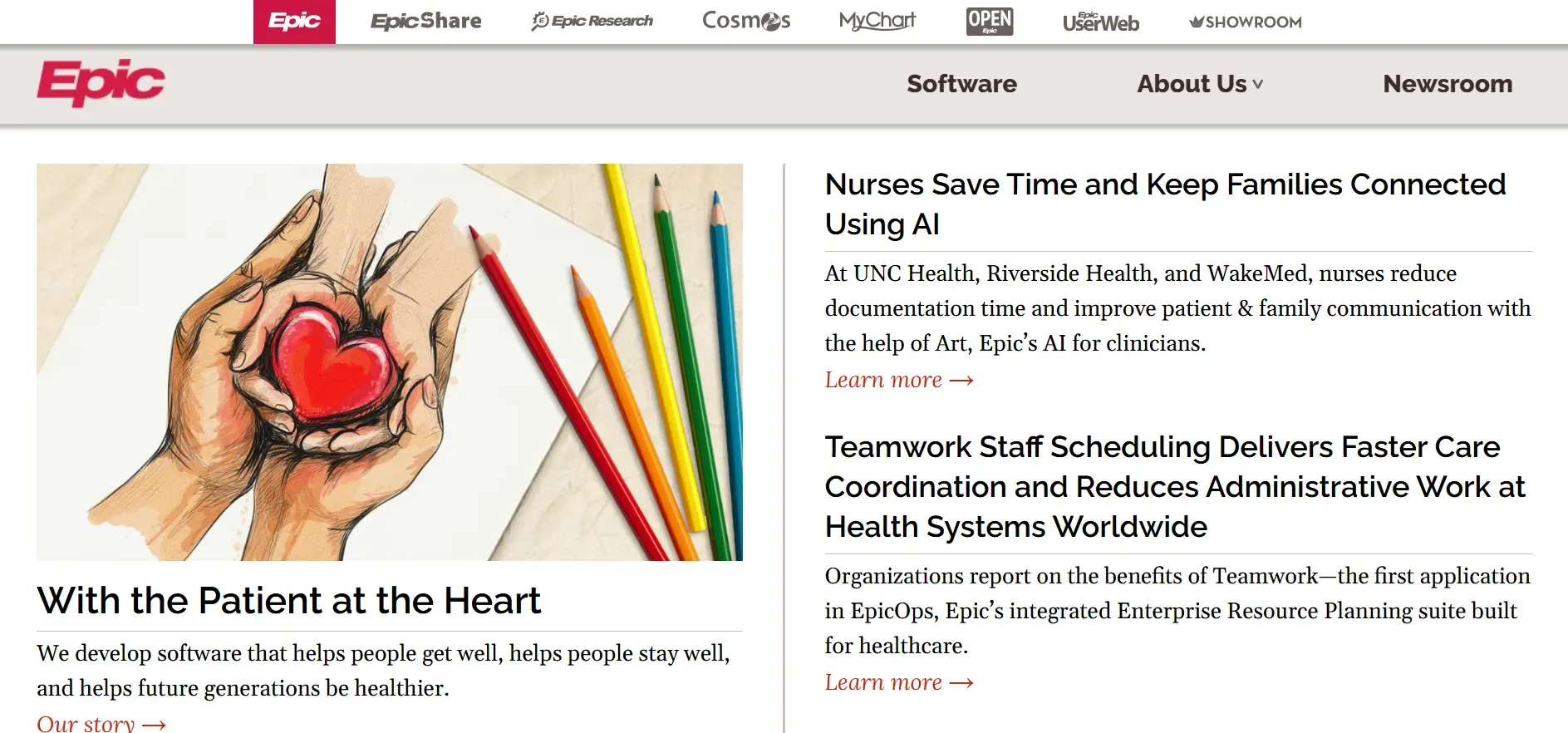
Epic dominates the hospital and large group practice market. If you run a multi-location, multi-specialty organization, Epic is the platform everyone else must interface with. It’s not usually a fit for small clinics, both for cost and complexity. Like eClinicalWorks, everything is rented, not owned.
Pricing: Enterprise, custom pricing (not public).
- Extensive interoperability
- Rich feature set for large systems
- Deep reporting and analytics
- Enterprise pricing, often six figures up front
- Long and expensive implementations
- Requires dedicated IT staff
9. Cerner (Oracle Health) (Best for hospitals and enterprise)
Cerner, now part of Oracle Health, is another enterprise EHR with a focus on hospitals and large provider networks. Its flexibility and data capabilities are strong, but like Epic, it’s overkill for most outpatient primary care. Compared to eClinicalWorks, it’s more scalable, but you’re still paying for a rented stack.
Pricing: Enterprise, custom pricing (not public).
- Powerful data and analytics tools
- Highly configurable for enterprise
- Strong support for population health
- Complex, costly to implement
- Long contracts
- Suited for large organizations, not small clinics
10. Devaims (Best for clinics that want to own their EHR)
Devaims builds custom EHR, practice management, and business health software that you own outright, code, data, and all. Unlike every alternative above, there’s no per-provider or per-feature fee. The system is tailored to your real workflow and grows with your practice, not your vendor’s roadmap.
- One-time build, then low flat maintenance
- You own the code and data, free from vendor lock-in
- Fully customized workflows and reports
- No per-user or per-feature pricing, costs do not scale as you grow
- Migration and training handled as part of the project
- Direct access to the development team for support and changes
Other eClinicalWorks alternatives worth knowing
- Elation Health: Great for direct primary care, but limited features for insurance billing.
- Healow: The patient portal from eClinicalWorks, not a full EHR alternative but worth considering if you’re looking for patient engagement tools.
- ChARM EHR: Cloud-based, affordable, but less known and with limited specialty support.
These tools fill unique niches, but most still follow the rental model and may not be a fit for primary care looking for full EHR replacement.
How to choose the right eClinicalWorks alternative
- Budget: Calculate your true 5-year cost, including add-ons and upgrades, not just the monthly sticker price.
- Customization: If your workflows, forms, or reporting are unique, avoid vendors that lock you to generic templates or charge for every tweak.
- Practice size: Many EHRs price per provider or per encounter, so growing teams pay more. If you’re scaling, this matters.
- Support: Review real user feedback on support speed and quality, long ticket times can cripple a busy practice.
- Data ownership: If exporting or integrating your data matters, look for platforms with open APIs or, better yet, full code ownership.
When your practice wants full control, zero lock-in, and predictable costs, owning your EHR with Devaims can be the smarter move.
Stop paying rent on software you could own
If you’re frustrated by per-provider fees or realizing your EHR costs double with every hire, you’ve already spotted the problem: every alternative to eClinicalWorks is still rented, not owned. Whether you pick Kareo, AdvancedMD, or Epic, you’re on a subscription treadmill, one that speeds up as you grow. Only a custom build lets you step off.
Devaims builds custom EHRs and practice management tools that are truly yours. You get the source code, not just a login. You own the data, the interface, the integrations, and you decide how it changes, not a vendor. There’s no monthly per-user tax, no forced upgrades, and no lock-in contracts. We scope, build, and migrate you, then support you for a flat maintenance fee. Your workflows, your reports, your stack.
- No per-provider tax: Add users, locations, and features without new fees.
- Zero lock-in: You keep the code and data for good.
- Custom fit: Workflows, forms, and reports designed for your practice, not the average user.
- Flat, predictable costs: No surprise hikes or hidden renewal clauses.
- Direct access: Talk directly to the team who built your platform.
| Feature | eClinicalWorks | Kareo | AdvancedMD | Devaims (owned) |
|---|---|---|---|---|
| Pricing model | $449 to $599/mo per provider | $349/mo per provider | $749/mo per provider | One-time build, $150 to $230/mo maintenance |
| Ownership | No | No | No | Yes, full code + data |
| Customization | Limited, extra fees | Template-based | Complex, paid training | Fully custom |
| Support | Ticket-based | Varies | Paid training/support | Direct dev team |
| Contract | Annual or longer | Annual or monthly | Annual | No lock-in |
| Year | Rented EHR (monthly $499/prov, 5 providers) | Owned (Devaims, $32,000 build, $200/mo maint) |
|---|---|---|
| Year 1 | $29,940 | $34,400 |
| Year 2 | $59,880 | $36,800 |
| Year 3 | $89,820 | $39,200 (now ahead) |
| Year 4 | $119,760 | $41,600 |
| Year 5 | $149,700 | $44,000 |
If you have 5 providers, eClinicalWorks or a similar EHR will cost you about $29,940 per year, $149,700 over five years, with nothing to show for it. A custom Devaims build runs about $32,000 up front, $200 per month maintenance, and is yours for good. You break even in year 3, then save tens of thousands every year after.
Owning your EHR makes the most sense for practices planning to grow, those with unique workflows, or anyone tired of renting the same platform year after year. Want to see your numbers?
How to switch from eClinicalWorks
- Export all patient and billing data from eClinicalWorks (in standard formats where possible).
- Evaluate and select your new EHR or custom solution, ensuring it meets your needs.
- Import your data into the new system, mapping fields and cleaning records as needed.
- Reconnect payment processors, labs, and any third-party integrations.
- Train providers and staff on the new platform, focusing on new workflows and changes.
- Run systems in parallel for 2 to 4 weeks, verifying accuracy and completeness.
- Review your contract to ensure proper termination with eClinicalWorks and avoid auto-renewal.
With a custom Devaims build, the migration is handled as part of the project.
Frequently asked questions
What is the best eClinicalWorks alternative for small practices?
Kareo (Tebra) is a popular choice for small clinics due to its lower starting price and simple interface. For practices that want to own their system and avoid per-user fees, Devaims is the only real alternative.
What is the cheapest eClinicalWorks alternative for primary care?
Practice Fusion starts at $199 per provider per month, making it the lowest-cost mainstream EHR. However, it comes with limited customization and annual contracts. Over five years, renting may still exceed the cost of building your own with Devaims.
Is there a free eClinicalWorks alternative?
Very few free EHRs remain in the US that meet compliance standards. Most "free" options limit features or charge for support and integrations. Owning your system with Devaims can provide long-term savings, even if the upfront cost is higher.
Which eClinicalWorks alternative is best for practices that want to own their software?
Devaims is the only vendor in this list that builds a custom EHR you own outright. You keep the code and data, pay no per-provider fees, and aren’t locked into any contract.
When should a primary care clinic switch from eClinicalWorks?
If you’re frustrated with recurring fees, slow support, or contract lock-in, or if adding new providers spikes your costs, it’s time to look for eClinicalWorks alternatives. The break-even point for owning your EHR is often between year 2 and 3 for small teams.
Can I keep my patient data if I switch from eClinicalWorks?
Yes, you can export your data, though the formats and completeness may vary. Devaims handles data migration as part of every custom build project.
The bottom line
Every EHR platform in this market rents you access, but after a few years, you’ve paid the sticker price many times over and still don’t own a line of code. The real test? Add up what you’ll spend over the next five years. If that number could have built a system you own, you know it’s time to switch.
Ownership isn’t just about cost: it’s about control, flexibility, and finally being able to say “yes” to the workflows and features you actually want. If you’re ready to stop paying rent on your EHR, Devaims can show you exactly what owning looks like, for your practice, your data, your future.
For more honest takes and deep dives, see the Devaims blog. You might also like AdvancedMD alternatives, Athenahealth alternatives, and NextGen Healthcare alternatives.