



Ever tried uploading a stack of receipts to Dext, only to find out your plan's "monthly items" cap hit just when you're catching up? Or discovered that, after years of paying, you still can't export your own data in a truly portable format? Bookkeepers know the feeling: one more per-user fee, another surprise add-on, and you're stuck renting the same basic workflow year after year.
There are plenty of Dext (Receipt Bank) alternatives, but most are more of the same: cloud-based, subscription-priced, and loaded with features you might not need. The real question is whether you keep renting, or build something you own. Below, we compare the top 9 options, from QuickBooks to Devaims, and break down the math on renting versus owning your bookkeeping stack.
For those ready to stop paying monthly forever, scroll to the end for the one alternative you actually own: a custom Devaims build, built for your workflow, with code you keep.
Why bookkeepers look for Dext (Receipt Bank) alternatives
Frustrating item limits: Dext plans cap the number of receipts or invoices you can process per month, forcing upgrades as your business grows. For firms handling fluctuating or seasonal volumes, these limits can trigger surprise overages, requiring either an expensive plan bump or manual workaround. This is especially painful for bookkeepers with clients who batch-upload receipts quarterly or at tax time.
Escalating per-user pricing: Adding more team members means higher monthly costs, and the price per user ticks up fast once you pass the smallest plan. For bookkeeping agencies, the cost of onboarding new staff or collaborating with clients can double or triple the expected monthly spend. Many SaaS models penalize growth, turning what seems affordable in year one into a significant operational expense by year three.
Limited export control: Getting your data out of Dext in a truly open, reusable format is harder than it should be, especially if you ever want to switch platforms. Exports are usually CSV or PDF, but critical metadata (like document tags, approval workflows, and user actions) can be lost or require manual re-entry. For bookkeepers who need compliance, audit trails, or want to migrate years of historical data, this creates major friction.
Feature lock and forced bundles: Essential features, like advanced reporting or multi-entity support, are often tied to premium tiers you may not need otherwise. This bundling forces firms to pay for extras just to unlock a single must-have, pushing up the total cost of ownership over time.
Never-ending rental cycle: After years of payments, you still don't own the software or the underlying workflows. Even if you’re a power user, you’re subject to changes in pricing, interface, or even sunsetting of features. That’s why many search for Dext (Receipt Bank) alternatives that actually deliver ownership and control.
Quick comparison of the best Dext (Receipt Bank) alternatives
| Tool | Best for | Starting price | You own it? |
|---|---|---|---|
| QuickBooks Online | General bookkeeping, integrations | around $30/mo | No |
| Xero | Multi-currency, collaboration | around $15/mo | No |
| FreshBooks | Solo bookkeepers, freelancers | around $19/mo | No |
| Botkeeper | Automation, CPA firms | custom | No |
| Pilot | Startups, hands-off books | from $599/mo | No |
| Bench | Small business, full-service | from $299/mo | No |
| Synder | eCommerce syncing | from $48/mo | No |
| Gusto | Payroll and HR | from $40/mo + $6/user | No |
| Devaims | Bookkeepers who want to own | One-time build | One-time build, you own it |
Always confirm current pricing before you decide, as SaaS rates and plans change frequently. Also review if any add-ons (such as payroll, advanced analytics, or third-party integrations) are included or billed separately. The fine print can dramatically alter your cost projections.
The 9 best Dext (Receipt Bank) alternatives
1. QuickBooks Online (Best for all-in-one bookkeeping)
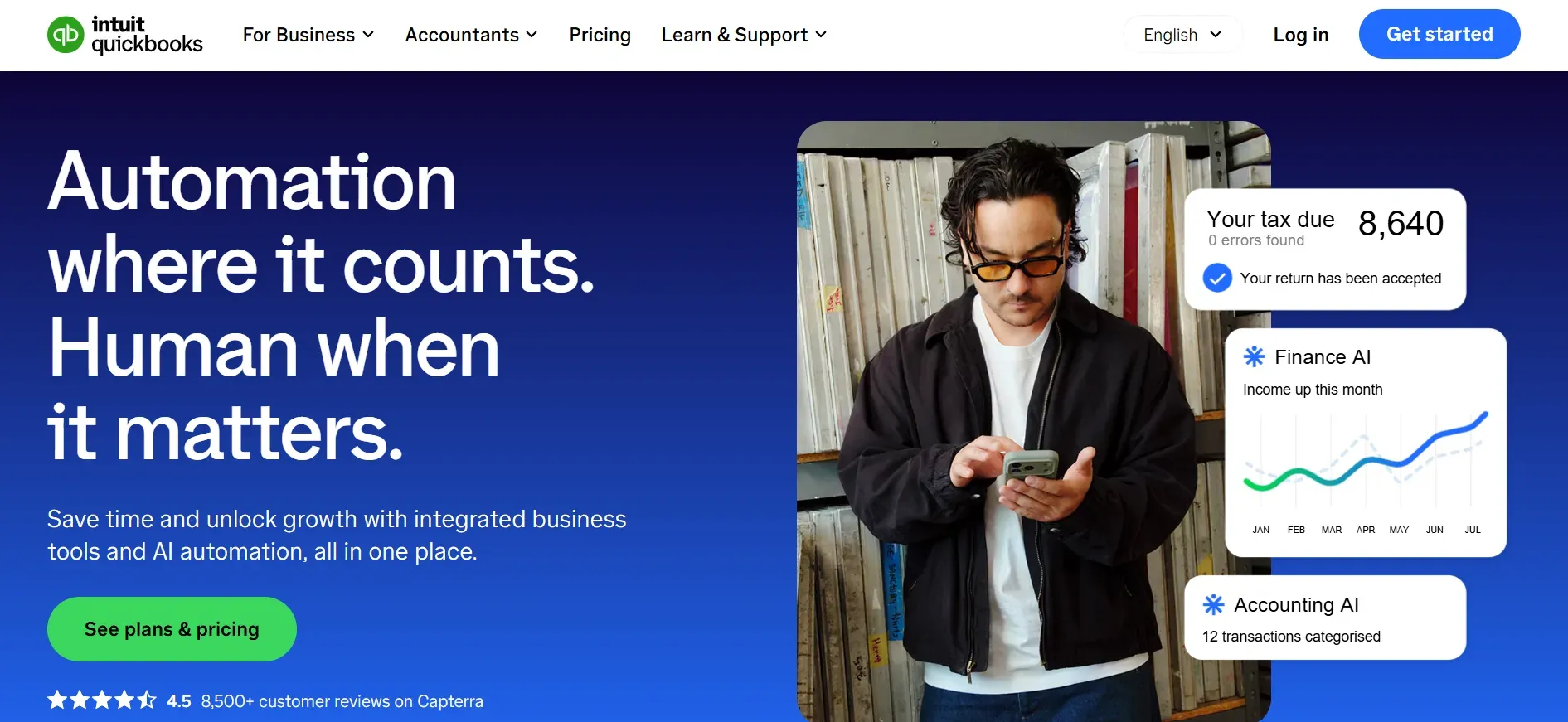
QuickBooks Online is the backbone of many small business bookkeeping operations, with deep direct integrations to banks, payroll providers, and receipt capture solutions. Its ecosystem is extensive: you can sync with over 650 financial institutions, automate transaction imports, and connect to third-party apps like Expensify, Bill.com, and Gusto. Its interface is familiar to most accountants and bookkeepers, which helps with onboarding and collaboration.
Features & integrations: QuickBooks offers double-entry accounting, recurring invoicing, payroll modules, receipt capture (via the mobile app or integrations), detailed reporting, and customizable chart of accounts. Its API supports custom integrations, and the App Store features hundreds of vetted add-ons for inventory, time tracking, and more. However, the depth of integration can vary by country and bank, and some advanced features (like project profitability or custom user roles) are only available on higher plans.
Migration friction: Moving to or from QuickBooks is relatively straightforward if your data is clean, but there are caveats. While you can import CSVs for transactions and contacts, moving historical attachments, custom fields, or audit logs can be tricky. Data export is possible (via Excel, CSV, or PDF), but not all metadata is preserved, and restoring a full historical record in another platform may require manual effort or scripting. Exporting and importing complex workflows (like rules, automations, or integrations) is not supported.
Real use cases: QuickBooks Online is ideal for small-to-medium firms that need a well-supported, all-in-one platform and who value a large support community. Bookkeepers who manage multiple clients often use QuickBooks Accountant for dashboarding and team access. Firms with simple workflows, straightforward reporting, and standard compliance requirements rarely outgrow QuickBooks, unless they hit user or entity limits or need deep customization.
- Extensive integrations and app ecosystem
- Familiar interface and strong support community
- Scalable for small-to-medium firms
- Advanced customization and reporting require higher-tier plans
- Per-user and add-on fees can escalate costs quickly
- Data export options are limited for complex workflows
On a Devaims-built system, user limits vanish and reports can be built exactly to your needs.
2. Xero (Best for multi-currency and collaboration)
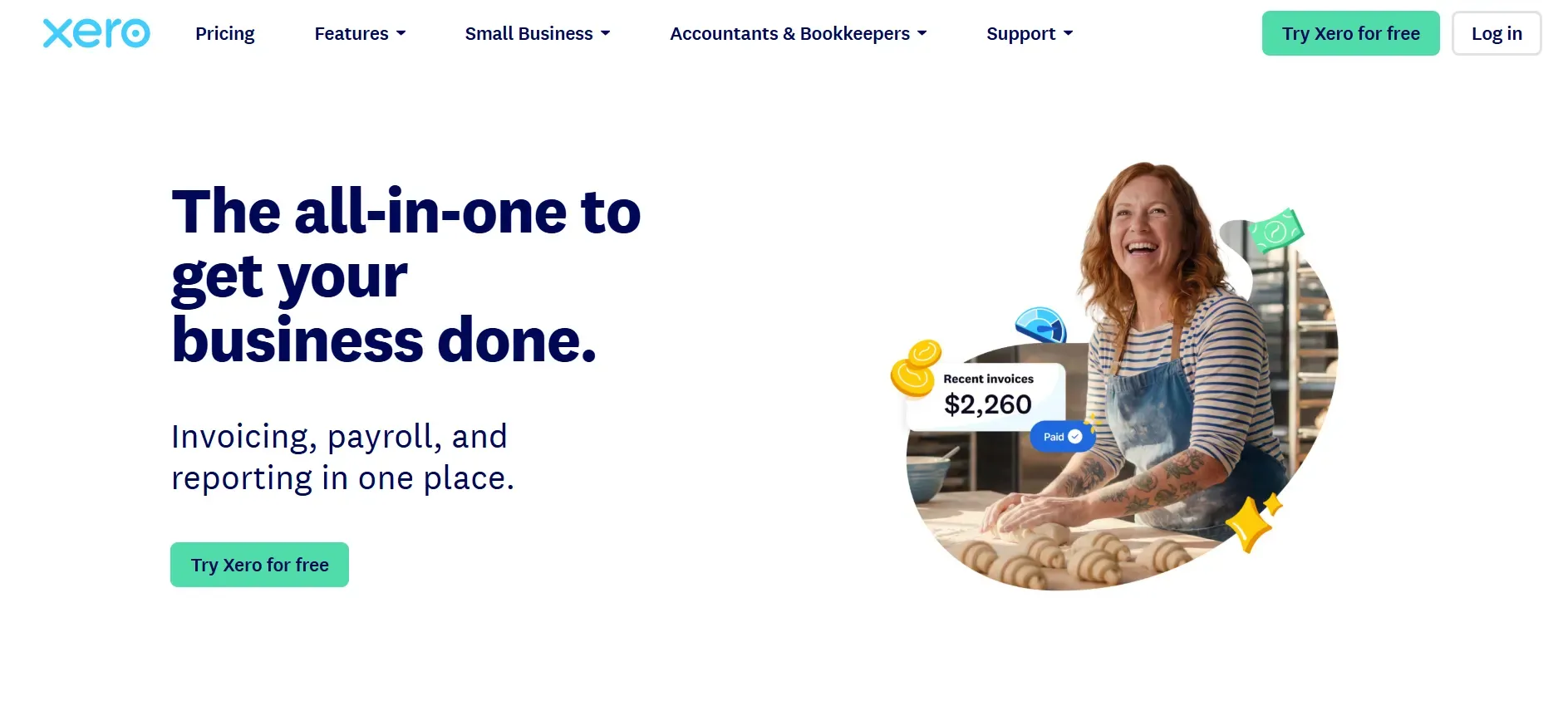
Xero is a cloud-first accounting platform known for a modern UI and strong multi-currency support. It is a favorite for global or multi-entity bookkeeping teams who need to collaborate across borders. Xero’s open API and extensive app marketplace (over 1,000 integrations) make it ideal for firms with complex needs or those who want to automate custom workflows.
Features & integrations: Xero offers real-time bank feeds, batch payments, recurring billing, payroll (in select regions), and built-in expense management. Its multi-currency handling is best-in-class, with automatic exchange rate updates and currency revaluation. Integrations cover eCommerce (Shopify, Amazon), payroll (Gusto, ADP), and reporting tools (Fathom, Spotlight Reporting). Xero also offers practice management features for accountants via Xero HQ.
Migration friction: Importing transactions, contacts, and chart of accounts is straightforward, but migrating attachments, custom templates, or workflow automations can require manual effort or third-party tools. Data export is possible but not always straightforward; for example, batch exporting all documents or replicating complex rule sets may not be possible via the UI and can require API scripting. For firms leaving Xero, be prepared for some manual rework or data normalization.
Real use cases: Xero shines for multi-currency firms, international agencies, and bookkeepers with distributed teams. Its collaborative workflow (unlimited users on all plans) is a major advantage for firms with shared client access. It is also popular with eCommerce businesses due to integrations with platforms like WooCommerce, Stripe, and PayPal.
- Best-in-class multi-currency support
- Unlimited users on all plans
- Large app marketplace and open API
- Entry-level plans restrict invoices and bills processed
- Some integrations and features require higher tiers
- Custom integrations require technical expertise
If you outgrow SaaS limits, a custom Devaims solution can be built for unlimited entities and integrations.
3. FreshBooks (Best for freelancers and small teams)
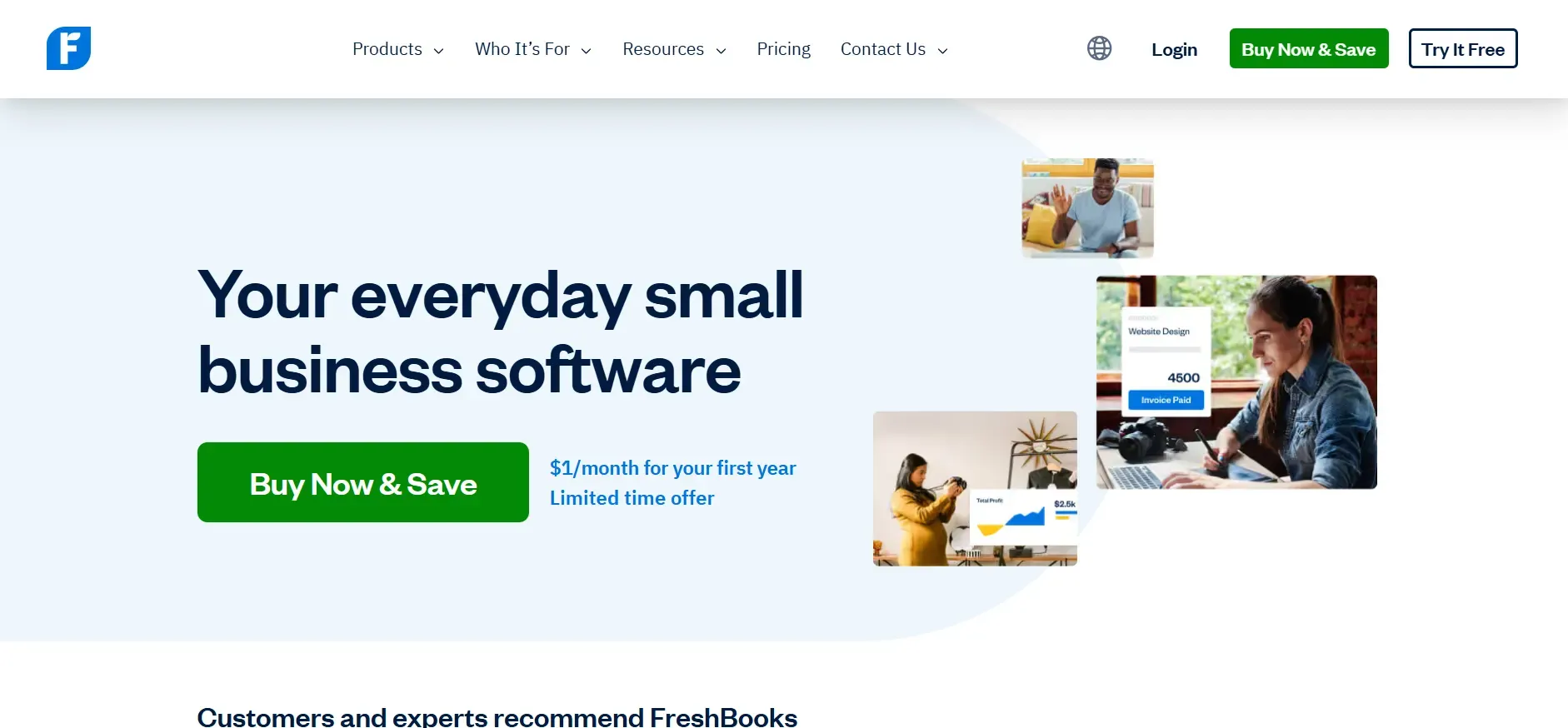
FreshBooks is designed for simplicity and ease of use. Its interface is intuitive, making it easy for solo bookkeepers, freelancers, and micro-businesses to start invoicing, tracking expenses, and billing clients without a steep learning curve. FreshBooks automates recurring invoices, late payment reminders, and basic time tracking, all within a streamlined dashboard.
Features & integrations: FreshBooks covers core bookkeeping: expense tracking, invoicing, simple project management, and time tracking. It integrates with payment gateways (Stripe, PayPal, Square), and connects to basic CRM and project management tools (Trello, Asana). Receipt capture is available via the mobile app, but bulk document imports or advanced approval workflows are limited.
Migration friction: Importing contacts and invoices is simple, but bringing over historical receipts, attachments, or detailed transaction categories can require manual entry. Exporting data out of FreshBooks is possible via CSV, but the platform does not support exporting all attachments or audit trails in one step. Firms looking to scale or migrate to a more advanced platform will need to plan for manual migration of certain data types.
Real use cases: FreshBooks is a fit for independent bookkeepers, consultants, or very small agencies who want to automate invoicing and expense capture without the complexity of full double-entry accounting. It is also popular among creative professionals and service providers who bill by the hour or project.
- Simple, intuitive interface
- Automated invoicing and reminders
- Ideal for freelancers and micro-businesses
- Client caps on lower plans
- Advanced features require higher tiers
- Limited integrations compared to larger platforms
With Devaims, you set your own client caps and feature list, no forced upgrades.
4. Botkeeper (Best for automation at scale)
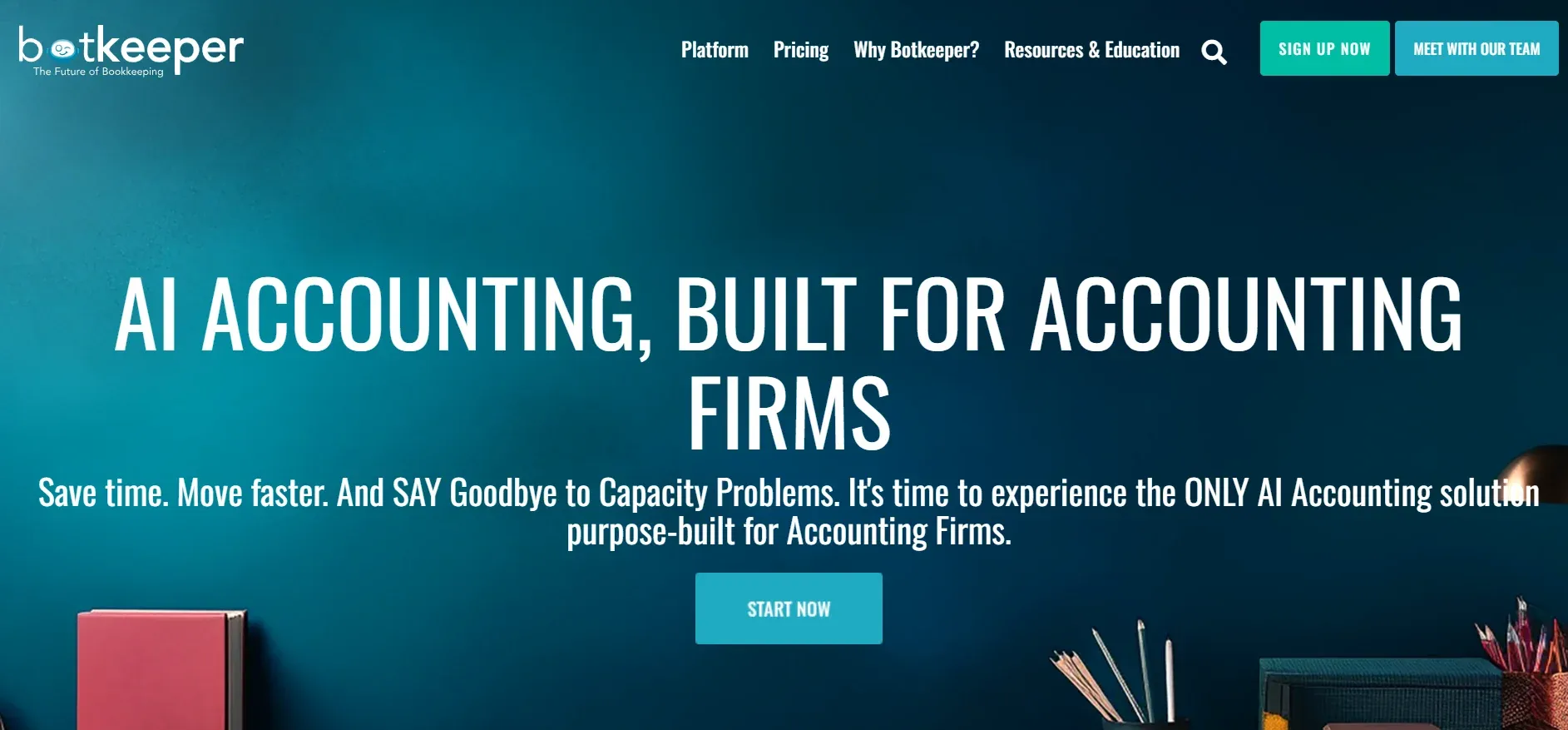
Botkeeper is marketed as an automated bookkeeping solution for CPA firms and larger businesses. It combines machine learning with human review, aiming to automate data entry, transaction categorization, and reconciliation at scale. Botkeeper’s platform is not a pure SaaS product, it is a managed service, blending proprietary software with dedicated accounting staff working behind the scenes.
Features & integrations: Botkeeper connects to your bank feeds, credit cards, and accounting software (QuickBooks, Xero). It offers automated categorization, document extraction (OCR), and real-time dashboards. The platform supports workflow automation for complex approval chains, customized reporting, and integrates with practice management tools. Botkeeper provides a client portal for document exchange and status tracking.
Migration friction: Botkeeper handles onboarding as a managed process, but clients must provide clean data exports from their previous systems. Migrating away from Botkeeper is less straightforward, as you do not have direct access to the underlying software. Data is exported in formats compatible with your next accounting platform, but custom automations and workflow logic do not transfer. The proprietary nature of Botkeeper’s automation means you are dependent on their support for changes or troubleshooting.
Real use cases: Botkeeper is a strong fit for CPA firms with 20+ clients, multi-entity businesses, or agencies that want to eliminate manual bookkeeping tasks without hiring in-house staff. Firms that value scale and automation but do not want to invest in custom software development often choose Botkeeper.
- Automates high-volume bookkeeping tasks
- Managed onboarding and support
- Scales for large CPA firms and agencies
- Opaque, custom pricing
- Limited data ownership and control
- Not ideal for small firms or those needing deep customization
If you want true data ownership and the ability to automate your own way, Devaims can build it for you.
5. Pilot (Best for startups wanting hands-off books)
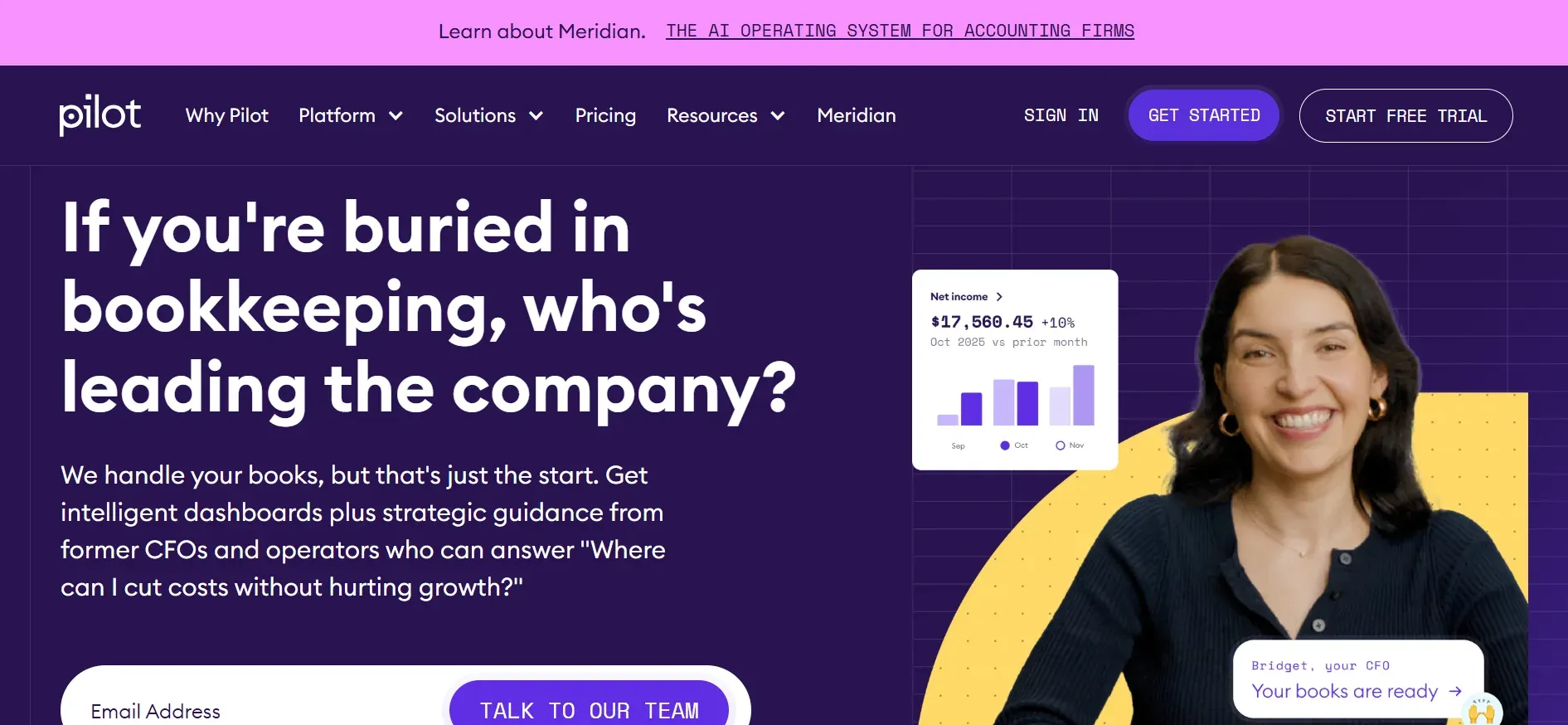
Pilot offers a premium, white-glove bookkeeping and CFO service for startups, SaaS companies, and venture-backed businesses. Pilot combines its proprietary software with a team of dedicated accountants and CFO advisors, providing a fully managed experience. Unlike Dext, which is a tool, Pilot is a service-first solution, clients rarely interact with the underlying software directly.
Features & integrations: Pilot handles monthly bookkeeping, financial statements, payroll (via Gusto or Rippling), bill pay, and tax prep. Its software integrates with major banks, credit cards, and accounting platforms (QuickBooks, Xero). Pilot also offers specialized support for SaaS metrics (MRR, ARR, churn) and industry-specific compliance. CFO and tax services are available as add-ons.
Migration friction: Onboarding is white-glove: Pilot’s team will help extract data from your previous systems, but you do not receive direct access to the proprietary bookkeeping platform. Should you leave Pilot, they provide standard exports (CSV, PDF) of your financials, but workflow automations and custom configuration are not portable. You are locked into their process and cadence.
Real use cases: Pilot is ideal for startups who want to outsource all bookkeeping, compliance, and reporting, freeing founders to focus on growth. It is especially popular with fast-scaling SaaS companies, VC-backed firms, and organizations with complex cap tables or investor reporting needs.
- Fully managed, hands-off service
- Dedicated accounting and CFO support
- Specialized for startups and SaaS firms
- High starting price and costs scale with complexity
- Minimal workflow control or customization
- Data and process lock-in
6. Bench (Best for small business full-service)
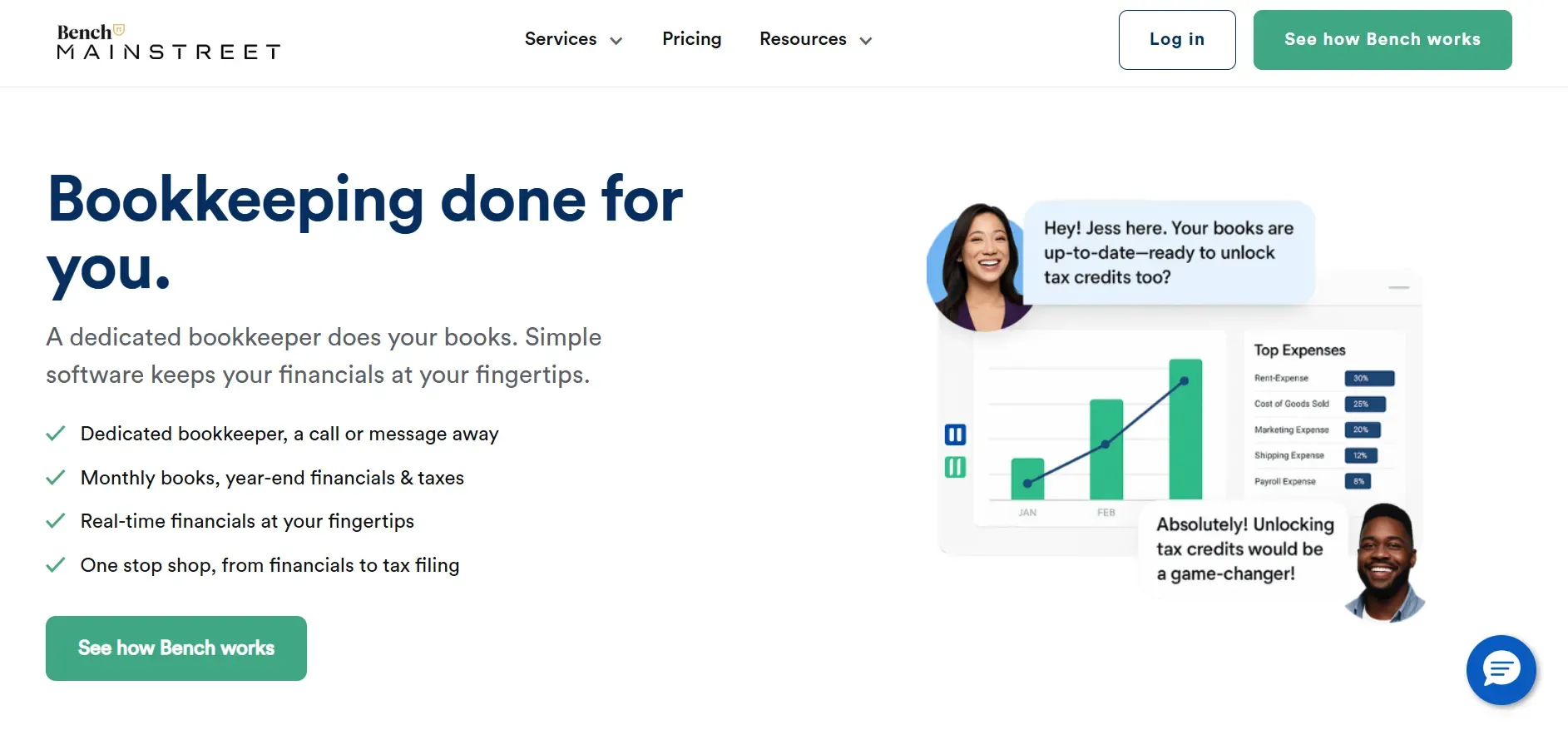
Bench offers a hybrid solution: its own cloud bookkeeping software paired with dedicated human bookkeepers. Bench is focused on small businesses and entrepreneurs who want to outsource bookkeeping but retain some visibility via a modern dashboard. Bench’s software is proprietary and not directly accessible for customization.
Features & integrations: Bench covers transaction reconciliation, expense categorization, and monthly financial statements. It connects to major banks via Plaid and supports document uploads for receipts and invoices. Tax prep and filing are available as add-ons. Bench offers a simple reporting dashboard but does not support custom reporting or advanced analytics.
Migration friction: Bench’s team migrates your data as part of onboarding, but you do not have direct export access to all raw data or attachments. If you want to leave Bench, you can request standard exports (PDFs of reports, CSVs of transactions), but detailed workflows, approval chains, or notes do not transfer. Integrations are limited to what Bench supports natively.
Real use cases: Bench is a fit for small businesses, solopreneurs, and startups who want to outsource bookkeeping without hiring in-house. It is particularly popular with service businesses, agencies, and consultants who value simplicity and hands-off operations.
- Dedicated bookkeeping team
- Simple dashboard for visibility
- Ideal for small businesses and solopreneurs
- Limited customization and reporting
- Data extraction can be tedious
- Locked into Bench's workflow and platform
With Devaims, you own the workflow and can expand reporting as your business grows.
7. Synder (Best for eCommerce integration)
Synder specializes in syncing eCommerce transactions from platforms like Shopify, Amazon, Etsy, Stripe, and PayPal directly to your accounting stack (QuickBooks, Xero). It automates the import, categorization, and reconciliation of high-volume, multi-channel transactions, making it a favorite for online sellers and agencies managing eCommerce clients.
Features & integrations: Synder supports granular transaction mapping, multi-currency conversion, tax tracking, and automatic invoice creation. It offers reconciliation tools for payment processor payouts, handles historical data imports, and provides real-time dashboards. Integrations include Shopify, Amazon, eBay, WooCommerce, and major payment gateways. Synder’s rules engine allows for custom categorization and mapping, but deep customization may require technical setup.
Migration friction: Synder can import historical eCommerce data, but moving away from Synder can be challenging if your accounting platform does not natively support the same integrations. Data is exportable in standard formats, but custom rules and mappings are not portable to other platforms. Integrating Synder with existing accounting stacks may require adjusting workflows or manual reconciliation for edge cases.
Real use cases: Synder is a strong fit for eCommerce businesses, accounting firms with multiple online seller clients, and agencies managing high transaction volumes across multiple sales channels. It is also valuable for firms dealing with complex sales tax or multi-currency challenges.
- Powerful eCommerce integrations
- Automates multi-channel reconciliation
- Supports multi-currency and tax tracking
- Recurring monthly cost on top of accounting platform
- Setup can be complex for advanced workflows
- Some features gated behind higher-tier plans
8. Gusto (Best for payroll and HR add-ons)
Gusto is a leading payroll and HR platform that integrates with most popular accounting tools, including QuickBooks, Xero, and Dext. Gusto automates payroll runs, tax filings, benefits administration, and onboarding, helping bookkeepers and small businesses streamline compliance and reduce manual effort.
Features & integrations: Gusto covers payroll automation, benefits enrollment, employee onboarding, time-off tracking, and compliance reporting. It integrates with accounting platforms, time tracking tools (TSheets, Homebase), and HRIS systems. Gusto’s API enables custom integrations for advanced workflows or large organizations.
Migration friction: Onboarding to Gusto is guided, and importing employee data is straightforward. Migrating away from Gusto involves exporting payroll reports, employee records, and tax filings, but some historical data (like benefits elections or prior pay runs) may require manual extraction. Integrating Gusto with your accounting stack is generally smooth, but syncing errors can occur if platforms are not properly mapped.
Real use cases: Gusto is best for small-to-medium businesses, agencies, and bookkeepers managing payroll and HR compliance for clients. It is especially valuable for firms with distributed teams or those needing to automate benefits and tax filings in multiple states.
- Automates payroll and compliance
- Integrates with major accounting platforms
- Streamlines HR for small businesses
- Per-user fees escalate with team growth
- Advanced features require higher-tier plans or add-ons
- Not a full bookkeeping solution, must be paired with accounting software
9. Devaims (Best for owning your bookkeeping system)
Devaims builds custom bookkeeping software that you own outright. Unlike every other option here, you receive all the source code, full data control, and a workflow designed around your exact needs. There are no per-user, per-transaction, or per-feature fees, just a one-time build, then flat maintenance. Devaims works with you to define your requirements, integrate with your banks, payroll, and eCommerce platforms, and build custom reporting and automation tailored to your process. You own the system, control your data, and can scale as you grow without penalty.
- Full ownership of code, data, and workflow
- Custom integrations and reporting to fit your needs
- No per-user or per-feature fees, just predictable costs
With Devaims, you avoid recurring SaaS fees and own your platform for the long term.
Other Dext (Receipt Bank) alternatives worth knowing
- Hubdoc: Now owned by Xero, Hubdoc automates document capture and data extraction. It is tightly integrated with Xero and QuickBooks, but is no longer offered as a standalone product for new users in many regions. Existing users benefit from automated fetches from banks and utilities, but migration options are limited.
- Karbon: A practice management suite for accounting firms, Karbon supports workflow automation, team collaboration, and client communication. While not a full bookkeeping platform, it integrates with Xero and QuickBooks to automate task management and document requests.
- ShoeBoxed: A niche player focused on converting physical receipts into digital records via mail-in envelopes. Useful for firms with large volumes of paper receipts, but lacks end-to-end bookkeeping features or deep integrations.
- Zoho Books: A rising SaaS competitor offering affordable plans, automation, and strong integrations with the Zoho ecosystem. It is a good fit for small businesses already using Zoho apps.
- Wave: Offers free invoicing and basic bookkeeping for micro-businesses, but lacks advanced receipt automation and multi-user features.
How to choose the right Dext (Receipt Bank) alternative
- By budget: Solo bookkeepers may prefer FreshBooks, Xero, or Wave for their low entry costs, but as you add users or clients, costs climb quickly. Agencies or multi-entity firms should run a five-year total cost analysis before committing.
- By workflow: If you want to fully outsource, Bench or Pilot provide end-to-end service. If automation is critical, Botkeeper or Synder stand out. For custom approval chains, multi-entity compliance, or unique reporting, only a custom build (Devaims) can guarantee fit.
- By data ownership: Only Devaims gives you the code and data outright, every SaaS tool is rented, with varying degrees of exportability and lock-in. If you need to meet strict compliance or want to future-proof your workflow, ownership matters.
- By vertical: eCommerce firms benefit from Synder’s integrations. Payroll-heavy businesses should consider Gusto. Multi-entity or multi-currency operations are best served by Xero or a custom Devaims build that supports unlimited scaling.
When you want to stop paying for the same features every month, it is time to consider owning your stack.
Stop paying rent on software you could own
Here’s the uncomfortable truth: every Dext (Receipt Bank) alternative above is rented software. The more you grow, the more you pay, per user, per transaction, per feature. It never ends. With Devaims, you swap monthly rent for a one-time build, own the code, and keep your data forever.
Devaims is a custom software partner that builds the exact bookkeeping platform your business needs. You get the source code, full ownership, and a workflow tailored to your process, no more forced upgrades, per-user fees, or data lock-in.
- Per-unit fees gone: Add as many users or clients as you want, no extra cost. Scaling your team or onboarding new clients does not increase your software bill.
- No forced upgrades: Every feature is designed for your needs, not a generic market. You define the roadmap, set the feature set, and avoid paying for unwanted extras.
- Your data, your rules: Export, analyze, and integrate any way you want. No more worrying about vendor lock-in, limited export formats, or sudden changes in data access policies.
- Flat, predictable costs: One-time build, low ongoing maintenance, no surprises. Over five years, ownership becomes the clear financial winner for most multi-user firms.
| Tool | Ownership | Users included | 5-year cost model |
|---|---|---|---|
| QuickBooks Online | Rented | 1-25 (per-user fees after) | Monthly, add-ons extra |
| Xero | Rented | 1-20 (plan limits) | Monthly, add-ons extra |
| Bench | Rented | Fixed (service-based) | Monthly, scales with complexity |
| Devaims (owned) | You own it | Unlimited | One-time build, flat maintenance |
| Year | Rented (cumulative) | Owned (cumulative) |
|---|---|---|
| 1 | $6,000 | $32,400 |
| 2 | $12,000 | $34,800 |
| 3 | $18,000 | $37,200 |
| 4 | $24,000 | $39,600 |
| 5 | $30,000 | $42,000 |
If your bookkeeping operation spends $500 a month on SaaS (QuickBooks + Dext + payroll + add-ons), that’s $6,000 per year, $30,000 over five years, and you still rent. With Devaims, after a one-time build (say $30,000) and low monthly maintenance ($200), you own the platform. Break-even comes just after year five, and every year after, ownership saves you more.
The biggest winners? Bookkeeping shops with 5 or more staff, multi-entity firms, or anyone tired of recurring fees and limited workflows. If you want to see how the math works for your operation, we’ll run your numbers for free, including a detailed breakdown of migration, custom features, and integrations.
How to switch from Dext (Receipt Bank)
- Export all your receipt, invoice, and user data from Dext in the most complete format available. Where possible, download original attachments and metadata to preserve audit trails.
- Analyze your workflow and choose a new tool or a custom build that fits your needs. Map your current processes, integrations, and reporting requirements to ensure nothing is missed.
- Import historical data into your new platform, mapping fields carefully. For custom builds, this includes recreating approval workflows, tags, and document relationships.
- Reconnect all necessary banking, payroll, and payment integrations. Test each integration to ensure data flows correctly and automate where possible.
- Train your team on the new workflows and software features. Provide documentation and support for a smooth transition.
- Test the system in parallel for at least one full cycle before full cutover. Run both systems side by side to catch discrepancies or missing data.
- Review and terminate your Dext contract once the migration is complete. Keep backups of your historical Dext data for compliance.
With a custom Devaims build, the migration is handled as part of the project, including data extraction, mapping, integration setup, and team training.
Frequently asked questions
What is the best Dext (Receipt Bank) alternative for full bookkeeping?
QuickBooks Online and Xero are the most popular full bookkeeping alternatives to Dext, offering more depth in accounting, better reporting, and broader integrations. They support double-entry bookkeeping, automated bank feeds, and scalable user access. For those who want full control, workflow customization, and true data ownership, Devaims is the only option on this list that gives you the code, the database, and the ability to evolve your stack as your business grows.
Which Dext (Receipt Bank) alternative is the cheapest?
Xero’s entry-tier plans start around $15/month, making it among the cheapest SaaS options for solo bookkeepers or very small businesses. However, these plans are limited by invoice/bill caps and lack advanced features. Over five years, a Devaims build can become the most cost-effective for larger teams, multi-entity firms, or those with complex needs, as SaaS costs escalate with users, clients, and add-ons.
Is there any free Dext (Receipt Bank) alternative?
There are no truly free alternatives that match Dext’s feature set, especially regarding receipt automation and multi-user support. Wave offers free invoicing and basic bookkeeping for micro-businesses, but lacks receipt automation, approval workflows, and deep integrations. Open-source tools exist (such as Akaunting), but require technical setup and do not match Dext’s automation out of the box.
What’s the best alternative for eCommerce bookkeeping?
Synder is excellent for eCommerce integrations, syncing transactions from Shopify, Amazon, PayPal, and Stripe directly to your accounting stack. It automates reconciliation, tax tracking, and supports multi-channel, multi-currency workflows. For firms with highly customized eCommerce needs, a custom Devaims build can integrate directly with store APIs and payment processors for bespoke reporting and automation.
Can I keep my data if I switch from Dext?
You can export your data from Dext, but formats may be limited and some metadata (tags, approval history, attachments) may not transfer cleanly. Only a Devaims-owned solution gives you the codebase and database schema, so you never lose access or control. For compliance, audit, or reporting needs, this level of ownership is critical.
When is it worth building custom software instead of paying SaaS?
If your monthly SaaS costs are over $400, or your workflow is unique and not well-served by off-the-shelf tools, ownership starts to make sense. The five-year math is critical: if your cumulative SaaS spend will exceed a one-time build (plus low maintenance), Devaims is the smarter play. Ownership also makes sense if you need full control over integrations, compliance, or want to future-proof your stack against vendor changes or price hikes.
How hard is it to migrate from Dext (Receipt Bank) to an owned platform?
The migration process takes planning and technical know-how, but with Devaims it’s handled as part of the build. This includes data extraction (receipts, users, workflows), mapping to your new system, setting up all integrations, and training your team. Testing and validation are included to ensure no data or process gaps. Firms with complex historical data or compliance requirements benefit from a managed migration approach.
The bottom line
QuickBooks, Xero, and Bench are solid Dext (Receipt Bank) alternatives, but every SaaS tool keeps you paying rent. Devaims is the only partner here that lets you own your bookkeeping platform and your future costs.
Add up your five-year SaaS spend. If it’s enough to have built your own system, you already have your answer: renting never stops, but ownership pays off. The right alternative is the one that fits your workflow, budget, and appetite for control. For bookkeepers serious about long-term margins, compliance, and workflow flexibility, ownership is the future.
See more on the Devaims blog, or check out our other guides: QuickBooks Online alternatives, Xero alternatives, and Bench alternatives.