



You start out handling books with Synder because it plugs in fast. But after a year, you are staring at an invoice that is double what you expected. Every new client, account, or feature piles on another fee. That auto-sync you needed? It is locked behind a higher tier. And exporting your own data can feel like pulling teeth.
If you have hit your ceiling with Synder, you are not alone. QuickBooks Online, Xero, FreshBooks, and more promise a smoother ride, but each has its own fine print. Here is an honest look at the 9 best Synder alternatives for bookkeeping services in 2026, what each really fixes (and what it does not), and why owning with Devaims is the only way to break the rent-for-life cycle.
Ready to see what happens when you own your own bookkeeping system? Scroll to the end for the math.
Why bookkeeping services look for Synder alternatives
Stacked fees add up quickly: What starts as a manageable monthly cost balloons with every client, integration, or extra sync. Most SaaS bookkeeping solutions, including Synder, use a pricing model that charges for each user, client, or feature. While this looks affordable at first, it gets expensive as your business grows. For a firm with dozens or hundreds of clients, these fees can quickly outpace the value you get from automation.
Locked-in features: Essential automations, bulk exports, or reporting are often paywalled behind higher plans. For example, Synder’s batch transaction sync or advanced reconciliation options are only available on premium tiers. This can force you to upgrade just to access a feature you need for efficiency or compliance, even if you do not need the rest of the higher plan’s features.
Data portability is limited: Getting your data out for a migration or audit can be tedious or incomplete. Some platforms restrict exports to basic reports or CSVs, and often, data like custom fields, automation rules, or integration mappings are not included. This makes it hard to switch providers without losing historical context or having to manually rebuild workflows.
Scaling is expensive: Adding users, accounts, or new service lines can kick you into a pricier tier or trigger per-unit pricing. As you expand your team or client list, your monthly bill can double or triple, sometimes with little warning. This unpredictability makes long-term budgeting difficult and can eat into your margins, especially if you run a high-volume or fast-growing bookkeeping firm.
Vendor lock-in risk: Moving platforms risks losing workflow automations and historical data. Most cloud bookkeeping tools use proprietary data models and integration systems, so migrating can mean losing automations, having to retrain your team, and dealing with incomplete data transfers. That is why so many search for Synder alternatives, to gain more control and flexibility.
Quick comparison of the best Synder alternatives
| Tool | Best for | Starting price | You own it? |
|---|---|---|---|
| QuickBooks Online | All-in-one small business | Reported $30/mo | No |
| Xero | Multi-currency & international | Reported $15/mo | No |
| FreshBooks | Service-based freelancers | Reported $17/mo | No |
| Botkeeper | AI-driven automation | Reported $155/mo | No |
| Pilot | VC-backed startups | Reported $499/mo | No |
| Bench | Hands-off bookkeeping | Reported $299/mo | No |
| Gusto | Payroll & HR | Reported $40/mo + $6/user | No |
| Hubdoc | Receipt & doc capture | Reported $12/mo | No |
| Devaims | Owning your platform | One-time build | One-time build, you own it |
Prices change quickly, so confirm current pricing before you decide. For deeper context on each tool, keep reading below.
The 9 best Synder alternatives
1. QuickBooks Online (All-in-one small business)
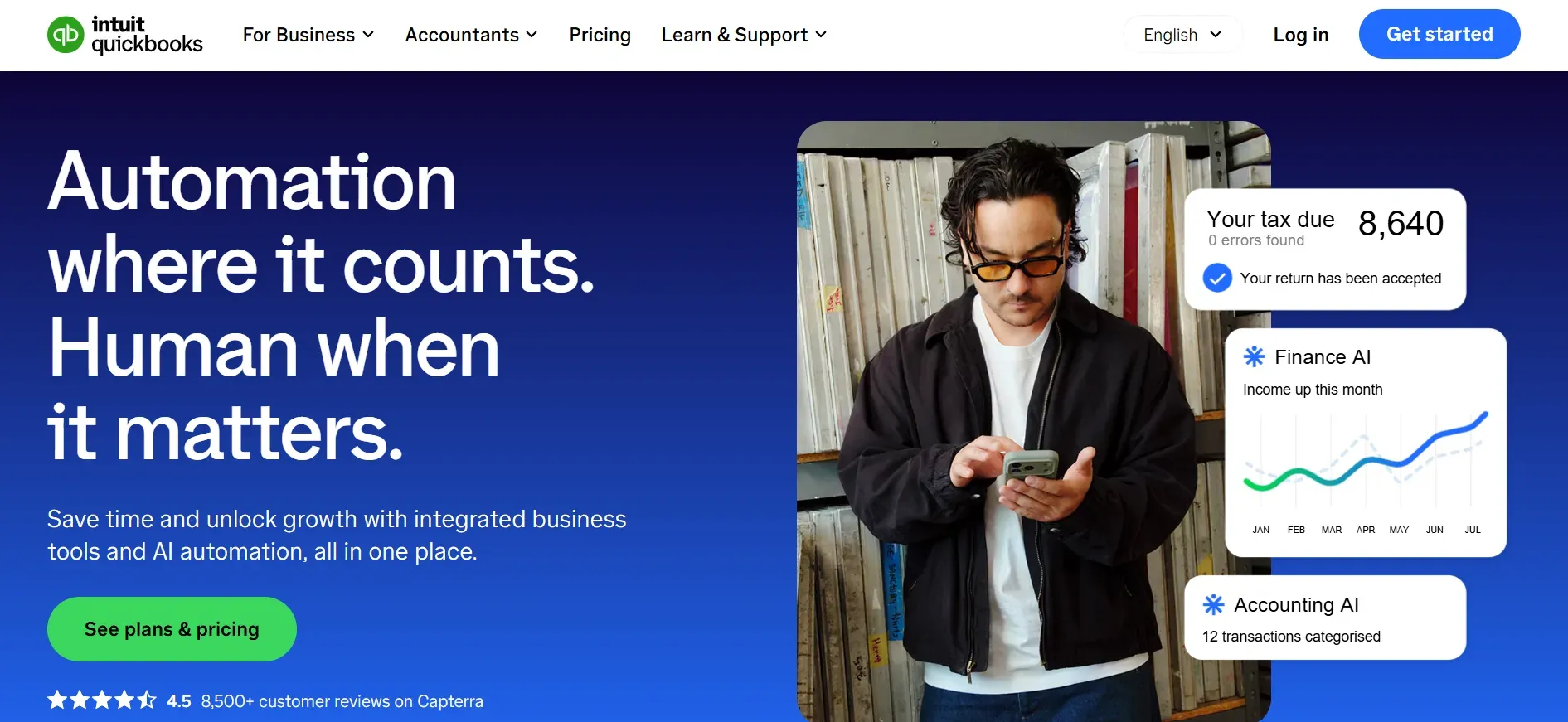
QuickBooks Online is the flagship accounting platform for small businesses and bookkeeping services in the US and beyond. It offers a robust suite: general ledger, invoicing, expense tracking, reporting, and tax prep. QuickBooks Online integrates with hundreds of third-party apps (like Stripe, Shopify, PayPal, Gusto, Bill.com) and most major banks. It is often the first upgrade Synder users consider for a more comprehensive, all-in-one experience.
Pricing: Starts at $30/month, with higher tiers for advanced features and add-ons.
- Comprehensive feature set for SMBs
- Large integration ecosystem
- Familiar interface for clients and staff
- Per-user and per-company pricing increases costs as you scale
- Advanced features locked behind higher tiers
- Custom automation limited to app store or third-party tools
If you had a system built for you, you would never face a surprise fee for adding staff.
2. Xero (Multi-currency & international)
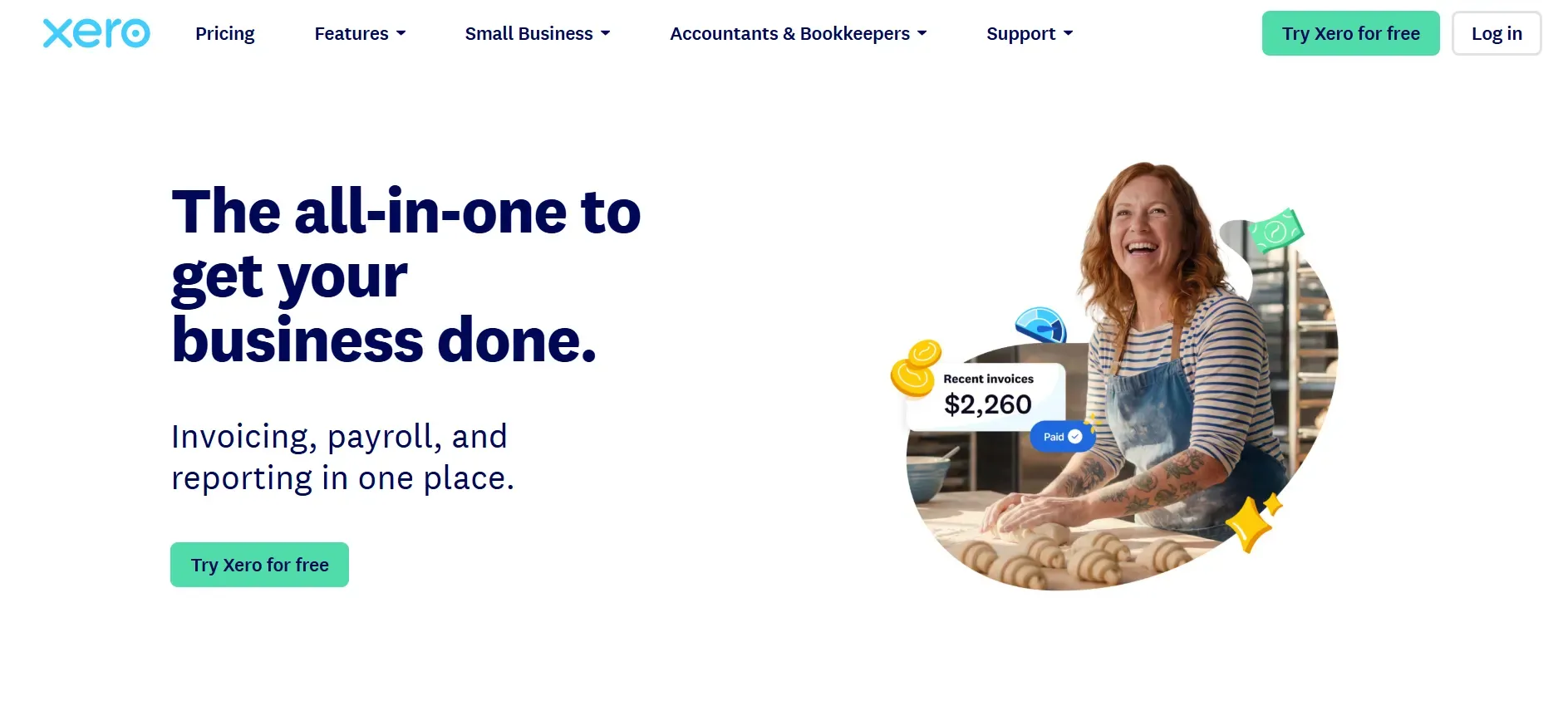
Xero is a favorite among firms with global clients or those who handle multi-currency transactions. Xero is cloud-native, with a clean UI and a reputation for reliable automation. It is popular in the UK, Australia, New Zealand, and increasingly in North America.
Pricing: Starts at $15/month, with additional fees for payroll and advanced analytics.
- Excellent multi-currency support
- Open API for custom integrations
- Modern automation and reporting
- Entry-level plan limits invoices and bills
- Some automations require add-ons or higher plans
- Full data export can be complex for custom fields
With custom software, you decide which automations are built in, not paywalled.
3. FreshBooks (Service-based freelancers)
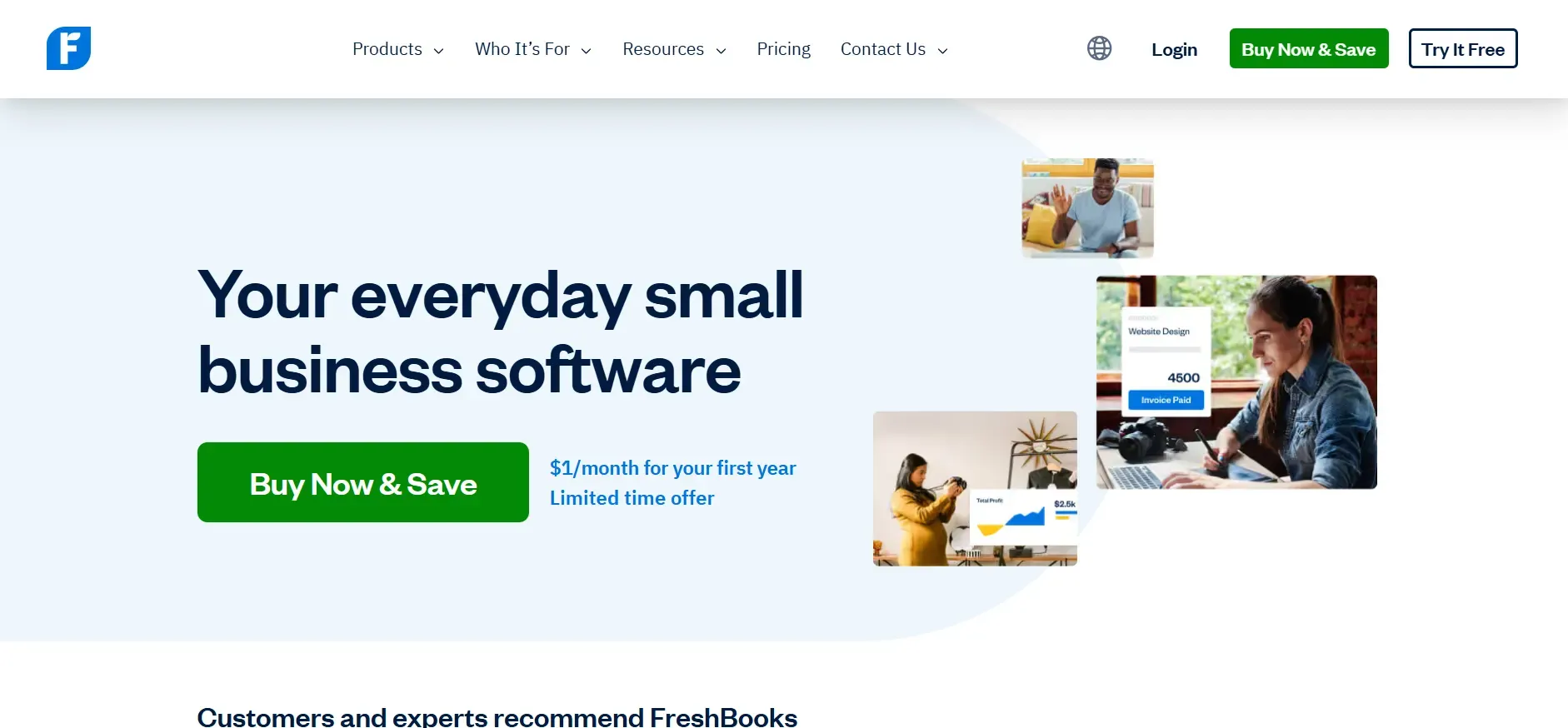
FreshBooks is designed for service providers, freelancers, and small agencies. Its focus is on easy time tracking, invoicing, and client management. FreshBooks is often chosen by Synder users who want a more approachable, less accounting-heavy interface.
Pricing: Starts at $17/month, with client limits on lower plans and add-ons for advanced features.
- User-friendly interface
- Easy time tracking and invoicing
- Good for solo and small teams
- Strict client limits on lower plans
- Advanced features require higher tiers
- Limited data export and batch automation
On a Devaims-built platform, client limits do not exist, your system grows with you.
4. Botkeeper (AI-driven automation)
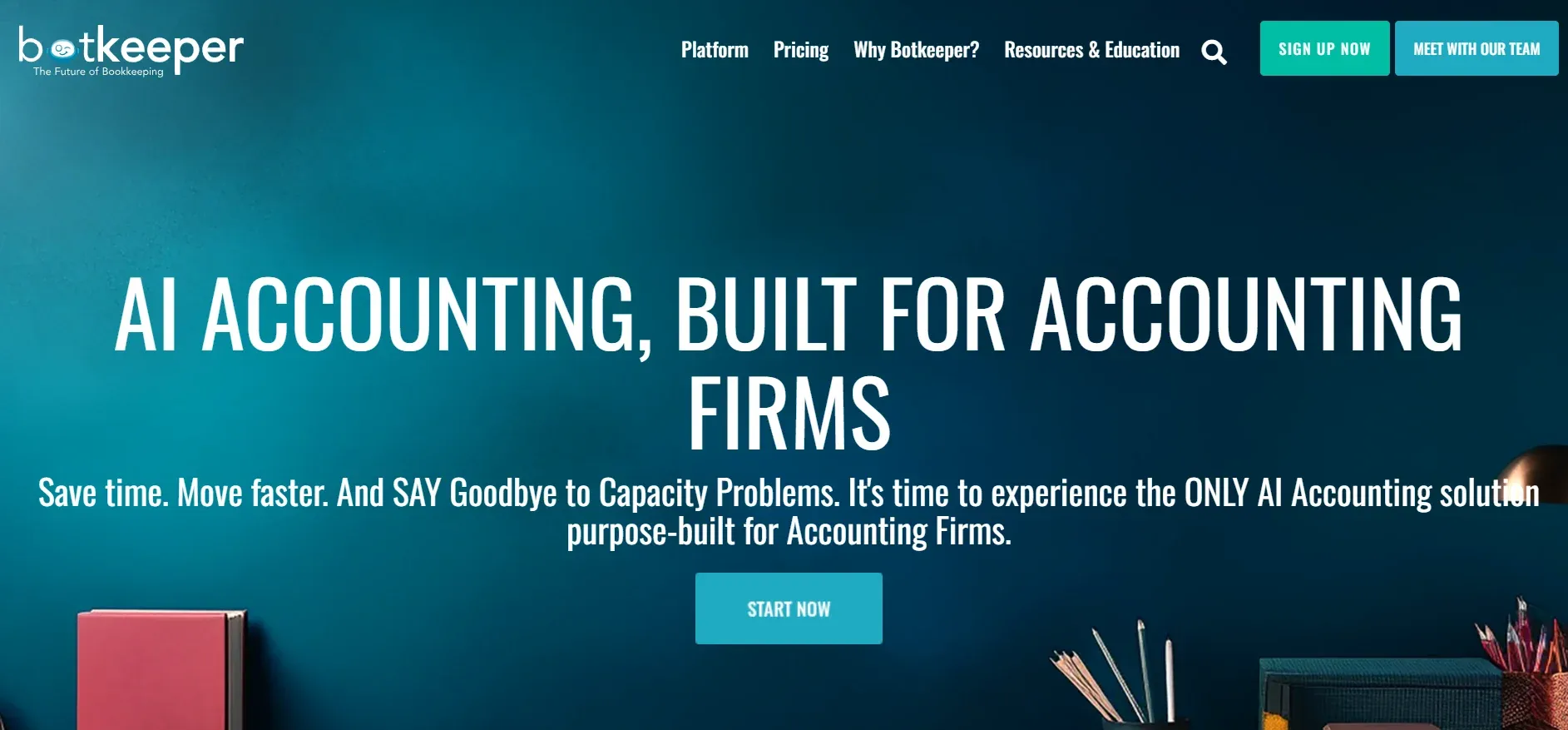
Botkeeper is targeted at accounting and bookkeeping firms that want to automate as much as possible using machine learning and AI. Unlike Synder, which focuses on transaction sync, Botkeeper aims to replace much of the manual data entry and categorization work by combining AI with human oversight.
Pricing: Starts at $155/month, with costs increasing by client volume and customization.
- Advanced automation for repetitive tasks
- White-label options for firms
- Handles multi-entity setups
- Higher pricing than most tools
- Manual review needed for unusual transactions
- Platform and automations not owned by you
5. Pilot (VC-backed startups)
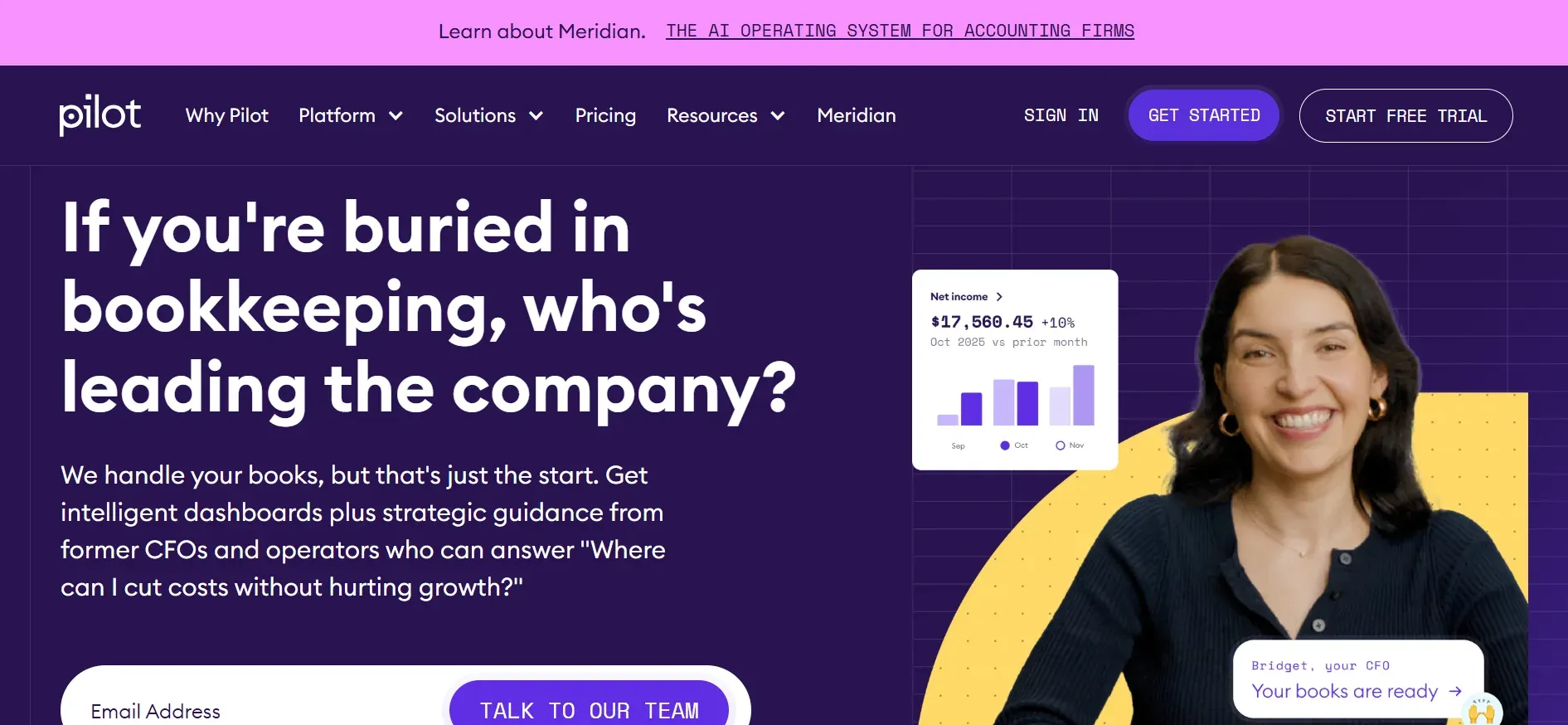
Pilot is a full-service bookkeeping and CFO solution aimed at venture-backed startups and SaaS firms. It combines software with a team of expert bookkeepers and finance professionals, handling everything from bookkeeping to R&D tax credits and fundraising support.
Pricing: Starts at $499/month, with additional fees for CFO, tax, and advisory services.
- Comprehensive service for startups
- Expert support and advisory
- Handles complex compliance and reporting
- High entry price and add-on fees
- Limited self-service and customization
- Workflow automations not portable if you leave
6. Bench (Hands-off bookkeeping)
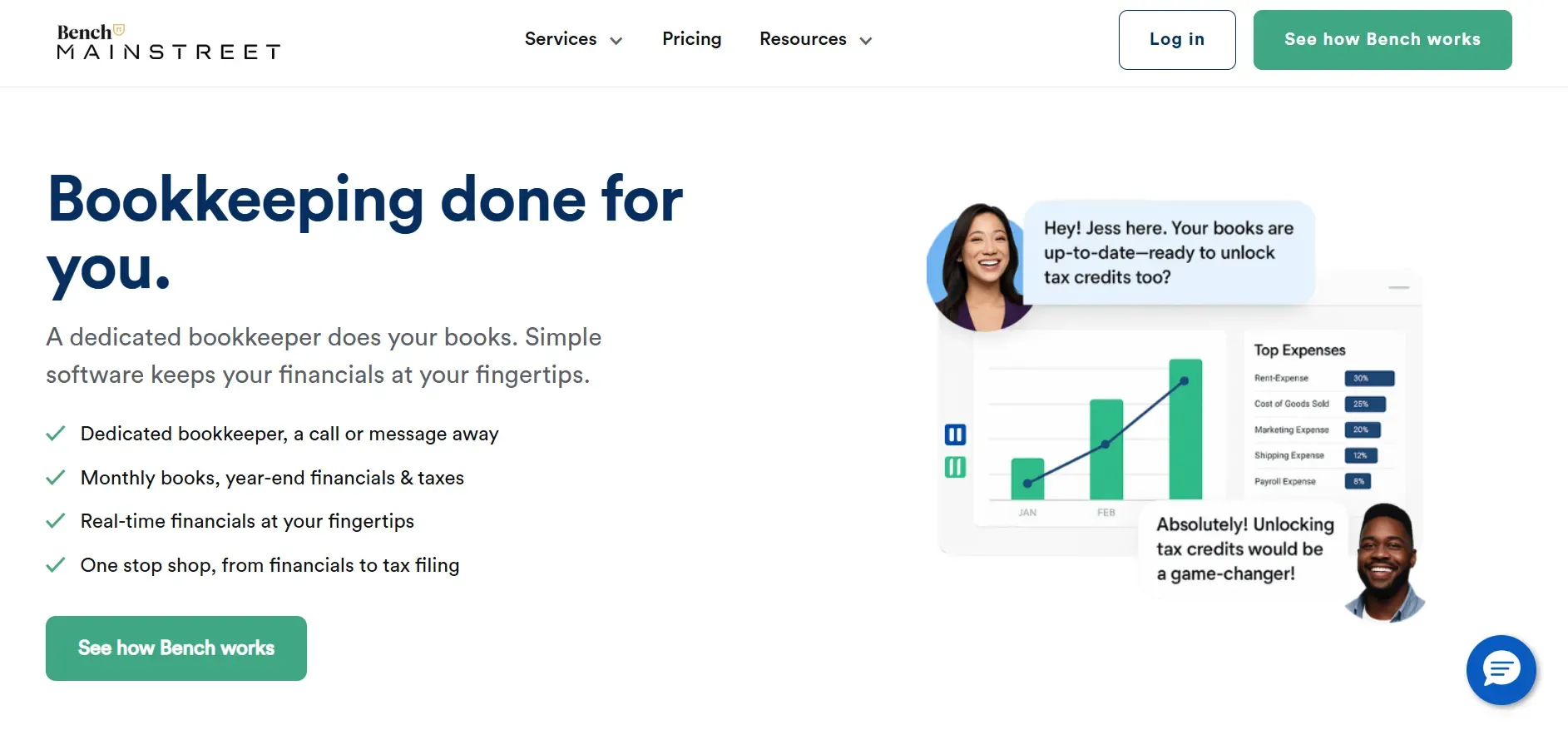
Bench offers a blend of software and human bookkeepers, promising a totally hands-off experience for busy entrepreneurs and firms. Bench is best known for its simple dashboard and white-glove support, making it a go-to for firms that want to outsource all bookkeeping tasks.
Pricing: Starts at $299/month, with catch-up bookkeeping and tax support as add-ons.
- Hands-off, white-glove service
- Dedicated bookkeeper support
- Simple, visual dashboard
- Customization is limited
- Data export restricted to standard reports
- Not suitable for deep integration or workflow ownership
7. Gusto (Payroll & HR)
Gusto is a payroll-first platform with growing HR and benefits features. While not a full bookkeeping solution, Gusto is often layered with Synder or QuickBooks by firms needing simplified payroll, compliance, and onboarding for employees or contractors.
Pricing: Starts at $40/month plus $6 per user, with additional fees for benefits administration.
- Automated payroll and tax filings
- Easy onboarding and compliance
- Integrates with major accounting tools
- Per-employee fees add up quickly
- Not a full accounting suite
- Custom workflows limited to API capabilities
8. Hubdoc (Receipt & doc capture)
Hubdoc specializes in automating document and receipt capture, essential for audit trails, compliance, and efficient bookkeeping. While Synder offers some document management, Hubdoc is more advanced and integrates with multiple accounting platforms.
Pricing: Starts at $12/month, with unlimited document capture for most plans.
- Automated document fetching and OCR
- Centralized document management
- Integrates with Xero and QuickBooks
- Not a full bookkeeping solution
- Export formats and metadata can be limited
- Dependent on integration with other platforms
With Devaims, AP/AR logic is custom-fit to your workflow, not shoehorned in.
9. Devaims (Owning your platform)
Devaims builds custom bookkeeping and business platforms you own outright, designed for your exact workflows. No per-user, per-client, or per-feature fees. Unlike every option above, you keep the source code and control the roadmap forever.
- Every feature tailored to your needs
- Unlimited integrations and export formats
- You own the code, data, and future of your platform
Other Synder alternatives worth knowing
- Dext (formerly Receipt Bank): Great for automated expense capture, but not a full bookkeeping suite. Best as an add-on for document and expense management. Integrates with Xero and QuickBooks but charges per-client fees.
- Karbon: Strong for workflow and practice management, but not a ledger tool itself. Useful for managing client tasks, deadlines, and internal communication. Integrates with email and major bookkeeping tools.
- Zoho Books: A growing all-in-one alternative, especially for existing Zoho users. Offers strong automation and affordable pricing, but some features are region-specific and the ecosystem is smaller than Xero or QuickBooks.
- Wave: Free for basic needs, but limited in automation and scalability. Best for solo practitioners or firms just starting out. Offers invoicing, payments, and basic reporting, but lacks advanced features and integrations.
How to choose the right Synder alternative
- Budget: Calculate your true monthly bill after add-ons, users, and integrations. Many platforms have hidden fees (per user, per client, per export, or for key automations). Consider how your costs will change as you grow.
- Workflow fit: List the automations and reports you cannot live without, do not compromise here. If you need specific workflows (multi-entity, industry compliance, bulk imports), make sure your chosen platform supports them natively or via integration.
- Scalability: Will your costs explode as you add clients or staff? Look for clear pricing models and ask vendors for five-year total cost estimates based on your growth projections.
- Data ownership: If you need control over your data, consider custom-built or open platforms. Check what you can export, how easy it is to migrate, and who owns custom automations or integrations you build.
- Vertical focus: SaaS and VC-backed startups may need Pilot; international shops may prefer Xero. Firms focused on compliance, document automation, or industry-specific needs may require a custom solution from Devaims.
If you are tired of compromises and recurring surprises, owning your platform with Devaims is the exit ramp. For more on evaluating platforms, see G2’s accounting software reviews and Capterra’s Synder alternatives.
Stop paying rent on software you could own
Here is the truth: every Synder alternative above, no matter how slick, keeps you renting. Per-user, per-client, per-export fees. Surprise price hikes. Paywalls on the automations you need. You get the platform they built, on their terms, for as long as you keep paying. This means you are always dependent on a vendor’s roadmap and pricing decisions, with limited ability to influence features or integrations.
Devaims is different. Devaims builds custom bookkeeping, web, and mobile platforms for bookkeeping services, then hands you the source code. No rental, no lock-in. You own it. That means your workflows, your data, your integrations, built and tuned for your business, not a generic template.
- No per-user or per-client pricing: Add as many clients, staff, or features as you want. Your cost never jumps unexpectedly.
- Custom automations and reports: If you dream it, Devaims builds it. No more "feature only on the $299 tier."
- Own your data and integrations: Migrate in, export out, and connect to whatever tools you want, whenever you want.
- Flat, predictable maintenance: No surprise bills. Updates, security, and support are handled on a fixed schedule.
| Tool | Ownership | Pricing model | Custom workflows? |
|---|---|---|---|
| QuickBooks Online | No | Subscription, per user | Limited |
| Xero | No | Subscription, by tier | Good, but gated |
| Botkeeper | No | Subscription, by scale | Some |
| Devaims | Yes | One-time build, flat maintenance | Fully custom |
| Year | Rented (cumulative) | Owned (cumulative) |
|---|---|---|
| Year 1 | $6,000 | $29,800 |
| Year 2 | $12,000 | $31,600 |
| Year 3 | $18,000 | $33,400 |
| Year 4 | $24,000 | $35,200 |
| Year 5 | $30,000 | $37,000 |
In this example, a bookkeeping service paying $500 a month for subscriptions and add-ons would spend $30,000 over five years renting, and still own nothing. With Devaims, you would pay $28,000 up front for a full-featured custom build, plus $150 per month maintenance. By year five, you own your platform and control your costs forever. The break-even point is just after year five, and after that, owning beats renting by a widening margin.
For firms with complex workflows, high staff count, or hundreds of clients, the numbers swing even further in favor of ownership. If you anticipate growing, adding new service lines, or building proprietary automation, the long-term savings and strategic control are significant.
Bookkeeping services with stable, repeatable workflows and a growing client list gain the most from ownership. If you expect to scale or want to retire fee surprises for good, it is time to own.
How to switch from Synder
- Export all your financial, transaction, and integration data from Synder (CSV, Excel, or via their API). Review which automations and custom fields you rely on, and note any limitations in the export formats.
- Choose your new platform or build provider, confirming feature match and migration support. Ask for references and case studies, and confirm they can map your existing workflows and integrations.
- Import your historical data into the new system, mapping each field carefully. Test for data integrity and completeness, especially with transaction details, reconciliation status, and attachments.
- Reconnect all payment processors, banks, and client portals. For platforms like QuickBooks or Xero, this usually means OAuth connections. For custom builds, work with your provider to set up secure API connections.
- Train your staff on the new workflows and automations. Provide documentation and run parallel processes for at least one accounting cycle to catch any gaps.
- Test everything in parallel for a full accounting cycle before decommissioning Synder. Validate reports, reconciliation, and automations. This avoids business disruption if issues arise.
- Review any remaining contracts or billing to avoid overlapping charges. Make sure to cancel Synder only after confirming all data and functionality are live in the new system.
With a custom Devaims build, the migration is handled as part of the project, including workflow mapping, data validation, and ongoing support.
Frequently asked questions
What is the best Synder alternative for bookkeeping services?
QuickBooks Online is a popular Synder alternative for bookkeeping services due to its broad feature set and integration ecosystem. It is widely supported and familiar to most accountants, making onboarding easier. Xero is a strong alternative for firms with international or multi-currency needs, while FreshBooks fits solo practitioners and service-based businesses. If you want to own your platform outright, Devaims is the only option that lets you keep the code, control the roadmap, and build exactly what your firm needs for the long haul.
Which Synder alternative is the cheapest?
Wave and Hubdoc both offer low-cost or even free plans, but they are limited in automation, reporting, and scalability. Xero and FreshBooks are affordable for small shops, but beware of add-on and per-client fees that can add up quickly as you grow. For firms with more than a handful of users or clients, the long-term cost of SaaS platforms often exceeds the up-front investment of a custom build from Devaims by year five.
Is there a free Synder alternative?
Wave offers free core bookkeeping, but it lacks advanced automation, multi-user support, and integration depth. It is best for new or very small firms. For professional bookkeeping services, free tools rarely offer the flexibility, compliance, or automation needed to serve multiple clients or scale beyond basic needs.
What is the best Synder alternative for international bookkeeping?
Xero stands out for multi-currency and international support, making it a better fit than Synder for global firms. Its daily exchange rates, multi-entity management, and compliance with international accounting standards are strong advantages. QuickBooks has some international features but is US-centric. If your needs are highly specialized or you want to own your data and workflows, Devaims can build custom internationalization, reporting, and compliance logic for your firm.
How does Devaims compare to rented bookkeeping tools?
Devaims delivers a platform you own, with no recurring per-user or per-client fees, no lock-in, and you keep the code. This means you control the roadmap, integrations, and feature set forever. Synder alternatives, even the best ones, keep you paying rent indefinitely and limit how much you can customize. With Devaims, your 5-year cost is predictable, your data is always accessible, and your automations are built for your business, not a generic template.
Can I keep my Synder data if I switch?
You can export most of your Synder data in CSV or Excel format for migration to other platforms. Transaction data, contacts, and basic reports usually transfer easily, but automations, custom fields, and integration mappings may need to be rebuilt. With Devaims, all your data is imported and mapped as part of the build process, including custom automations and workflow logic where possible. You get a migration plan, support, and validation to ensure nothing is lost.
When is it time to move away from Synder?
If your monthly costs keep rising, you need custom workflows, or you want to control your own data and automations, it is time to explore Synder alternatives. Triggers include hitting client or user limits, facing surprise bills for needed features, or wanting to automate processes Synder cannot support. Owning your system with Devaims puts you in control for good, letting you scale, automate, and adapt without vendor constraints.
The bottom line
Most bookkeeping services will cycle through a few Synder alternatives before realizing they are still renting. The real change happens when you own your platform: no lock-in, no fee surprises, and full control over automations, data, and integrations.
Add up your five-year software spend. If that number would have bought you a better, custom system, and left you with something to show for it, you already have your answer. Stop paying rent on software you could own.
For more real-world advice on owning your tech, visit the Devaims blog or check out our latest alternative guides: QuickBooks Online alternatives, Xero alternatives, and FreshBooks alternatives.