



Every urgent care operator knows the feeling: a busy Monday, the waiting room stacked, and your front desk team wrestling with Experity (Clockwise.MD) screens that always seem one step behind your workflow. You pay per-visit, per-provider, and for every add-on, but still can't get the custom report you need without another upsell. Five years in, you realize you’ve paid enough to buy the system outright, except you never will. Welcome to the SaaS hamster wheel.
If you’re searching for Experity (Clockwise.MD) alternatives, you’re not alone. Athenahealth, NextGen, and eClinicalWorks all promise more features, but you’re still renting. The real shift? Owning your workflow, data, and future. That’s where a custom Devaims build breaks the cycle. Let’s unpack your options, and why the smartest urgent care operators are making the ownership switch.
Why urgent care centers look for Experity (Clockwise.MD) alternatives
Per-visit fees stack up fast: Experity’s pricing often means every patient interaction carries a cost. For a clinic seeing 30 patients a day, even a modest per-visit fee quickly snowballs. Over a year, these incremental charges can rival the salary of a staff member. Operators often realize too late that their software “rent” is their second or third largest expense.
Locked-in contracts and little leverage: Experity, like many SaaS vendors, typically requires long-term contracts, often 24 to 36 months. Early termination can mean steep penalties or data export fees. This lock-in limits your ability to negotiate or push for critical improvements. Even if your needs evolve, you may be stuck waiting for the next renewal window.
Add-ons for basic features: Essential tools such as custom forms, detailed analytics, or new integrations often trigger additional charges. Need a new lab integration or want to automate a reporting workflow? Prepare for either a “professional services” fee or a forced upgrade to a higher tier. For fast-moving urgent care businesses, this reactive pricing model is frustrating and unpredictable.
Workflow bottlenecks: Most SaaS platforms build for the broadest possible audience. That means you end up working around the software, adapting intake, triage, or billing processes to fit the vendor’s defaults. Customizations are typically limited to what’s on the vendor’s development roadmap, which may never align with your urgent care’s real-world needs.
You never own what you build: Years of fee payments mean you’ve bankrolled the vendor’s platform, but you still don’t control the code, data, or workflow. Customizations and integrations stay with the system, not your business. If you leave, you may lose access to critical historical data or have to start costly migrations from scratch.
Quick comparison of the best Experity (Clockwise.MD) alternatives
| Tool | Best for | Starting price | You own it? |
|---|---|---|---|
| Kareo (Tebra) | Multi-location practices | Reported $125+/provider/mo | No, subscription |
| AdvancedMD | Integrated billing | Reported $249+/provider/mo | No, subscription |
| Healow | Telehealth & patient portal | Custom quote | No, subscription |
| iPatientCare | Interoperability | Custom quote | No, subscription |
| Meditech | Enterprise clinics | Custom quote | No, subscription |
| Nuvolo | Facilities management | Custom quote | No, subscription |
| PrognoCIS | Specialty EHR | Reported $250+/provider/mo | No, subscription |
| eClinicalWorks | Cloud EHR | Reported $449+/provider/mo | No, subscription |
| Devaims | Owning your workflow | One-time build | One-time build, you own it |
Confirm current pricing before you decide. Quotes and add-ons can shift your total cost quickly. Most vendors offer custom quotes, and real-world costs can be much higher than initial marketing numbers suggest, especially as you scale up locations, providers, or need more integrations.
The 9 best Experity (Clockwise.MD) alternatives
1. Kareo (Tebra) (Multi-location practices)
Kareo (now operating under the Tebra brand) offers a cloud-native EHR and practice management platform built for outpatient clinics, urgent care, and medical groups with multiple locations. Kareo’s strengths come from its streamlined user interface, rapid onboarding for new providers, and integrated billing tools that make managing a growing clinic’s finances more transparent.
Pricing: Reported $125+/provider/month, custom quotes may apply.
- Unified dashboard for multi-location management
- Integrated telehealth and patient communication tools
- Rapid onboarding for new providers
- Per-provider pricing can become expensive as you scale
- Reporting is not deeply customizable
- Advanced integrations may require extra fees
Devaims can build you a unified dashboard and custom reporting that adapts as you grow, with no per-provider fees.
2. AdvancedMD (Integrated billing)
AdvancedMD is a comprehensive cloud-based EHR and practice management solution known for its powerful revenue cycle management (RCM) modules. It goes beyond simple scheduling and charting, offering strong tools for claims management, denial tracking, and payer analytics.
Pricing: Reported $249+/provider/month, with additional costs for analytics and integrations.
- End-to-end billing and claims automation
- Customizable clinical templates
- Integrated telemedicine and patient portal
- Steep learning curve for new users
- Upcharges for custom analytics and integrations
- Annual contracts limit flexibility
With Devaims, you get custom billing and analytics built to your workflow, with no recurring upcharges.
3. Healow (Telehealth & patient portal)
Healow is both a standalone patient engagement suite and a set of modules deeply integrated with eClinicalWorks. Its specialty is telehealth, online scheduling, and giving patients real control over their own health data and appointments, areas where Experity’s tools often lag.
Pricing: Custom quote, typically as an add-on to eClinicalWorks or other EHRs.
- Excellent telehealth and patient self-scheduling
- Automated reminders and patient portal
- Mobile check-in and consent forms
- Not a full EHR; best as an add-on
- Integration stability varies outside eClinicalWorks
- Multi-step migration if not already on eClinicalWorks
Devaims can build telehealth and patient engagement features directly into your custom platform, fully integrated with your workflow.
4. iPatientCare (Interoperability)
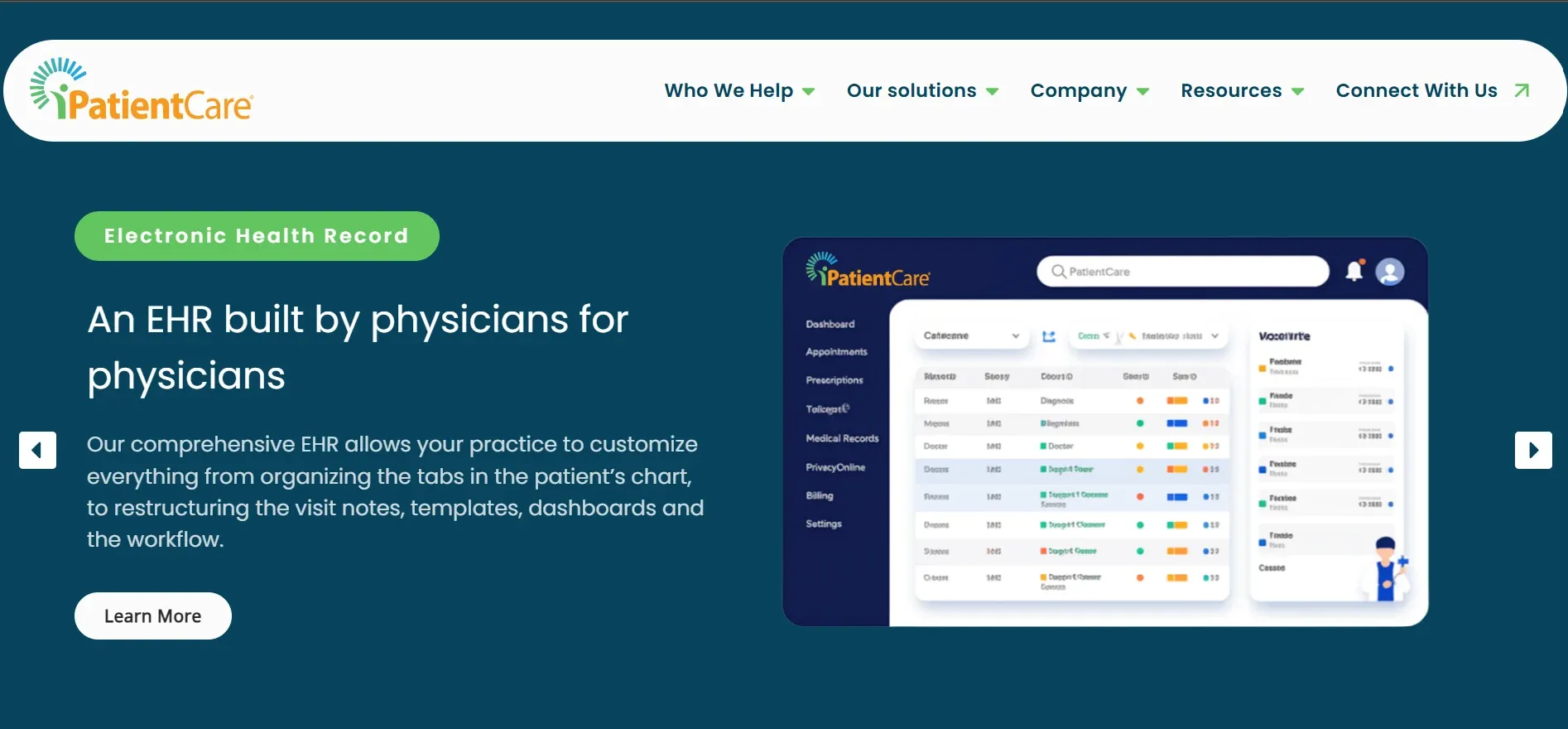
iPatientCare is a cloud-based EHR platform with a strong focus on interoperability, making it attractive for urgent care centers that need to share data with hospitals, health information exchanges (HIEs), or regional health networks.
Pricing: Custom quote, varies by modules and integrations.
- Certified for major interoperability protocols
- Integrated e-prescribing and lab ordering
- Compliance management for regulatory standards
- User interface less modern than some competitors
- Customization may require IT resources
- Costs can rise with added modules
5. Meditech (Enterprise clinics)
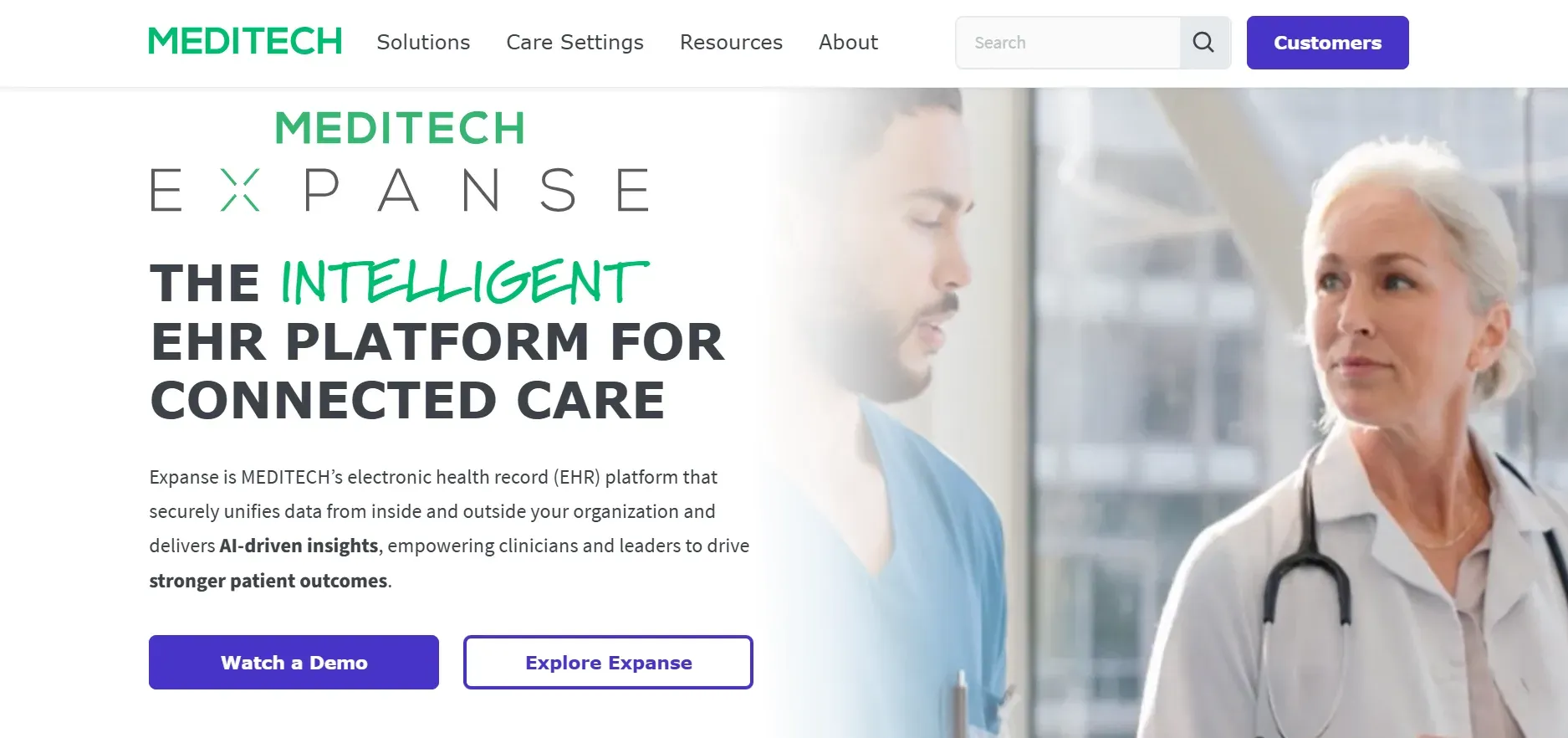
Meditech is a staple in the hospital and large clinic space, known for its reliability and ability to scale across hundreds of providers and multiple sites. Meditech’s platform is designed for deep customization and supports nearly every clinical workflow imaginable, but it comes at a significant financial and operational cost.
Pricing: Custom quote, typically high for independent clinics.
- Comprehensive EHR for large-scale operations
- Enterprise scheduling and analytics
- Deep integration with hospital systems
- High price and long implementation timeline
- Requires dedicated IT staff
- Flexibility comes with high costs
6. Nuvolo (Facilities management)
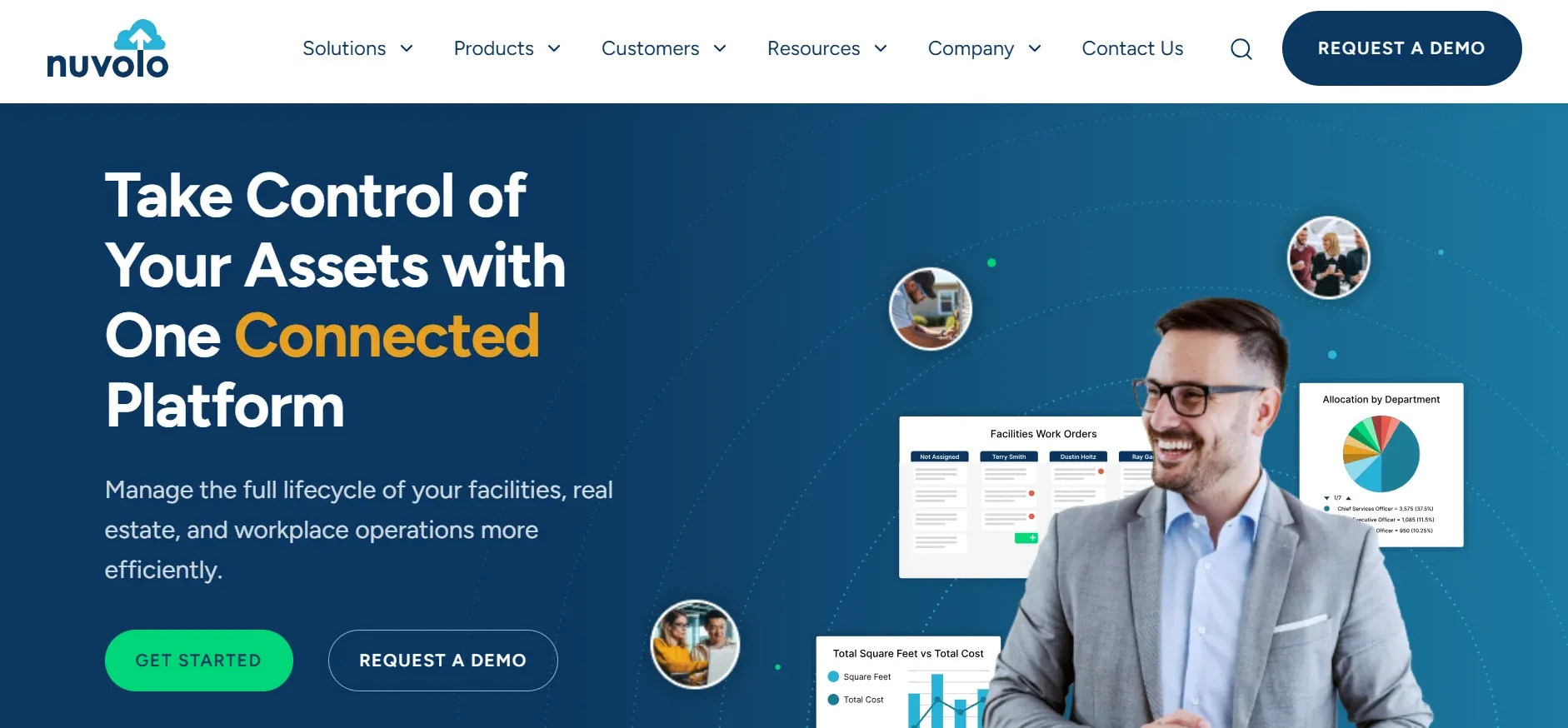
Nuvolo is not a direct EHR replacement, but a highly specialized platform for facilities and asset management in healthcare settings. For urgent care operators managing multiple sites or expensive clinical equipment, Nuvolo can be a valuable addition to your tech stack.
Pricing: Custom quote, based on number of assets and locations.
- Asset tracking and preventive maintenance
- Integration with ERP and EHR systems
- Analytics on equipment utilization
- Not a clinical or patient management tool
- Implementation overhead for smaller clinics
- Custom integrations may require consultants
7. PrognoCIS (Specialty EHR)
PrognoCIS is a specialty-focused, cloud-based EHR with strong urgent care and occupational medicine modules. Its core value is in deep template customization and specialty workflows, making it a fit for clinics with unique documentation or billing requirements.
Pricing: Reported $250+/provider/month, with add-on fees for modules.
- Highly customizable templates
- Integrated billing and coding tools
- Occupational health and urgent care modules
- Add-ons can increase monthly fees
- Support responsiveness can fluctuate
- Annual contracts limit flexibility
8. eClinicalWorks (Cloud EHR)
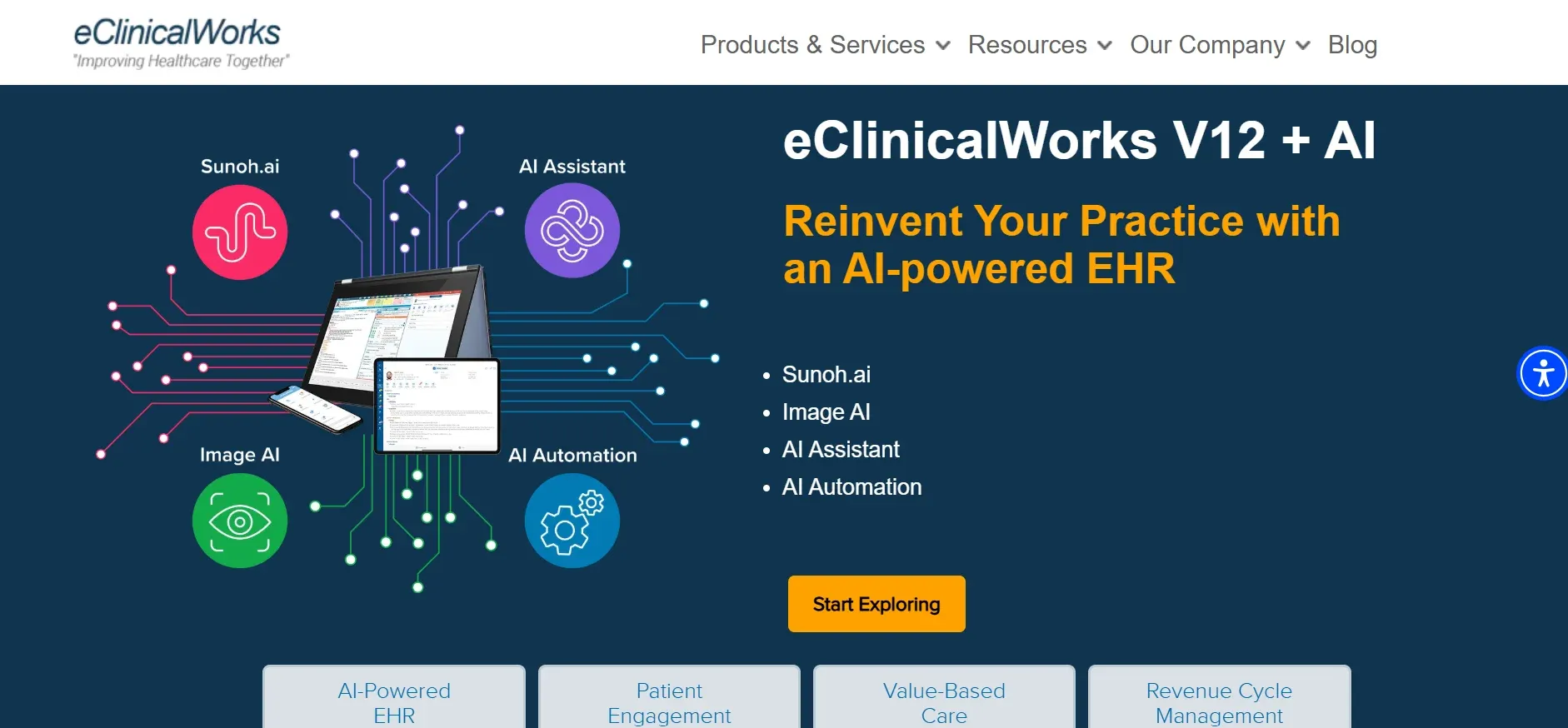
eClinicalWorks is one of the most widely adopted cloud EHR and practice management suites in the US, serving over 130,000 physicians. It is known for feature breadth, scalability, and a large user community, making it a common choice for urgent care operators outgrowing smaller platforms.
Pricing: Reported $449+/provider/month, with additional costs for advanced features.
- Integrated EHR, billing, and patient engagement
- Comprehensive telehealth platform
- Large user community and resources
- High per-provider fees
- Setup and onboarding can be complex
- Support quality varies by contract
9. Devaims (Owning your workflow)
Devaims is not SaaS, but a custom software development service for urgent care centers that want to break free from per-visit, per-provider, and per-integration fees. Instead of renting a generic platform, Devaims builds you a system that matches your exact workflow, integrates with your preferred partners, and gives you full control over your data and technology future.
Pricing: One-time build, with flat, predictable maintenance.
- Custom EHR and practice management platform built for your unique workflow
- Full source code ownership, no vendor lock-in
- Unlimited providers, locations, and patients at no extra cost
- Custom integrations and reporting tailored to your needs
- Ongoing maintenance and support on your terms
With Devaims, you own your urgent care platform outright, with no recurring SaaS fees or feature gating.
Other Experity (Clockwise.MD) alternatives worth knowing
- NextGen: A strong contender for multispecialty clinics, offering robust EHR and PM features, but with similar pricing and contract structures to other SaaS EHRs. Onboarding can be complex for custom workflows.
- Epic: The gold standard for hospital systems, but overkill for most independent urgent care centers. Integration and customization are world-class, but costs and implementation cycles are immense.
- Practice Fusion: One of the lowest-cost SaaS options, good for basic EHR needs, but lacks urgent care specific workflows, advanced telehealth, and deep reporting.
- DocuTAP: Previously an alternative, it is now part of Experity, so moving to DocuTAP keeps you in the same vendor ecosystem.
How to choose the right Experity (Clockwise.MD) alternative
- Budget: Go beyond sticker price. Add up per-provider fees, per-visit charges, integration and add-on costs, training, and annual increases. Compare total cost of ownership over 3 to 5 years, not just year one.
- Workflow fit: Map your real intake, charting, billing, and reporting processes. Many SaaS tools are “close enough,” but even small misalignments can add hours of manual work weekly. If your workflow is a competitive advantage, prioritize platforms that adapt to you, not the other way around.
- Scale: Growing from one to three clinics can triple your SaaS fees. Check how your costs change if you double providers or add telehealth. Ownership models like Devaims are flat cost, not per-user.
- Ownership: Decide if you want to keep paying rent every year, or build equity in a software asset you control. Ownership gives you power over data, integrations, and future features.
- Integrations: List every system you need to connect: labs, billing, payments, marketing, analytics. Ask vendors if these are included, extra, or on the roadmap. Custom builds (like Devaims) deliver exactly what you need from day one.
Ready to leave rental pricing behind? See how a custom Devaims build flips the math in your favor.
Stop paying rent on software you could own
The reality with most Experity (Clockwise.MD) alternatives? Regardless of the brand, Athenahealth, Kareo, Meditech, or eClinicalWorks, you are still renting. Every year, you pay for access, not ownership. Each new feature, integration, or reporting request is another invoice. Even your own data is often accessible only on the vendor’s terms, sometimes with export fees or limited formats.
Devaims is the alternative that breaks that cycle. We build custom software for urgent care centers that want to own their own tools: your workflow, your data, your code, running on your terms. You get the source code, a platform tailored to your process, and the freedom to scale or adapt as you see fit. There is no monthly subscription treadmill, just a one-time build and flat, predictable maintenance.
- No per-visit or per-provider fees: Add as many staff or patients as you want, forever.
- No feature gating: Every report and integration you need is built in from the start, with your input.
- Your data, your rules: Export, report, or migrate at will, with no vendor permission or extra cost.
- No lock-in: You keep the code, so you’re never stuck with a vendor again. Take it to another developer if needed.
| Tool | Ownership | Pricing model | Your data? |
|---|---|---|---|
| Experity (Clockwise.MD) | Rented | Per-visit, per-provider, add-ons | Limited export |
| Athenahealth | Rented | Revenue share (4%+ of collections) | Limited export |
| eClinicalWorks | Rented | Per-provider ($449+/mo) | Limited export |
| Devaims | Owned | One-time build, flat maintenance | Full access, you own it |
| Year | Renting (Experity, typical 5 providers) | Owning (Devaims custom build) |
|---|---|---|
| 1 | $30,000 | $32,000 (build + maint.) |
| 2 | $60,000 | $34,400 |
| 3 | $90,000 | $36,800 |
| 4 | $120,000 | $39,200 |
| 5 | $150,000 | $41,600 (now ahead) |
After year 1, renting is still slightly cheaper, but by year 5, owning with Devaims puts you nearly $110,000 ahead, and you own your software asset, not just access rights. For operators running 3 or more clinics, the numbers favor ownership even faster. These numbers do not include the hidden costs of churn, retraining, or the opportunity to build unique workflows that can drive revenue growth or patient loyalty.
How to switch from Experity (Clockwise.MD)
- Export your data: Request a full export of all patient, scheduling, and billing data from Experity. Be specific about formats and request both structured (CSV, XML) and unstructured (PDF, scanned images) records.
- Choose your new platform: Finalize contracts or project scopes with your chosen alternative. For custom builds, ensure you document every workflow and integration you require.
- Data migration and mapping: Import your data into the new system. This includes mapping fields for patients, schedules, clinical notes, and claims. For custom platforms like Devaims, this process is tailored to your legacy data structure.
- Integrate third-party services: Reconnect payment processors, labs, pharmacies, and any external integrations. Test each connection thoroughly before going live.
- Staff training: Train your front desk, clinical, and billing staff on the new system. Custom platforms can mirror your old workflows, reducing retraining time.
- Parallel run: Run your new system in parallel with Experity for 1 to 2 weeks. Validate data accuracy, billing flows, and patient scheduling during this transition period.
- Contract review and termination: Review your Experity contract for any remaining obligations or termination fees. Schedule your official cut-over and ensure data access until the transition is complete.
With a custom Devaims build, the migration is handled as part of the project, including custom scripts to maximize data retention and minimize downtime.
Frequently asked questions
What is the best Experity (Clockwise.MD) alternative for urgent care?
If you want strong EHR and billing out of the box, Athenahealth and eClinicalWorks are solid choices, with deep features and national support. However, both keep you on a subscription or revenue-share treadmill. If your goal is to break the cycle and truly own your platform, data, code, and workflow, Devaims is the only alternative offering a custom-built solution you control outright. The best choice depends on your priorities: speed and ease (SaaS) or ownership and long-term value (custom).
Which Experity (Clockwise.MD) alternative is cheapest?
Practice Fusion is often the lowest-cost SaaS, but sacrifices urgent care specific features and automation. Kareo starts at a lower per-provider price but can become expensive as you scale. Over 5 years, the math often favors a Devaims build, especially for clinics with more than 3 providers or multiple locations. A higher upfront investment pays off quickly by eliminating recurring SaaS fees, upcharges, and per-user costs.
Is there a free Experity (Clockwise.MD) alternative?
No true free EHR matches the demands of urgent care. Open-source projects like OpenEMR exist, but require significant IT resources for setup, support, and security. Most urgent care ready systems are paid SaaS, or a custom build with Devaims for full ownership and support. Free options often lack compliance certifications, integrations, and support for modern telehealth or billing workflows.
Which alternative is best for multisite urgent care clinics?
Kareo (Tebra) and Athenahealth both support multi-location operations with centralized scheduling, reporting, and billing. eClinicalWorks also scales well and offers strong community resources. For clinics with unique workflows, complex integrations, or plans to expand rapidly, a Devaims build is tailored to your exact needs and scales without added per-location fees.
Can I migrate my data from Experity (Clockwise.MD)?
Yes, you can export patient, scheduling, and billing data from Experity, but the process may involve data mapping, cleaning, and potential data loss for custom fields or historical notes. SaaS alternatives offer migration assistance, but may not import every data type. Devaims includes comprehensive migration as part of the project, aiming for full fidelity and custom mapping to preserve all critical records.
When should I switch from Experity (Clockwise.MD)?
If your SaaS fees are rising, you’re locked out of integrations, or you want to own your workflow and data, now is the time to explore alternatives. The sooner you switch, the faster you stop paying rent and start building equity in your technology. Consider switching before your renewal window to minimize contract penalties.
Can I keep my current integrations with a new system?
Most SaaS alternatives offer integrations, but often with extra fees, API limitations, or vendor approval. Some niche integrations may not be supported at all. With a Devaims custom build, integrations are built to your requirements, connecting to labs, payments, analytics, and more, with no recurring integration fees or roadmap delays.
The bottom line
Most urgent care SaaS platforms are just new landlords. Switching may get you a shinier dashboard, but you’re still renting. The only way to truly own your workflow is to build it. Here is the test: add up what this tool will cost you over the next five years. If that number would have built you something you own, you already have your answer.
Think about software like your building lease versus buying the lot. At some point, ownership is the investment that pays you back every single month. The day you switch to Devaims, your rent cycle ends for good.
Read more on the Devaims blog. See related: Athenahealth alternatives, eClinicalWorks alternatives, and NextGen alternatives.