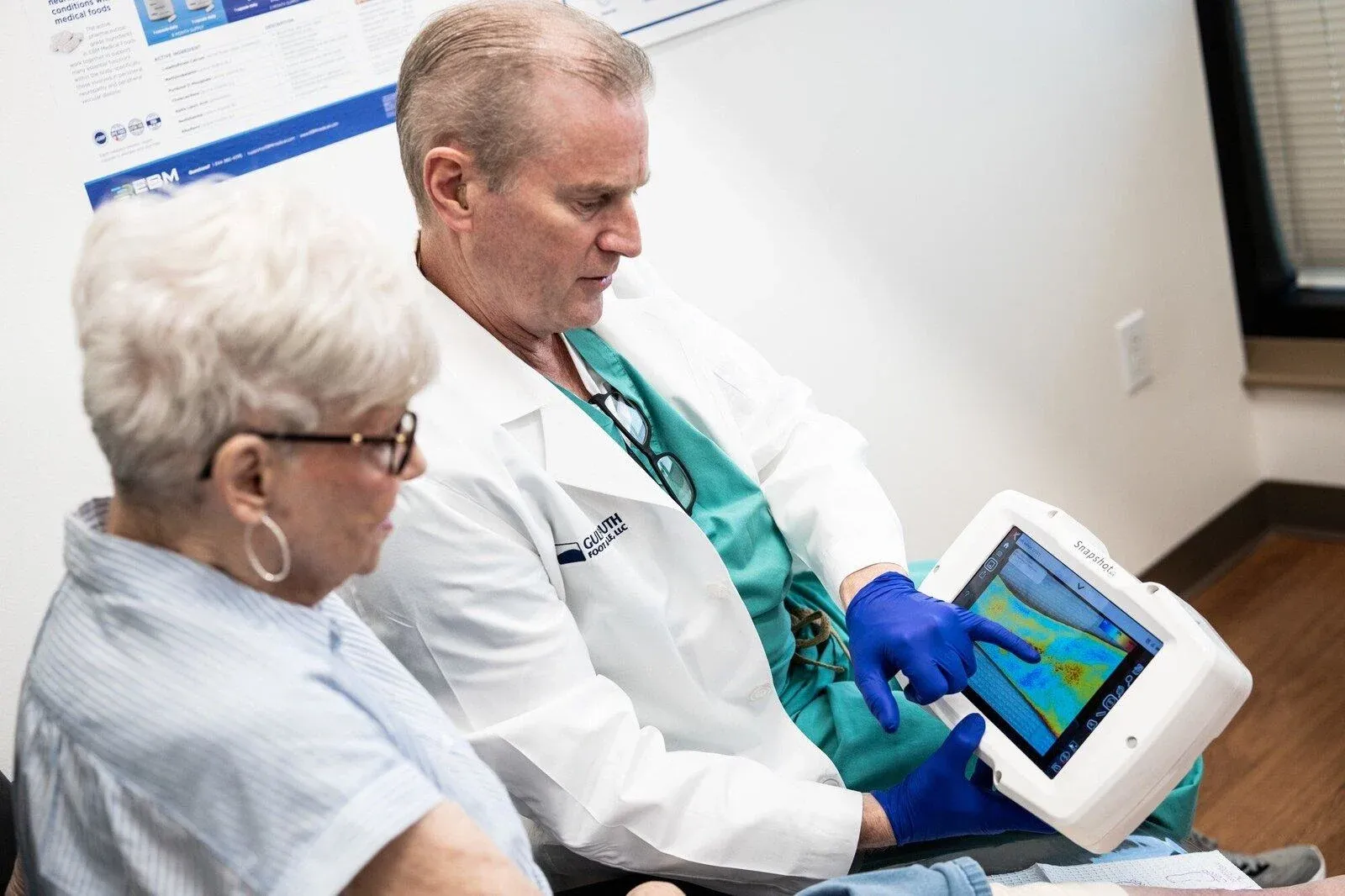
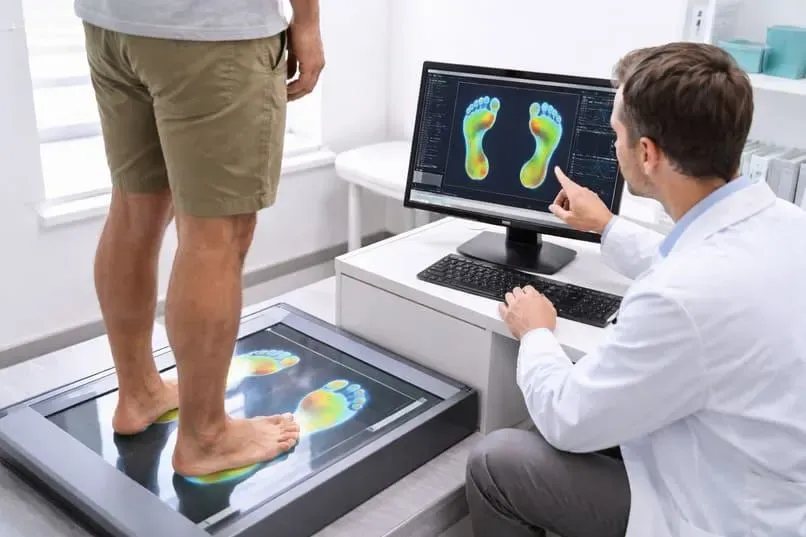


Your podiatry clinic has seen the same ClinicTracker EHR login screen for years, but every time a new provider joins or a billing add-on gets tacked on, your monthly rate creeps up. Maybe you’ve tried to export your data or run a custom report, only to hit a paywall or be told you need to "upgrade your tier." Or the annual contract comes due and you realize you have no leverage: your data, your processes, your entire business are locked in. If you’re shopping for ClinicTracker alternatives, you already know what this feels like.
There are options, Practice Fusion with its flat $199/provider fee, AdvancedMD’s all-in-one bundle, and a handful of niche EHRs promising "podiatry-specific workflows." But every single SaaS on this list rents you access, not ownership. If you’re tired of monthly invoices and want an EHR you own outright, a custom Devaims build is the only model that flips the script. Let’s get specific about the real costs, the contract traps, and the moment it pays to own instead of rent.
Why podiatry practices look for ClinicTracker alternatives
Per-provider and per-seat fees add up fast. What starts as a reasonable monthly rate quickly balloons as you add staff, providers, or support roles. For a growing podiatry clinic, this is a profit leak you feel every billing cycle. If you have seasonal increases in staffing or plan to expand, these costs quickly become unpredictable. Even roles that do not require clinical access (such as billing or front desk) can trigger new fees if they need to interact with the EHR.
Annual contracts mean you’re stuck. Most SaaS EHRs, ClinicTracker included, require a year-long commitment with no exit ramp if your needs change or frustration grows. If your clinic is dissatisfied, you might still be locked in for months before you can even consider switching. Some vendors auto-renew, which can result in surprise contract extensions if you miss the cancellation window.
Custom features are paywalled or unavailable. Want a new workflow, a custom report, or an integration with your billing partner? With rented platforms, it’s "not on the roadmap" or an expensive add-on. Even when customizations are possible, they are often slow to develop and require additional negotiation, sometimes resulting in higher-tier contracts. For clinics with unique workflows or reporting needs, such as diabetic foot care programs or complex insurance requirements, this can be a major roadblock.
Data is held hostage. Exporting your clinic’s historical data, images, or notes often means a support ticket and an extra fee. True ownership isn’t part of the deal. In some cases, the data export format is limited (for example, only PDFs or partial CSVs), making migration to a new system more difficult and sometimes resulting in data loss.
Surprise price hikes are common. The monthly cost you started with rarely stays put. Add-ons, "regulatory compliance" upgrades, and tier jumps mean your EHR budget is always at risk. These are the reasons practices search for ClinicTracker alternatives. Even "grandfathered" pricing can change with little notice, especially after mergers or acquisitions.
Quick comparison of the best ClinicTracker alternatives
| Tool | Best for | Starting price | You own it? |
|---|---|---|---|
| Practice Fusion | Small to midsize clinics | $199/mo/provider | No |
| AdvancedMD | All-in-one EHR/PM | $399/mo/provider | No |
| DrChrono | Flexible charting | Not published | No |
| Medisoft | Legacy practices | Not published | No |
| Office Ally | Entry-level EHR | Not published | No |
| Plexicon | Customizable EHR | Not published | No |
| Podiatry Hotline EHR | Podiatry specialty | Not published | No |
| Experity | Urgent care | Not published | No |
| Devaims (custom build) | Practices ready to own | One-time build, you own it | Yes |
Always confirm current pricing before you decide. Monthly rates and contract terms change quickly in the EHR world. Ask for detailed quotes in writing, including any setup, training, or migration fees, and clarify what is (and is not) included in the base price.
The 9 best ClinicTracker alternatives
1. Practice Fusion (best for smaller podiatry clinics)

Practice Fusion has a reputation as the "affordable SaaS EHR" for small and midsize clinics. Its cloud-based platform is straightforward and relatively easy to onboard. Compared to ClinicTracker, Practice Fusion’s pricing is more transparent, but you still face annual contracts and no true data ownership.
Practice Fusion’s interface is browser-based, with charting, e-prescribing, scheduling, and patient portal access all included. It is ONC-certified and meets Meaningful Use requirements. The system is designed to be intuitive, and onboarding can be completed in a matter of days for most small clinics. For podiatry, you may need to customize templates for common conditions like plantar fasciitis or diabetic foot ulcers, but the process is user-friendly for basic modifications.
Pricing: $199 per provider per month, annual contract, no setup fees. Non-signing staff (such as MAs or front desk) are included at no extra charge, which helps keep costs predictable for small teams.
- Clear, upfront pricing for most clinics
- Easy to launch for new or smaller practices
- Includes unlimited non-signing staff licenses
- ONC-certified for regulatory compliance
- Annual contracts required, no month-to-month option
- Limited advanced customization for specialty workflows
- Data export is restricted to certain formats
On a system you own, adding new staff doesn't increase your bill, it just works.
2. AdvancedMD (best for all-in-one practice management)
AdvancedMD bundles EHR, practice management, and patient engagement into a single SaaS platform. It’s a good fit for podiatry clinics wanting everything under one login. The solution is comprehensive, offering scheduling, telemedicine, e-prescribing, billing, revenue cycle management, and a patient portal in one interface. It is particularly strong for practices that want to avoid piecemeal systems and have a single vendor for both clinical and business operations.
Pricing: $399 per provider per month for full bundle. The pricing is transparent for the standard package, but advanced modules (such as telemedicine or advanced analytics) may be extra. Implementation and training are usually included, but check your quote for details.
- Comprehensive features for larger or multi-site clinics
- Integrated billing and scheduling
- Frequent feature updates and compliance support
- Strong interoperability with labs and pharmacies
- High per-provider cost as you grow
- Custom features limited to vendor roadmap
- No ownership, always a rental model
If you want a feature that's not on the roadmap, a custom Devaims build can put it in your hands, not a backlog.
3. DrChrono (best for flexible charting)
DrChrono is known for its flexible template system and mobile-first design. Podiatry practices looking for iPad-native workflows may prefer DrChrono over ClinicTracker. The platform is designed with mobility in mind, supporting real-time charting at the point of care. It supports e-prescribing, patient intake, telemedicine, and billing, all from an iOS device or browser.
Pricing: Not published; request a quote. Pricing varies based on features and provider count. Expect to encounter tiered plans, with basic EHR starting lower and advanced features (such as billing automation or custom forms) requiring higher-tier subscriptions.
- Highly customizable templates and forms
- Strong mobile and iPad support
- Popular with tech-forward practices
- Open API for integrations
- Advanced features require higher-tier plans
- Reporting and analytics are basic
- Data export can be cumbersome for custom content
4. Medisoft (best for legacy practices)

Medisoft has been around for decades and is favored by clinics wanting a familiar, desktop-based EHR. It is often used by practices that have longstanding workflows and minimal need for cloud-based features. Medisoft focuses on practice management, billing, and scheduling, with EHR modules available.
Pricing: Not published; sold via resellers. Pricing can be a mix of upfront licensing and annual maintenance fees, plus support contracts. Some clinics purchase Medisoft outright, but ongoing updates and support are usually subscription-based.
- Familiar interface for long-time users
- Widely used and supported in the US
- Good for clinics with minimal IT needs
- Stable and time-tested
- Lacks modern features like telemedicine
- Limited cloud access and interoperability
- Migration to or from Medisoft can be difficult
5. Office Ally (best for entry-level EHR)
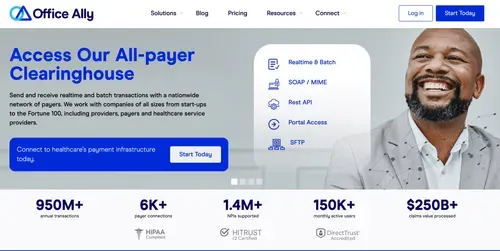
Office Ally is an entry-level EHR and practice management suite often recommended to clinics starting out or seeking basic compliance. It is browser-based, HIPAA-compliant, and includes scheduling, charting, and claims management.
Pricing: Not published; typically lower than major SaaS EHRs. Office Ally is known for offering free or very low-cost options for basic use, but charges for advanced features or heavy claims volume. Always confirm which modules (EHR, PM, clearinghouse) are included in the base price.
- Low cost of entry
- Meets basic regulatory needs
- Simple scheduling and billing
- Widely used for claims management
- Limited advanced features and customization
- Interface can feel outdated
- Support responsiveness varies by plan
6. Plexicon (best for customizable EHR)

Plexicon markets itself as a customizable, role-based EHR with some podiatry-specific templates. The platform is browser-based, and clinics can configure user permissions, custom forms, and workflows. Plexicon targets specialty practices needing more flexibility than generic SaaS EHRs.
Pricing: Not published; custom quotes only. Pricing depends on user count, modules, and customization level. Expect an onboarding fee and recurring monthly charges per provider.
- Role-based access controls
- Customizable fields and templates
- Podiatry-specific content available
- Flexible workflow design
- Opaque pricing and possible extra fees
- Support can be slow for new features
- Still a rental model, not ownership
7. Podiatry Hotline EHR (best for podiatry specialty tools)

Podiatry Hotline EHR is designed specifically for podiatry clinics, with templates and charting built for foot and ankle workflows. The system includes pre-built forms for common podiatric conditions, surgical logs, and patient education materials. It is a niche alternative to ClinicTracker, but suffers from the same rented-model limitations and little transparency on pricing.
Pricing: Not published; contact for pricing. Expect per-provider monthly fees and possible setup charges.
- Purpose-built podiatry templates
- Streamlined charting for foot/ankle care
- Small-vendor responsiveness
- Specialty documentation and coding
- Limited scalability for multi-specialty clinics
- Pricing is not transparent
- Vendor-driven changes and contract limitations
For clinics that outgrow specialty EHRs, Devaims can build a platform that fits your subspecialties and your scale.
8. Experity (best for urgent care crossover)
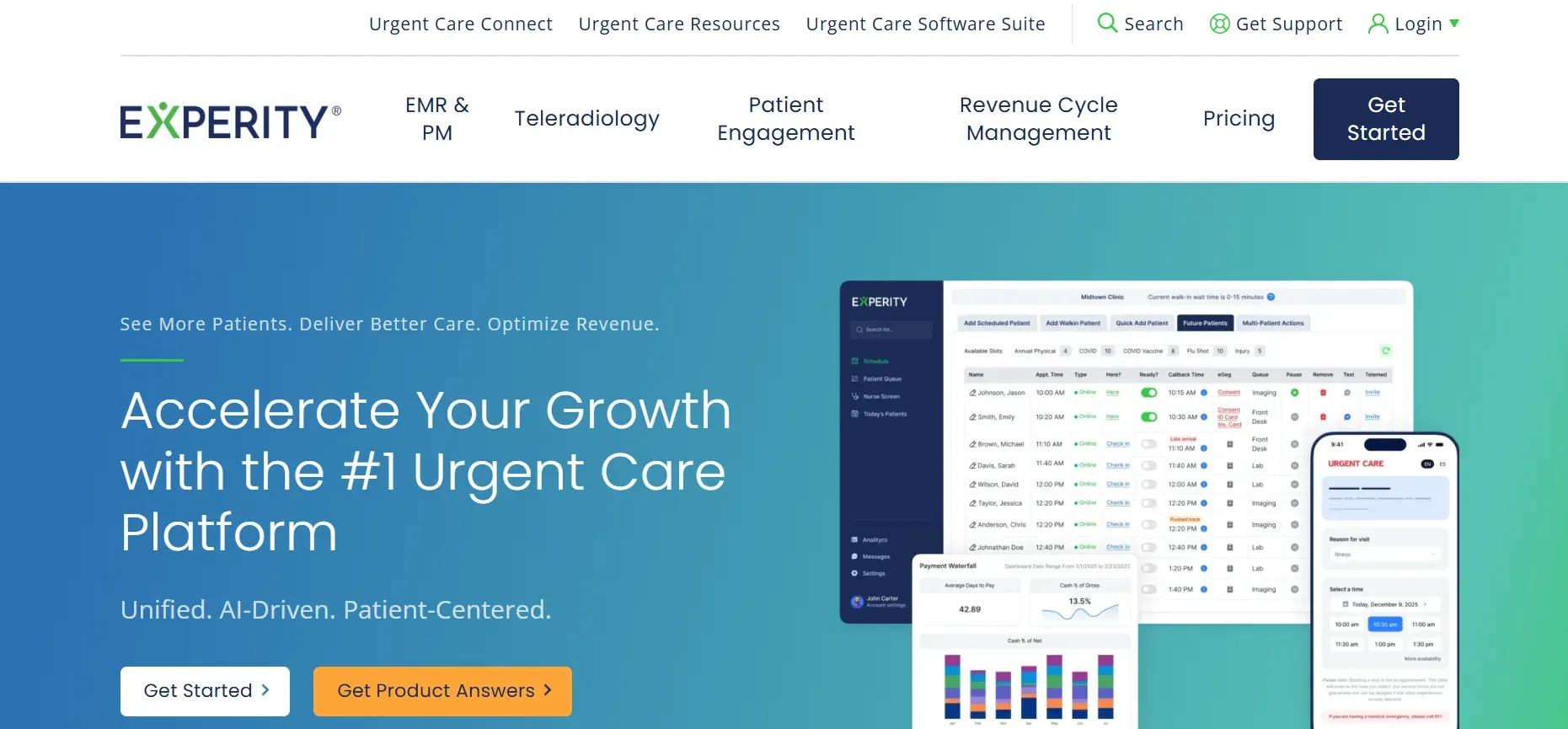
Experity is popular in urgent care and walk-in clinics, including some podiatry offices with a high acute-care volume. The platform is designed for speed, with rapid patient intake, triage, and discharge workflows. It includes EHR, practice management, billing, and patient engagement tools, and supports both scheduled and walk-in visits.
Pricing: Not published; typically higher for high-volume clinics. Pricing is based on provider count, visit volume, and selected modules. Implementation can be a significant upfront investment.
- Fast intake and discharge workflows
- Urgent care billing and reporting
- Scalable for multi-site practices
- Strong analytics for high-volume environments
- May pay for features you do not use
- Not podiatry-exclusive, requires customization
- Annual contracts, no ownership option
9. Devaims (best for owning your EHR)
Devaims builds custom EHR and practice management software designed around your podiatry clinic’s exact workflows. Instead of paying per-provider fees or committing to annual SaaS contracts, you get a one-time build, the complete source code, and a platform you own outright. Every feature, integration, and report is yours to keep and adapt as your business grows.
Pricing: Custom quoted, typically a one-time build fee plus optional flat monthly maintenance. No per-seat or per-provider charges. You own the code and can host on your own infrastructure or the cloud provider of your choice.
- You own the code, data, and platform, no monthly rent
- Custom features, integrations, and workflows built for your clinic
- No per-seat or per-provider fees, ever
- Flat, predictable maintenance costs
- Future-proof: adapt your EHR as your practice grows or changes
Other ClinicTracker alternatives worth knowing
- Kareo (now Tebra): Focuses on billing and practice management, but not podiatry-specific and still SaaS only. Suitable for clinics prioritizing billing efficiency, but lacks specialty templates.
- Nuvelo: Marketed as an EHR but niche and without transparent pricing or a clear podiatry focus.
- ClinicTracker itself: If you like its features but hate the contract, ask about a data export and see if a custom build could clone your key workflows. Some clinics use ClinicTracker as the blueprint for their own custom system.
How to choose the right ClinicTracker alternative
- By budget: Small clinics may be tempted by entry-level SaaS, but add up per-seat costs if you plan to grow. Look at five-year total cost of ownership (TCO), including hidden fees for support, training, or additional features.
- By workflow needs: If you need podiatry-specific templates, check that the EHR is built for your specialty, not just "healthcare" in general. Ask for demos of charting workflows for common podiatric conditions, and confirm that documentation, coding, and reporting meet your requirements.
- By scale: Large or multi-site clinics can get buried in SaaS fees. Predict your provider count three years out and model costs. Consider how easy it is to add new locations or providers without renegotiating contracts.
- By ownership: If you want control, customization, and to own your data, only a custom build delivers it. Evaluate whether you want to be dependent on a vendor’s roadmap or whether you want to future-proof your EHR investment.
If you’re tired of renting and ready to invest in something that pays off, a Devaims build flips the EHR model entirely.
Stop paying rent on software you could own
Every EHR on this list, ClinicTracker included, charges by the provider, by the seat, or by the feature. Even if you switch, you’re still renting. Devaims is the only alternative that lets you pay once, own forever, and never face a surprise price hike or contract renewal again.
Devaims builds podiatry EHR and practice management platforms that are yours to keep. You get complete source code, custom workflows, and ongoing support, all without monthly per-user charges or lock-in. Your data, your reports, your integrations are exactly how you want them, not "on the roadmap" or stuck behind a paywall.
- No more per-seat fees: Add staff, MAs, or physicians for free. You are never penalized for growth or seasonal staffing changes.
- No contracts: You keep the code and run it on your own terms. You are not subject to automatic renewals, hidden clauses, or vendor-driven roadmaps.
- Custom everything: From charting templates to billing exports, your platform does what your clinic needs. If your workflows change, you can adapt your platform without waiting for a vendor update.
| Tool | Ownership | Contract | Per-seat fees |
|---|---|---|---|
| Practice Fusion | No | Annual | $199/provider/mo |
| AdvancedMD | No | Annual | $399/provider/mo |
| DrChrono | No | Annual | Quote only |
| Devaims (custom) | Yes, you keep the code | None | None |
| Year | ClinicTracker/Practice Fusion ($199/provider/mo, 5 providers) | Devaims (one-time build $32,000 + $200/mo maint) |
|---|---|---|
| Year 1 | $11,940 | $34,400 |
| Year 2 | $23,880 | $36,800 |
| Year 3 | $35,820 | $39,200 |
| Year 4 | $47,760 | $41,600 (now ahead) |
| Year 5 | $59,700 | $44,000 |
For a 5-provider clinic, you break even in year four and pull further ahead every year after. If you plan to grow, or just want out of the rent cycle, Devaims can run the numbers for your practice. For larger practices or those with rapid growth, the breakeven point comes even sooner.
How to switch from ClinicTracker
- Export your patient and clinical data: Request full records, not just PDFs. Ask for structured data (CSV or HL7) for demographics, appointments, clinical notes, and scanned images. Confirm what formats are available and check for completeness.
- Choose your new platform and confirm migration tools: Ask your new vendor (or Devaims) about their import process. Some EHRs have automated tools for patient demographics, but clinical notes and attachments may require manual mapping.
- Import data into the new EHR: Map fields to custom templates as needed. For custom builds, Devaims can design the new system to match your current workflows, minimizing retraining and disruption.
- Reconnect payment processors and third-party integrations: Ensure that labs, billing partners, and any specialty devices are configured and tested in the new system.
- Train staff on new workflows and test in parallel: Run both systems in parallel for at least two weeks to catch data or workflow issues. Solicit feedback from staff and make adjustments as needed.
- Review your old contract: Avoid auto-renewals or surprise fees by notifying ClinicTracker (or your current EHR) of your intent to leave, following their process for contract termination and data export.
With a custom Devaims build, the migration is handled as part of the project. You get hands-on support at every stage, from data extraction to staff training and go-live.
Frequently asked questions
What is the best ClinicTracker alternative for podiatry clinics?
For clinics that want transparent pricing and a quick start, Practice Fusion and AdvancedMD are the most straightforward ClinicTracker alternatives. Practice Fusion is ideal for small practices that want predictable costs and a basic feature set. AdvancedMD is better for larger, multi-site clinics that need integrated billing and patient engagement. If you want to own your EHR and never pay per-seat again, Devaims is the only true "own it" option, offering custom workflows and no recurring rental fees.
Which ClinicTracker alternative is the cheapest?
Office Ally is often the lowest cost for solo providers, with free or low-cost plans for basic use. However, entry-level pricing comes with trade-offs in features, support, and scalability. Over several years, a custom Devaims build can actually cost less than recurring SaaS fees, especially as your provider count grows. Always compare five-year TCO, not just monthly rates.
Is there a truly free ClinicTracker alternative?
No full-featured EHR is free for podiatry, though some SaaS tools offer trial periods or limited "no-cost" tiers with heavy restrictions. Free plans rarely meet regulatory or billing needs, and may not support e-prescribing, specialty templates, or secure data storage. Be wary of "free" EHRs, most make money through add-ons, ads, or data sales, and may not be viable for long-term clinical use.
What is the best ClinicTracker alternative for multi-provider practices?
AdvancedMD scales well for larger practices but is expensive. For clinics planning to expand, owning your own EHR with Devaims keeps your costs flat and predictable, regardless of provider or staff count. This is especially important for clinics expecting to add locations or subspecialties, since SaaS fees multiply quickly.
Can I get my ClinicTracker data out for migration?
You can request a data export from ClinicTracker, but formats and completeness vary. For a smooth move to a new EHR or a Devaims custom platform, ask for CSV or structured data, not just PDFs. Plan ahead: some vendors require notice or charge fees for data export, and you may need technical help to transform and import the data into your new system.
How hard is it to switch from ClinicTracker to another EHR?
Switching takes planning: export your data, map fields to the new system, train your team, and run both systems in parallel before fully cutting over. Challenges include mapping custom templates, handling scanned documents, and retraining staff. With Devaims, the migration is handled as part of the build, with a dedicated team to ensure data integrity and minimal downtime.
When does owning my EHR actually save me money?
For most podiatry practices with three or more providers, the math tips in your favor by year four. The more providers or locations you have, the faster you break even. Compare five-year costs for all ClinicTracker alternatives before you commit again. Remember to factor in hidden costs, such as price hikes, add-ons, and migration fees, that can make SaaS more expensive than it first appears.
The bottom line
The right EHR isn’t just about features or support, it’s about who owns your data, your workflows, and your future. If you expect to grow, add providers, or customize, renting makes less sense with every passing year. Here is the test: add up what this tool will cost you over the next five years. If that number would have built you something you own, you already have your answer.
Stop renting. Start owning. See what a Devaims custom build could do for your podiatry clinic.
Explore more at the Devaims blog. See other alternative guides: AdvancedMD alternatives, Practice Fusion alternatives, DrChrono alternatives.