



If you’ve ever done the math on Practice Fusion’s $199 per provider per month and thought, "That’s almost twelve grand a year for five docs, and I still don’t own a thing," you’re not alone. Most general medical practices hit that moment the first time they try to scale, add a new provider, or ask for a feature that’s locked to a higher tier. It’s not just the sticker price. It’s the endless monthly rent, the support tickets that linger, and the annual contract that renews before you blink.
Maybe you’ve already bounced between platforms, watched costs creep, or felt the pain when you needed data out. You want a system that fits your workflow, not the other way around. You’re not looking for a sidegrade, you want a real change. Here’s the honest rundown on the top Practice Fusion alternatives. DrChrono, eClinicalWorks, and AdvancedMD all have their place, but every major system rents you your own data. There’s another lane: a Devaims custom build, built to fit, and yours to keep. Let’s get into the specifics.
Why primary care shops look for Practice Fusion alternatives
Recurring per-provider fees add up fast: $199 per provider per month might seem manageable, but with five or more providers, you’re north of $1,000/month before add-ons.
Annual contracts limit flexibility: The required yearly commitment makes it hard to leave if the system stops fitting your workflow, locking you in for another cycle.
Support can be slow and generic: Many practices report delays getting real help, and canned responses when something breaks.
Feature access is tiered and costly: Want a specific report or tool? It’s often locked behind higher-priced plans or sold as an extra module.
Data export and integration are never simple: Getting your data out or connecting new integrations is always a process, not a right. That’s a big reason so many search for Practice Fusion alternatives.
Quick comparison of the best Practice Fusion alternatives
| Tool | Best for | Starting price | You own it? |
|---|---|---|---|
| DrChrono | Mobile-first practices | Quote required | No |
| eClinicalWorks | Rich features, large groups | $449/mo/provider | No |
| AdvancedMD | Specialty workflows | $429/mo/provider* | No |
| Athenahealth | Integrated billing | Quote required | No |
| NextGen Healthcare | Enterprise clinics | Quote required | No |
| Kareo (Tebra) | Small to midsize clinics | Quote required | No |
| Modernizing Medicine | High-specialty practices | Quote required | No |
| Epic | Large health systems | Custom enterprise | No |
| Cerner (Oracle Health) | Hospitals and networks | Custom enterprise | No |
| Devaims | Ownership, custom fit | One-time build, you own it | Yes |
*Pricing varies by specialty and feature set. Always confirm current pricing before you decide.
The 10 best Practice Fusion alternatives for your practice
1. DrChrono (Mobile-first practices)
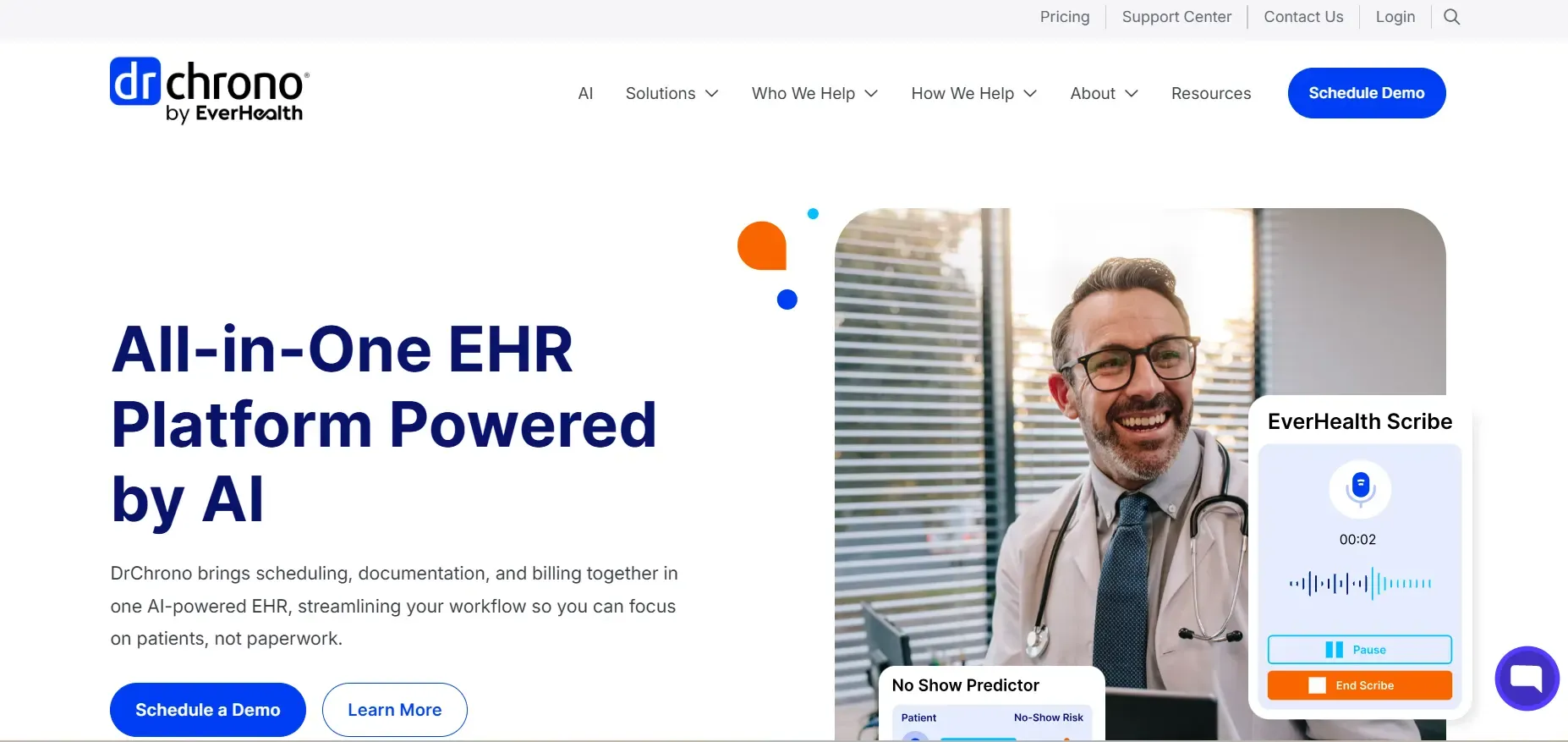
DrChrono is known for its mobile-friendly EMR platform, appealing to clinics that want iPad-based charting and a modern feel. Compared to Practice Fusion, it offers more flexible device support, but still keeps you on a SaaS leash.
Pricing: Multiple plans (Foundation, Growth, Premium), but actual rates are not disclosed, quotes only. See DrChrono pricing.
- Outstanding mobile experience for providers
- Flexible charting and scheduling workflows
- Integrated telehealth and e-prescribing
- Pricing not transparent, requires a sales process
- Billing features are a common complaint
- Customer support can be slow to respond
If you outgrow DrChrono’s templates or want to integrate your own unique workflows, a custom Devaims build means you’re not locked to the vendor’s roadmap.
2. eClinicalWorks (Rich features, large groups)

eClinicalWorks is a feature-heavy EMR often chosen by larger practices that want deep reporting and built-in revenue cycle tools. Compared to Practice Fusion, it brings more power, but at a much higher cost.
Pricing: EHR Only: $449/mo/provider. EHR + PM: $599/mo/provider. See eClinicalWorks pricing.
- Deep feature set for reporting and analytics
- Integrated practice management
- Customizable workflows for larger teams
- Steep learning curve for new users
- System slowdowns reported with heavy use
- Costs escalate quickly for group practices
With Devaims, you can map your reporting needs from day one, no extra module or premium tier needed.
3. AdvancedMD (Specialty workflows)
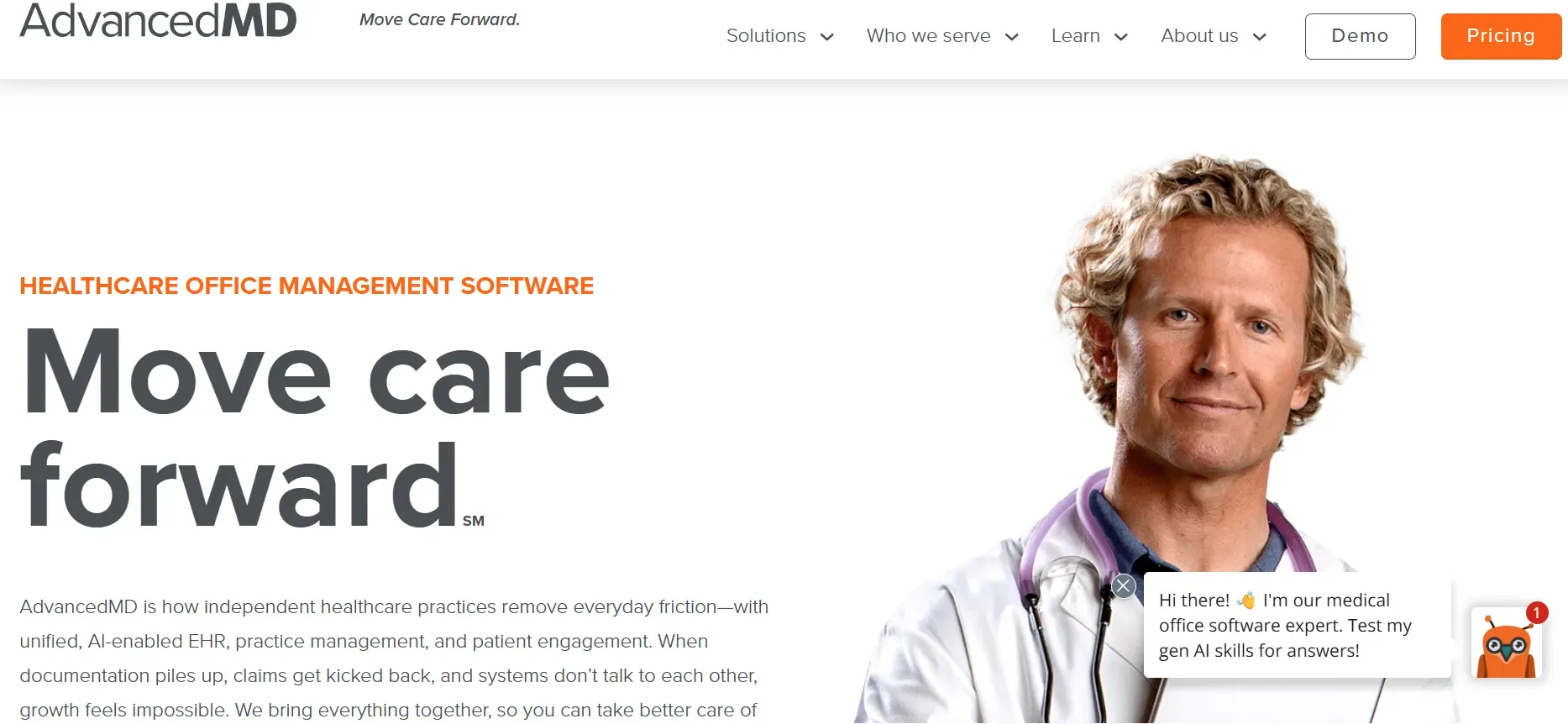
AdvancedMD targets specialty and multi-specialty practices, offering broad configurability and a wide range of add-ons. It’s a step up from Practice Fusion on customization, but the interface can be clunky.
Pricing: General medical specialties: $429 to $1,070/mo/provider. See AdvancedMD pricing.
- Highly configurable for specialties
- Comprehensive scheduling and billing tools
- Multi-provider discounts available
- User interface can feel dated and confusing
- System glitches and downtime reported
- Pricing varies, can be hard to pin down
When you build with Devaims, the interface is designed around your staff’s workflow, not a generic template.
4. Athenahealth (Integrated billing)

Athenahealth is a big name in integrated practice management and billing, with strengths in claims and payer connections. Compared to Practice Fusion, it’s more enterprise, but just as locked into monthly rent and quotes.
Pricing: Not publicly disclosed, contact for quote.
- Strong payer and claims integration
- Solid scheduling and encounter tools
- Large network of connected providers
- Opaque pricing structure
- Billing processes can require workarounds
- Support response times are hit or miss
5. NextGen Healthcare (Enterprise clinics)
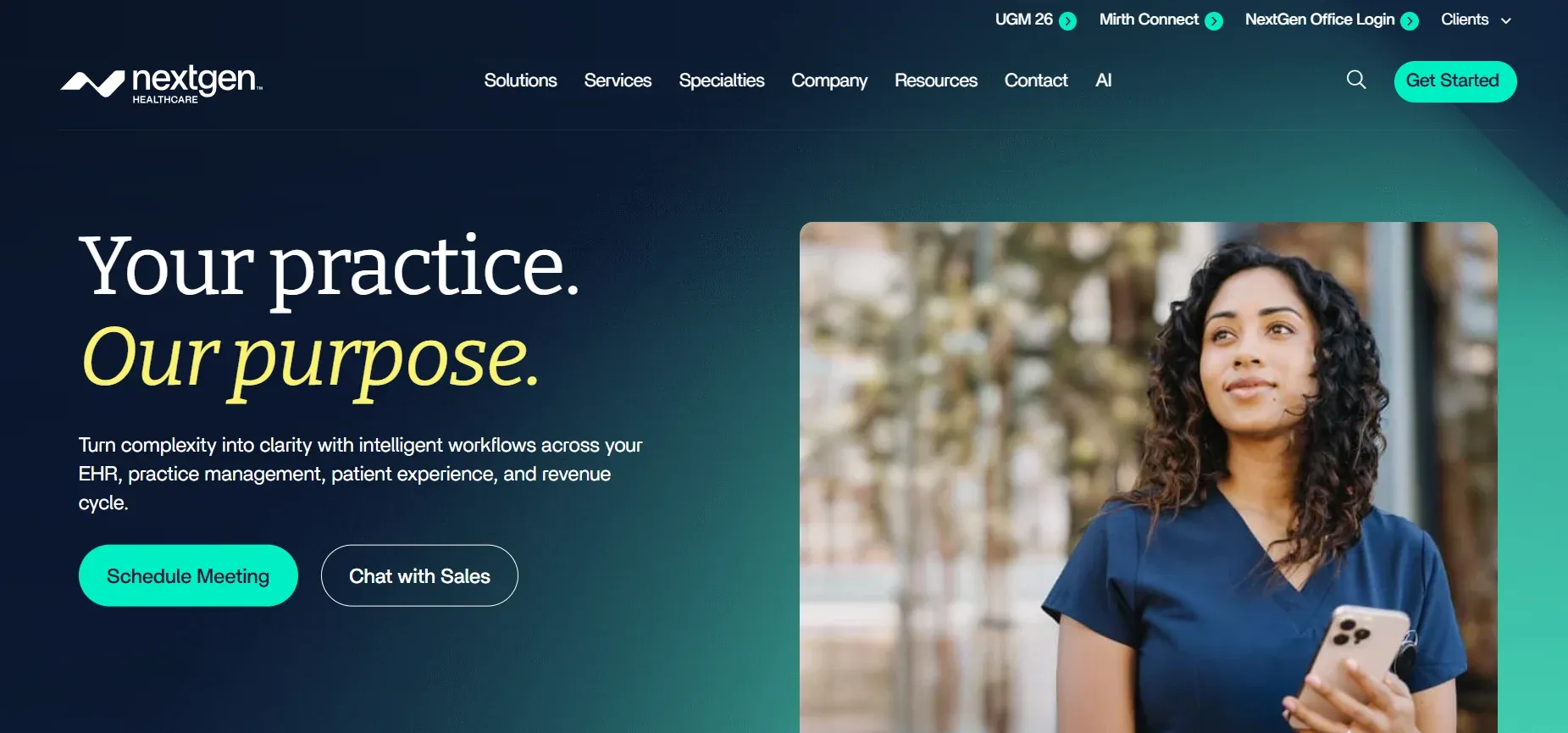
NextGen Healthcare is built for large clinics and enterprise healthcare networks, offering strong customization and analytics. It’s more complex than Practice Fusion and priced for scale, but with that comes more headaches for smaller shops.
Pricing: Not publicly disclosed, contact for quote.
- Enterprise-grade analytics and reporting
- Advanced customization for workflows
- Scalable to large organizations
- Complex and sometimes overwhelming interface
- Customization can require IT help
- Costs scale with user count and modules
6. Kareo (Tebra) (Small to midsize clinics)
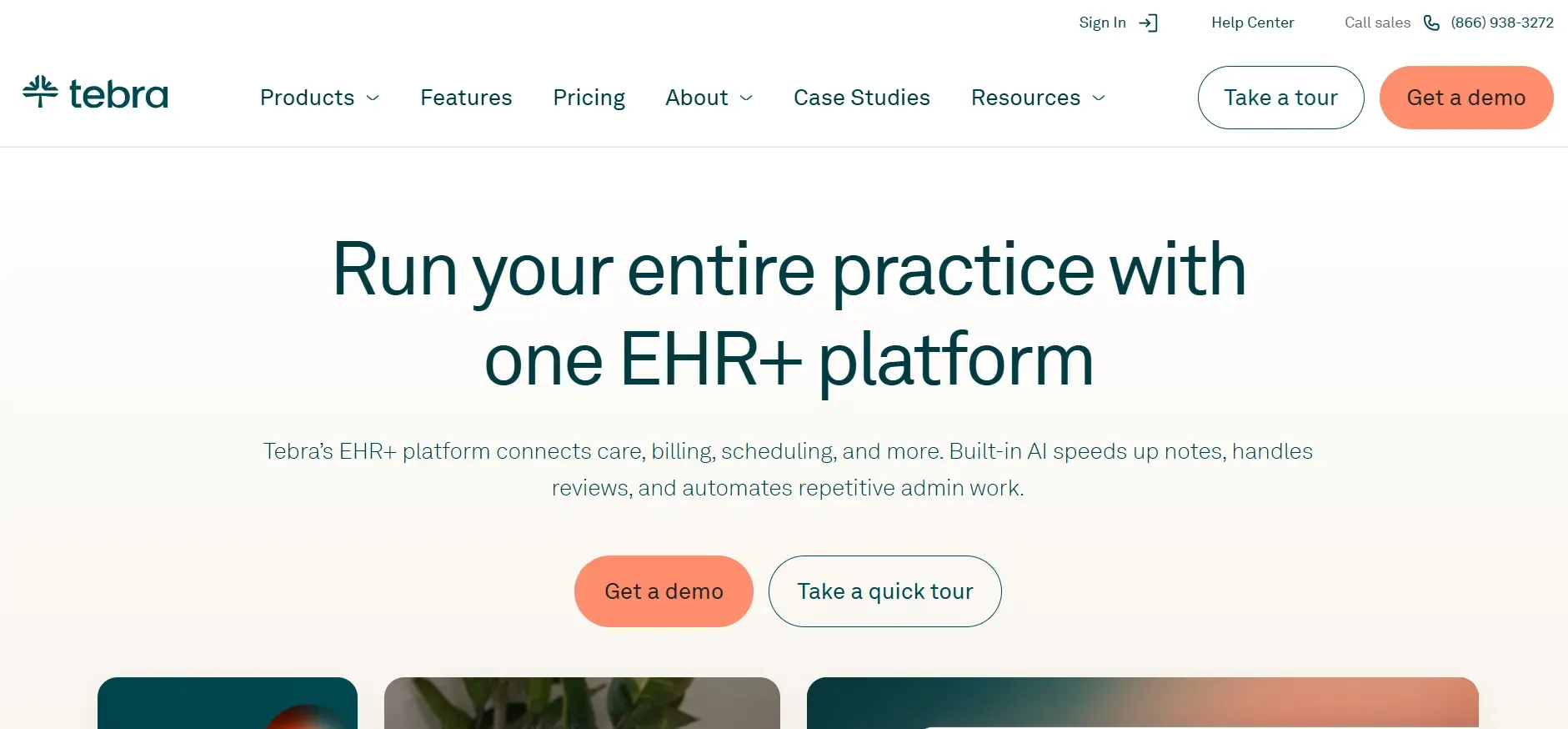
Kareo (now Tebra) focuses on small practices and independent clinics, with straightforward billing and scheduling. It’s often chosen as a Practice Fusion alternative for those who want a simpler setup, but still get stuck paying per user.
Pricing: Not publicly disclosed, contact for quote.
- User-friendly for small teams
- Integrated billing and claims
- Affordable entry-level plans
- Advanced features cost extra
- Limited scalability for larger practices
- Support can be inconsistent
With Devaims, you pay once for the features you want, not a monthly fee that grows with each new staff member.
7. Modernizing Medicine (High-specialty practices)
Modernizing Medicine (ModMed) targets high-specialty clinics, especially dermatology, ortho, and ophthalmology, offering template-rich EMRs and specialty modules. Compared to Practice Fusion, it’s more niche, but the price and lock-in are even deeper.
Pricing: Not publicly disclosed, contact for quote.
- Specialty-specific templates and tools
- Strong focus on specialty workflows
- Reputation for clinical detail
- Premium pricing for specialties
- Custom modules can add up fast
- Migration away can be tough
8. Epic (Large health systems)
Epic is the 800-pound gorilla for large hospitals and health systems. It’s not aimed at small practices, but some enterprise groups will consider it as a Practice Fusion alternative. Think custom contracts, seven-figure deals, and a very long implementation timeline.
Pricing: Custom enterprise quote only.
- Extensive features and integrations
- Industry standard for large healthcare
- Strong interoperability with networks
- High cost, only feasible for large systems
- Extensive training and onboarding required
- Not practical for small or midsize clinics
9. Cerner (Oracle Health) (Hospitals and networks)
Cerner (now part of Oracle Health) competes with Epic at the hospital and network level, offering massive scale and customization for those who can afford the enterprise ticket. It’s well beyond the price range of the typical primary care shop.
Pricing: Custom enterprise quote only.
- Customizable at scale
- Strong analytics and data tools
- Designed for interconnected health networks
- Enterprise-level pricing and contracts
- Heavy implementation and ongoing IT costs
- Complexity overkill for small practices
10. Devaims (Ownership, custom fit)
Devaims builds custom EMR and practice management platforms designed around your workflows, not someone else’s. You pay once to design, build, and own your system. No recurring license, no vendor lock, and the source code is yours. That means every feature, view, report, and integration you want can be part of your platform from day one, and you never pay more just because you grow or change.
- You own the software and the data, no more rent, ever
- Fully tailored to your practice, not a template
- No per-user or per-provider fees: scale as you grow
- Integrates exactly what you need, labs, billing, reporting
- Transparent, one-time build and flat maintenance costs
Other Practice Fusion alternatives worth knowing
- Elation Health, strong for independent primary care, but still a SaaS subscription.
- Healow, more of a patient engagement add-on than a full EMR, but some clinics use it to supplement their core EMR.
- Practice Fusion (for reference), still widely used, but the same recurring rent and annual contracts apply.
Some smaller EMRs or open-source options exist, but most lack the integrations, support, or compliance needed for modern primary care.
How to choose the right Practice Fusion alternative
- Budget: Calculate real five-year costs, not just upfront rates. Per-provider fees multiply fast at scale.
- Customization: Do you need unique workflows, custom reports, or integrations? Off-the-shelf tools are rarely flexible.
- Practice size: Some platforms (Epic, Cerner) are overkill for small clinics, while others (Kareo, Practice Fusion) may not scale well.
- Ownership: Decide if you want to rent forever or invest once to own your system and your data.
- Support: Look for real, responsive help, not just a ticket in a queue.
If you want the platform to fit your team, not the other way around, owning with Devaims is the only exit from the rent treadmill.
Stop paying rent on software you could own
Here’s the real frustration: every Practice Fusion alternative on this list keeps you renting. Whether it’s $199 per provider or a custom enterprise quote, you’re paying for someone else’s roadmap and permission to use your own data. That’s fine at first, until you realize the math. Year after year, the bill never ends, and you’re still stuck in their system.
Devaims builds are different. We design and deliver a custom EMR and practice management system that fits your needs, not a generic workflow. You keep the source code, the data, and the power to adapt. There’s no per-user fee, no forced upgrades, and no annual contract. You just own it. Period.
- No more per-provider tax: Add or subtract staff as you want. Your cost doesn’t change.
- Every workflow is yours: Reports, automations, and dashboards are built for your team.
- Your data is always in your hands: Integrate, export, and connect as you see fit.
- Flat, predictable maintenance: No surprise hikes or hidden fees, just a fair, fixed support agreement.
| Tool | Ownership | Recurring fees | Contract |
|---|---|---|---|
| Practice Fusion | Vendor-owned | $199/mo/provider | Annual |
| eClinicalWorks | Vendor-owned | $599/mo/provider | Varies |
| AdvancedMD | Vendor-owned | $429+ /mo/provider | Varies |
| Devaims (owned) | You own it | One-time build, flat maintenance | No contract |
| Year | Rent: Practice Fusion* | Rent: eClinicalWorks* | Owned: Devaims |
|---|---|---|---|
| Year 1 | $11,940 | $35,940 | $26,800 |
| Year 2 | $23,880 | $71,880 | $28,600 |
| Year 3 | $35,820 | $107,820 | $30,400 |
| Year 4 | $47,760 | $143,760 | $32,200 |
| Year 5 | $59,700 | $179,700 | $34,000 (now ahead) |
*Assumes 5 providers, base pricing, no premium add-ons. Devaims: $25,000 build plus $150/month maintenance.
Who gains the most from owning? Practices with five or more providers, those needing custom workflows, or anyone tired of writing a check for someone else’s roadmap. We’ll run the numbers for your exact clinic.
How to switch from Practice Fusion
- Export your patient records, schedules, and billing data from Practice Fusion using their export tools.
- Choose your new system and confirm migration support (Devaims handles this as part of every custom build).
- Import your data into the new platform, mapping fields as needed.
- Reconnect integrations: labs, clearinghouses, e-prescribing, payments.
- Train your staff on the new workflows and interfaces.
- Test the system in parallel for a week or two before full cutover.
- Review your old contract terms to avoid accidental renewals.
With a custom Devaims build, the migration is handled as part of the project.
Frequently asked questions
What is the best Practice Fusion alternative for small primary care clinics?
For small clinics, Kareo (Tebra) is often a practical choice for affordability and ease of use. If you want to avoid recurring rent and own your platform, Devaims is the only custom option.
Which Practice Fusion alternative is the cheapest?
Pricing varies, but Practice Fusion’s $199 per provider per month is on the lower end for SaaS EMRs. Some open-source options exist but usually lack support and compliance. Owning your system with Devaims is often cheaper if you plan to stay five years or more.
Is there a free Practice Fusion alternative?
There are open-source EMRs (like OpenEMR), but they require heavy IT management and rarely meet the integration and compliance needs of most primary care clinics.
Can I keep my data if I leave Practice Fusion?
You can export data, but the process can be cumbersome and never includes every custom field or integration. With Devaims, you always own your data and the code.
How do costs compare for 5 providers over five years?
Practice Fusion will cost about $59,700 for five providers in five years. Devaims builds start around $25,000 plus flat maintenance, with ownership breaking even by year five or sooner. This is why so many search for Practice Fusion alternatives.
Which alternative offers the best customization?
All SaaS EMRs offer some configuration, but only Devaims gives you full control, every workflow, report, and integration is yours to define.
When should a practice switch to an owned platform?
If you’re scaling, need custom workflows, or are tired of per-user fees, it’s time to consider owning. Practices making five-year plans get the most value from a custom build.
The bottom line
If you’re tired of paying per provider for software you never own, the only way out is to build your own. All the big names, DrChrono, eClinicalWorks, AdvancedMD, offer more features, but not more freedom.
Here’s the single most useful decision rule: Add up your five-year rent. If that number would have covered a custom build you own, you’re already overpaying. Owning your EMR isn’t just about cost, it’s about control, flexibility, and peace of mind.
Want more insights? Visit the Devaims blog or see our deep dives on other alternatives: AdvancedMD alternatives, eClinicalWorks alternatives, and Athenahealth alternatives.