

Ever tried to pull a custom implant report from Cerner only to hit a "premium feature" paywall? Or watched your monthly bill climb as your orthopedic clinic adds staff, even though the software itself barely changes? If so, you’re in the crowd of clinics quietly shopping for Cerner alternatives, before another contract cycle locks you in.
Here’s the honest scoop: Modernizing Medicine and Nextech are strong for orthopedics, Kareo (Tebra) and AdvancedMD are flexible, and Athenahealth, ChartLogic, OpNote, and Greenway Health cover every angle from EHR to billing. But every SaaS option means renting. Only Devaims lets you own a platform built for your workflows, with the source code in your hands.
Let’s break down the real Cerner alternatives and why owning your stack might finally make sense.
Why orthopedic clinics look for Cerner alternatives
Orthopedic clinics are demanding more from their EMR and practice management systems than ever before. The pressure to improve efficiency, control costs, and comply with evolving regulations is intense. Here’s why so many are reconsidering Cerner:
- Rising per-provider costs: Cerner’s pricing structure penalizes growth. As you add physicians, nurse practitioners, physician assistants, or even administrative staff, your monthly bill swells. Many clinics also encounter hidden fees for integrations, premium support, or access to enhanced analytics, costs that are difficult to predict and budget for.
- Contract lock-in: Cerner typically requires multi-year agreements. Breaking these contracts early can trigger steep termination fees, and even after you leave, extracting your data for migration can be a significant operational and financial hurdle. The lack of portability means clinics often feel stuck long after they’re dissatisfied.
- Slow, clunky workflows: Orthopedics has unique documentation, imaging, and device integration needs. Customizing Cerner for these workflows often requires IT intervention or paid consulting, resulting in delays and ongoing frustration for clinicians and staff. Even with “custom fields,” clinics report slow response times and limited flexibility.
- Surprise add-on fees: Essential features, like advanced surgical reporting, telehealth, device integration, or even secure patient messaging, are often locked behind higher-tier plans or charged as add-ons. This makes your total cost of ownership unpredictable and can lead to difficult trade-offs between cost and clinical efficiency.
- Limited ownership: Ultimately, Cerner is rented software. You don’t control the roadmap, can’t see the source code, and have little recourse if features are deprecated or prices increase. Clinics looking for long-term stability and autonomy are increasingly seeking alternatives that offer more ownership and control.
Quick comparison of the best Cerner alternatives
| Tool | Best for | Starting price | You own it? |
|---|---|---|---|
| Modernizing Medicine (Ortho) | Orthopedic-specific EHR | Reported around $799/mo per provider | No, subscription-based |
| Nextech | Integrated practice management | Custom quote | No, subscription-based |
| Kareo (Tebra) | Small to mid clinics | Reported from $125/mo per provider | No, subscription-based |
| AdvancedMD | Multi-location groups | Custom quote | No, subscription-based |
| Athenahealth | Enterprise-scale practices | Reported 4% to 7% of collections | No, subscription-based |
| ChartLogic | Voice charting | Reported from $350/mo per provider | No, subscription-based |
| OpNote | Surgical documentation | Custom quote | No, subscription-based |
| Greenway Health | Ambulatory clinics | Reported from $400/mo per provider | No, subscription-based |
| Devaims | Owning your clinic’s stack | One-time build, you own it | One-time build, you own it |
Always confirm current pricing before you decide. Vendors change rates and tiers often. Look beyond the sticker price to total cost of ownership, especially as your clinic scales or your needs evolve.
The 9 best Cerner alternatives
1. Modernizing Medicine (Ortho) (Orthopedic-specialty EHR)
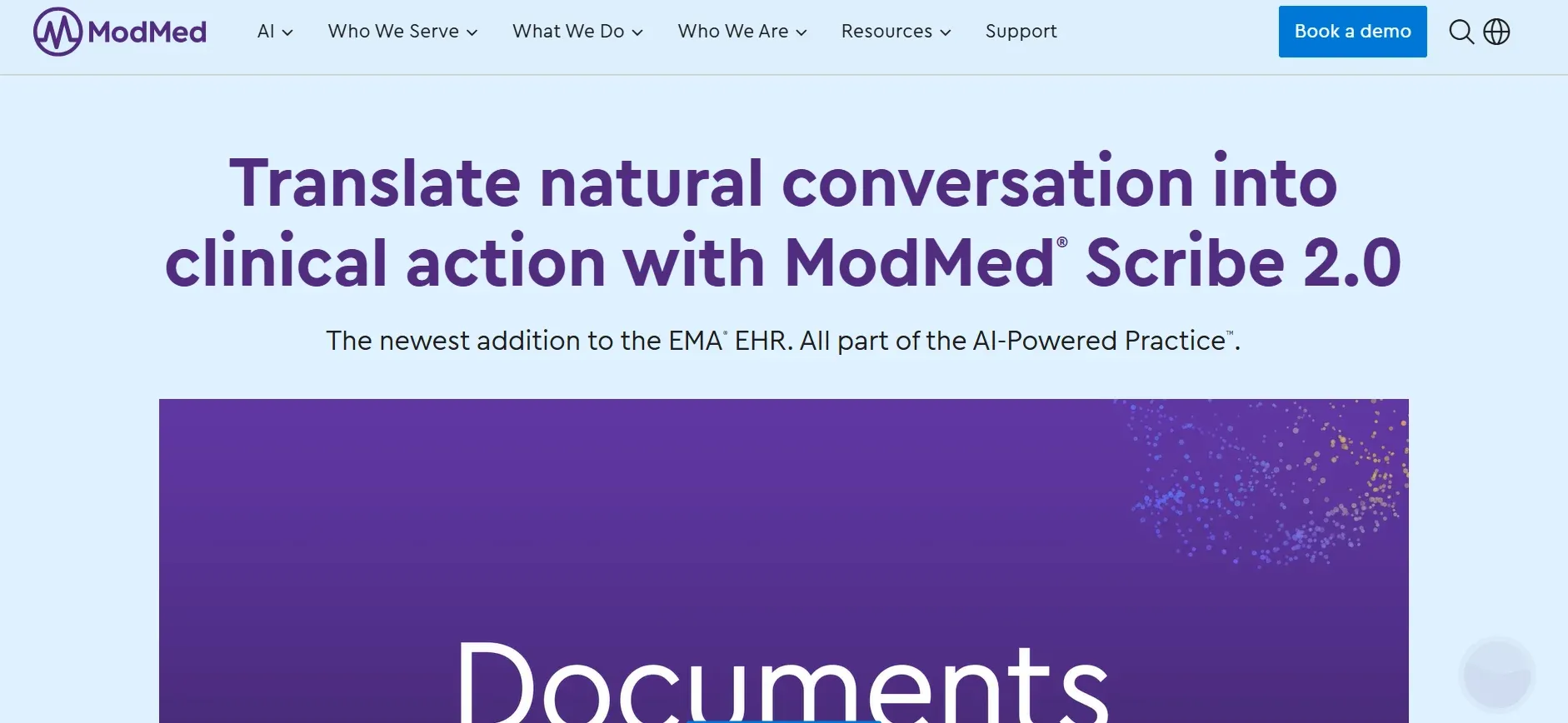
Modernizing Medicine (often called “ModMed”) is designed specifically for orthopedic practices. Its flagship product, EMA Orthopedics, provides an extensive library of orthopedic templates, built-in outcome measurements like PROMIS and ASES, and a highly visual, iPad-based charting experience. This makes it a favorite for practices seeking a system that mirrors the way orthopedic physicians think and work.
- Pricing: Reported around $799/month per provider, with additional fees for telehealth, analytics, and advanced reporting.
- Key limitations:
- High per-provider monthly cost, especially for larger groups
- Telehealth and analytics incur extra fees
- Customizations require vendor involvement, no code ownership
- Strengths:
- Deep orthopedic specialty content and adaptive charting
- Integrated outcome tracking and compliance tools
- Mobile-friendly, visual interface for clinicians
On a custom Devaims build, you’d own every workflow and could tweak templates instantly, without waiting on a vendor roadmap or incurring extra consulting fees.
2. Nextech (Practice management integrator)
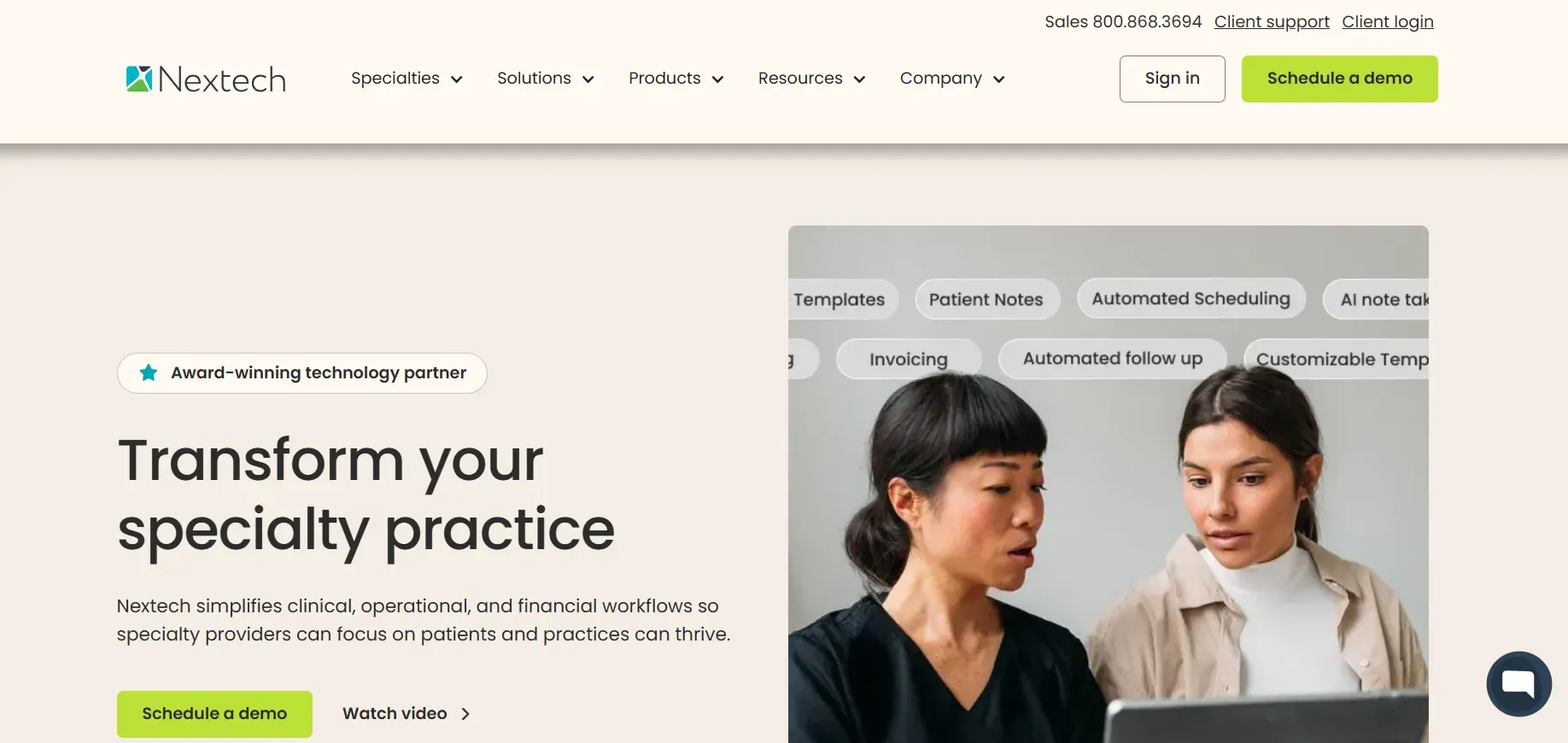
Nextech is an integrated EHR, practice management, and revenue cycle management (RCM) platform that caters to high-volume specialty clinics, including orthopedics. Nextech’s strength lies in its unified approach: scheduling, documentation, billing, and patient engagement all live in one system, reducing double entry and silos.
- Pricing: Custom quote; costs can escalate with add-ons and customizations.
- Key limitations:
- No public pricing, costs rise with add-ons
- Customizations require paid consulting
- Data remains in vendor’s cloud, no code ownership
- Strengths:
- Unified platform for scheduling, billing, and documentation
- Customizable templates and analytics
- Cloud-based with mobile access
3. Kareo (Tebra) (Small to midsize clinics)
Kareo (now part of Tebra) is a cloud-based EHR and practice management suite aimed at small to midsize medical clinics, including orthopedics. Its appeal is simplicity: a clean, user-friendly interface, fast onboarding, and a suite of core features that covers most outpatient needs.
- Pricing: Reported from $125/month per provider; add-ons cost extra.
- Key limitations:
- Limited deep orthopedic features and analytics
- Add-ons increase total cost
- No code or data ownership beyond standard exports
- Strengths:
- Simple, intuitive interface for fast onboarding
- Integrated billing and claims management
- Affordable entry price for small clinics
On software you own, like Devaims, adding new features doesn’t mean moving to a higher tier or a surprise price increase. It’s just part of your system.
4. AdvancedMD (Multi-location orthopedic groups)
AdvancedMD is a cloud-based EHR and practice management platform built for mid-sized to large clinics and multi-location groups. Its modular design lets clinics assemble a suite of tools for scheduling, documentation, billing, telehealth, and patient engagement.
- Pricing: Custom quote; pricing rises with modules and integrations.
- Key limitations:
- Opaque pricing, costs rise with modules
- Interface can feel generic for orthopedics
- No code ownership, all customizations are subscription-based
- Strengths:
- Comprehensive suite for large and multi-site groups
- Robust analytics and telehealth features
- Supports HL7, FHIR, and direct integrations
5. Athenahealth (Enterprise-scale practices)
Athenahealth is a SaaS EHR and practice management platform built for large, enterprise-scale practices and health systems. Its cloud-first design and focus on interoperability make it a frequent Cerner competitor in the hospital and large group space.
- Pricing: Reported 4% to 7% of collections; long-term contracts standard.
- Key limitations:
- Pricing scales with practice revenue
- Long-term contracts and limited flexibility for custom integrations
- Data and workflows controlled by Athenahealth
- Strengths:
- Comprehensive EHR and revenue cycle management
- Deep interoperability with hospital systems and payers
- Frequent updates for regulatory compliance
With Devaims, you own the integration logic. When payers, devices, or regulatory requirements change, you’re never stuck waiting on a vendor fix.
6. ChartLogic (Voice-first charting)
ChartLogic is a cloud-based EHR platform focused on voice-driven charting and rapid note creation. Orthopedic surgeons who prefer dictation over clicking through menus appreciate ChartLogic’s speed and accuracy. The platform is less comprehensive on billing and reporting, but excels at fast, detailed documentation.
- Pricing: Reported from $350/month per provider; add-ons for billing and analytics.
- Key limitations:
- Not a full practice management suite
- Reporting is limited without add-ons
- No code ownership, updates controlled by vendor
- Strengths:
- Fast, accurate voice-driven charting
- Customizable templates for orthopedic procedures
- Easy onboarding for clinicians who prefer dictation
7. OpNote (Surgical documentation)
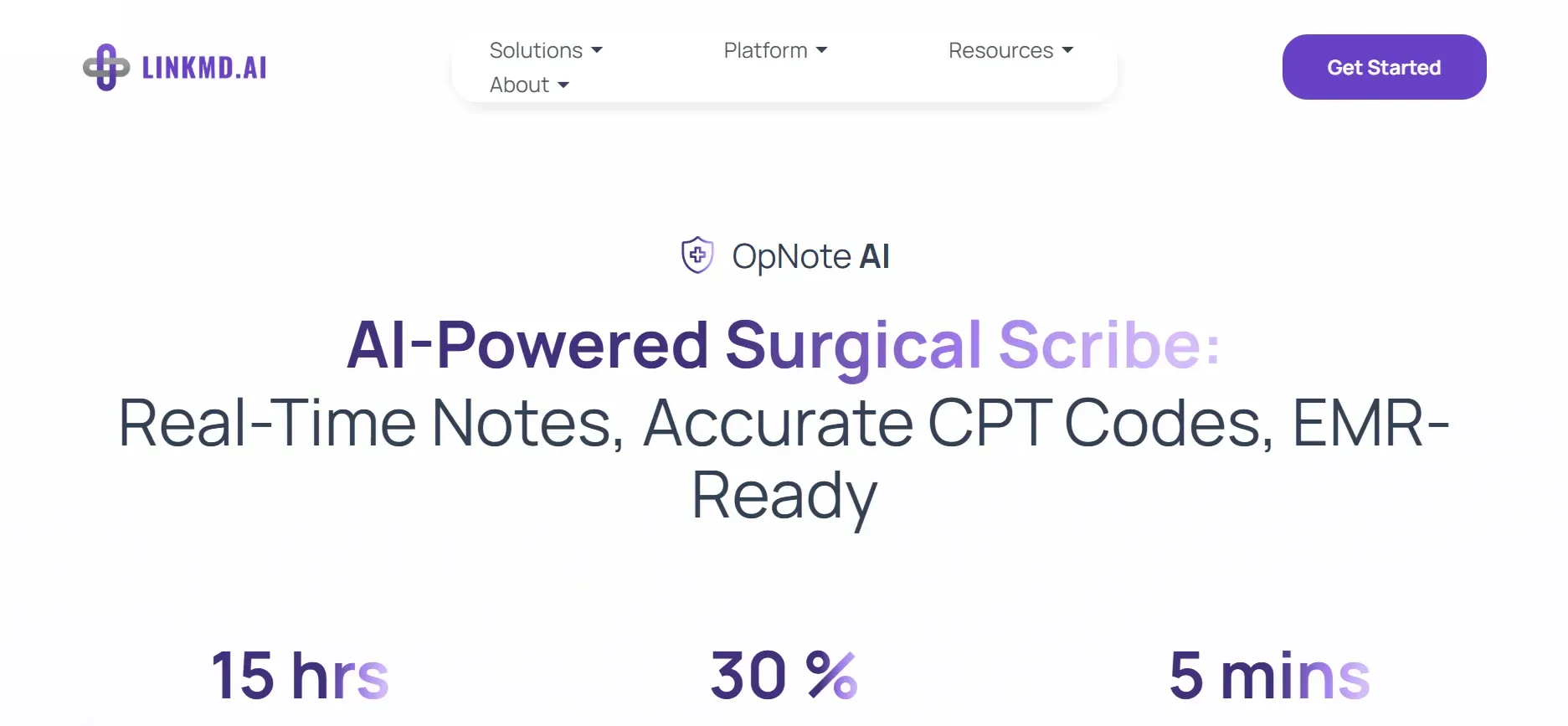
OpNote is a web-based surgical documentation tool purpose-built for rapid, standardized operative notes. It is often adopted by orthopedic surgeons who are frustrated with the cumbersome surgical note workflows in Cerner or general EHRs. OpNote is not a full EHR, but it solves a critical pain point for surgical teams.
- Pricing: Custom quote; typically per-user or per-case pricing.
- Key limitations:
- Not a full EHR, handles only surgical notes
- Integration with other platforms can be challenging
- No code or platform ownership
- Strengths:
- Rapid, standardized operative documentation
- Customizable templates and implant tracking
- Designed for speed and consistency in the OR
8. Greenway Health (Ambulatory clinics)
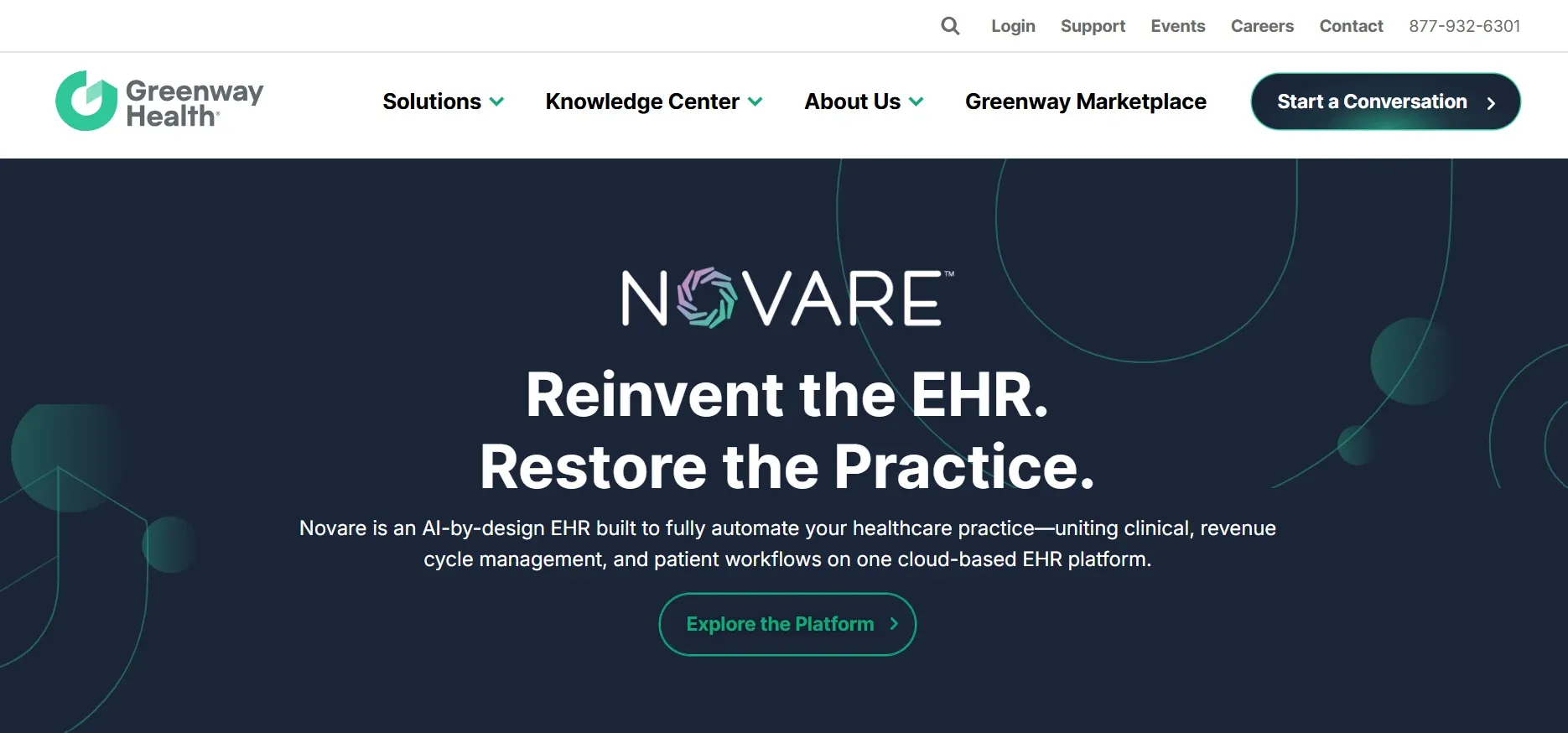
Greenway Health is a comprehensive EHR and practice management suite with a focus on ambulatory care settings, including orthopedics. Its flagship product, Intergy, is known for flexible configuration and compliance features.
- Pricing: Reported from $400/month per provider; add-ons for telehealth and analytics.
- Key limitations:
- User interface can feel dated
- Support response times may vary
- No source code or platform ownership
- Strengths:
- Flexible documentation and compliance tools
- Integrated scheduling, billing, and reporting
- Marketplace for add-ons and integrations
9. Devaims (Owning your orthopedic stack)
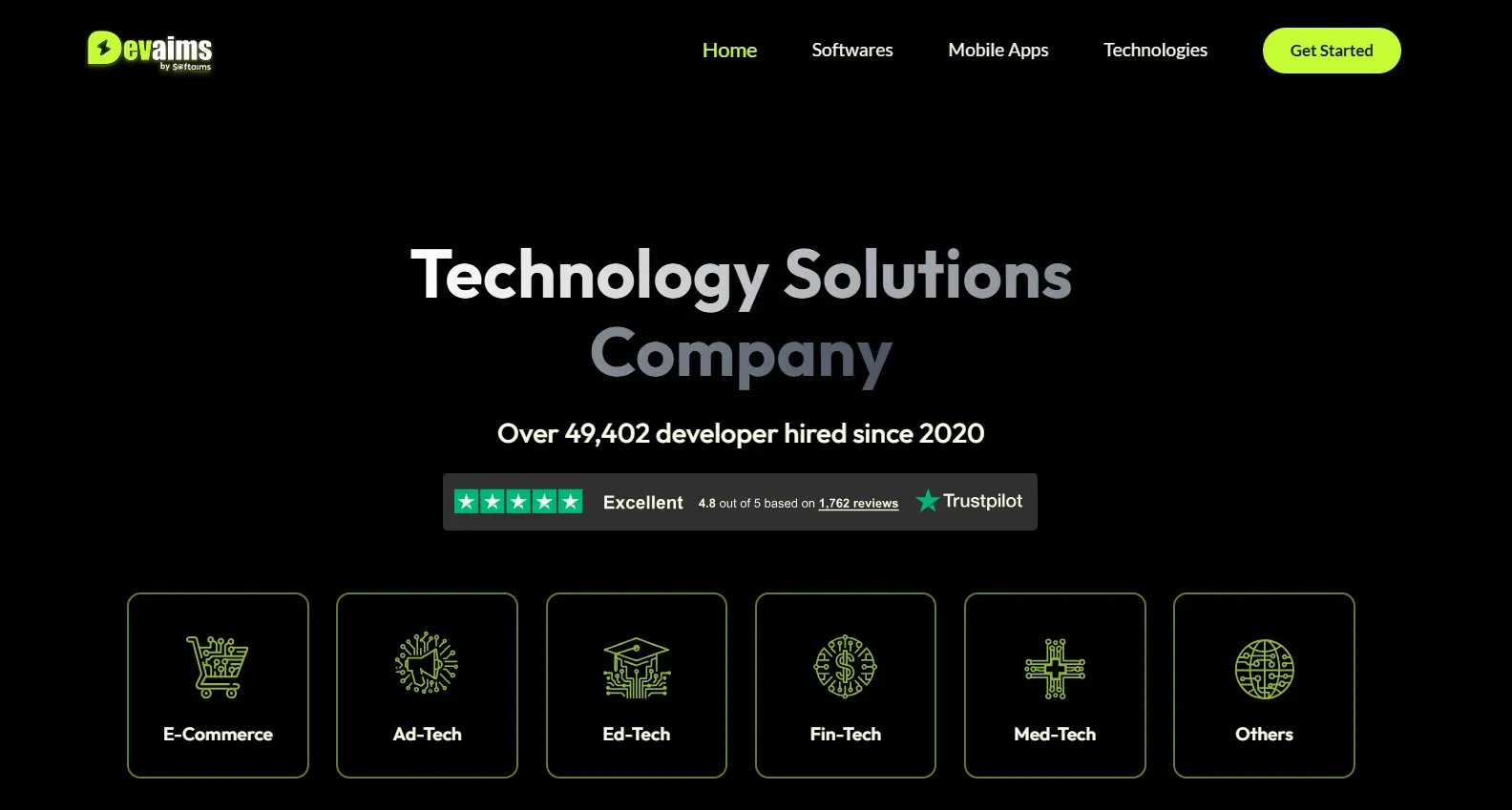
Devaims builds custom web, mobile, and business software for orthopedic clinics, then hands you the source code to own outright. Instead of renting forever, you pay once to build, then only for maintenance. No per-user fees, no locked modules, no contract lock-in. Your workflows, your data, your system.
- You own the entire platform and source code
- Workflows, reports, and features built for your exact needs
- No per-user or per-provider fees, just flat maintenance
- Integrations, analytics, and device support are yours to define
- Freedom to scale, modify, or migrate as you wish
Other Cerner alternatives worth knowing
- Raintree: Solid for therapy and rehab, with customizable workflows for outpatient and post-acute care. Less common in surgical orthopedics due to limited deep surgical features.
- Epic: The market leader for hospitals and large health systems. Epic is powerful and offers deep interoperability, but is often cost-prohibitive and overly complex for most private orthopedic clinics. Implementation can take years and require a dedicated IT team.
- DrChrono: A popular cloud EHR for ambulatory settings. DrChrono is easy to use and offers a robust app ecosystem, but orthopedic-specific features like implant tracking are thin. Best for small clinics with general needs.
- CareCloud: Flexible and modern, with integrated EHR, practice management, and RCM. CareCloud is more generalist than orthopedic-focused, so clinics with complex surgical workflows may find it limiting.
How to choose the right Cerner alternative
- Budget: SaaS options are cheaper short-term but add up. Custom builds cost more up front but can save big over time. Always run a five-year total cost of ownership analysis, factoring in potential growth, add-ons, and integration fees.
- Specialty fit: If your clinic is highly specialized, pick a tool that speaks orthopedic, not just "medical." Review template libraries, device integrations, and reporting features to ensure they match your practice’s needs.
- Integration needs: If you’re running imaging, scheduling, and billing across systems, check how open the platform really is. Ask vendors for real-world integration case studies and references, not just promises.
- Ownership: If long-term flexibility and control matter, look for options that offer true data and code ownership. Consider the risks of vendor lock-in and the impact on your clinic’s ability to adapt or innovate.
- Scale: Consider whether per-user fees will hurt as your clinic grows. SaaS pricing models can become unsustainable for multi-site groups or clinics planning to add providers and locations.
If you want a system that’s truly yours, it might be time to build and own the platform that runs your clinic.
Stop paying rent on software you could own
Every tool above is rented. No matter how well it fits now, you’re always one price hike, feature deprecation, or contract renewal away from another round of headaches. With Devaims, you break that cycle: you own the platform, the workflows, and the source code, and nobody can pull the rug out from under your clinic.
Devaims is a custom software agency that builds web, mobile, and business systems for orthopedic clinics, then hands you the code. No black boxes, no forced upgrades, no vendor lock-in. You decide what gets built. You control your own data and integrations. You pay to build it, then enjoy a flat maintenance cost, no more per-user or module fees draining margins.
- Per-user fees disappear: Add providers, schedulers, or locations without seeing your bill jump. This is especially important for clinics that plan to grow or add satellite offices.
- Custom workflows, your way: Get the exact templates, analytics, and integrations you need, instead of workarounds or waiting on a vendor roadmap. Whether it’s custom implant registries, real-time device integration, or complex payer reporting, you control the priorities.
- Data and reporting freedom: Own your data, run your own reports, and adapt as your clinic grows. No need to pay extra for “premium” reporting or wait for feature releases.
- No contract lock: Cancel maintenance anytime, keep your system forever. You are never forced into upgrades or price increases. Your data and workflows stay with you, even if you choose a new IT provider.
| Platform | Ownership | Per-user fees? | Contract required? |
|---|---|---|---|
| Cerner | Vendor-owned | Yes | Yes |
| Modernizing Medicine | Vendor-owned | Yes | Yes |
| Nextech | Vendor-owned | Yes | Yes |
| Devaims (custom build) | You own it | No | No |
Let’s run the five-year math. Assume your clinic has 8 providers, using a typical SaaS at $750/month each (with add-ons):
| Year | Rent (SaaS cumulative) | Own (Devaims cumulative) |
|---|---|---|
| 1 | $72,000 | $34,200 |
| 2 | $144,000 | $37,800 |
| 3 | $216,000 | $41,400 |
| 4 | $288,000 | $45,000 |
| 5 | $360,000 | $48,600 (now ahead) |
For a typical orthopedic clinic, owning pays off by year 2. After that, every dollar you would have spent on SaaS is money left in your practice, and your platform grows with you. This model also protects your practice from future price increases and feature deprecations that can disrupt operations and budgeting. If you factor in the cost of downtime, lost productivity, or workarounds when SaaS tools don’t fit your workflow, the long-term savings and control become even more compelling.
How to switch from Cerner
- Export all patient, billing, and scheduling data from Cerner. Request this early, as Cerner data exports can take weeks and may involve fees. Be sure to specify all custom fields, attachments, and historical data (including scanned documents, imaging links, and user notes).
- Choose your new platform and confirm technical compatibility. Ensure your new system (SaaS or custom) supports importing your data formats. Ask for references from clinics who have migrated from Cerner.
- Import historical data into your new system. This step often involves mapping fields, cleaning up duplicates, and validating that attachments, images, and notes are preserved. It’s critical to test the import process on a subset of records before doing a full migration.
- Reconnect payment processors, labs, imaging, and any third-party integrations. Make a checklist of all connected systems, billing clearinghouses, PACS, labs, e-prescribing services, and patient engagement tools, to ensure nothing is missed during go-live.
- Train staff on the new workflows, templates, and reporting features. Schedule hands-on training and provide documentation or video walkthroughs. Consider appointing “super users” to help with adoption and troubleshooting.
- Test the new system in parallel before cutting over fully. Run both systems side by side for a short period to ensure data accuracy, workflow fit, and user comfort. Address any gaps or issues before finalizing the switch.
- Review Cerner contract for exit terms and close out the account. Make sure all data is exported and validated before terminating your Cerner contract. Document all communications and keep records of your data exports for compliance.
With a custom Devaims build, the migration is handled as part of the project, with a focus on minimizing disruption and preserving all your critical data and workflows.
Frequently asked questions
What is the best Cerner alternative for orthopedic clinics?
The strongest Cerner alternatives for orthopedic clinics are Modernizing Medicine, Nextech, and Devaims for those ready to own their system. ModMed offers the deepest orthopedic-specific templates and workflows, while Nextech excels at integrated scheduling and billing. Devaims is the only option that gives you true ownership, custom workflows, and freedom from per-user fees. The right pick depends on your workflow complexity, integration needs, and appetite for recurring costs versus upfront investment.
Which Cerner alternative is the cheapest?
Kareo (Tebra) and WebPT offer the lowest entry prices, with plans starting around $99 to $125/month per provider. However, recurring per-user fees add up quickly for growing clinics, especially when you factor in add-ons for telehealth, e-prescribing, or analytics. Over five years, a Devaims build can actually be less expensive for mid- to large groups that want to own their platform, since the investment is fixed and not tied to the number of users or locations. Always compare total five-year costs before deciding.
Is there a free Cerner alternative?
There are limited free EHR options, such as OpenEMR and Practice Fusion, but none are truly fit for orthopedic clinics that need robust surgical workflow, device integrations, or advanced reporting. Most free tools lack compliance features, ongoing support, and specialty content. Owning your own platform with Devaims gives you full control, but is not free, it’s an investment with a clear payoff period and no recurring per-user fees.
What is the best Cerner alternative for surgical documentation?
OpNote specializes in surgical note-taking and is used by many orthopedic surgeons for rapid, standardized operative documentation. Modernizing Medicine covers more comprehensive orthopedic workflows, including surgical documentation, outcome tracking, and MIPS/MACRA compliance. For full ownership and workflow control, Devaims is the only alternative that lets you define documentation from scratch, ensuring your surgical notes, implant tracking, and device integrations exactly match your needs.
How do I migrate from Cerner to another system?
Export your data (including all custom fields and attachments), choose your new platform, map and import records, and train your team. It’s critical to review data mapping with your new vendor or IT partner to avoid losing important information. Many clinics work with vendors or consultants to smooth the move, and some SaaS providers include migration in their onboarding package. With a Devaims custom build, migration is included as part of the project, with a focus on comprehensive data mapping and minimal disruption.
Can I keep my Cerner data if I switch?
You have the right to export your data from Cerner, but the process can be complex and may incur fees, especially for custom reports or attachments. Ensure you request all data in a usable format and verify the completeness before terminating your contract. With an owned solution from Devaims, you keep everything, data, workflows, and platform, forever, and can export or migrate as needed in the future.
When should an orthopedic clinic switch from Cerner?
When costs, workflow limitations, or contract lock-in get in the way of growth, it’s time to compare Cerner alternatives. If your clinic is struggling with inefficient documentation, integration headaches, or unpredictable pricing, a switch can improve both clinical outcomes and financial health. If you’re ready to control your tech destiny, own your data, and eliminate recurring software rent, owning with Devaims is the next step.
The bottom line
If you’ve made it this far, here’s the honest test: add up what Cerner (or any SaaS) will cost your clinic over the next five years. If that number could buy you a platform you own, the decision is clear. Owning your system with Devaims means no more rent, no surprise hikes, and total freedom to adapt as you grow. Take control of your clinic’s future, and your bottom line.
For more expert insights, see the Devaims blog and related guides: Epic alternatives, AdvancedMD alternatives, and Athenahealth alternatives. For broader EHR trends, see the ONC Health IT and HIMSS EHR resources.