

If you run an optometry practice, you know exactly how it feels: another price hike, another integration you have to pay extra for, another year of renting your own schedule, records, and data. Net Health Optometry gets the job done, but it can feel like you’re paying rent on your own business, month after month, with no end in sight.
There’s a growing list of Net Health alternatives out there, some with more features, some with sleeker UIs, some with the same old headaches. If you’re shopping for a way out, you want honest answers: which platforms actually make your life easier, which ones just shift the pain, and whether it’s finally time to own your software instead of leasing it. This guide breaks down the top picks, Eyefinity, RevolutionEHR, Crystal PM, Compulink, MaximEyes, OfficeMate, Modernizing Medicine (Eyes), MDVista, Kareo, and shows you why more practices are switching to custom solutions like Devaims that you own outright.
Ready to see what your next five years could look like if you stopped paying rent? Let’s get into the real Net Health alternatives.
Why optometrists look for Net Health alternatives
Surprise price increases: Subscription fees don’t stay flat. Many Net Health users have seen rates climb over time, especially when adding users or locations.
Locked-in contracts: Yearly agreements make it hard to leave or renegotiate. Switching can mean penalties or headaches.
Paywalled features and add-ons: Essential features, like advanced reporting, custom forms, or e-prescribing, are often behind higher-priced tiers or require “premium” add-ons.
Integration friction: Want to connect with your optical lab, patient engagement tools, or accounting software? Expect to pay for each integration or manage workarounds.
Ownership limits: Your data lives on their servers, and you never own the software. Every year you rent, you’re building someone else’s asset. That’s why so many are searching for Net Health alternatives.
Quick comparison of the best Net Health alternatives
| Tool | Best for | Starting price | You own it? |
|---|---|---|---|
| Eyefinity | VSP practices, insurance integration | Reported around $400/month | No, SaaS |
| RevolutionEHR | Cloud-first, all-in-one | Reported around $385/month | No, SaaS |
| Crystal PM | Customizable layouts | Reported around $299/month | No, SaaS |
| Compulink | Large, multi-location practices | Reported around $499/month | No, SaaS |
| MaximEyes | Customizable workflows | Reported around $350/month | No, SaaS |
| OfficeMate | On-premise control | Reported around $250/month | No, SaaS |
| Modernizing Medicine (Eyes) | Ophthalmology, specialty features | Reported around $499/month | No, SaaS |
| MDVista | Custom integrations | Reported, varies | No, SaaS |
| Kareo | Small practices, billing | Starts around $125/month | No, SaaS |
| Devaims | Owning your software | One-time build, then flat maintenance | One-time build, you own it |
Always confirm current pricing before you decide. Add-ons, integrations, and user counts can move your monthly cost up quickly.
The 9 best Net Health alternatives
1. Eyefinity (Best for VSP integration)
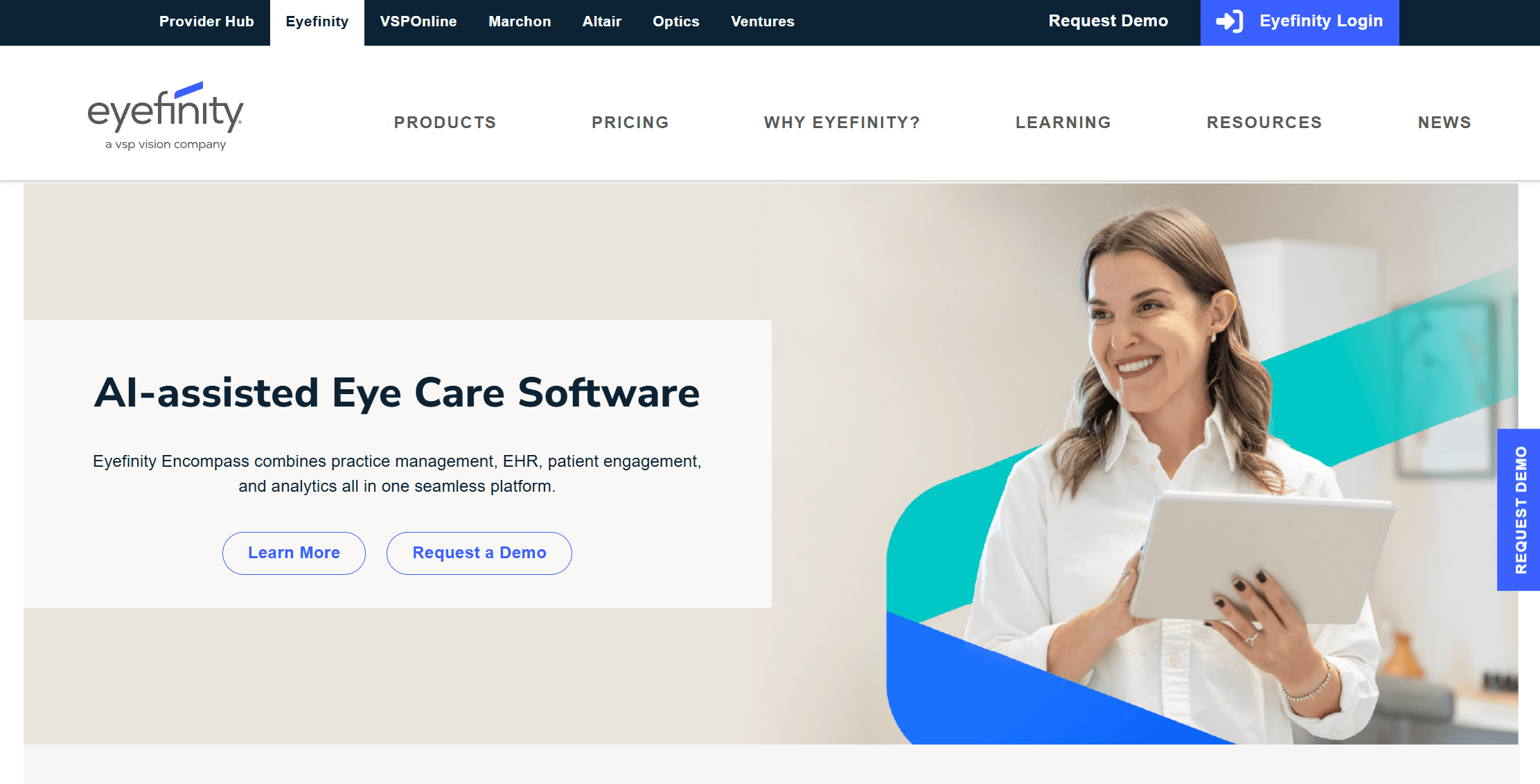
Eyefinity is well-known for its tight integration with VSP insurance, making it a favorite for practices that rely heavily on vision plans. Compared to Net Health, you get a slicker patient portal and better claims automation, but at a premium monthly price.
Pricing: Reported around $400/month per provider. See the Eyefinity pricing page.
- VSP claims integration is best in class
- Modern, mobile-friendly interface
- Good patient engagement tools
- Per-provider monthly fees add up fast for multi-doc practices
- Some reporting and inventory features locked to higher tiers
- Integrations outside VSP ecosystem can require extra work or fees
If you ever wanted a feature outside the VSP ecosystem, a custom build like Devaims gives you control, it’s your workflow, not theirs.
2. RevolutionEHR (Best for all-in-one cloud)
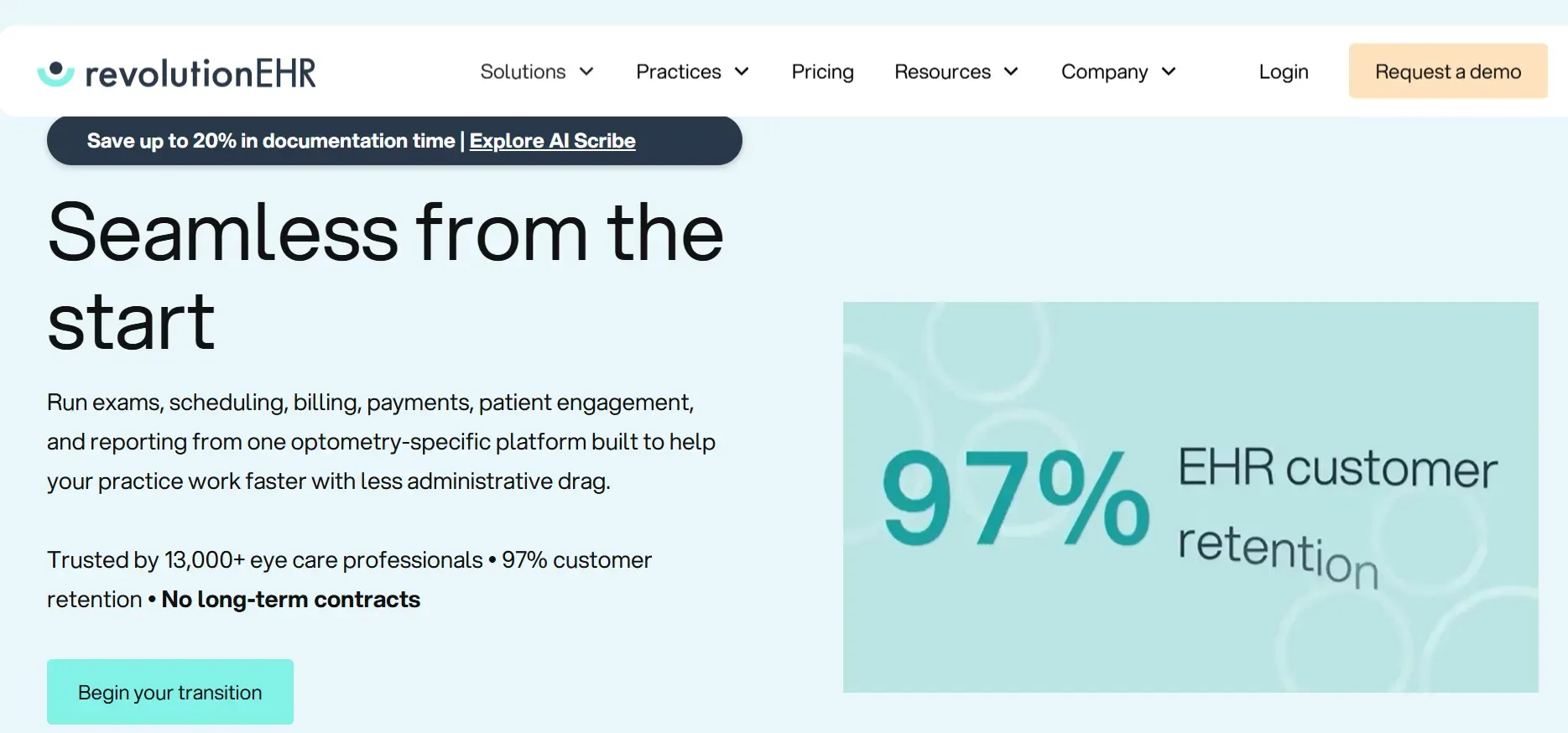
RevolutionEHR is a popular, cloud-native EHR built for optometry. It handles scheduling, billing, and basic optical inventory out of the box. Compared to Net Health, it’s more modern but still subscription-based.
Pricing: Reported around $385/month per provider. See RevolutionEHR’s site for current info.
- All-in-one suite covers most needs
- Cloud access from any device
- Strong user community for support
- Monthly per-provider pricing grows with your team
- Some integrations (accounting, patient engagement) are paid add-ons
- Custom reports often require support or extra cost
On a Devaims-owned platform, extra users or new reports don’t cost more, it’s your system.
3. Crystal PM (Best for customizable records)
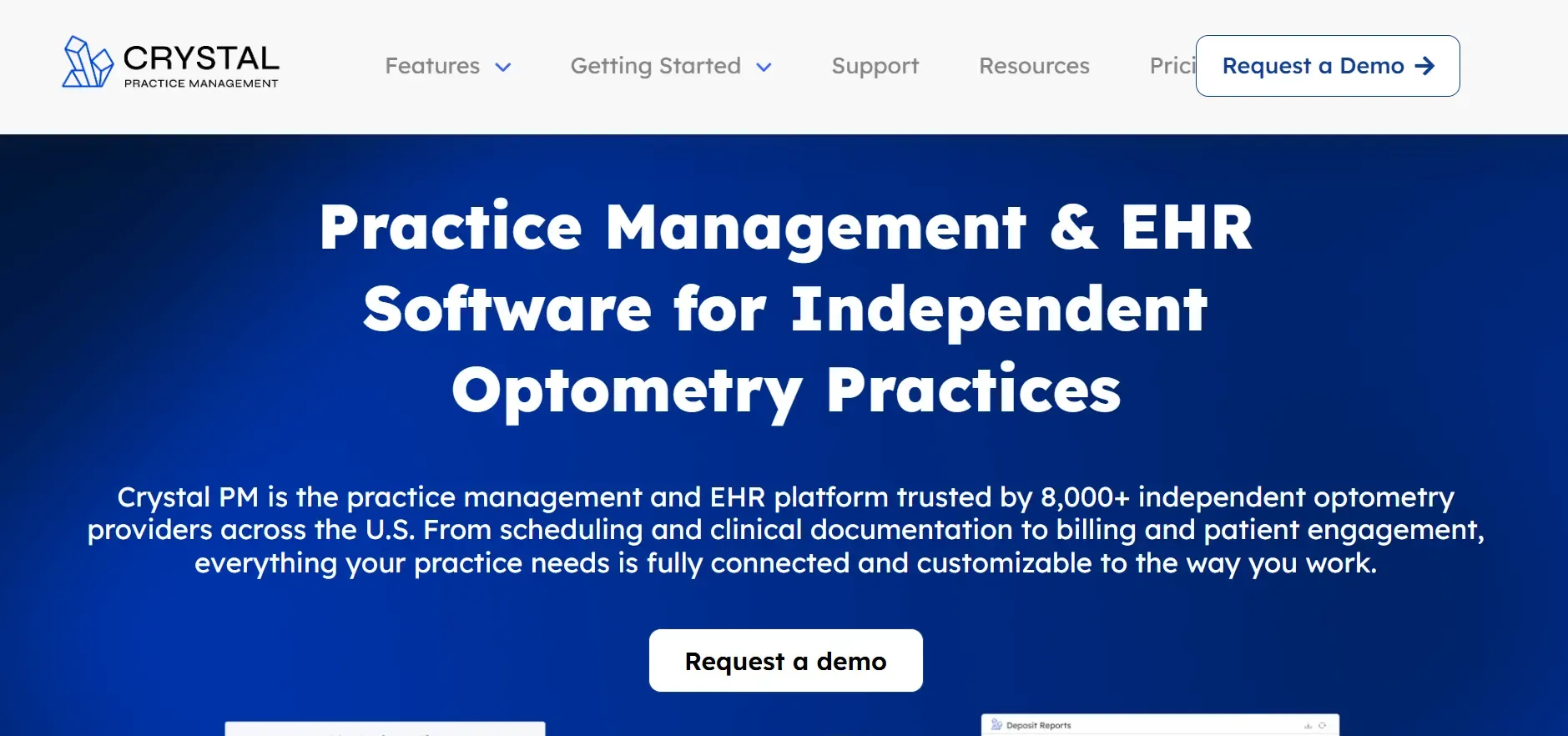
Crystal PM is a flexible EHR with deep customization for forms and templates. If you’re tired of Net Health’s rigid templates, this could be a breath of fresh air, but the price is still monthly, and true custom workflows can get tricky.
Pricing: Reported starting at $299/month per provider. Crystal PM pricing.
- Highly customizable exam templates
- Good for practices with unique workflows
- Integrates with many labs and devices
- Interface feels dated compared to competitors
- Advanced features require additional setup or fees
- No ownership, only SaaS model
4. Compulink (Best for large, multi-location practices)

Compulink targets enterprise and multi-location optometry and ophthalmology groups. It’s packed with features for scheduling, EHR, billing, and even ASC management. Compared to Net Health, Compulink can handle bigger setups, but you’ll pay for it.
Pricing: Reported around $499/month per provider. Compulink Optometry.
- Enterprise-grade feature set
- Customizable for large groups
- Strong reporting tools
- Steep learning curve for new users
- Pricing grows rapidly with locations and providers
- Some modules require separate fees
With Devaims, integration across locations is built for you, not layered on top.
5. MaximEyes (Best for workflow customization)
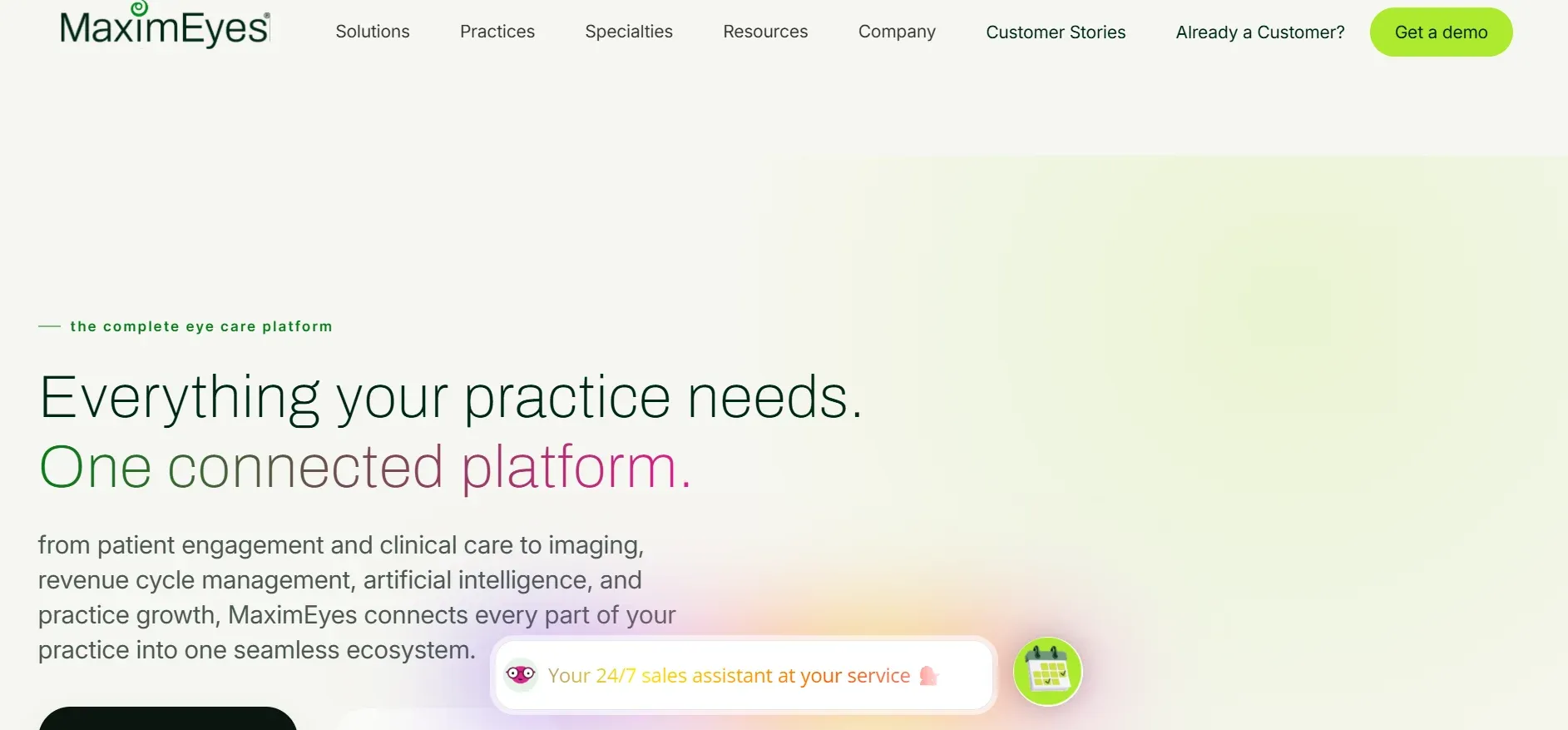
MaximEyes is designed for practices wanting to tweak every step of their workflow. Compared to Net Health, MaximEyes offers more visual customization and better form editing, but still on a rental model.
Pricing: Reported around $350/month per provider. MaximEyes pricing.
- Deep workflow customization
- Strong support for specialty exams
- On-premise and cloud options
- Monthly per-provider fees scale up costs
- Some integrations and modules are extra
- Initial setup takes time and effort
6. OfficeMate (Eyefinity) (Best for on-premise control)
OfficeMate is one of the few optometry EHRs that still offers an on-premise install. Compared to Net Health, it gives you more local control, but the look and feel is dated, and remote access is clunky.
Pricing: Reported around $250/month per provider. OfficeMate details.
- Data stays on-premise by default
- Well-known, mature product
- Integrates well with Eyefinity tools
- Outdated interface compared to newer SaaS EHRs
- Remote access and cloud backup require add-ons
- Still a rental model, no source code ownership
7. Modernizing Medicine (Eyes) (Best for ophthalmology integration)
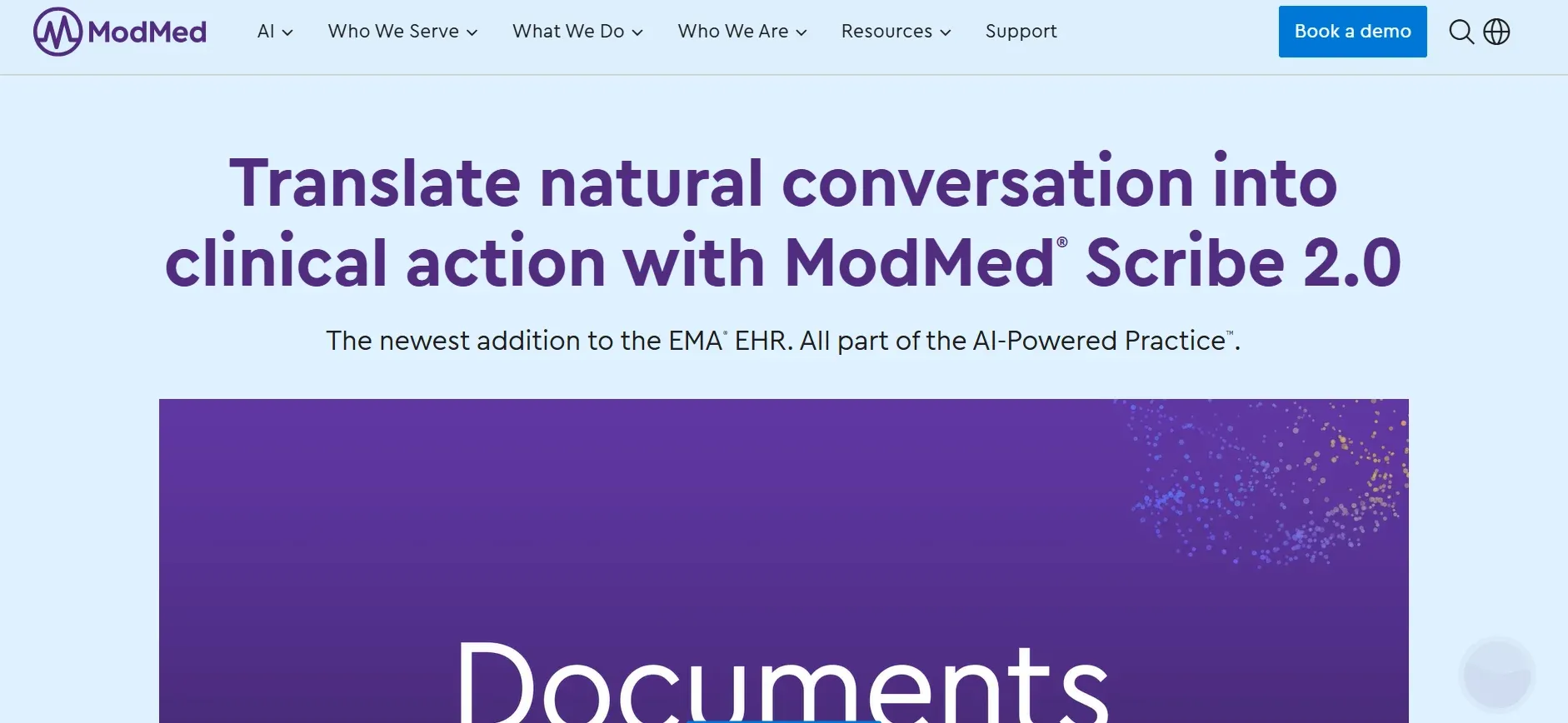
Modernizing Medicine (Eyes) focuses on advanced workflows for ophthalmology, but supports optometry as well. It features strong image management and specialty charting. Compared to Net Health, it’s more visually modern, but pricing is at the top end.
Pricing: Reported around $499/month per provider. Modernizing Medicine pricing.
- Advanced ophthalmology charting
- Modern, tablet-friendly UI
- Integrated image management
- Premium pricing, especially for small practices
- Some features require training or consulting fees
- Cloud-only, no on-premise option
8. MDVista (Best for custom integrations)
MDVista is a flexible cloud EHR with a focus on custom integrations and open APIs. Compared to Net Health, you’ll get more flexibility for connecting labs, but the cost structure is still subscription-based and can be opaque.
Pricing: Reported, varies by practice and scope. See MDVista contact for quotes.
- Flexible APIs for custom connections
- Good support for niche workflows
- Cloud-based access
- Pricing can be unclear without a custom quote
- Some integrations require development work
- No option for outright ownership
9. Kareo (Best for small practices and billing)
Kareo is a practice management and billing platform targeting smaller medical and eye care practices. It’s more affordable than most Net Health alternatives, but is less feature-rich in optical inventory and specialty exams.
Pricing: Starts at around $125/month per provider. Kareo pricing.
- Simple, affordable entry point
- Strong medical billing tools
- Good for solo and small group practices
- Limited optical inventory and specialty EHR features
- Add-on fees for telehealth, eRx, and patient engagement
- No true EHR ownership
Devaims (Best for owning your optometry software)
Devaims builds custom optometry and eye care software that you own outright. Instead of renting someone else’s platform, you get a system built to your exact workflows, scheduling, EHR, billing, inventory, integrations, whatever your practice actually needs. You keep the source code, control the roadmap, and never pay per-user or per-month rental fees again.
- One-time build, then flat maintenance, no per-user or per-location fees
- You own the full source code and all your data
- Custom integrations and features tailored to your practice
- Scales as your business grows, with no hidden costs
Other Net Health alternatives worth knowing
- Practice Fusion: Not optometry-specific, but a popular free EHR for solo practices.
- Practice Mate: Entry-level, more general medical PM, limited optical features.
- Nextech: Focuses on ophthalmology, less suited for pure optometry.
These tools can work for niche needs but usually lack the deep optical workflows found in the main list.
How to choose the right Net Health alternative
- Budget: Calculate all-in monthly and annual costs, not just the sticker price. Add up per-user, per-location, and integration fees.
- Features: Make a wishlist of must-have EHR, billing, and inventory features. Check which are paywalled or require higher tiers.
- Integration needs: List every lab, device, and third-party tool you use. Many systems charge extra for each connection.
- Data ownership: Decide if you’re okay renting your system or want to own your data and codebase.
- Practice size and growth plans: Some tools scale better than others. If you plan to add locations, watch for per-location fees.
If you’re tired of paying for every new provider or feature, it might be time to consider owning your own platform with Devaims.
Stop paying rent on your own optometry software
No matter which Net Health alternative you pick, Eyefinity, RevolutionEHR, or any of the others, you’re still renting. The fees keep coming, the contract keeps ticking, and every integration or user bumps up your bill. With Devaims, you break the cycle: you get software built for your practice, you own the source code, and you’re never locked out or forced to migrate again.
Devaims is a custom software development agency that builds optometry EHR and practice management systems to order. You get exactly the workflows, integrations, and UI you want. You own the code. You’re free from per-user, per-month, or per-location charges. It’s your system, built for you, run by you, and yours to keep.
- No more per-provider fees: Add as many users as you want, at no extra cost.
- No surprise price hikes: Flat, predictable maintenance, no hidden upcharges.
- Your data, your way: Migrate, analyze, and integrate however you need, no permission required.
- Features fit your practice: Get exactly the automations, reports, and integrations you need, no more, no less.
| Platform | Ownership | Monthly Fees | Integration Flexibility | Contract |
|---|---|---|---|---|
| Net Health | Rent only | Per-provider, per-location | Limited, paid add-ons | Annual, auto-renew |
| Eyefinity | Rent only | Per-provider | Best for VSP, others extra | Annual, auto-renew |
| RevolutionEHR | Rent only | Per-provider | Cloud, add-ons extra | Annual, auto-renew |
| Devaims | Own it | Flat maintenance | Custom, unlimited | No contract, you keep code |
| Year | Rented (cumulative) | Owned (cumulative) |
|---|---|---|
| 1 | $24,000 | $27,400 |
| 2 | $48,000 | $29,800 |
| 3 | $72,000 | $32,200 |
| 4 | $96,000 | $34,600 |
| 5 | $120,000 | $37,000 (now ahead) |
For an average 5-provider practice at $400/month each, you’ll spend $24,000/year renting, every year. A custom Devaims build (estimated $25,000 build + $200/month maintenance) pulls ahead after year 2, and saves you over $83,000 by year 5, with software you own, not lease. Want to see your real numbers? We’ll run the math for you.
Practices with multiple providers, unique workflows, or plans to grow benefit most from owning. If you’re done paying rent, Devaims is the way out.
How to switch from Net Health
- Request and export all your patient data, schedules, and records from Net Health (in CSV or standard EHR format).
- Choose your new platform and confirm support for data import, integrations, and essential workflows.
- Import your data into the new system, mapping fields and checking for accuracy.
- Reconnect clearinghouses, payment processors, labs, and device integrations.
- Train your staff on the new workflows and interface.
- Run both systems in parallel for a week to catch any gaps before fully switching over.
- Review your Net Health contract for termination steps or penalties.
With a custom Devaims build, the migration is handled as part of the project.
Frequently asked questions
What is the best Net Health alternative for optometry?
For practices focused on VSP insurance, Eyefinity is a strong choice. For all-in-one cloud, RevolutionEHR is robust. If you want to own your software and stop paying rent, Devaims is the long-term solution.
What is the cheapest Net Health alternative?
Kareo has some of the lowest monthly fees, starting around $125/month, but it’s less feature-rich for optometry. Over five years, a Devaims build can actually be cheaper if you have multiple providers or locations.
Is there a free or open-source Net Health alternative?
Few free EHRs support optometry well. Practice Fusion is a free general EHR, but lacks deep optical features. No mainstream open-source solution matches the full stack. With Devaims, you own your code and aren’t locked in.
Which Net Health alternative is best for growing practices?
Compulink and RevolutionEHR scale well for multi-location setups, but their fees climb with every new user. Devaims offers flat costs and unlimited growth since you own the platform.
Can I keep my existing data if I switch from Net Health?
Most vendors will let you export your data, but you’ll have to map it into the new system. Devaims handles the migration for you and ensures you keep full access to your data, not just a partial export.
When is it worth building custom software instead of renting?
If your total rental fees for Net Health alternatives exceed the cost of building your own system over five years, it’s usually worth owning. Unique workflows, many users, or frustrating feature gaps are all signals to consider Devaims.
How do per-unit fees add up with Net Health alternatives?
Most Net Health alternatives charge by provider, location, or both. Five providers at $400/month is $24,000 per year, and that’s before add-ons or integration fees. Owning with Devaims means flat, predictable costs.
The bottom line
If you’re weighing Net Health alternatives, the real test is simple: add up what you’ll spend in rent over five years. If that would have paid for a system you own, you’re already losing money and still don’t control your stack. Every optometry shop that outgrows per-user fees eventually faces the same choice: keep paying rent forever, or build once and own it for good.
Owning your platform with Devaims means no more surprise hikes, no more jumping through support hoops to get your data, and no more building someone else’s asset. You get control, flexibility, and long-term savings your accountant will thank you for.
See more insights on the Devaims blog, or check out our other guides: Eyefinity alternatives, RevolutionEHR alternatives, and Compulink alternatives.