



Ever gotten your Kareo (Tebra) invoice and felt that slow burn in your gut? Another month, another per-provider bill, and support takes days to respond, again. You’re not alone, and you’re not stuck. Plenty of primary care and general medical practices have outgrown Kareo’s monthly fees and contract headaches, only to find most alternatives just shuffle the pain around. The real surprise: over five years, subscription software usually ends up costing more than a custom platform you own outright.
This is your inside look at the strongest Kareo (Tebra) alternatives for 2026. We’ll break down what actually changes when you switch, where each tool shines (and where the pain just moves), and the one option, building your own with Devaims, that finally puts you in control. If you’re ready to stop renting your own data, read on.
Why general medical practices look for Kareo (Tebra) alternatives
Kareo (Tebra) has been a go-to for many clinics, but as practices grow or change, the cracks start to show. Let’s dig into the most common reasons clinics start looking for a better fit:
- Steep monthly costs: Kareo (Tebra) starts at $599 per provider per month for standard practices, and even "low volume" clinics face $349+ rates. These are base rates, telehealth, e-prescribing, or advanced analytics are often extra. Overhead grows fast as you add providers or expand locations.
- Setup fees and contract lock-in: Setup can run $1,000 to $6,000, not including hardware or data migration. Contracts typically require a 60-day written cancellation notice. Miss the window, and you’re on the hook for another year. Some clinics report difficulty even getting clear information on the process.
- Opaque billing and support delays: Many users complain about confusing invoices, unexpected add-ons, per-claim fees, or sudden price jumps at renewal. Support can be slow, with tickets sometimes taking days or weeks to resolve. If you have an urgent billing or EHR issue, that’s a big risk to your operations.
- Tiered features and forced upgrades: Kareo (Tebra) uses a tiered pricing model. Essential features like telehealth, e-prescribing, or robust analytics may be locked behind more expensive plans. Practices often find themselves forced to pay for features they don’t need just to unlock a specific workflow or integration.
- Scaling costs with growth: Every new provider or staff seat multiplies your bill. What starts as a reasonable monthly fee can balloon into thousands per month as your practice grows. Over five years, the "rented" approach almost always costs more than a build-you-own model.
For many clinics, these issues aren’t just annoyances, they’re roadblocks to growth, efficiency, and patient care.
Quick comparison of the best Kareo (Tebra) alternatives
| Tool | Best for | Starting price | You own it? |
|---|---|---|---|
| AdvancedMD | Large, multi-specialty practices | $429/mo | No |
| DrChrono | Small to mid clinics | $199/mo | No |
| Athenahealth | High-volume billing | 4% to 7% of collections | No |
| eClinicalWorks | Integrated EHR & PM | $449/mo | No |
| NextGen Healthcare | Enterprise and FQHC | Custom | No |
| Practice Fusion | Micro-practices | $149/mo | No |
| Modernizing Medicine | Specialty clinics | $429/mo | No |
| Epic | Hospitals & large groups | Custom | No |
| Cerner (Oracle Health) | Enterprise systems | Custom | No |
| Devaims | Practices that want to own | One-time build | One-time build, you own it |
Always confirm current pricing before you decide, rates and contract terms change fast. Keep in mind, many vendors negotiate, especially for multi-provider or multi-location practices.
The 10 best Kareo (Tebra) alternatives
1. AdvancedMD (Best for large, multi-specialty practices)
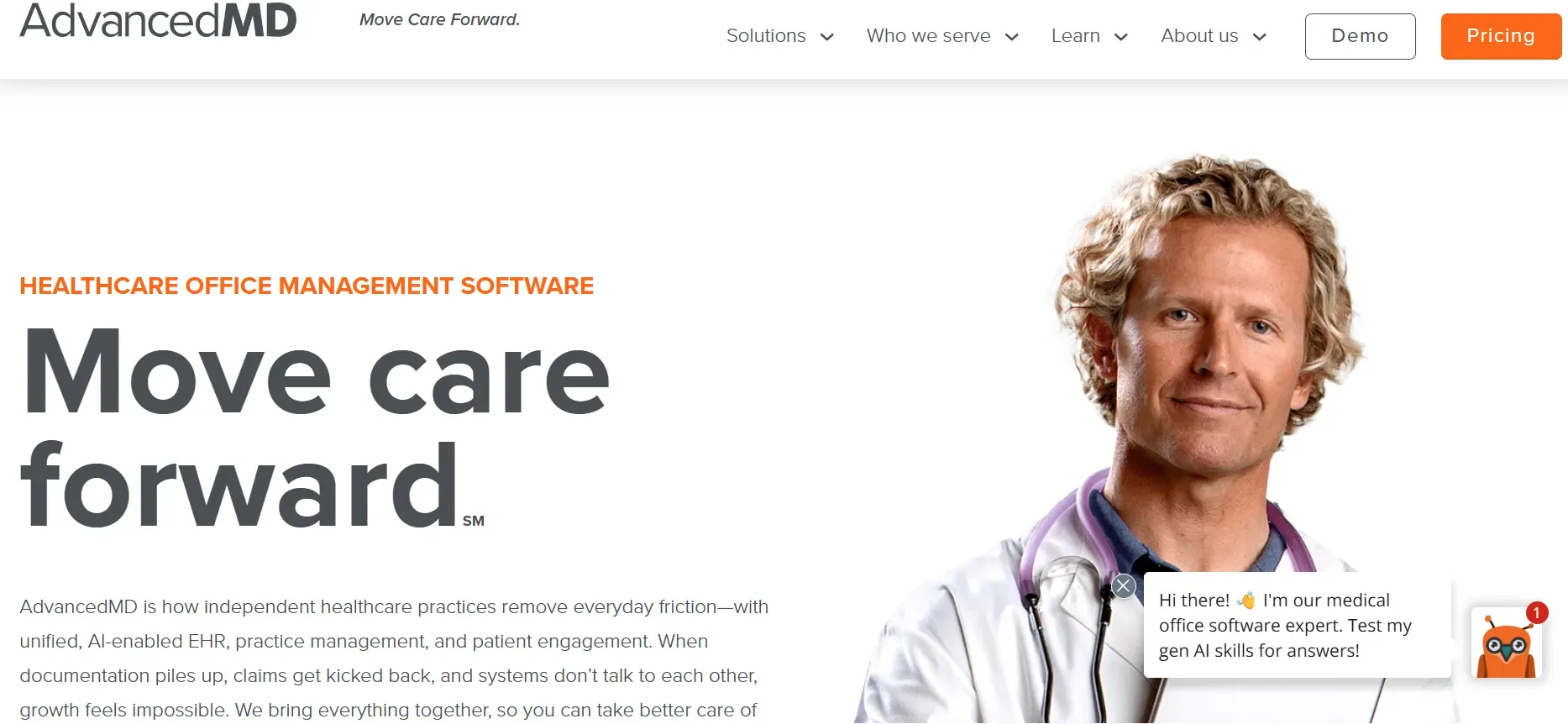
AdvancedMD is a comprehensive platform designed for larger, high-volume clinics and multi-specialty groups. It combines EHR, practice management (PM), telemedicine, and patient engagement under one roof. AdvancedMD’s claim to fame is its deep feature set and configurability. If you have complex workflows, lots of providers, or multiple specialties, it can probably handle it.
Pricing: Starts at $429 per provider per month. Setup fees can reach $6,000 for complex practices. Annual contracts are standard.
- Deep feature set for large, multi-specialty groups
- Highly configurable workflows and reporting
- Strong integrations with labs and billing partners
- Steep learning curve for new users
- High cost as you add modules or providers
- Performance can lag during peak hours
Devaims can build custom reporting and workflow tools if you find AdvancedMD too rigid or expensive for your needs.
2. DrChrono (Best for small to mid clinics)
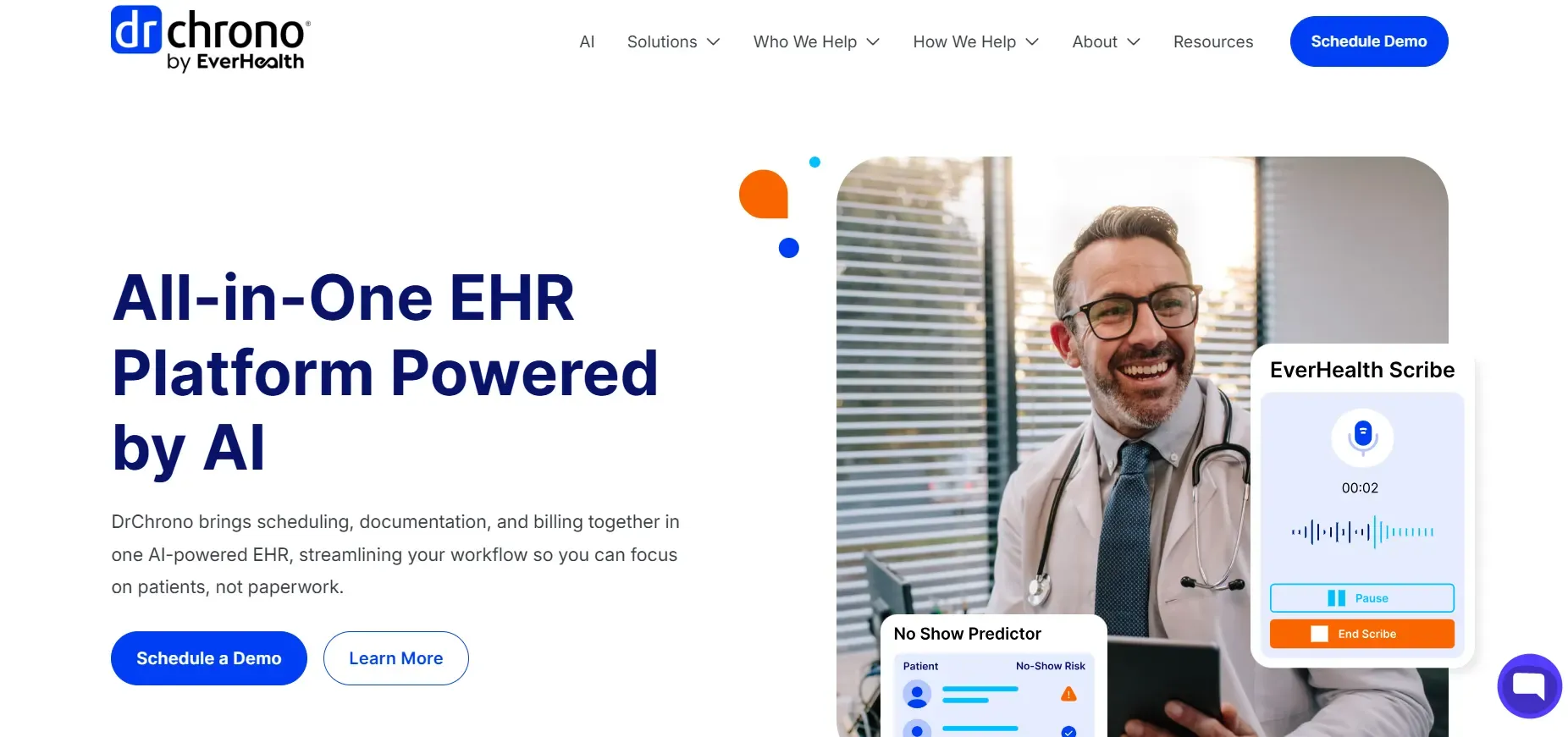
DrChrono is built for smaller practices and clinics that want a modern, intuitive user experience, especially those that value mobility. Its iPad-first design makes it popular among providers on the go, and its pricing is more accessible at the entry level.
Pricing: Starts at $199 per provider per month. Add-ons for RCM and advanced features increase costs. Month-to-month contracts are available.
- User-friendly, mobile-first interface
- Customizable clinical forms and workflows
- Quick setup for small practices
- Advanced features only in higher tiers
- Support response times can be slow
- Mobile app glitches after updates
If you outgrow DrChrono, Devaims can help you migrate to a platform you own and control.
3. Athenahealth (Best for high-volume billing)
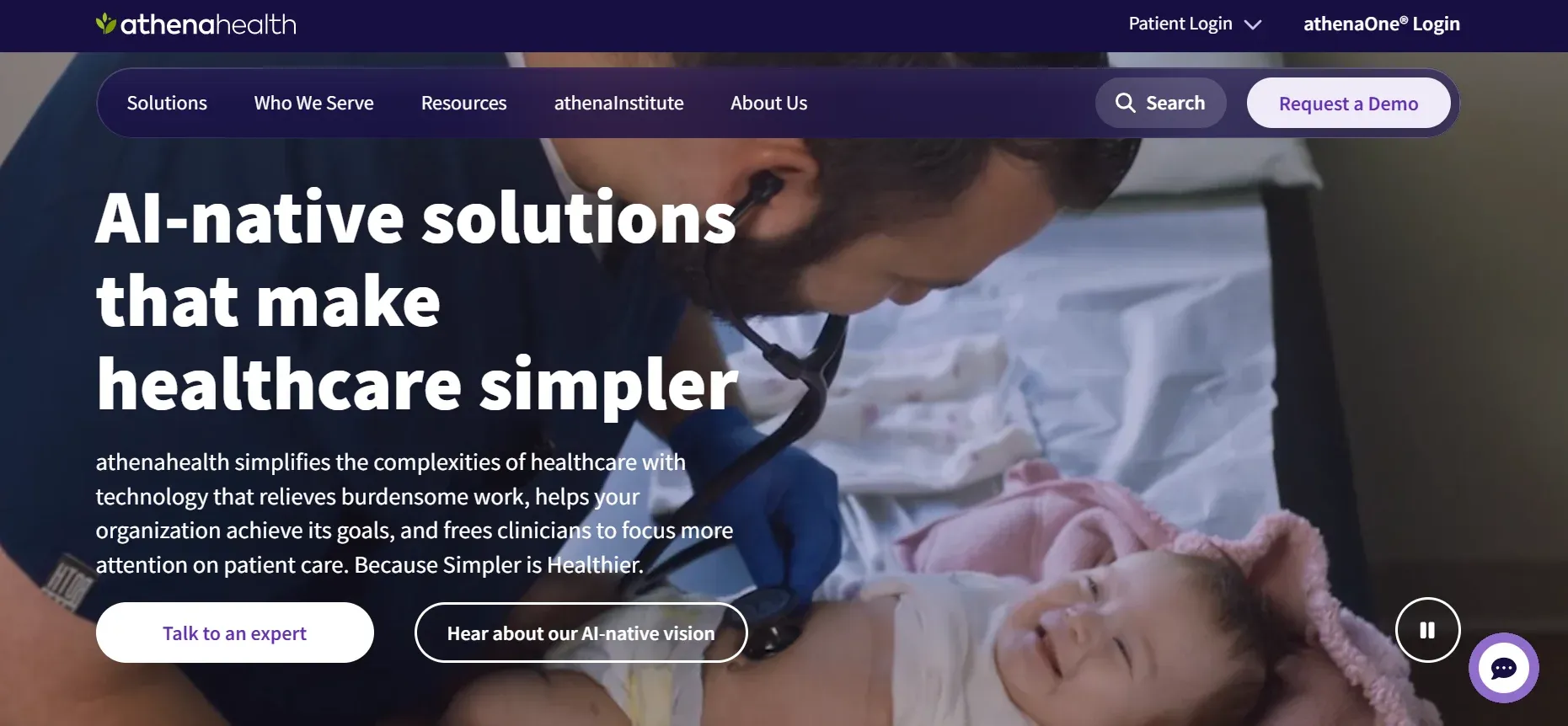
Athenahealth is known for its powerful revenue cycle management and extensive payer network. Instead of fixed monthly fees, Athenahealth charges a percentage of collections, aligning their incentives with your billing success.
Pricing: 4% to 7% of collections, with setup fees and annual contracts. Additional modules may cost extra.
- Strong revenue cycle management
- Excellent payer and lab integrations
- Comprehensive patient portal
- Costs rise as collections increase
- Customization requires Athenahealth team
- Support can feel impersonal
Devaims offers custom billing and reporting tools with no percentage-of-collections fees.
4. eClinicalWorks (Best for integrated EHR & PM)
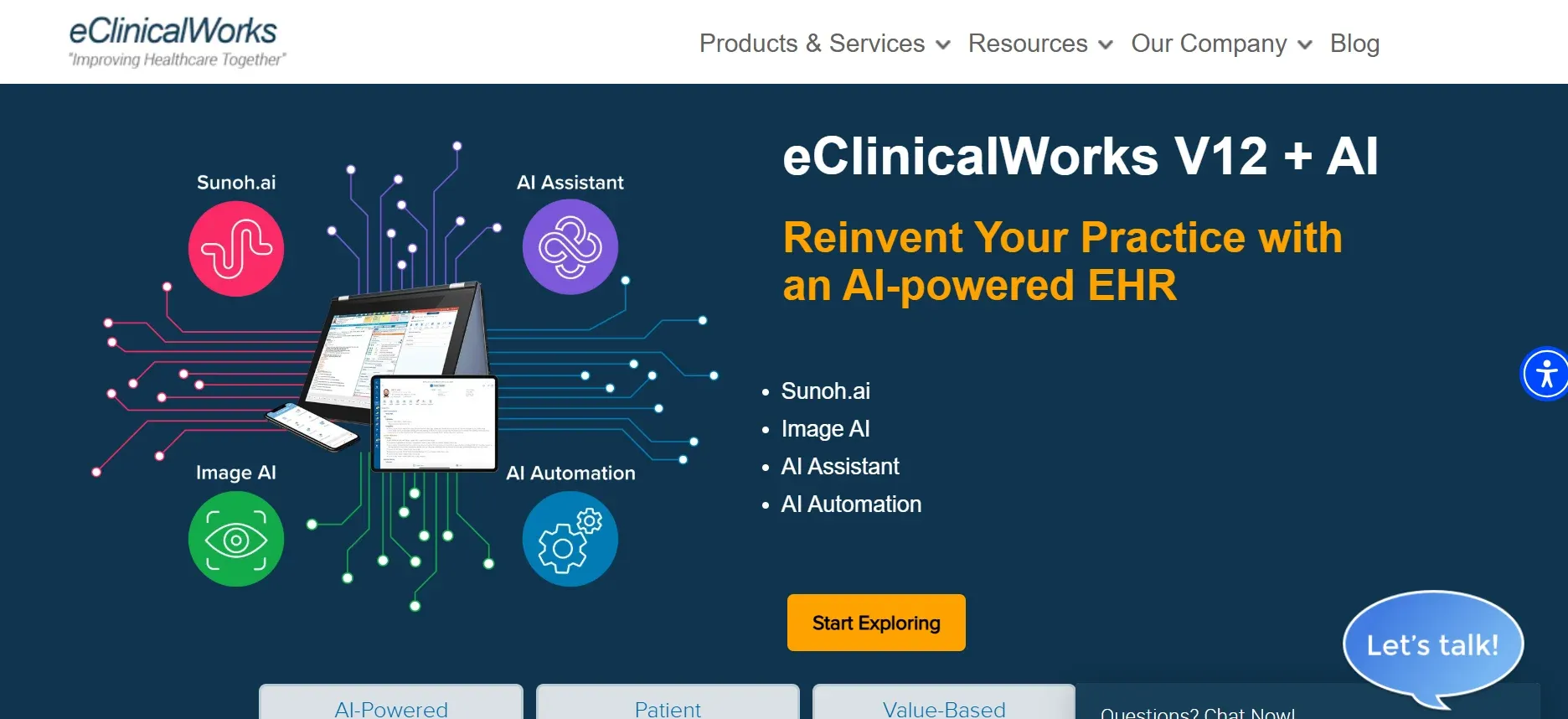
eClinicalWorks is a workhorse for clinics that need a tightly integrated EHR and practice management system. Its feature set is vast, and it’s one of the most widely adopted solutions in the U.S. for ambulatory practices.
Pricing: Starts at $449 per provider per month. Annual contracts and setup fees apply.
- Comprehensive EHR and PM integration
- Strong population health and reporting tools
- Widely adopted with proven track record
- Interface feels dated to some users
- System slowness during onboarding or large imports
- Customization requires training
Devaims can build modern interfaces and custom integrations if eClinicalWorks feels too rigid or dated.
5. NextGen Healthcare (Best for enterprise and FQHC)
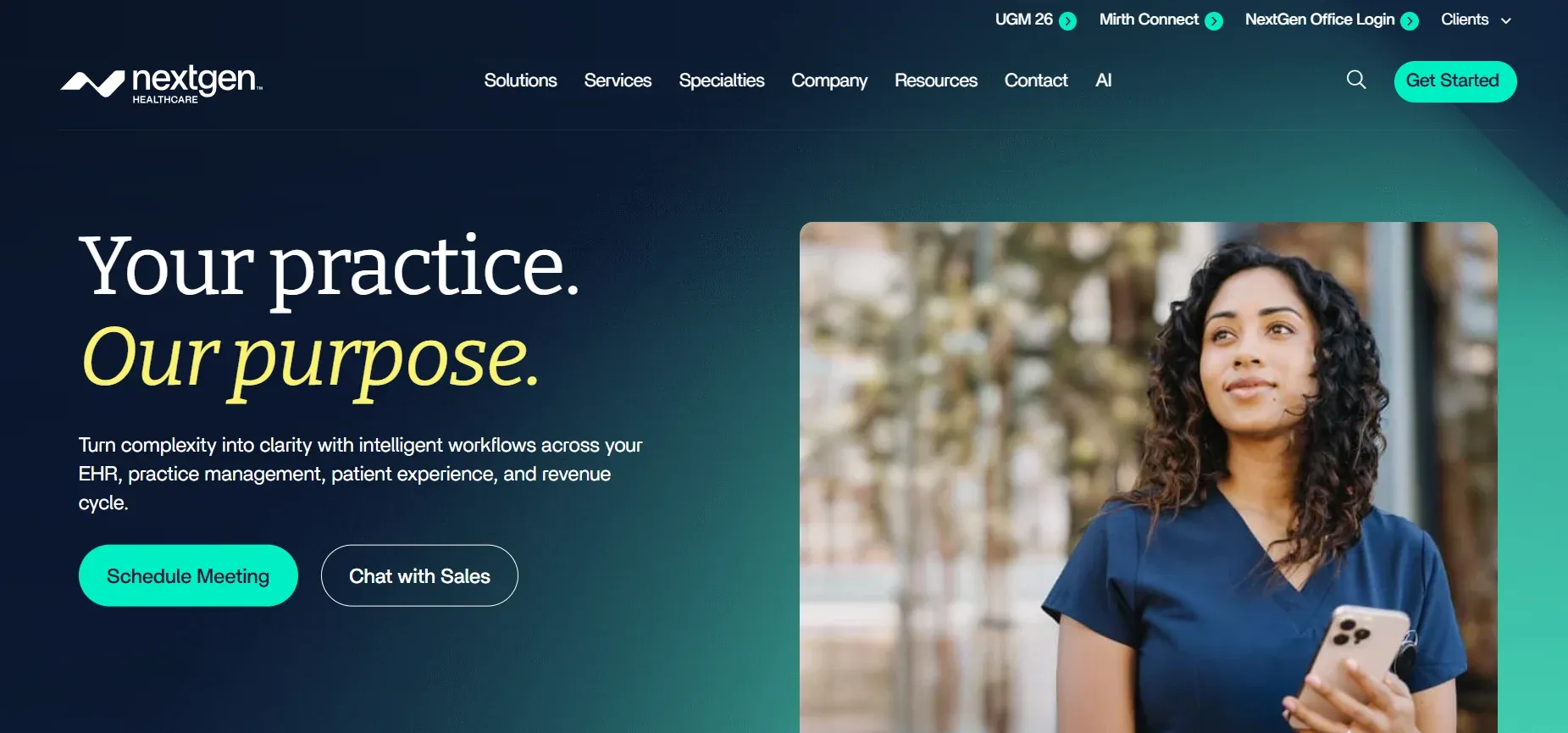
NextGen Healthcare is engineered for large, complex organizations, such as multi-specialty medical groups, FQHCs, and enterprise-level clinics. Its depth of features and compliance support is unmatched in the mid-to-large practice market.
Pricing: Custom pricing, typically high. Implementation and onboarding costs are significant. Annual contracts required.
- Deep analytics and compliance support
- Powerful for multi-site and enterprise groups
- Extensive integrations and reporting
- High cost and resource-intensive implementation
- Complexity can overwhelm smaller clinics
- Customization requires IT resources
Devaims can deliver enterprise-grade analytics and compliance tools with full ownership and no recurring license fees.
6. Practice Fusion (Best for micro-practices)
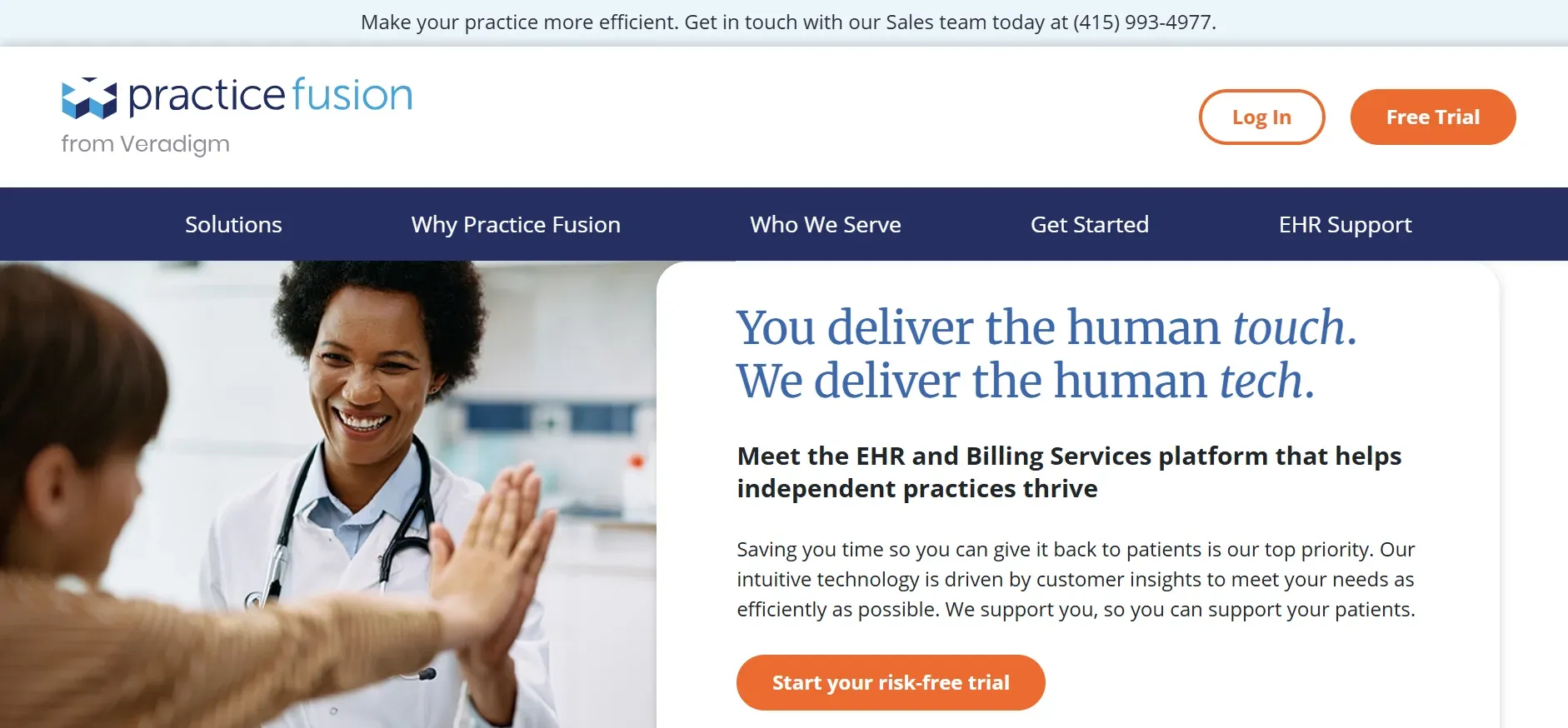
Practice Fusion is a cloud-based EHR targeting small and solo practices. Its low price and simple interface make it ideal for micro-practices wanting to digitize without a major investment.
Pricing: $149 per provider per month. Month-to-month contracts. Add-ons may increase costs.
- Low entry cost for solo providers
- Simple, easy-to-learn interface
- Quick setup and onboarding
- Limited advanced features and analytics
- Support is basic
- Custom workflows are hard to implement
When you outgrow Practice Fusion, Devaims can help you build a system that grows with your clinic.
7. Modernizing Medicine (Best for specialty clinics)
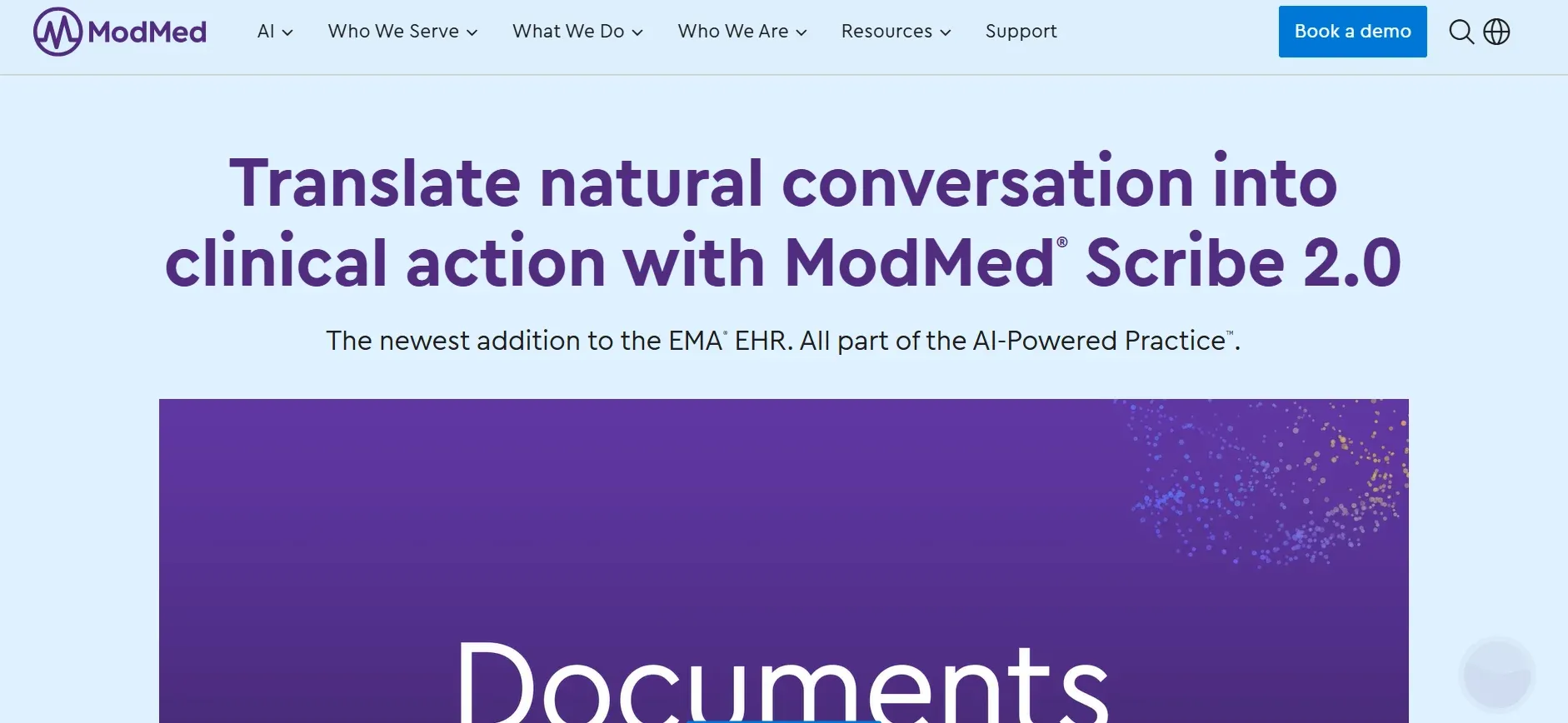
Modernizing Medicine (ModMed) is built for specialty practices, such as dermatology, orthopedics, ENT, and more. Its "EMA" EHR is specialty-specific, offering tailored clinical content and workflows.
Pricing: Starts at $429 per provider per month. Advanced modules and additional providers increase costs. Annual contracts.
- Deep specialty-specific content
- Intuitive iPad app for charting
- Strong integrations for specialty diagnostics
- Pricing climbs quickly with advanced modules
- General practices may not benefit from specialty focus
- Customization limited to specialty needs
Devaims can build specialty or generalist EHRs tailored to your exact needs, without per-provider fees.
8. Epic (Best for hospitals & large groups)
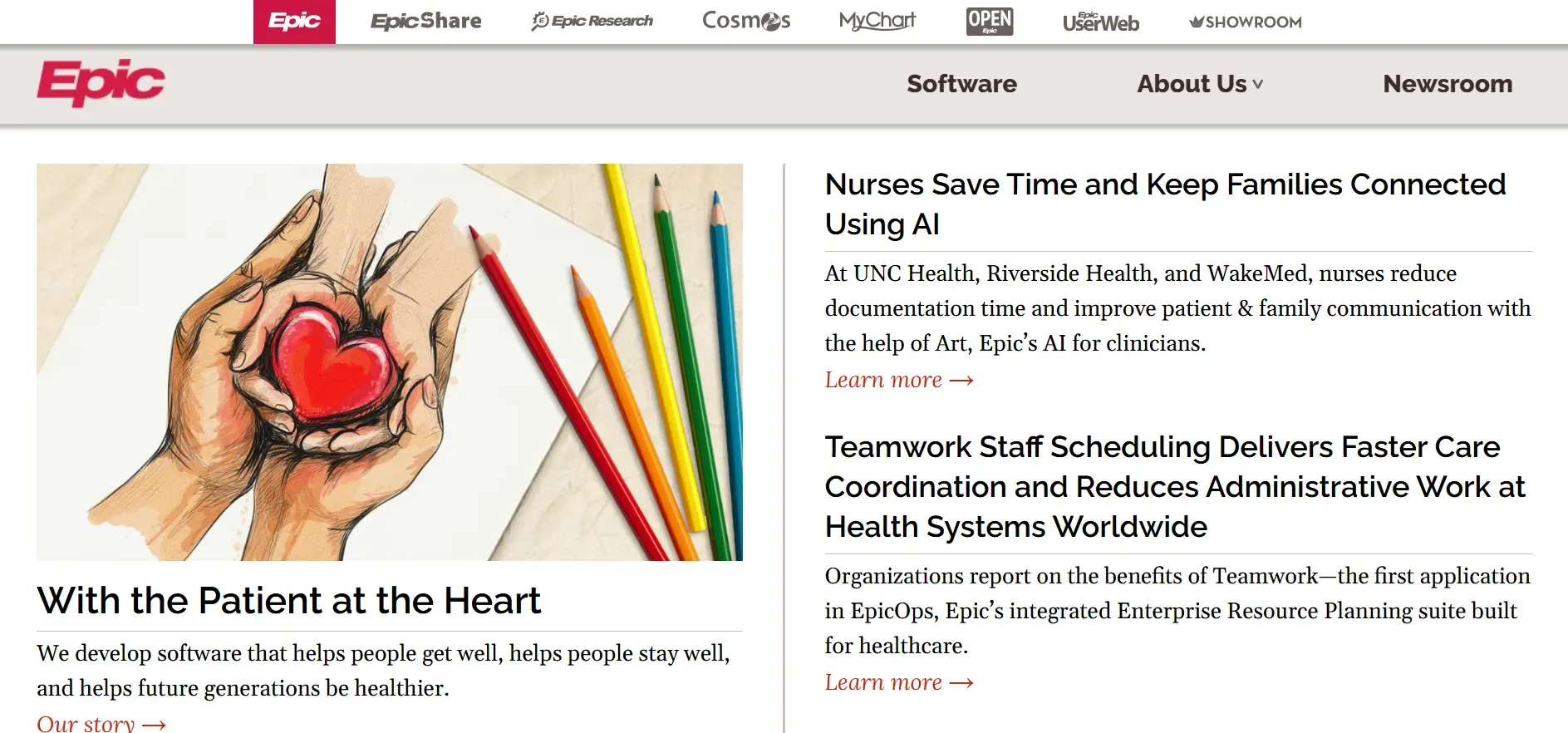
Epic is the most recognized EHR in the U.S., powering hospital networks and large health systems. Its "MyChart" patient portal is widely used, and its interoperability is unmatched at scale.
Pricing: Custom pricing, very high. Implementation and support contracts required. Multi-year commitments.
- Comprehensive EHR for large organizations
- Deep interoperability and reporting
- Widely used and trusted in enterprise settings
- Extremely high costs for implementation and support
- Requires significant IT resources
- Overkill for small clinics
For clinics not part of a hospital system, Devaims offers a more accessible path to ownership and customization.
9. Cerner (Oracle Health) (Best for enterprise systems)
Cerner, now under Oracle Health, is another leader in hospital and enterprise health IT. It’s designed for large organizations needing total data integration across inpatient, outpatient, and specialty care.
Pricing: Custom pricing, high implementation and ongoing costs. Multi-year contracts are standard.
- Enterprise-level data integration
- Comprehensive EHR and analytics
- Strong interoperability and reporting
- High costs and resource requirements
- Complexity can overwhelm smaller practices
- Customization requires IT expertise
Devaims can deliver enterprise-grade solutions with full ownership and no recurring license fees, even for growing clinics.
10. Devaims (The only option you own)
Devaims is not a vendor platform, it’s a custom software development partner for clinics that want to truly own their EHR, PM, or RCM systems. Devaims builds web, mobile, and business software tailored to your exact workflows, then hands you the source code. There are no per-provider fees, no forced upgrades, and no contract lock-in. Every workflow, report, and integration can be tailored to how your practice actually runs.
Pricing: One-time build cost, with optional flat-rate maintenance. No per-provider or per-seat fees. You own the code and platform.
- Full ownership of your software and data
- Custom features, workflows, and integrations
- No recurring license or per-provider fees
Devaims is the only Kareo (Tebra) alternative that lets you own your platform, control your data, and avoid vendor lock-in.
Other Kareo (Tebra) alternatives worth knowing
- Elation Health: Designed for small, independent primary care practices. Its clinical-first approach is popular among direct primary care clinics. Limitations include fewer billing features and less flexibility for multi-specialty or larger groups.
- Healow: Primarily a patient engagement and telehealth platform, not a full EHR. Strong for clinics wanting to add telehealth to an existing EHR, but not a replacement for PM or billing.
- CharmHealth: Good for micro-practices needing basic charting, scheduling, and patient portal. Billing is limited, and reporting is basic. Integrations are possible, but less robust than larger platforms.
Other niche options include CureMD for specialty practices, and OpenEMR for tech-savvy clinics willing to manage open-source software (note: support is DIY, and HIPAA compliance is your responsibility).
How to choose the right Kareo (Tebra) alternative
- Budget: Calculate your true five-year cost, including per-provider fees, setup, add-ons, support, and data migration. Don’t just compare sticker prices, factor in growth.
- Practice size: Solo and small clinics do best with Practice Fusion or DrChrono. Large or multi-site groups need the depth of Epic, NextGen, or a custom Devaims build.
- Features: Look for specialty support, analytics, telehealth, and patient engagement tools. If you need niche workflows or custom integrations, a custom build with Devaims is the only way to guarantee a perfect fit.
- Ownership: Only Devaims lets you own your software, source code, and data. All others are rented, no matter how much you pay, you’re subject to vendor terms, contracts, and roadmaps.
- Migration: Evaluate how easy it is to move your data in and out. Some vendors make export difficult or charge extra for migration support.
- Support: Ask about average support response times, escalation processes, and whether you’ll have a dedicated account manager. With Devaims, you choose your support model.
If you’re tired of renting, talk to Devaims about what owning your platform really costs, and see how much more control you gain.
Stop paying rent on software you could own
Here’s the core problem with Kareo (Tebra) and every alternative above: no matter how much you pay, you’re always renting. Add a provider, your bill jumps. Need a new workflow, you wait for a roadmap, or pay more for a higher tier. Even if you switch, you never actually own the tool that runs your practice.
Devaims is different. We build custom web, mobile, and practice management software for general medical clinics, then hand you the source code. What you own: the app, your data, every integration, every feature. No more per-seat or per-claim fees. No lock-in, no forced upgrades.
- No per-provider pricing. You pay once to build and a flat maintenance fee. Every new provider costs you nothing.
- No contracts or surprise renewals. You keep the code, switch hosts or IT partners anytime.
- Features built for you, not a generic "tier". Every workflow, report, and integration fits how your clinic works.
- Support you own. No more support tickets lost in a queue. You pick who maintains your system.
| Option | Ownership | Contract? | Per-provider fees? |
|---|---|---|---|
| Kareo (Tebra) | No | Yes, 60-day notice | $599/mo/provider |
| AdvancedMD | No | Yes, annual | $429/mo/provider |
| Athenahealth | No | Yes, annual | 4 to 7% of collections |
| Devaims | Yes, you own it | No | None |
| Year | Rent (Kareo, 5 providers) | Own (Devaims) |
|---|---|---|
| 1 | $35,940 | $31,800 |
| 2 | $71,880 | $34,560 |
| 3 | $107,820 | $37,320 |
| 4 | $143,760 | $40,080 |
| 5 | $179,700 | $42,840 (now ahead) |
Who wins by owning? Growing clinics, multi-location practices, anyone tired of support delays or forced upgrades. If your five-year rental bill is more than a build, Devaims is the smarter move. For a deeper breakdown, see this EHR cost comparison guide by Software Advice.
How to switch from Kareo (Tebra)
- Export all patient, billing, and scheduling data from Kareo (Tebra). This includes demographics, appointments, clinical notes, billing history, and attachments. Some data (like scanned documents or images) may require custom export via Kareo support.
- Choose your new platform or engage Devaims to scope your custom build. Decide which features, workflows, and integrations matter most, don’t just copy your old system, improve it.
- Import and validate your data in the new system. Watch for mapping issues with custom templates, codes, or attachments. Validate a sample set before going live.
- Reconnect payment processors, labs, and any third-party integrations. Confirm eligibility checks, e-prescribing, and lab orders work as expected.
- Train your staff on the new workflows and interface. Schedule hands-on sessions and create quick-reference guides. If you’re switching to a custom build, training is often smoother since the system matches your old workflows.
- Test both systems in parallel for a full billing cycle to catch missing links. Run claims, process payments, and verify reporting in both systems. This helps catch issues before you fully switch over.
- Review your contract and send the required 60-day notice to Kareo (Tebra). Double-check cancellation windows and get confirmation in writing.
With a custom Devaims build, the migration is handled as part of the project, with dedicated support for data validation and staff training.
Frequently asked questions
What is the best Kareo (Tebra) alternative for small practices?
For small clinics, Practice Fusion offers the lowest entry cost and the simplest setup. DrChrono provides more mobile flexibility and customization, but you’ll pay more for advanced features. If you want to eliminate monthly fees and gain full control, Devaims is the only option that lets you own your system and customize it to your exact needs. Consider your future growth, if you expect to scale, the cost of “cheap” rental solutions adds up quickly.
Which Kareo (Tebra) alternative is the cheapest?
Practice Fusion is the cheapest at $149/month per provider, but this comes with basic features and minimal customization. Over five years, even "cheap" rental alternatives add up: for a three-provider clinic, that’s $26,820 (not including add-ons or support). Devaims may have a higher upfront cost, but by year three or four, most clinics are ahead financially and have a platform tailored exactly to their workflow.
Is there a free Kareo (Tebra) alternative?
There are no fully free, HIPAA-compliant EHRs at this scale in 2026. Some open-source options, such as OpenEMR, exist, but they require technical know-how, self-hosting, and you’re responsible for security and compliance. Support is community-based, so there’s no guarantee of quick fixes. For most clinics, the lowest friction route is a paid alternative or a custom build with Devaims, where you own and control security, hosting, and compliance with professional support.
What’s the best Kareo (Tebra) alternative for large practices?
AdvancedMD, NextGen, and Epic are designed for large and multi-site groups, offering deep analytics, compliance, and scalability. However, costs can soar, especially as you add providers and locations. If you want to stop scaling your bill with every new provider or customize deeply, a Devaims build is often the better long-term play. Ownership means you set the pace for innovation and growth.
When should I switch from Kareo (Tebra)?
If your five-year rental costs exceed what it would take to build and own your own software, or if support and upgrades keep holding you back, it’s time to consider switching to a Kareo (Tebra) alternative. Also consider switching if you’re frustrated with slow support, forced upgrades, or lack of integration flexibility. Owning with Devaims is the only way off the subscription treadmill and the only way to guarantee control over your future.
Can I keep my Kareo (Tebra) data?
Yes, Kareo (Tebra) allows data export, though some formats require a support request or additional fee. You can typically export patient demographics, appointments, and billing data, but attachments and custom templates may need special handling. Devaims manages the full migration as part of your project, ensuring you retain all your patient and billing information and validating the accuracy of every record. This is crucial for compliance and continuity of care.
The bottom line
Every Kareo (Tebra) alternative on this list is rented, except for Devaims. If you’re tired of per-provider billing, contract headaches, and slow support, it’s time to run the math on ownership.
The real test: add up what Kareo (Tebra) or its rivals will cost you over five years. If that number could have built you something you own, and that fits your clinic perfectly, you already have your answer.
Explore the Devaims blog at https://devaims.com/blog for more insights, or see related guides: AdvancedMD alternatives, DrChrono alternatives, and Athenahealth alternatives.