


Your practice runs on patient care, not on learning a new maze every year. If Cerner (Oracle Health) has you buried in training videos, locked into year-long contracts, or on the hook for fees that never quite stop, you're not alone. Plenty of clinics end up doing the same workaround, paying for features they rarely use, or hiring someone just to handle EHR admin. Even the big names still rent you back your own data. Let’s get real about what’s out there, what it’ll cost you, and why owning your platform is finally back in reach.
The strongest Cerner (Oracle Health) alternatives for general medical and primary care clinics in 2026 are Tebra (Kareo), Athenahealth, Practice Fusion, DrChrono, and Elation Health, each with a clear sweet spot and some rough edges. If you’re tired of per-provider fees or want the code and data to be yours, not a vendor’s, Devaims is the only option here that you’ll actually own. Let’s break down the real math, the real contracts, and the real exit options.
Why general medical practices look for Cerner (Oracle Health) alternatives
Steep learning curve: Cerner’s user interface is known for complexity, often requiring weeks of onboarding and extra staff time to master even basic workflows.
Complicated contracts: Expect annual agreements with auto-renewal and little wiggle room. Switching can trigger steep fees and long notice periods.
Opaque pricing: Public pricing is nearly impossible to find, making budgeting a guessing game. Add-ons and integration fees often appear after signing.
Per-provider fees: Costs scale with each provider, and the numbers add up quickly as your practice grows.
Data ownership concerns: Exporting your own patient data can be a challenge. Most vendors keep you paying to access what’s already yours. That’s why “Cerner (Oracle Health) alternatives” has become such a popular search.
Quick comparison of the best Cerner (Oracle Health) alternatives
| Tool | Best for | Starting price | You own it? |
|---|---|---|---|
| Tebra (Kareo) | All-in-one small practices | $199/mo per provider | No |
| DrChrono | iPad-first offices | Quote only | No |
| Athenahealth | Revenue cycle management | 3% to 7% of collections | No |
| Practice Fusion | Budget-friendly EHR | $199/mo per provider | No |
| Elation Health | Primary care focus | Quote only | No |
| eClinicalWorks | Large group practices | $449/mo per provider | No |
| NextGen Healthcare | Complex multi-site groups | Quote only | No |
| Modernizing Medicine | Specialty clinics | Quote only | No |
| Devaims | Practices that want to own their EHR | One-time build | One-time build, you own it |
Always confirm current pricing before you decide. Hidden fees and contract details can change quickly in this market.
The 9 best Cerner (Oracle Health) alternatives
1. Tebra (Kareo) (Best for small practices that want an all-in-one)
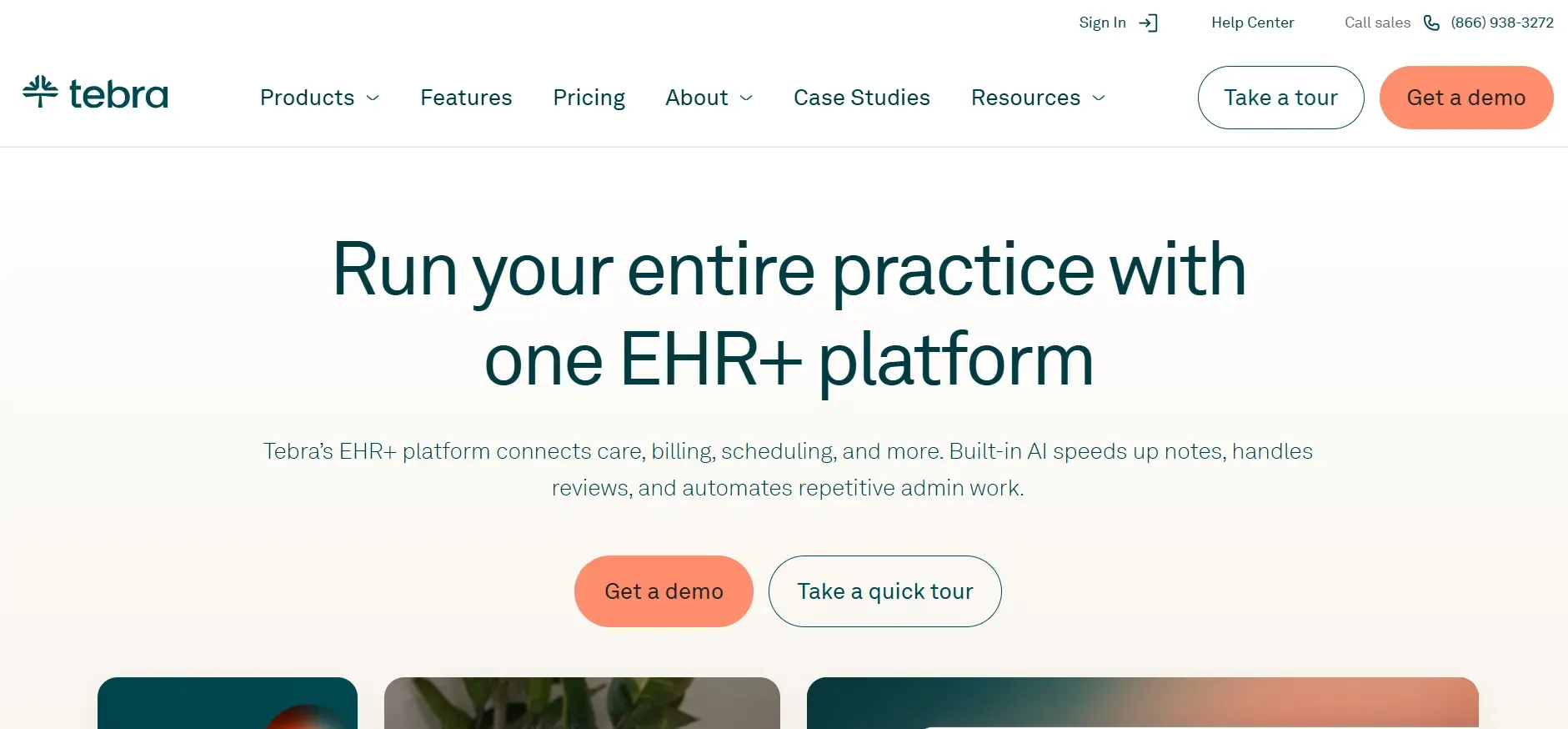
Tebra combines Kareo’s clinical and PatientPop’s growth tools, making it a strong pick for small to midsize practices looking for a single login for EHR, billing, and patient communication. Compared to Cerner, Tebra is simpler to set up and offers transparent pricing, but still operates on a rental basis with per-provider fees.
Pricing: Bundles range from $599 to $799 per physician per month. Single solutions start at $199 per provider per month. See current Tebra pricing.
- Easy onboarding for new staff
- Integrated practice growth tools
- Transparent base pricing online
- Annual contracts with auto-renewal
- Customer support can be slow to respond
- Add-on fees for integrations (EPCS, PDMP, etc.)
With Devaims, you get the integrations and features you want, without paying more as you grow. If you’re tired of annual contracts, owning your stack cuts the cord for good.
2. DrChrono (Best for practices running on iPads)
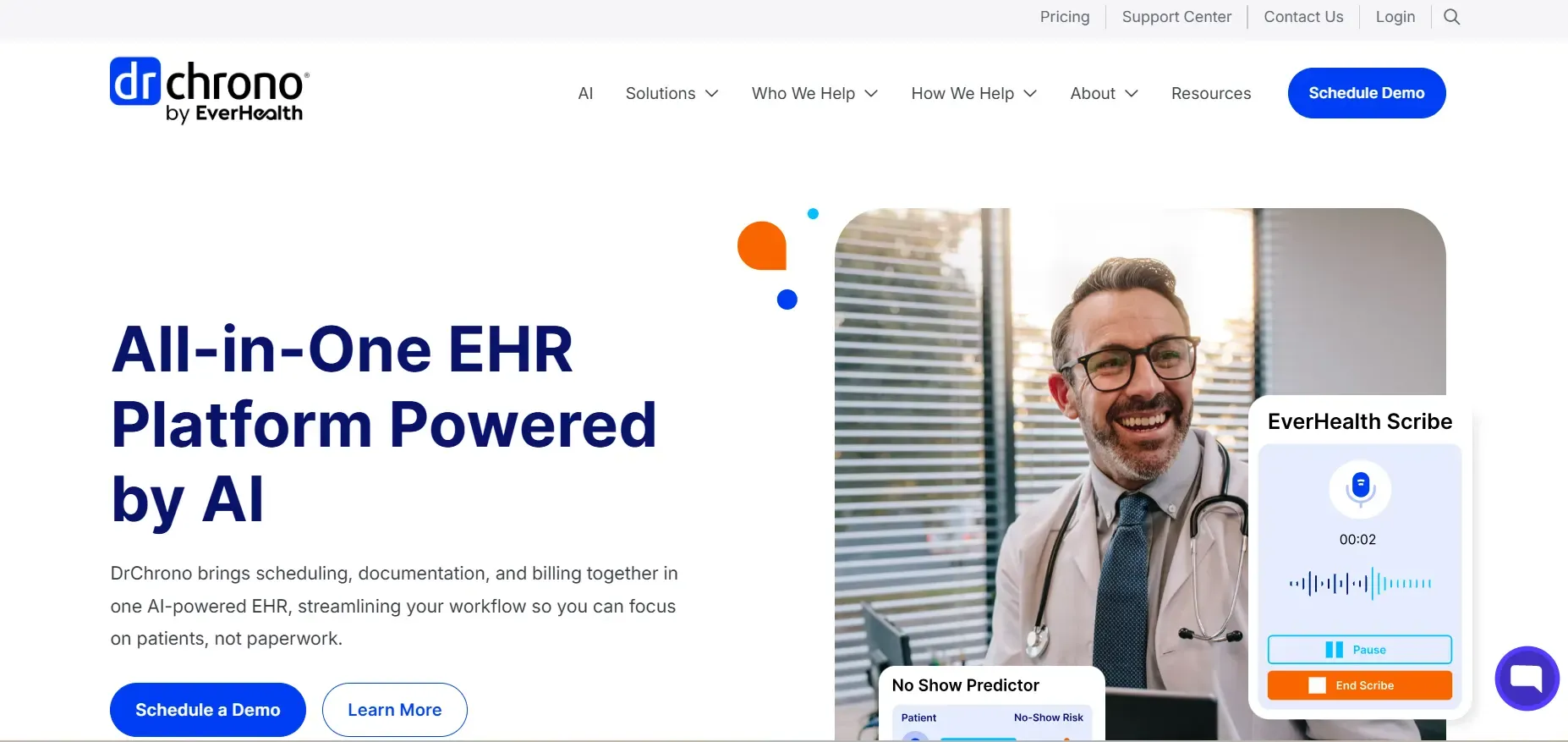
DrChrono is built iPad-first, making it popular with clinics that want mobility and a slick interface. Its modular plans can be tailored for solo providers or multi-location groups. DrChrono is less complex than Cerner, but still a rented platform with quotes required for full pricing.
Pricing: Quote only, with three main plans: Foundation, Growth, Premium. Request DrChrono pricing.
- Excellent mobility for iPad users
- Customizable workflows
- Telehealth and eRx built in
- Occasional system glitches
- Billing features can be finicky
- No public base pricing
3. Athenahealth (Best for practices that want RCM help)
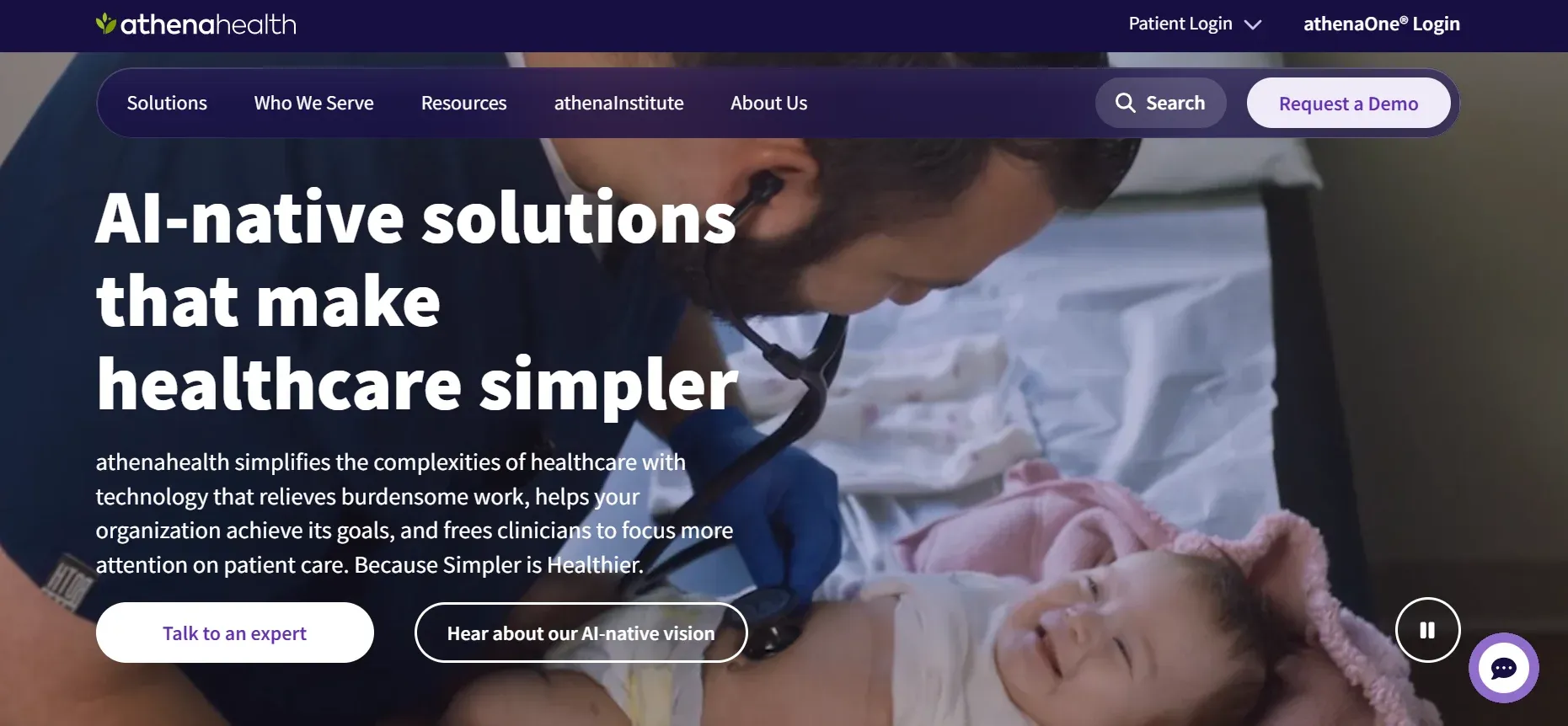
Athenahealth stands out for revenue cycle management and billing services. It is less of a tech platform and more of a partnership, if you want hands-off collections, Athenahealth is a contender. The fee model (3% to 7% of monthly collections) can become unpredictable as your revenue grows. Cerner users frustrated by hidden costs will find Athenahealth’s model more transparent, but still expensive long-term.
Pricing: 3% to 7% of collections, usually billed monthly. Athenahealth pricing details.
- Strong billing and claims support
- Integrated telehealth and patient portals
- Scales well for growing practices
- Percentage-based pricing is hard to predict
- Long-term contracts typical
- Some users dislike mandatory RCM bundle
With Devaims, you can build in only the workflows you want, so you’re not locked into bundled features or surprise percentage fees.
4. Practice Fusion (Best for budget-focused practices)

Practice Fusion is a cloud EHR known for its low entry cost and straightforward workflows. It is best for small general medical offices that need a simple charting and e-prescribing solution. While it is less expensive than Cerner, its customization and reporting tools are limited and downtime is a reported issue.
Pricing: $199 per provider per month, annual commitment required. See Practice Fusion pricing.
- Simple, clean interface
- Affordable for small teams
- Unlimited non-signing staff licenses included
- Limited customization
- Occasional outages and downtimes
- No ownership or code access
When you own your platform, even complex customizations are just a feature request, not a tier upgrade.
5. Elation Health (Best for primary care and relationship-driven practices)
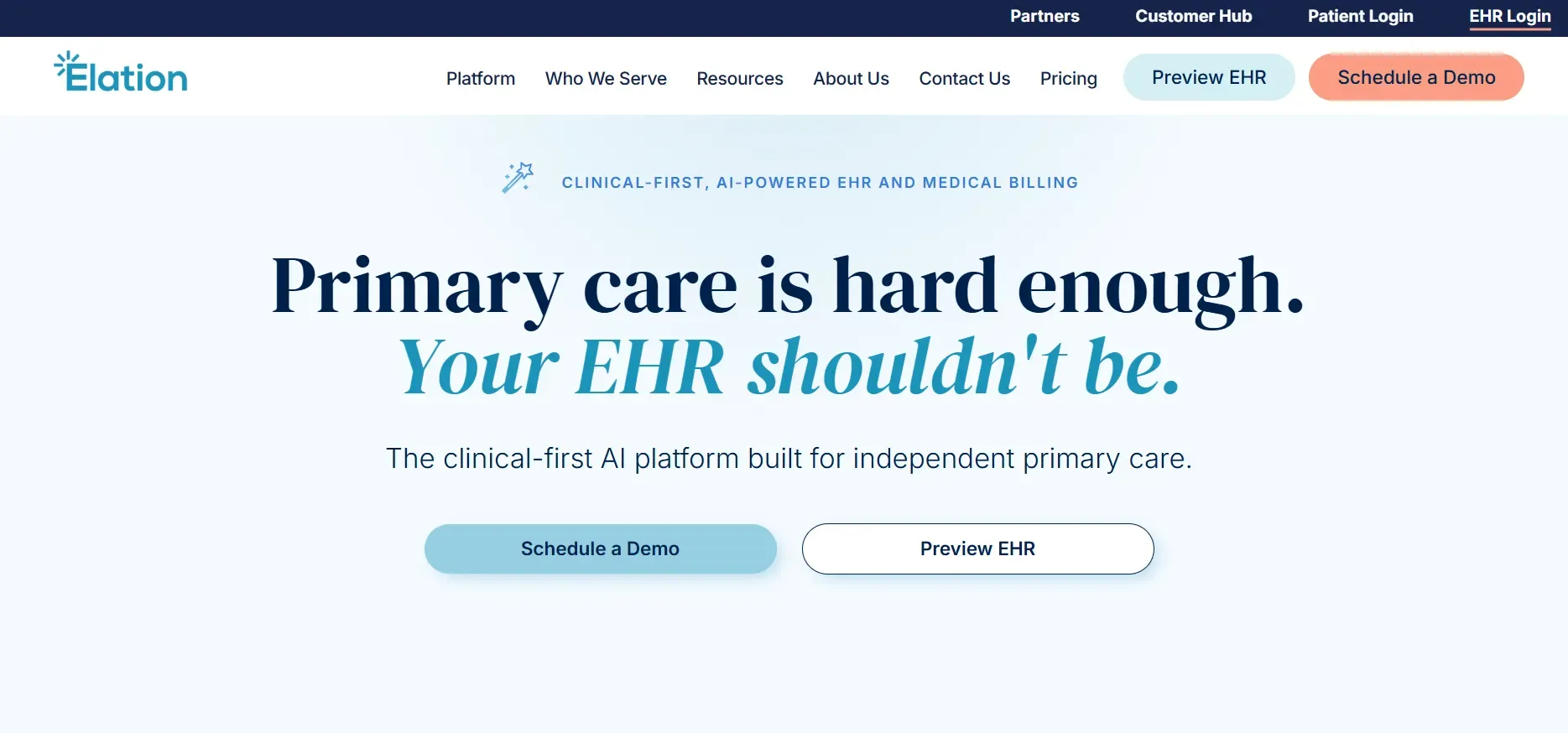
Elation Health is designed for primary care, with a strong focus on longitudinal patient records and team-based collaboration. Compared to Cerner, Elation is simpler and more agile, but its feature set may feel limited for larger or specialty groups. Since September 2023, Elation only offers annual contracts to new customers.
Pricing: Quote only. Details on annual terms at Elation Health payment policy.
- Excellent for team-based care
- Clean, focused UI
- Responsive support (for smaller practices)
- Fewer advanced features
- No more month-to-month option
- Pricing not public
6. eClinicalWorks (Best for growing group practices)

eClinicalWorks offers a comprehensive EHR and practice management suite aimed at midsize to large clinics. Its extensive modules and add-ons make it attractive for groups that need strong reporting or population health, but the fee structure and interface can turn off smaller offices. Compared to Cerner, eClinicalWorks is more transparent on price but similarly complex.
Pricing: $449 per provider per month (reported). Add-ons extra.
- Full-featured EHR and PM
- Scalable for large practices
- Advanced analytics modules
- Complex setup and training
- Many premium features cost extra
- Per-provider pricing climbs fast
When you own your platform, you pay for features once, not every month per provider.
7. NextGen Healthcare (Best for complex, multi-location practices)
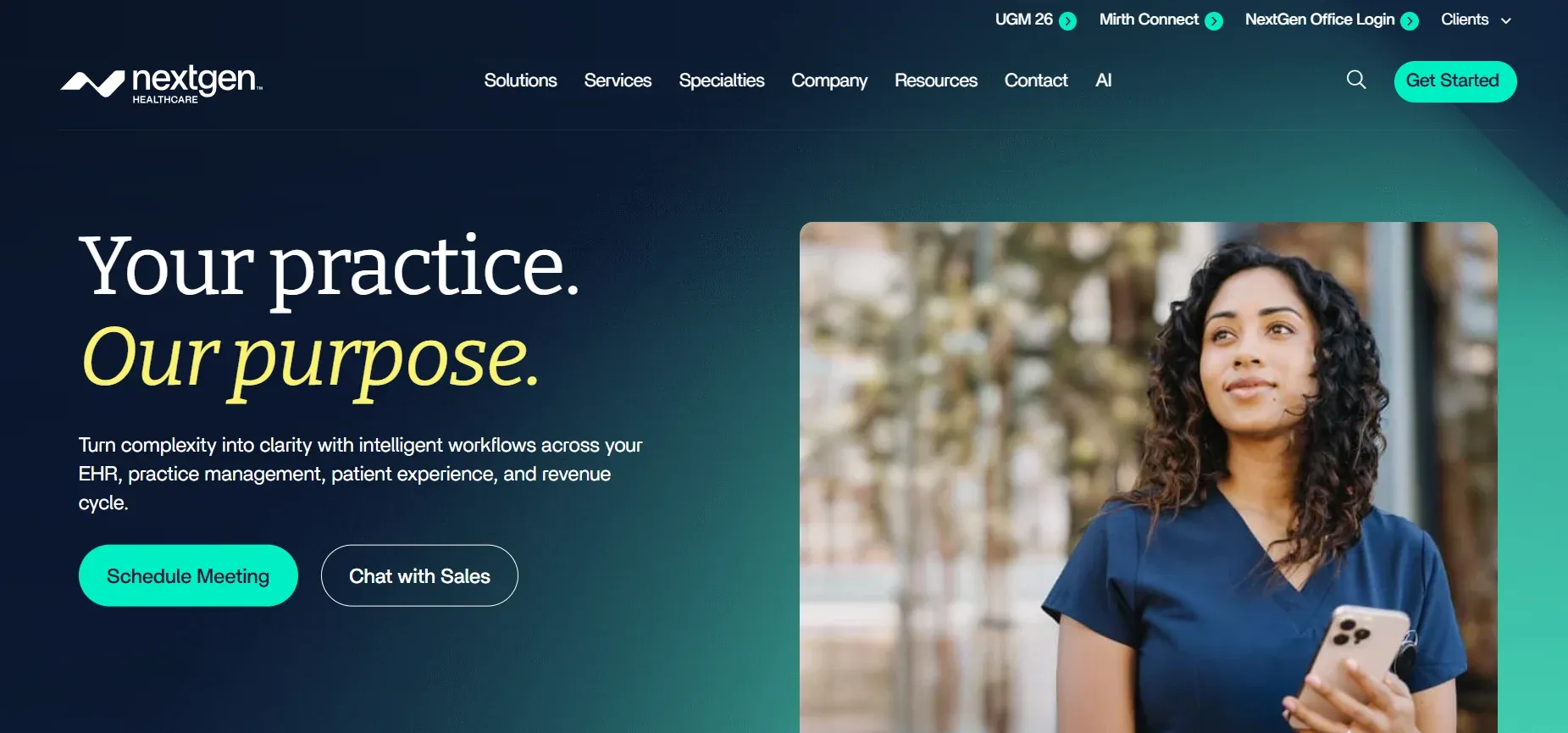
NextGen Healthcare is targeted at larger, multi-site medical groups needing deep customization and regulatory support. Its strength lies in handling complexity, but this comes at the cost of a steep learning curve and a lack of public pricing. NextGen is a significant investment, often requiring bespoke contracts and IT projects.
Pricing: Quote only. Custom contracts based on practice size and needs.
- Highly customizable for compliance
- Powerful reporting and analytics
- Strong enterprise support
- Long, complex onboarding
- No flat-rate pricing
- Expensive for smaller offices
8. Modernizing Medicine (Best for specialties and dermatology)
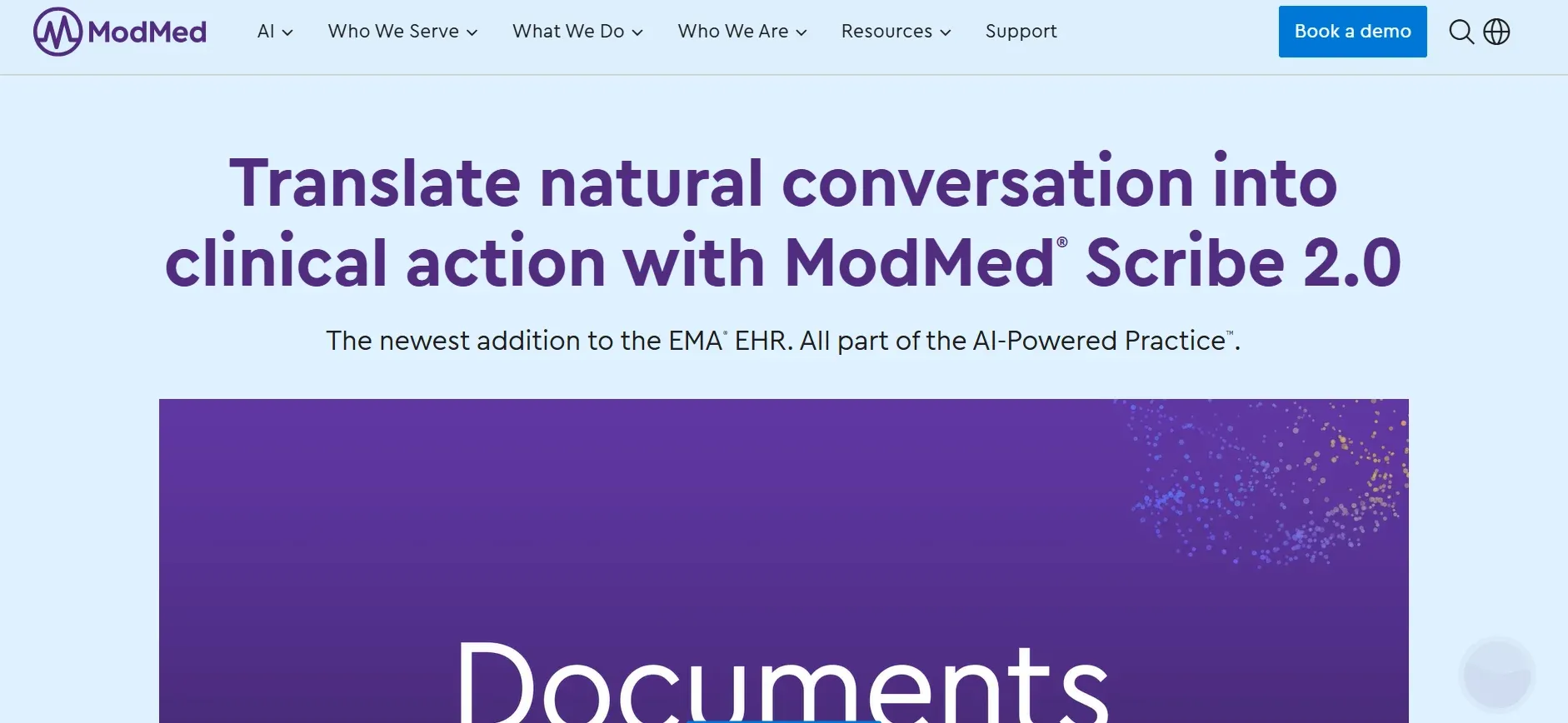
Modernizing Medicine is built for specialty clinics, especially dermatology, orthopedics, and ophthalmology. It offers built-in specialty content and a user-friendly interface. While it is easier to use than Cerner in specialty contexts, Modernizing Medicine is still a subscription-based tool, with custom pricing and contracts.
Pricing: Quote only. Pricing based on specialty and volume.
- Specialty-specific workflows
- Cloud-based and mobile-ready
- Templates for fast charting
- No public pricing
- Less suited for general primary care
- Add-on fees for advanced modules
9. Devaims (Best for practices that want to own their EHR)
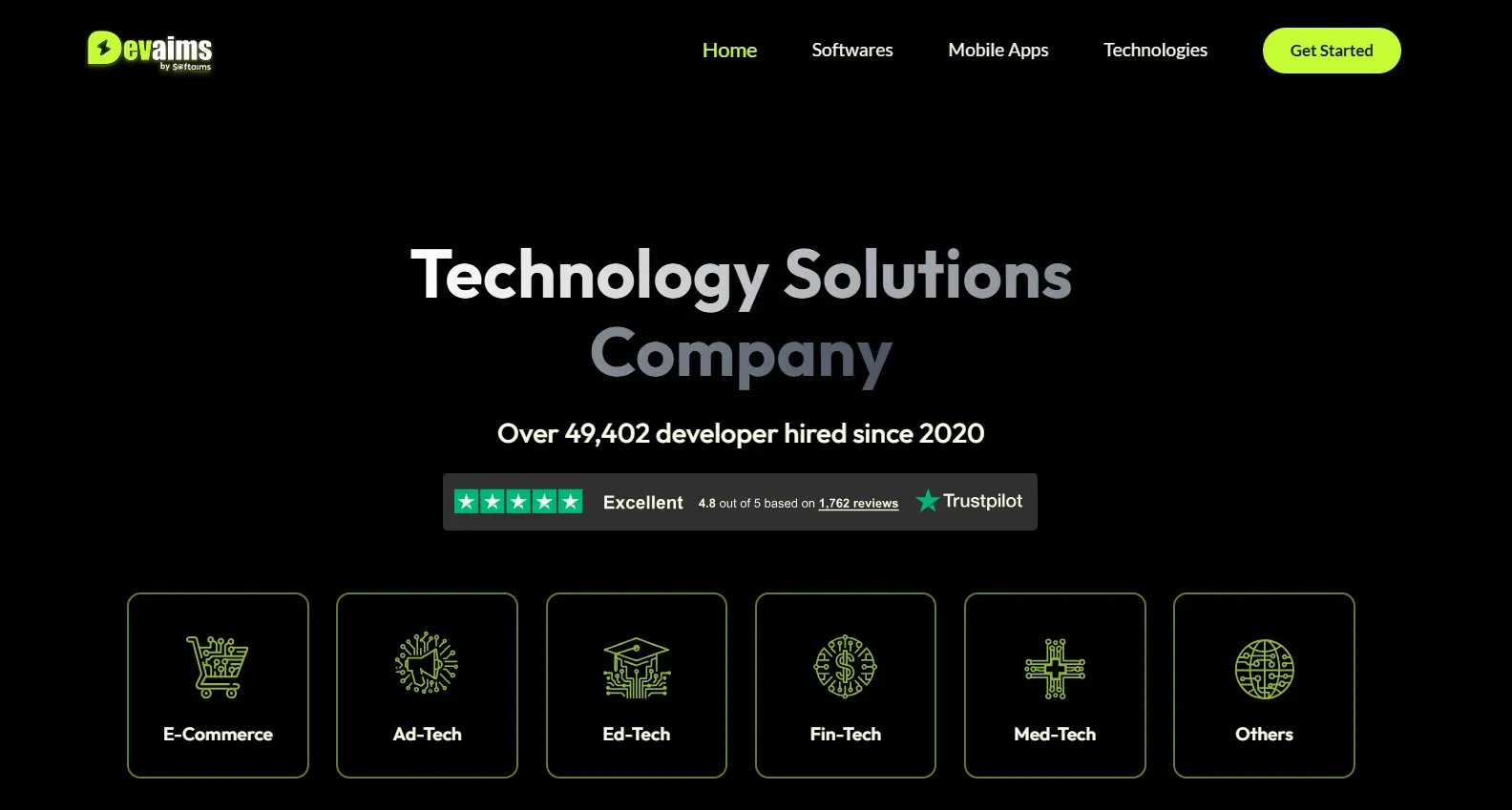
Devaims builds custom EHR and practice management platforms for clinics that want to keep their code, their data, and their flexibility forever. Instead of paying per provider or per month, you invest in a one-time build and a flat, affordable maintenance plan. Every feature, integration, and workflow is designed for your practice, not as part of a generic bundle. You get a platform you control, with no recurring rental fees, no contract lock-in, and no surprise price hikes.
- One-time build: you own the code, data, and platform outright
- Custom workflows, reports, and integrations built for your team
- No per-provider or per-feature fees, add users at no extra cost
- Flat, predictable maintenance (not a subscription)
- Easy migration support from your current system
Other Cerner (Oracle Health) alternatives worth knowing
- AdvancedMD is a strong pick for midsize practices needing telehealth and deep PM, but costs and contract complexity can be high.
- Healow focuses on patient engagement and telemedicine, often paired with eClinicalWorks.
Some niche tools serve unique verticals, but most are still rented, never owned.
How to choose the right Cerner (Oracle Health) alternative
- Budget: Count all per-provider fees, add-ons, and setup charges, then multiply by your provider count.
- Core needs: Do you need telehealth, deep reporting, or just charting and scheduling?
- Practice size: Some tools scale up better than others. Solo offices may want simplicity, while large groups need strong analytics.
- Contract flexibility: Annual auto-renewal is the norm, but some vendors offer limited month-to-month terms (often at a premium).
- Ownership: If you want to stop paying rent, Devaims is the only choice here that lets you own your system outright.
The decision comes down to how much you want to control your platform, pricing, and data. If ownership matters, keep reading for the real math.
Stop paying rent on software you could own
The biggest frustration with Cerner (Oracle Health) and its competitors is that every option rents your own data and workflows back to you, forever. Whether it’s Tebra’s per-provider pricing, Athenahealth’s percentage-of-collections model, or Modernizing Medicine’s specialty contracts, you’re always paying for access instead of building equity. Every new provider, every extra integration, every year, another bill, and you still don’t own a thing.
Devaims flips that equation. We build custom EHR and practice management platforms that are yours to keep, no more per-seat fees, no more “upgrade to unlock this feature,” no more data held hostage. You get the code, the data, and the flexibility to adapt as medicine changes. Our clients keep what they pay for, run their own reports, and never worry about vendor lock-in again.
- Per-provider fees? Gone. Add as many users as you need, no extra cost.
- Custom reports or integrations? You own them from day one.
- Switching costs? Zero, because you already have your own system.
- Outgrowing your vendor? Not possible, your platform grows with you.
| Tool | Who owns it? | Contract type | Monthly cost (5 providers) |
|---|---|---|---|
| Tebra (Kareo) | Vendor | Annual auto-renewal | $995+ |
| Athenahealth | Vendor | Annual/percentage revenue | $1,250+ (est.) |
| Practice Fusion | Vendor | Annual | $995 |
| Devaims (owned) | You | One-time build, flat maintenance | $0 (after build, only $190/mo maint.) |
| Year | Rented: Tebra (5 providers) | Rented: Athenahealth (5 providers) | Owned: Devaims build |
|---|---|---|---|
| 1 | $11,940 | $15,000 | $33,000 |
| 2 | $23,880 | $30,000 | $35,280 |
| 3 | $35,820 | $45,000 | $37,560 |
| 4 | $47,760 | $60,000 | $39,840 |
| 5 | $59,700 | $75,000 | $42,120 (now ahead) |
The break-even is typically just after year 4. From year 5 on, every dollar saved is yours to invest in your team, your patients, or your next big idea. Clinics with five or more providers, or those tired of paying for features they never use, see the fastest ROI, especially if they plan to grow.
How to switch from Cerner (Oracle Health)
- Export all patient and practice data from Cerner, including charts, labs, and billing records.
- Shortlist and select a replacement EHR or custom solution based on your needs and budget.
- Import data into the new system, mapping fields to avoid data loss.
- Reconnect payment processors, labs, and integrations.
- Train your team on the new workflows and features.
- Test both systems in parallel for at least one week to ensure accuracy.
- Review your Cerner contract for termination terms and provide notice.
With a custom Devaims build, the migration is handled as part of the project.
Frequently asked questions
What is the best Cerner (Oracle Health) alternative for small clinics?
Tebra (Kareo) and Practice Fusion are the most common choices for small general practices wanting a straightforward EHR. For clinics wanting to own their system and avoid ongoing fees, Devaims is the only true ownership option among Cerner (Oracle Health) alternatives.
Which Cerner (Oracle Health) alternative is cheapest for solo providers?
Practice Fusion starts at $199 per month per provider, making it budget-friendly for solo practitioners. Tebra offers entry-level plans at a similar price point, but both are rentals. If you plan to grow or add staff, owning with Devaims can quickly become more affordable.
Is there a truly free Cerner (Oracle Health) alternative?
No major EHR or practice management platform in this category is genuinely free. Some vendors offer temporary trials, but ongoing use always comes with per-provider or per-feature fees. Building your own with Devaims involves an upfront investment but eliminates recurring rental costs.
What is the best Cerner (Oracle Health) alternative for large groups?
eClinicalWorks, NextGen Healthcare, and Modernizing Medicine are strong for large or multi-site practices needing strong reporting and compliance tools. These are still rented platforms, so the cost can rise quickly as your team grows. Devaims is the only alternative where you own the code and can scale without new per-user charges.
When should I switch from Cerner (Oracle Health)?
If you’re frustrated with usability, support, or rising costs, or if your contract is up for renewal, it’s worth exploring Cerner (Oracle Health) alternatives. Practices planning for growth or wanting to control their own data see the biggest benefit from switching to an owned platform like Devaims.
Can I keep my existing data if I switch from Cerner (Oracle Health)?
Most vendors allow data export, though formatting and completeness vary. With a Devaims build, all migration is managed as part of your project, ensuring you keep 100 percent of your records and history.
How do per-provider fees compare to owning my own system?
Per-provider fees for rented EHRs can add up to tens of thousands of dollars over five years. With Devaims, you make a one-time investment and keep your system, eliminating per-user charges. The math is included in the 5-year cost table above.
The bottom line
The best Cerner (Oracle Health) alternatives in 2026 each solve part of the puzzle, but none let you build equity in your own platform except Devaims. If you want real control, add up what you’ll spend renting over five years and compare it to building your own. If the ownership line comes out ahead, you already have your answer. Here’s the simplest decision rule: if you’re tired of paying rent on software you use every day, it’s time to own your system and make it work for you.
Want more insights? See the Devaims blog for owner’s guides, or explore related alternatives: Epic alternatives, Practice Fusion alternatives, Athenahealth alternatives.