



Every vet clinic that has ever called RxWorks support and waited on hold knows the feeling: rising monthly bills, feature requests that never land, and that creeping suspicion your clinic is paying rent on its own data. If you have stared at an RxWorks invoice and wondered where the money goes, you are not alone. Switching software is a pain, but so is getting nickel-and-dimed for every extra user, workstation, or integration.
The good news? The field is wide open in 2026. Top RxWorks alternatives like Cornerstone, Vetspire, IDEXX Neo, and NaVetor all bring something new to the table. But the catch? You are still renting, not owning. The only way to stop the subscription cycle is to build a system that is yours to keep. That is where Devaims comes in, more on that at the end.
Why veterinary clinics look for RxWorks alternatives
Veterinary practices face mounting pressure from every angle: more patients, more staff, new modalities like telemedicine, and ever-expanding compliance and reporting requirements. RxWorks, while an established player, has not always kept pace with these changes. Here are the main reasons clinics are searching for better options in 2026:
Rising subscription costs: Most clinics see monthly fees climb as they add users or locations, and RxWorks is no exception. Even simple clinics can get hit with add-on charges. Over time, what started as an affordable monthly plan can balloon, especially as your team grows or you add features like SMS reminders, inventory modules, or advanced analytics.
Locked-in contracts: Switching platforms is hard by design. Multi-year terms and steep cancellation penalties keep clinics stuck, even when the fit is gone. Many RxWorks users report that contracts auto-renew, and even if you want to leave, you may face months of double-billing as you transition.
Feature gaps and slow updates: Clinics needing integrations, inventory automation, or telemedicine often find these features come late or are only available on higher tiers. For example, if you want to connect a new lab provider or integrate with a popular payment gateway, RxWorks may not support it without extra fees or custom work.
Data control headaches: Exporting patient records and financials is rarely smooth, and data often comes out in a mess or with missing fields. Financial data, attachments, and even appointment histories sometimes require manual cleanup or are delivered in formats that do not import cleanly into your new system.
Scaling pains: Larger practices hit per-user or per-location pricing walls fast, making growth expensive. That is why so many search for "RxWorks alternatives" each year. For clinics with multiple sites, the cost of simply adding another location can mean thousands in new annual fees, plus extra admin to manage logins and permissions.
Quick comparison of the best RxWorks alternatives
| Tool | Best for | Starting price | You own it? |
|---|---|---|---|
| Cornerstone | Multi-doctor clinics | Reported $250/mo+ | No, subscription |
| Vetspire | Cloud-first, AI features | Custom quote | No, subscription |
| IDEXX Neo | Easy cloud onboarding | Reported $150/mo | No, subscription |
| eVetPractice | Flexible cloud workflows | Reported $200/mo | No, subscription |
| VetHero | Mobile-first clinics | Custom quote | No, subscription |
| Shepherd Veterinary Software | Simplicity, easy onboarding | Reported $195/mo | No, subscription |
| NaVetor | Modern UI | Reported $150/mo | No, subscription |
| AVImark | Established practices | Reported $300/mo | No, subscription |
| Devaims (custom) | Complete ownership | One-time build | One-time build, you own it |
Always confirm current pricing before you decide. Rates and add-on fees change fast. Also, check for hidden costs like support, integrations, and data storage, which can materially affect your total spend over time.
The 9 best RxWorks alternatives
1. Cornerstone (multi-doctor clinics)
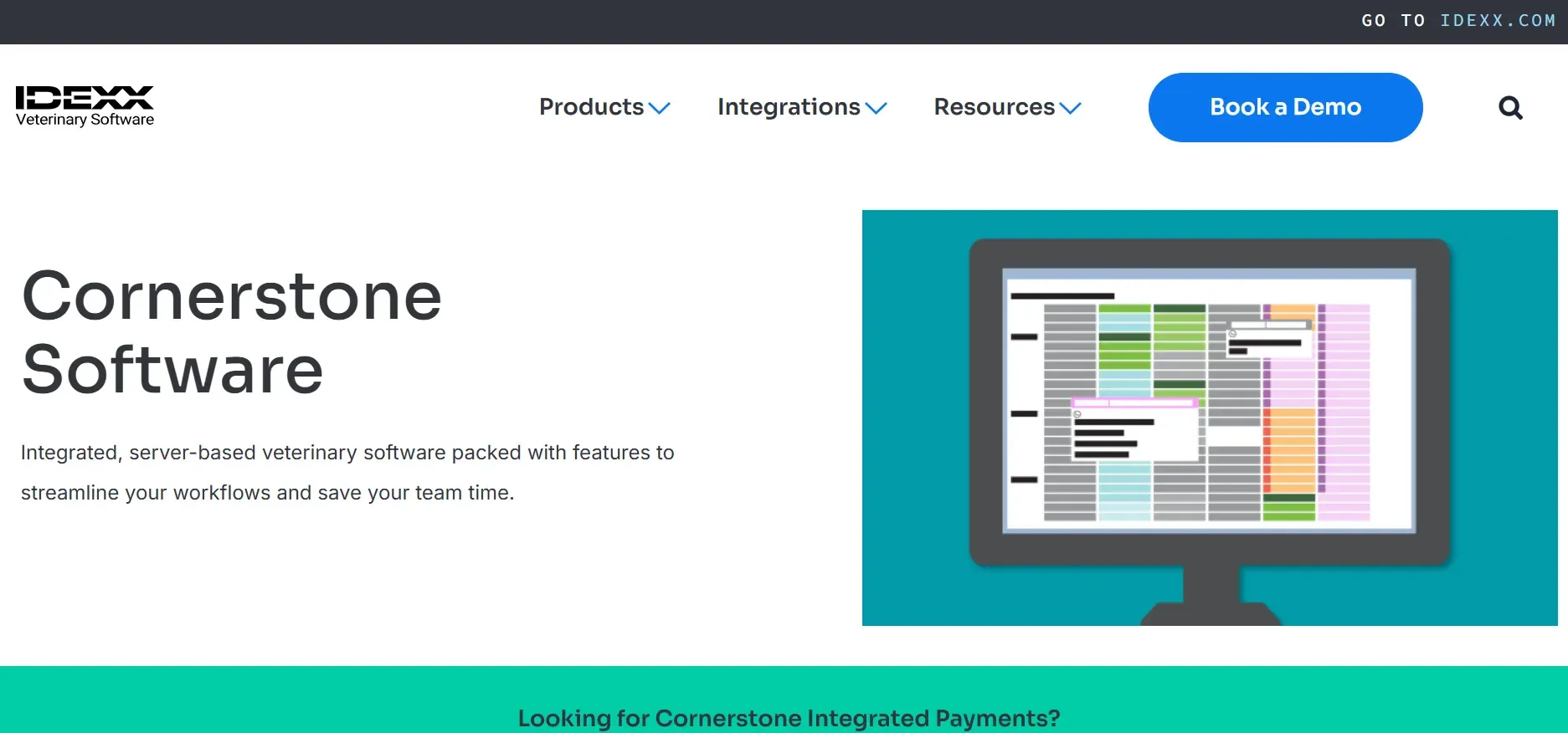
Cornerstone is a long-established favorite, especially for clinics that need deep inventory, lab integration, and strong reporting. It is a popular choice for multi-doctor and specialty clinics that need granular control over workflows. Cornerstone’s on-premises deployment means you install it on your own server, which can be an advantage for clinics with strict data privacy needs, but also brings more IT overhead.
Pricing: Reported $250/month and up, plus per-user/location fees and paid support.
- Comprehensive inventory and lab integration
- Customizable medical records and reporting
- Trusted by large, multi-doctor practices
- On-premises setup requires IT management and hardware
- Upgrades and integrations may require downtime or extra fees
- Per-user and per-location pricing can escalate for larger clinics
Cornerstone’s per-location pricing can add up fast. With Devaims, you pay once and add unlimited sites without extra fees.
2. Vetspire (cloud-first, AI features)
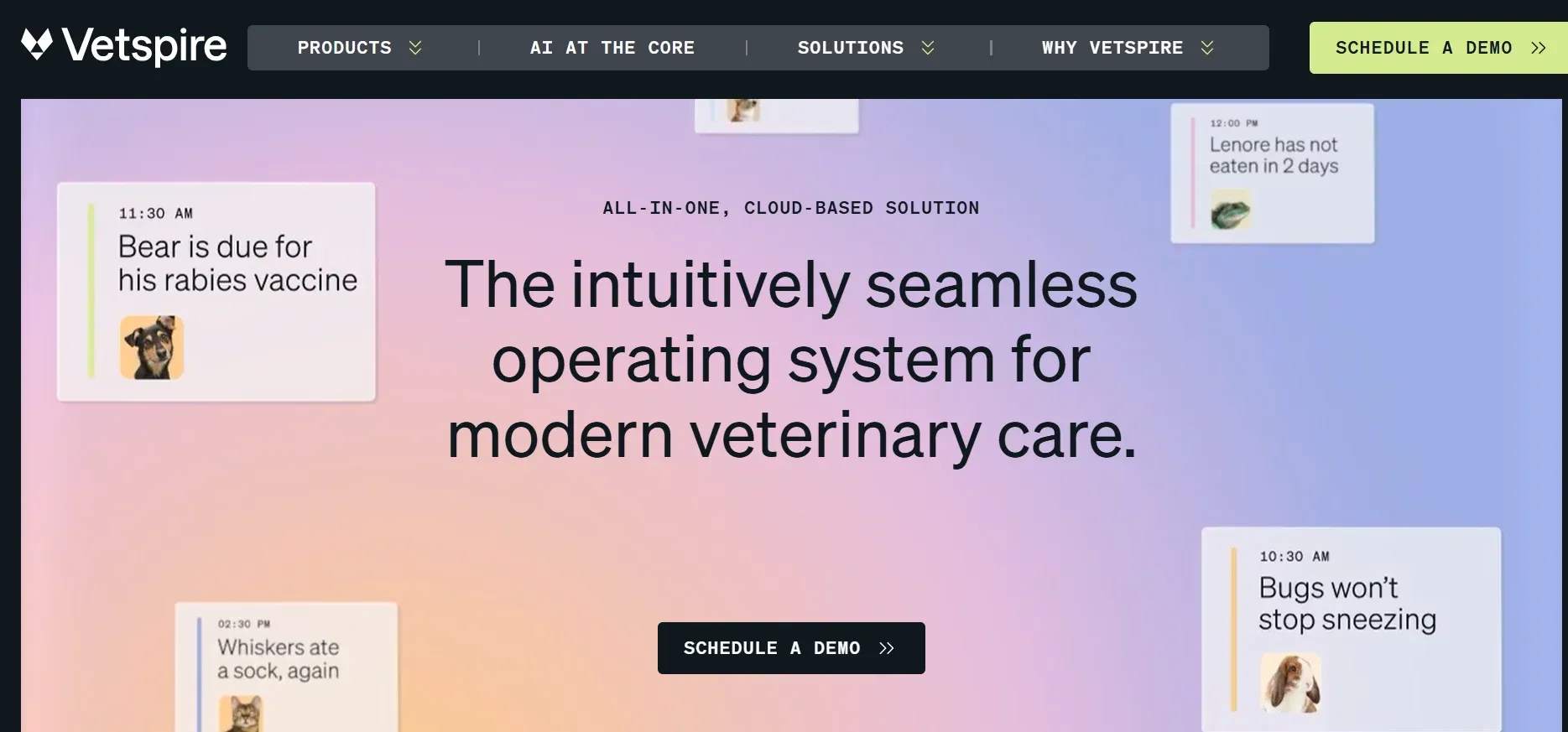
Vetspire is built for the modern, mobile veterinary clinic. It is a true cloud platform, accessible from any web browser or device, and uses machine learning to automate charting and suggest treatments. Vetspire’s AI can auto-populate SOAP notes based on previous visits and even flag potential drug interactions or missed charges.
Pricing: Custom quote, typically per-user/month, with AI features on higher tiers.
- AI-driven charting and analytics
- Integrated telemedicine and mobile access
- Modern, intuitive interface
- AI features may require premium plans
- Per-user pricing increases costs as your team grows
- Customization is limited compared to legacy systems
Vetspire’s AI is impressive, but you are still renting. Devaims builds AI features you own, with no ongoing fees.
3. IDEXX Neo (easy cloud onboarding)
IDEXX Neo is designed for clinics seeking a straightforward, cloud-based transition from legacy software. It is browser-based, so there is no software to install or maintain, and onboarding is designed to be rapid, often less than a week for smaller teams. Neo’s interface is modern and intuitive, with drag-and-drop scheduling and quick access to client and patient information.
Pricing: Reported $150/month for solo clinics, plus add-ons and support.
- Fast onboarding and simple interface
- Integrated IDEXX lab support
- Automatic updates and cloud backups
- Limited customization and integrations outside IDEXX ecosystem
- Advanced analytics and inventory require higher-tier plans
- Per-user/location fees can increase total cost
Neo’s simplicity is great for small teams, but larger clinics may outgrow it. Devaims scales with your needs, not your user count.
4. eVetPractice (flexible cloud workflows)
eVetPractice (now part of Covetrus Pulse) is a cloud-based platform with a focus on flexible scheduling, reminders, and inventory management. It stands out for its clean, modern interface and patient portal. eVetPractice is often praised for its ease of use, making it approachable for clinics transitioning from legacy systems.
Pricing: Reported $200/month, plus optional modules and support.
- Flexible workflows and reminders
- Easy onboarding and client portal
- Good support for remote/hybrid staff
- Customization limited by SaaS model
- Integrations with non-Covetrus labs may be restricted
- Monthly fees add up with add-ons
5. VetHero (mobile-first clinics)
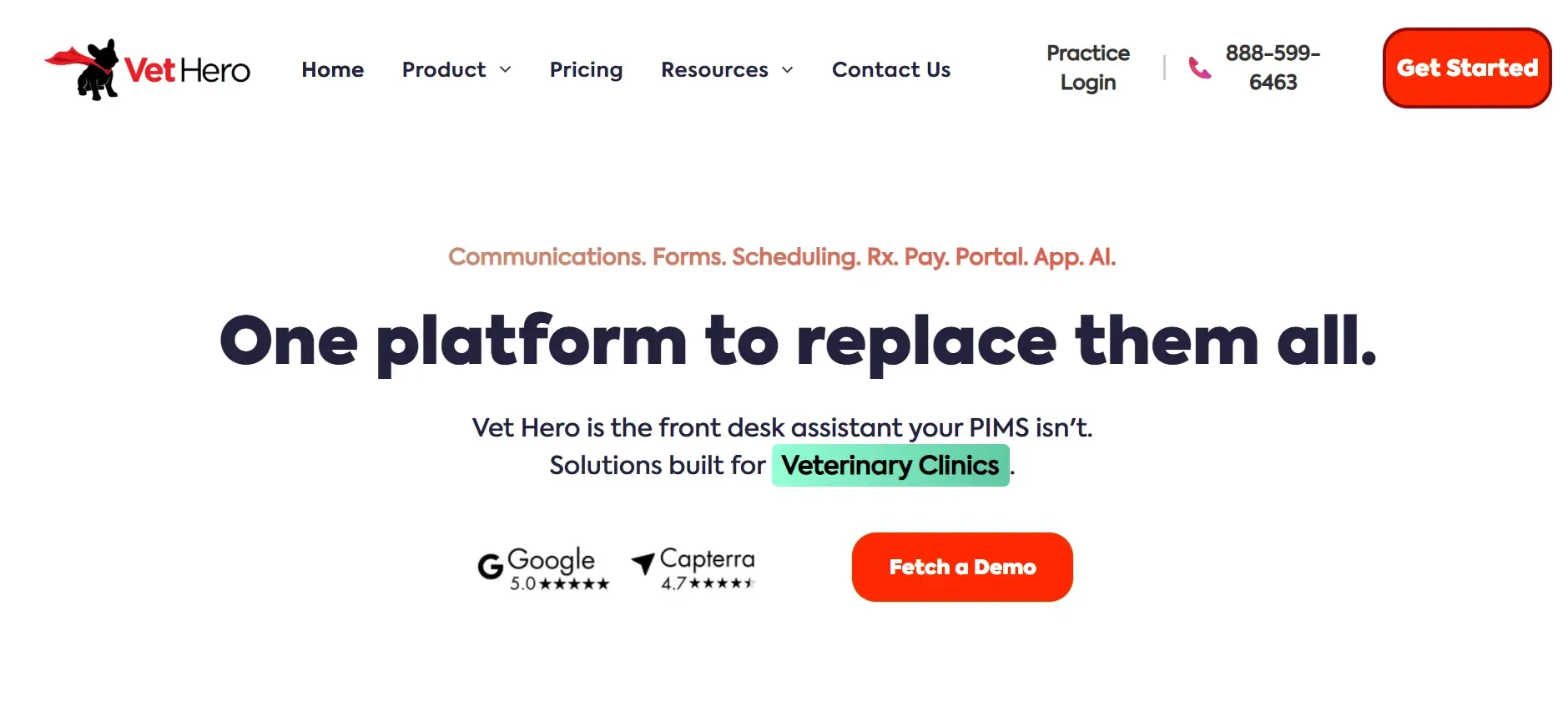
VetHero is designed specifically for mobile veterinary clinics, house-call practices, and ambulatory vets who need all their workflows accessible from a tablet or phone. Its design prioritizes speed and usability on smaller screens. VetHero includes route planning, on-site payments, and mobile charting, making it unique among RxWorks alternatives.
Pricing: Custom quote, typically premium for mobile features.
- Mobile-optimized for field work
- Route planning and offline mode
- On-site payments and invoicing
- Desktop features less mature than mobile
- Limited integrations with advanced systems
- Subscription pricing is higher for niche focus
6. Shepherd Veterinary Software (simplicity, onboarding)
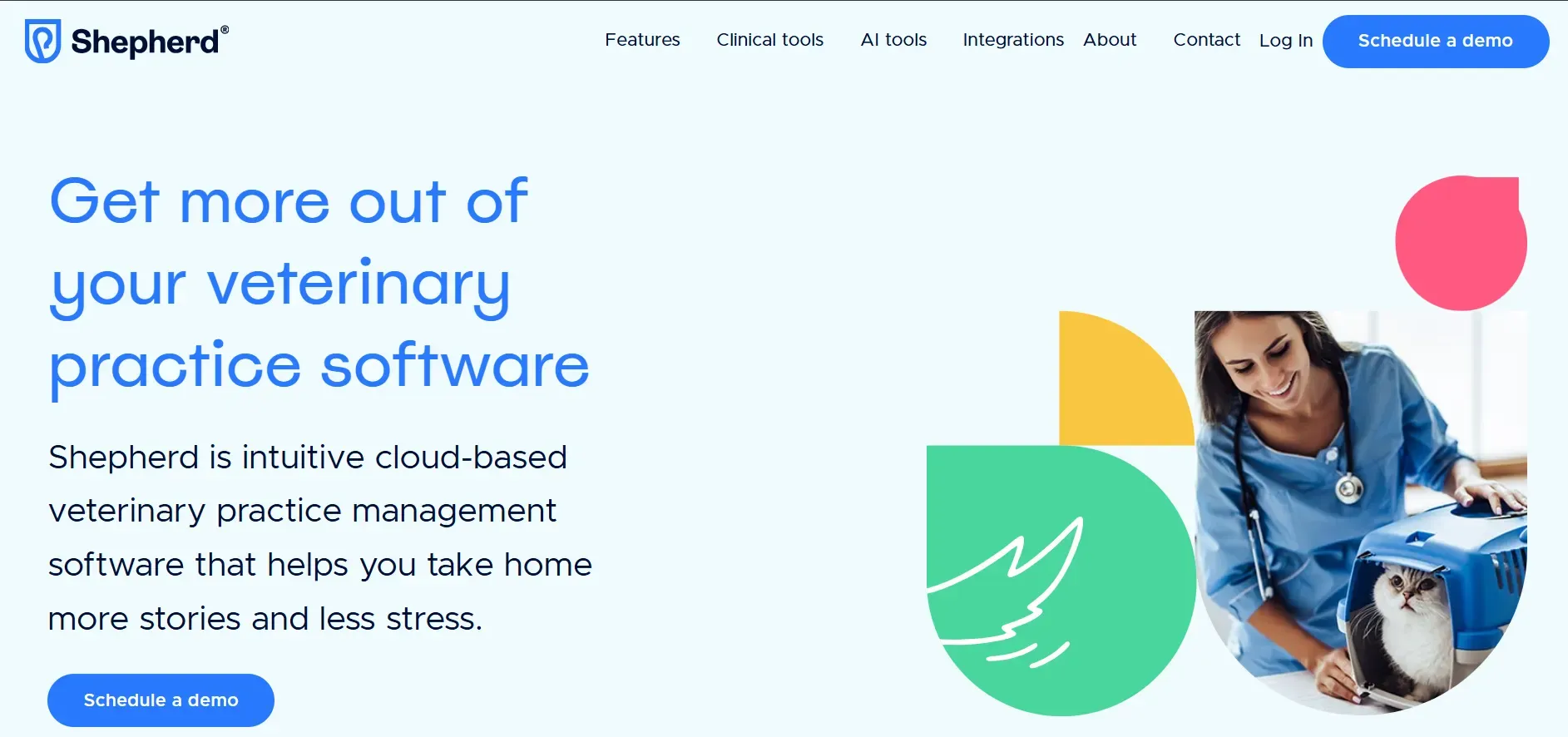
Shepherd Veterinary Software is designed for clinics that want a system they can learn in a day. The platform emphasizes simple, guided workflows, from check-in to discharge, and uses templates for common procedures. Shepherd’s clean interface and built-in training modules make it especially accessible for new staff or practices with high turnover.
Pricing: Reported $195/month, plus per-location fees for multi-site clinics.
- Guided workflows and templates
- Easy onboarding for new staff
- Automated reminders and tasks
- Limited customization and reporting
- Advanced features require premium plans
- Per-location pricing can add up
7. NaVetor (modern UI)
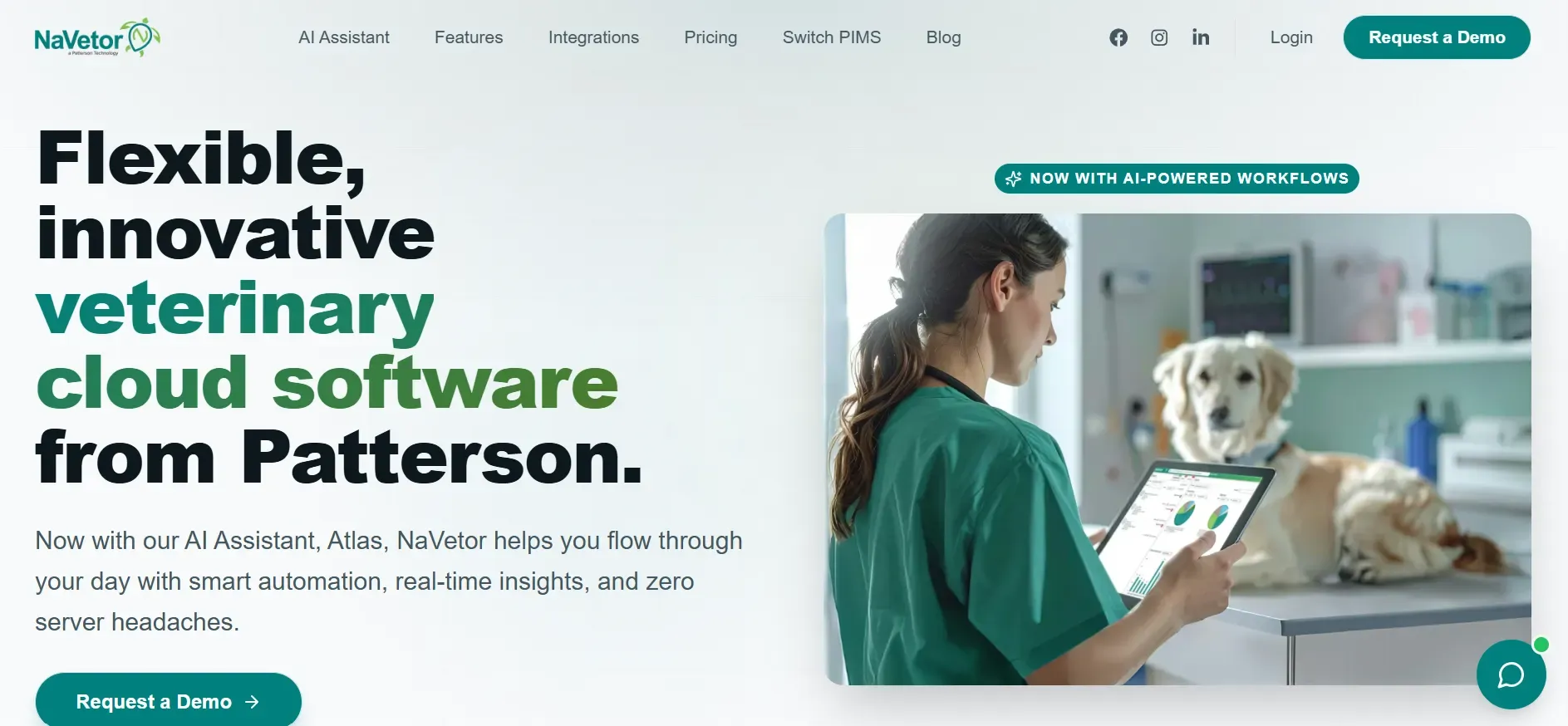
NaVetor is a cloud-based platform known for its clean, intuitive interface and modern design. NaVetor is built to be user-friendly from day one, with a focus on reducing clicks and streamlining common tasks. The platform is well-suited for clinics that want a fast, visually appealing experience for staff and clients.
Pricing: Reported $150/month, plus add-ons and support.
- Modern, responsive interface
- Fast training and onboarding
- Integrated calendar and communications
- Advanced features require higher-tier plans
- Integrations with non-core partners limited
- Subscription pricing less competitive as clinic grows
8. AVImark (established practices)
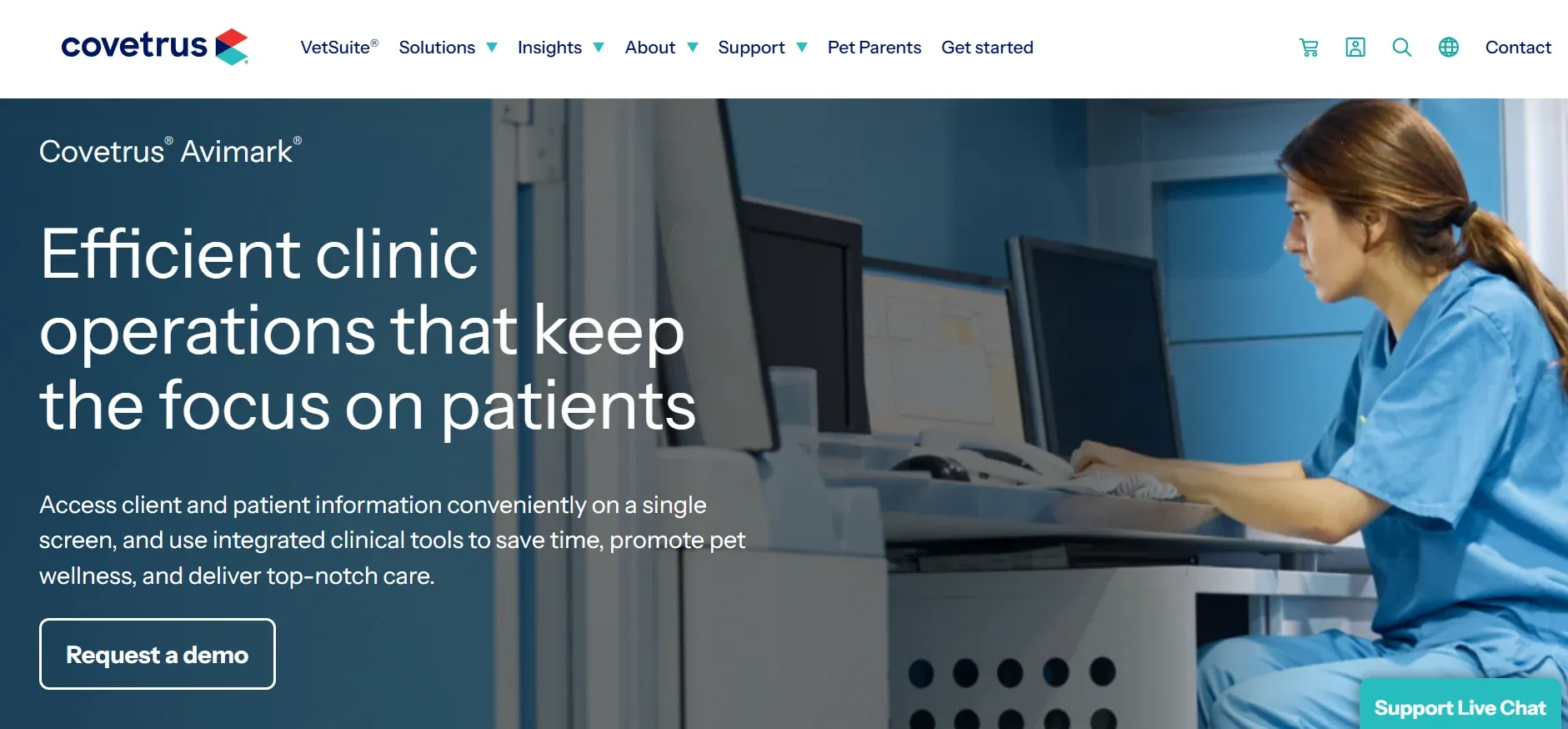
AVImark has a long track record and is one of the most widely installed veterinary practice management systems in North America. It is an on-premises solution, often chosen by clinics that value local control and have existing IT infrastructure. AVImark’s feature set is broad, but the interface shows its age compared to newer cloud systems.
Pricing: Reported $300/month, plus support and upgrade fees.
- Comprehensive inventory and boarding
- Customizable templates and records
- Trusted by established clinics
- Older interface and less modern UX
- Cloud access requires workarounds
- Recurring support and upgrade fees
9. Devaims (complete ownership)
Devaims builds custom veterinary practice software that you own, not rent. You get a system designed for your clinic’s exact workflows, integrations, and reporting needs, with no monthly subscription and no contract lock-in. Unlike every other RxWorks alternative, your clinic keeps the source code, controls upgrades, and never pays per-user or per-location fees again.
- Every workflow and integration built to your requirements
- Ownership of source code and full database access
- Integrate with any lab, payment, or imaging provider
- Custom analytics and dashboards for your KPIs
- On-premises, cloud, or hybrid deployment, your choice
With Devaims, you pay once and own your platform forever. No recurring rent, no per-user fees, and every feature is built for your clinic’s needs.
Other RxWorks alternatives worth knowing
- VetBadger: Niche player with simple cloud features, but limited integrations. Good for micro-clinics; lacks advanced inventory and reporting.
- Gingr: Excellent for clinics with heavy boarding or daycare, but less suited for medical workflows. Strong scheduling and client communication tools.
- Hippo Manager: Budget SaaS, but fewer advanced features and integrations than leaders. Good entry point for startups with basic workflow needs.
How to choose the right RxWorks alternative
- Budget: Factor not just the monthly fee, but all add-ons, training, and per-user costs over five years. Include migration, support, and integration fees that may be hidden in the fine print.
- Workflow needs: List the automations and reports you need, see which tools deliver and which require workarounds. If your clinic has unique scheduling, referral, or inventory requirements, check if the platform can adapt or if you will have to compromise.
- Size and scale: Multi-location clinics should beware per-location pricing, solo practices may want simple onboarding. Think about whether you will add new locations or staff in the next few years.
- Data ownership: Can you export everything in a usable format if you ever leave? Ask for a sample export before signing a contract, and clarify what fields and attachments are included.
- Custom vs Rent: If your workflows are unique or you are tired of vendor restrictions, consider if owning a custom system finally makes sense. Run the five-year math before committing to another SaaS cycle.
Ready to control your own system? Owning may cost less than you think.
Stop renting your own clinic's data: Own your platform
Every RxWorks alternative, from Cornerstone to AVImark, keeps you on the same treadmill: monthly fees, per-user surcharges, and features locked behind a paywall. Even "modern" SaaS tools change their pricing, sunset features, and restrict your data when you want to leave. Owning your system flips the script. No lock-in, no forced upgrades, and every report or integration is yours to control.
Devaims builds custom veterinary platforms designed for your workflows. Your clinic keeps the source code, controls upgrades, and can integrate with any lab, payment, or inventory solution you choose. You pay once to build, then a flat maintenance fee, never a per-user or per-location charge again.
- No per-user, per-location, or per-feature fees: Add as many users or sites as you want, forever.
- Own your data and code: Export, audit, or extend your platform however you need.
- Custom features by request: If your team needs a workflow, it is built for you, not for the average clinic.
- No contract lock-in or forced upgrades: You decide when to enhance, not a vendor.
| Tool | Ownership | Per-user/location fees | Contract |
|---|---|---|---|
| RxWorks | Vendor-owned | Yes | Yes |
| Cornerstone | Vendor-owned | Yes | Yes |
| Vetspire | Vendor-owned | Yes | Yes |
| Devaims | You own it | No | No |
| Year | Rent (subscription cumulative) | Own (build + maint cumulative) |
|---|---|---|
| Year 1 | $9,600 | $27,500 |
| Year 2 | $19,200 | $29,780 |
| Year 3 | $28,800 | $32,060 |
| Year 4 | $38,400 | $34,340 (now ahead) |
| Year 5 | $48,000 | $36,620 |
This math assumes a 7-staff, 2-location clinic on a $400/month SaaS plan (typical with add-ons). After four years, the owned option costs less, and every year after, the gap widens. Clinics with 6 to 10 staff or multiple locations feel the savings fastest. If you want to run the real numbers for your practice, we will do the math for free.
How to switch from RxWorks
- Export all patient and financial data from RxWorks in every available format: This includes client records, patient histories, invoices, inventory lists, and all attachments (e.g., lab results, images). Request a full data dump from RxWorks support rather than relying on self-service exports, if possible.
- Choose your new platform (SaaS or owned build) and confirm migration support: Ask your new vendor for a detailed migration plan. Clarify which data types will transfer automatically and which will require manual mapping.
- Map and import your data, patients, appointments, invoices, and inventory: This step is critical to avoid data loss. Some platforms offer migration tools, but complex histories may need expert help.
- Reconnect lab integrations, payment systems, and reminders: Ensure all integrations are tested before go-live, especially those critical to daily workflow.
- Train your staff on the new workflows and permissions: Schedule hands-on sessions and provide cheat sheets for common tasks. Build in extra time for staff to adjust to new interfaces.
- Run both systems in parallel for at least two weeks to ensure accuracy: Double-check all new entries, invoices, and reminders in both systems. Address any discrepancies before fully switching over.
- Review your RxWorks contract for termination notice and penalties before canceling: Some vendors require 60-90 days’ notice or impose early termination fees. Time your switch to minimize overlap costs.
With a custom Devaims build, the migration is handled as part of the project, including full data mapping, validation, and staff training.
Frequently asked questions
What is the best RxWorks alternative for multi-location clinics?
Cornerstone and AVImark are popular for larger or multi-site clinics, thanks to strong multi-location support and centralized reporting. However, both carry per-location fees that can escalate quickly as you grow. For clinics wanting full control, unlimited sites, and no per-site charges, a custom Devaims build is the only option you truly own. This is especially important for groups planning rapid expansion or mergers.
Which RxWorks alternative is the cheapest?
NaVetor and IDEXX Neo come in at lower monthly rates, starting around $150 per month for solo clinics. However, these prices often do not include add-ons like advanced analytics, integrations, or extra users. Over five years, even the cheapest SaaS can cost more than a one-time build from Devaims, especially for clinics with multiple users or locations.
Are there any free RxWorks alternatives?
There are no fully free, full-featured RxWorks alternatives for veterinary clinics. Some platforms offer limited-time trials or freemium plans, but these usually cap features such as the number of patients, users, or integrations. Open source options exist, but require significant IT resources to install, secure, and maintain. Owning your system outright with Devaims avoids ongoing fees entirely after the build, providing a true long-term alternative to "free" systems that often cost more in hidden support or lost productivity.
Can I keep my RxWorks data when switching?
Yes, but data export from RxWorks can be messy and may require manual cleanup. Most SaaS vendors, including RxWorks, provide basic CSV exports of core records, but attachments, custom fields, and financial histories often come in separate files or inconsistent formats. Devaims migration projects handle full data mapping and validation, ensuring a clean transition with no loss of critical information.
Which RxWorks alternative is best for mobile vets?
VetHero is purpose-built for mobile and house-call vets, with route planning and mobile payments. However, it still locks you into a subscription. With Devaims, your mobile features are built to your exact specs, including offline support, device compatibility, and any custom workflow you need for field visits.
Why do so many clinics switch from RxWorks?
Subscription fatigue, slow updates, per-user fees, and data lock-in are the top reasons clinics search for RxWorks alternatives. Many clinics also want better integrations, telemedicine, or analytics. Custom ownership with Devaims removes every one of those pain points and gives you the flexibility to adapt as your clinic evolves.
How soon does owning my system beat renting?
With typical SaaS costs (including add-ons and user/location fees), the break-even is around year four. After that, owned software from Devaims costs less every year while SaaS subscriptions keep rising. For larger clinics, the break-even can happen even sooner, especially when you factor in avoided upgrade and integration fees.
The bottom line
The right RxWorks alternative depends on your clinic's size, workflow, and appetite for recurring bills. But here is the decision rule: Add up every fee and upgrade over five years. If that number would have bought you a custom platform, you are already paying to rent what you could own.
Clinics that want to control their costs, data, and future should run the math. Owning your software is not just about the money, it is about freedom from lock-in and endless add-ons. When you are ready to build a system for your practice, Devaims is the team to call.
For more insights on veterinary software and ownership, visit the Devaims blog or see our other guides: Cornerstone alternatives, Vetspire alternatives, AVImark alternatives. For independent reviews and industry trends, see resources from the AAHA and Today's Veterinary Business.