


There’s a moment every dental clinic owner faces: another annual invoice for software you don’t control, a contract that auto-renews if you blink, and customer support that feels like an afterthought. Fuse (Henry Schein) promises a lot, but the reality is you’re still renting, just like with every other dental platform on this list. And if you’ve ever tried to get out of a contract or add a provider midyear, you know the pain is real.
If you’re searching for Fuse (Henry Schein) alternatives, you’re not alone. The best picks for 2026? Open Dental and Curve Dental for clinics that want flexibility and features without the steepest price tag. But if you’re tired of renting your own workflow, there’s a way to own your platform outright, so keep reading for the one path that puts you in control.
Why dental clinics look for Fuse (Henry Schein) alternatives
Lock-in contracts and auto-renewal: Most dental platforms, including Fuse, require annual contracts that renew automatically unless you give months of notice. Miss the window and you’re stuck for another year. Even when you’re ready to move, you could be on the hook for months or even a full year of additional payments, regardless of whether you’re using the tool. For busy clinic owners, this means ongoing costs and little flexibility to adapt to changes in your practice.
Per-provider and per-location pricing: Fees climb as you add providers or locations. For a growing clinic, these costs can feel like a penalty for success. That means a solo practice might get by with a lower bill, but as soon as you add associates, hygienists, or a second location, your monthly expenses can double or triple. This pricing approach makes budgeting unpredictable and discourages growth.
Add-on charges for basic features: Reporting, integrations, even simple exports often cost extra or are locked behind higher tiers. Want to connect with your preferred payment processor, send advanced reports to your accountant, or automate appointment reminders? You may be facing yet another layer of monthly fees. Over time, this nickel-and-dime approach can lead to real sticker shock.
Support that drags: Many users report slow or inconsistent customer service, especially when you need urgent help. When your front desk can’t process claims or schedule appointments because of a system bug, waiting hours (or days) for a response isn’t just frustrating, it can cost you real revenue and patient trust.
You never own it: After five years of payments, you have nothing to show for it but another renewal notice. If you want to customize your workflow, connect to a new imaging system, or add a feature for your team, you’re at the mercy of the vendor’s roadmap. That’s why so many clinics are looking for Fuse (Henry Schein) alternatives that offer real ownership and control.
Quick comparison of the best Fuse (Henry Schein) alternatives
| Tool | Best for | Starting price | You own it? |
|---|---|---|---|
| Dentrix | Large practices | $469/year | No |
| Eaglesoft | Integrated imaging | $400 to $500/month | No |
| Open Dental | Customizability | $199/month | No |
| Curve Dental | Cloud-based clinics | $350 to $600/month | No |
| Carestream Dental | Imaging-heavy practices | $800 to $2,500/month | No |
| Sensei Cloud | Enterprise groups | Custom | No |
| Weave | Patient communication | Custom | No |
| Lighthouse 360 | Appointment reminders | Custom | No |
| Devaims | Clinics that want to own | One-time build | One-time build, you own it |
Always confirm current pricing before you decide. Published rates can change, and hidden fees add up fast. Ask for a complete breakdown, including onboarding, training, and support costs, before making your decision.
The 9 best Fuse (Henry Schein) alternatives
1. Dentrix (large practices)
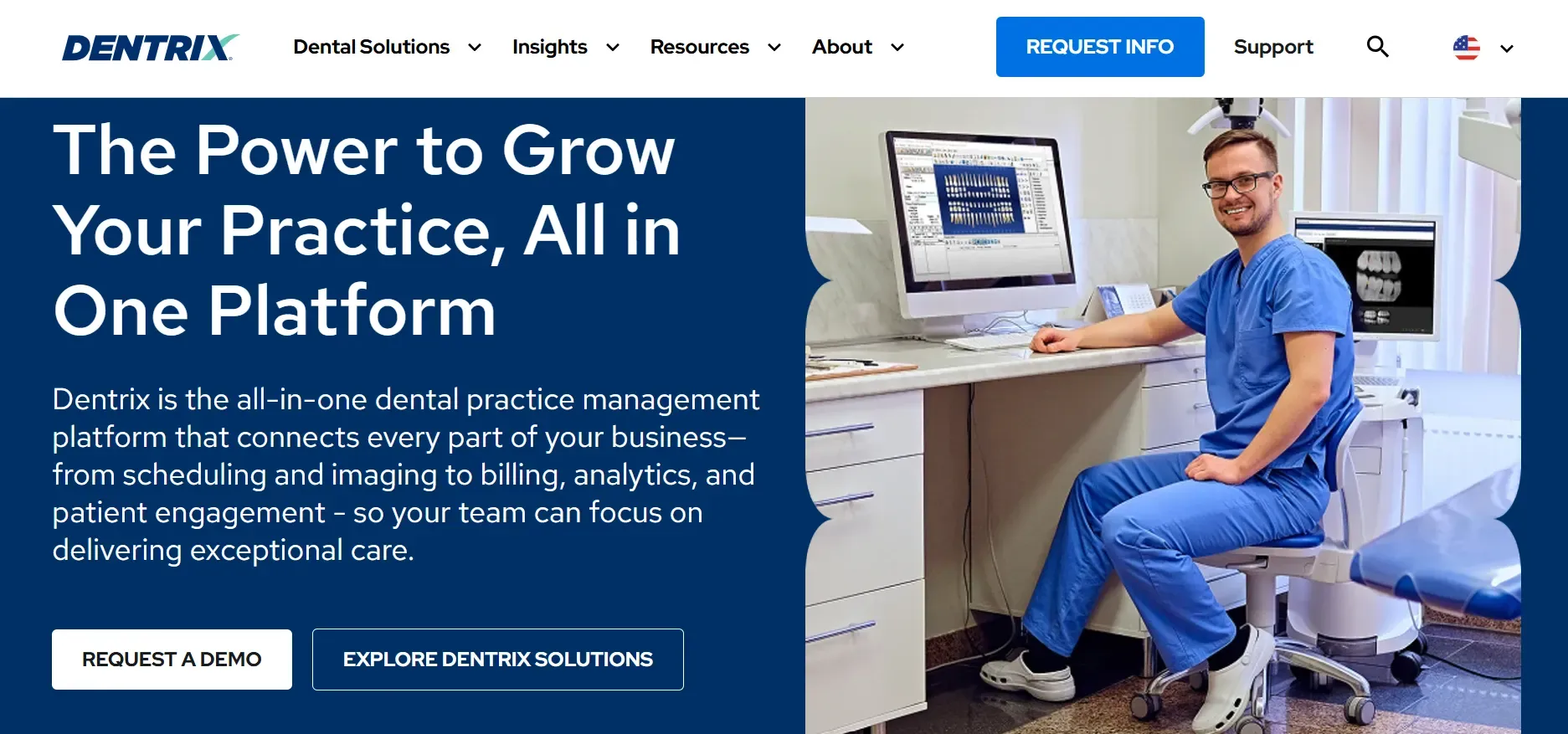
Dentrix is the entrenched player in dental practice management. It’s best for large, multi-provider practices that want an all-in-one suite, but clinics end up facing the same contract and support headaches as with Fuse. The interface is familiar, but that doesn’t mean it’s painless to scale or customize.
Pricing: Custom pricing, median reported at $469/year. See source.
- Comprehensive feature set for large practices
- Wide range of integrations
- Familiar interface for dental teams
- Limited customization without consulting
- Annual contracts with auto-renewal
- Support can be slow
With Devaims, you’d own the code and skip the contract renewal dance entirely.
2. Eaglesoft (integrated imaging)
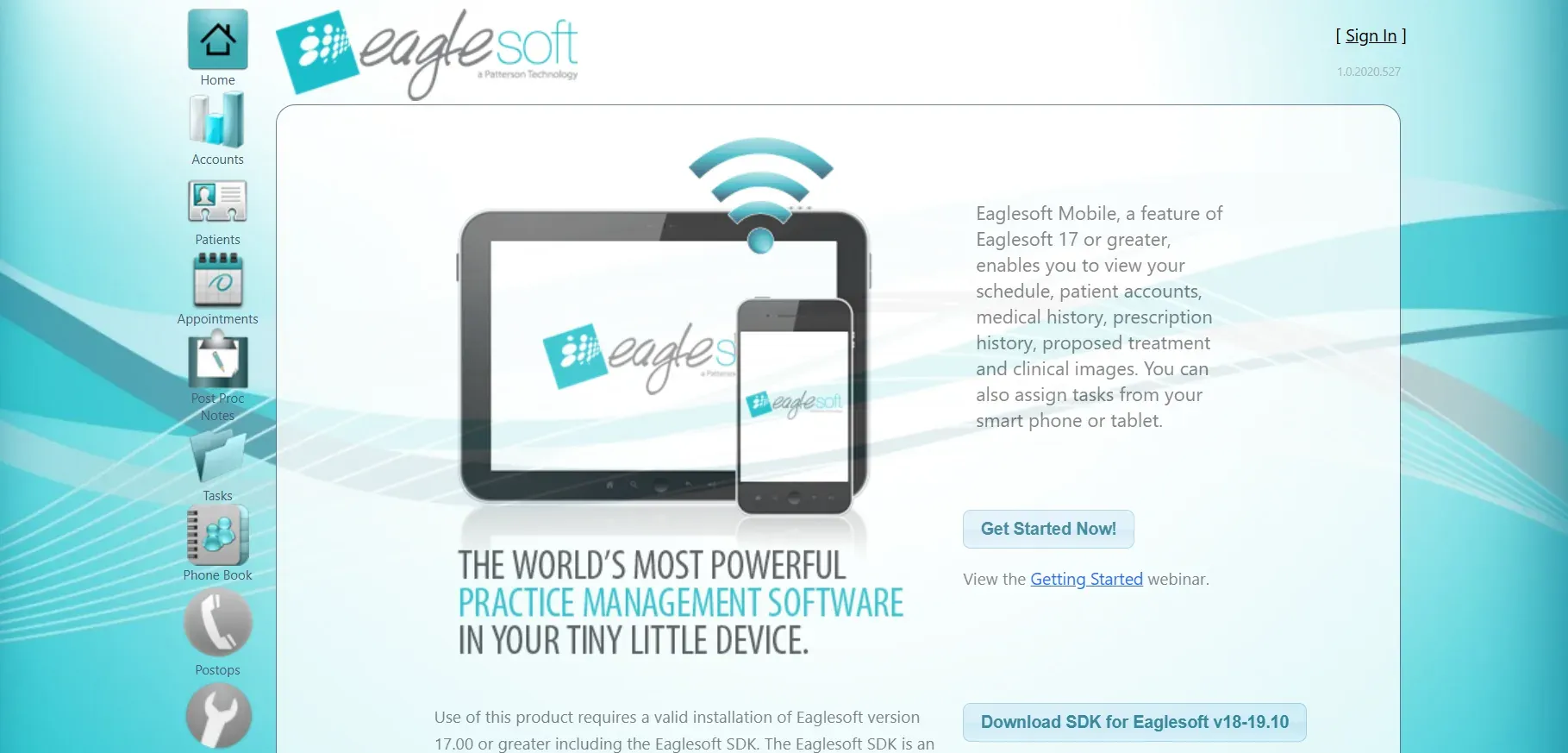
Eaglesoft from Patterson Dental is known for tight integration with imaging hardware. If your clinic leans on in-house radiography, Eaglesoft is often considered. Yet, you’re still paying $400 to $500 per month and dealing with add-on costs and annual renewals, just like with Fuse.
Pricing: Custom, estimated $400 to $500/month base license, add-ons extra. See source.
- Strong imaging workflow
- Comprehensive clinical charting
- Patient communication module included
- Best imaging integration with Patterson devices
- Annual contracts and per-feature fees
- Data migration can be complex
3. Open Dental (customizability)
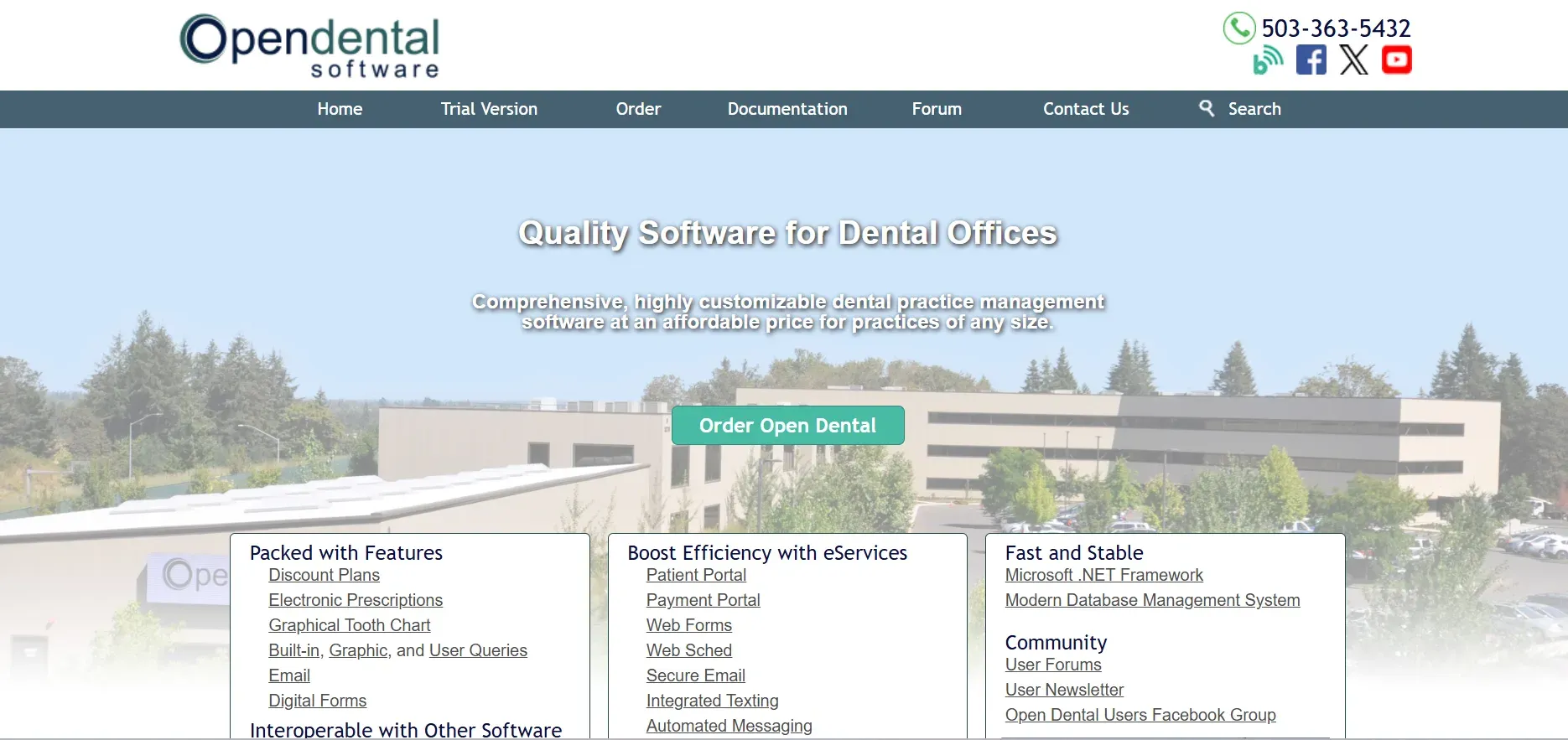
Open Dental is the go-to for clinics that want to tinker, automate, or run custom workflows. Pricing is transparent and lower than most: $199/month per location for up to three providers, with support dropping to $169/month after the first year. Still, it’s a rental, not ownership, and you’ll run into the same auto-renewal contracts as with Fuse.
Pricing: $199/month, $169/month support after year one. See source.
- Open API for custom integrations
- Transparent pricing
- Active user community
- Requires IT resources for customization
- Annual contracts and ongoing fees
- Cannot modify core code without license
With a Devaims build, custom features belong to you instead of being locked behind a platform’s roadmap.
4. Curve Dental (cloud-based clinics)
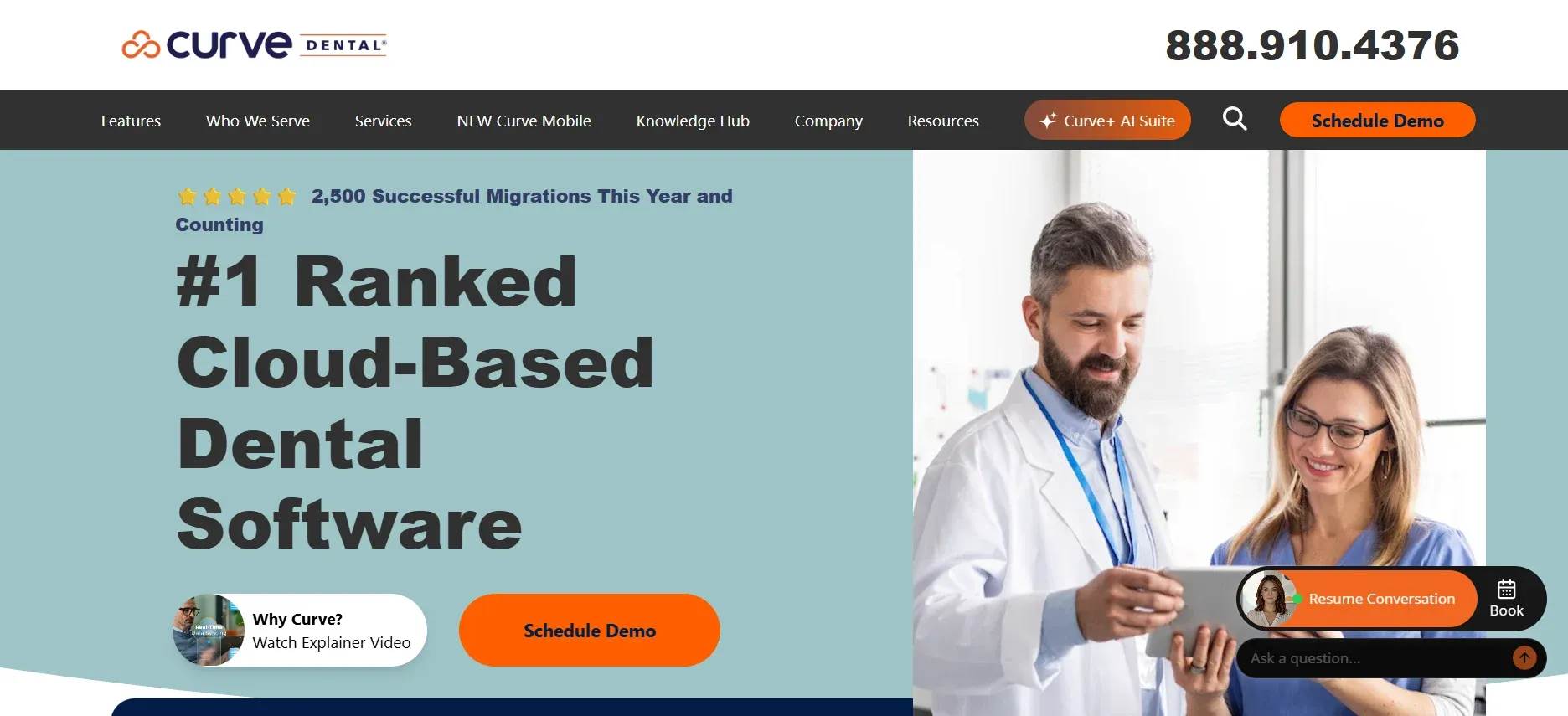
Curve Dental is 100 percent cloud-based, appealing to practices wanting anywhere access and less local IT. It’s priced at $350 to $600 per provider per month, with most clinics layering in add-ons for e-claims or analytics. You’re still bound by annual contracts and per-seat fees, just as with Fuse.
Pricing: $350 to $600/month per provider. See source.
- Modern cloud interface
- Mobile access for providers
- Centralized management for multi-location clinics
- Per-provider pricing increases costs as you grow
- Limited customization options
- Annual contracts with auto-renewal
5. Carestream Dental (imaging-heavy practices)
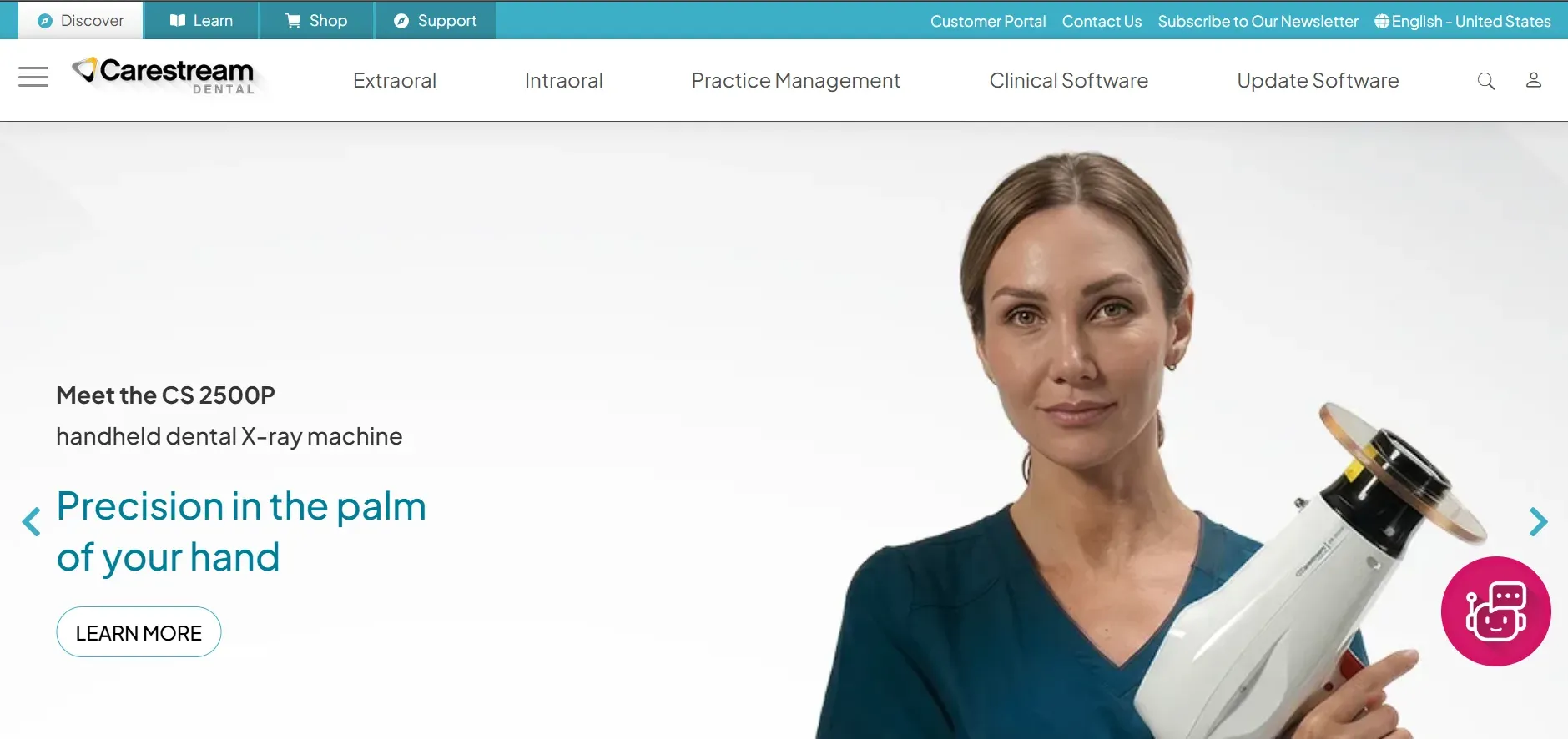
Carestream Dental targets clinics with advanced imaging needs. Licenses start at $800 a month, with onboarding fees ranging from $5,000 up to $50,000, making it one of the most expensive options. You’re still locked into annual contracts and a web of add-ons, just like with Fuse.
Pricing: $800 to $2,500/month, onboarding $5,000 to $50,000. See source.
- Advanced imaging features
- Centralized image management
- Strong for multi-site DSOs
- High upfront and recurring costs
- Best with Carestream imaging hardware
- Complex data migration
6. Sensei Cloud (enterprise groups)

Sensei Cloud is built for enterprise dental groups and DSOs that need multi-location centralization. Pricing is not public, but contracts are typically annual, feature upgrades and support are often tiered, and you still don’t own anything after years of payments.
Pricing: Custom, not publicly listed. See source.
- Enterprise-level analytics and controls
- Multi-site management
- Regular product improvements
- Tiered support and features by price
- Annual auto-renewal contracts
- Ownership remains with the vendor
If you owned your stack, enterprise reporting would be yours by design, not an upgrade.
7. Weave (patient communication)
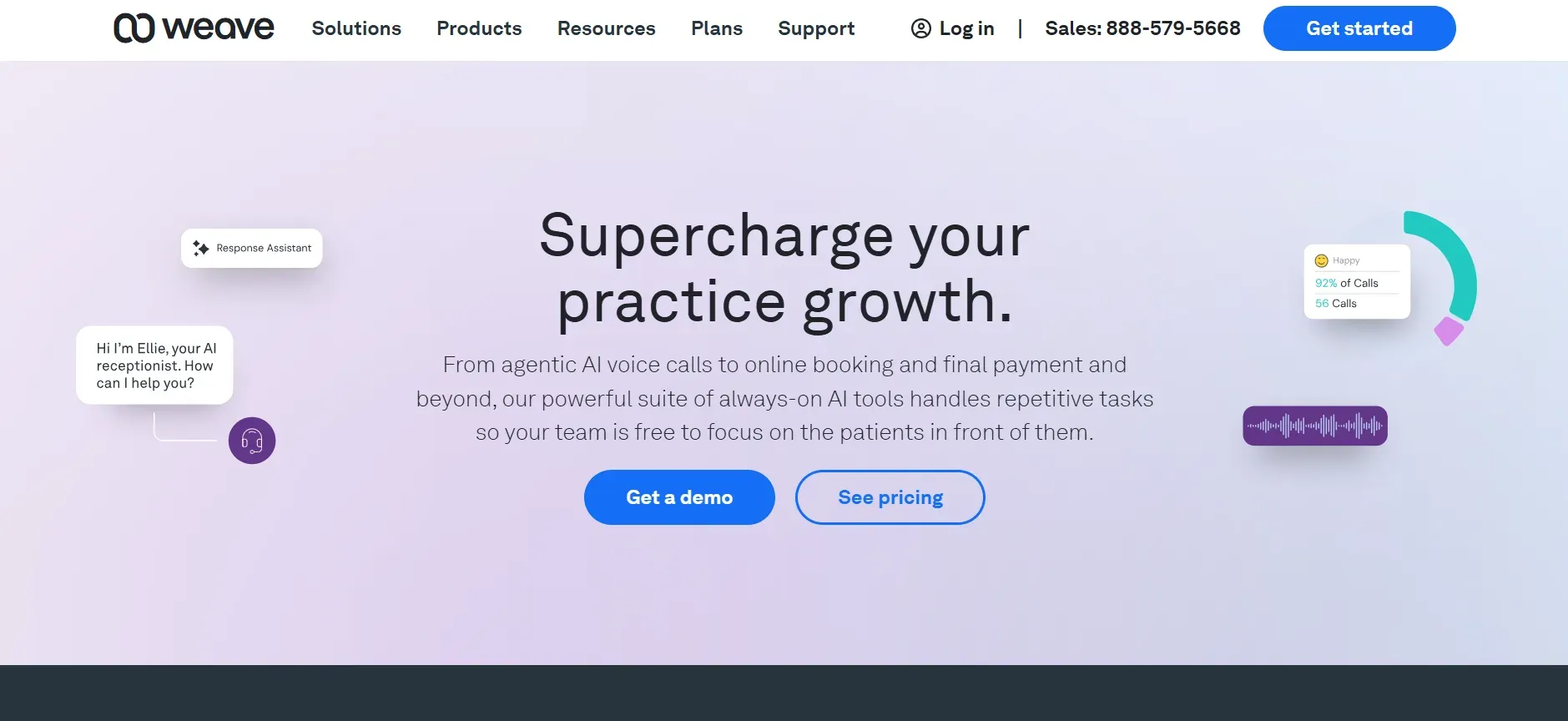
Weave is focused on patient communications, such as reminders, texting, calls, and online scheduling. It’s a bolt-on to your primary practice management, but fees are still recurring, contracts still renew, and ownership never passes to you.
Pricing: Not publicly disclosed. Most clinics report pricing in the $300 to $500/month range, depending on features and users.
- Easy onboarding
- Strong patient engagement tools
- Integrates with major dental PMS
- Does not replace core PMS
- Recurring per-location or per-user fees
- Contracts auto-renew
8. Lighthouse 360 (appointment reminders)
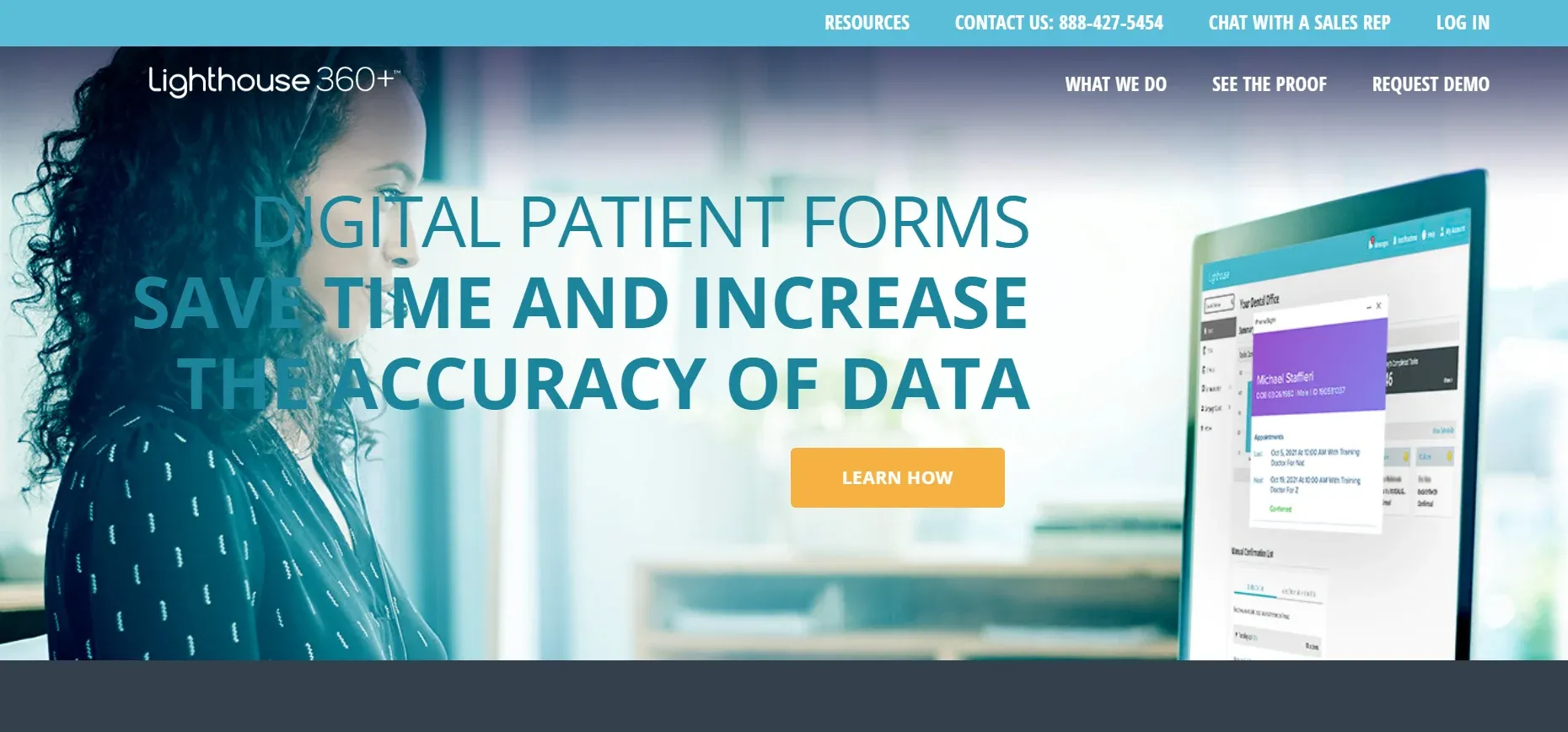
Lighthouse 360 is an automation platform for appointment reminders and recall campaigns. It slots into your clinic’s workflow but brings the same annual contract and support complaints as Fuse.
Pricing: Not publicly disclosed. Clinics report $300 to $400/month is typical.
- Automates recall and reminders
- Works with most dental PMS
- Customizable messaging templates
- Limited to reminders and communication
- Annual contracts with auto-renewal
- Support quality varies
9. Devaims (clinics that want to own)
Devaims builds custom practice management and workflow platforms specifically for dental clinics. Unlike every other option on this list, you pay once for the build, keep the source code, and run your clinic on software you actually own. That means no per-provider fees, no contract auto-renewals, and no expensive add-ons for features that should just be there from day one.
- One-time build, you own the code and the platform
- No per-provider or per-location fees
- Custom features, integrations, and reporting, built for your clinic
- Flat, predictable maintenance cost
On software you own, adding a provider is just a workflow update, not a monthly fee.
Other Fuse (Henry Schein) alternatives worth knowing
- Planet DDS: Strong cloud practice management, but the same rental model and contract headaches as Curve Dental. Particularly popular with group practices and DSOs, but all the same ownership and contract issues apply.
- Dolphin Dental: Excellent for orthodontics but limited for general dentistry. High cost and not true ownership. Data migration can be tricky, and ongoing support is required for updates.
- NovaSom: More focused on sleep medicine integration, not a practice management replacement for most clinics. Useful for dental practices specializing in sleep apnea, but not comprehensive enough for general or multi-specialty practices.
How to choose the right Fuse (Henry Schein) alternative
- Budget: Calculate your five-year spend, not just the starter price. Add up per-provider and add-on costs. For example, a platform that looks affordable at $300/month can easily exceed $20,000 over five years, especially as you add providers or locations.
- Feature fit: Do you need deep imaging, enterprise analytics, or automation? Some tools force you onto higher tiers for basics. Make a list of must-have features and ask vendors to show them in a live demo, not just a brochure.
- Clinic size: Small teams can get by with simpler tools, scaling up multiplies rental costs fast. Enterprise platforms may be overkill for solo providers, while cloud-first tools may not meet the needs of large multi-site groups.
- Ownership: If you want to customize, integrate, or truly control your system, renting will always have limits. Consider how often your clinic changes workflows or adds providers. Long-term, ownership removes barriers to adaptation.
If you want out of the subscription treadmill, custom ownership is your next step.
Stop paying rent on software you could own
Here’s the reality: every major dental software, from Fuse to Curve to Carestream, keeps you on the hook with annual contracts, per-unit fees, and locked-in upgrades. Even if you switch, you’re still renting. That’s where Devaims is different, your system is built for your workflow and you keep the code, the features, and the data. No more surprise renewals. No more per-seat upcharges. Just a platform that grows with you, not against you.
Devaims is a custom software development agency that builds practice management and workflow tools for dental clinics that want out of the rent cycle. You pay for the build, keep the source code, and pay only a flat maintenance fee if you want ongoing support. Every feature is your feature, and nobody can increase your price because you hired another hygienist.
- No more per-provider or per-location fees: Add as many users as you want, for free.
- No annual contracts or forced renewals: You own the license and the data.
- Custom workflows and reporting: If you need a report or integration, it’s built for you, not as an extra.
- Predictable costs: You pay once for the build, then a flat maintenance (optional), not a never-ending subscription.
| Tool | Ownership | Per-unit fees | Annual contract |
|---|---|---|---|
| Dentrix | Rented | $469/year per clinic | Yes |
| Open Dental | Rented | $199/month per location | Yes |
| Curve Dental | Rented | $350 to $600/month per provider | Yes |
| Devaims | Owned (you keep code) | None | No |
| Year | Typical rented (Curve Dental, 2 providers) | Owned (Devaims, build + $200/mo maint) |
|---|---|---|
| Year 1 | $12,000 | $29,400 |
| Year 2 | $24,000 | $31,800 |
| Year 3 | $36,000 | $34,200 (now ahead) |
| Year 4 | $48,000 | $36,600 |
| Year 5 | $60,000 | $39,000 |
If you have 2 providers, a tool like Curve Dental will run you $1,000/month, or $12,000/year, about $60,000 over five years, and you still own nothing. Devaims can build you a platform you own for about $27,000, with optional $200/month maintenance. Most clinics break even by year 3. After that, every month you keep your stack is money back in your pocket.
Want to see the math for your own clinic? Try out calculators like Software Advice’s dental software cost guide to compare your actual numbers before making a decision.
How to switch from Fuse (Henry Schein)
- Export all patient, scheduling, billing, and imaging data from Fuse. Check for locked fields or custom formats. Exporting is rarely a one-click task, so expect to work with the vendor or a migration partner. Validate that you have all data, including historical notes and attachments.
- Choose your new platform and confirm migration support or vendor assistance. Some vendors offer migration as a service (often for a fee), while others leave you to DIY. Ask for references and examples of successful migrations from your source system.
- Import your data, map fields, and verify accuracy. Matching fields between systems can be tricky, names, codes, and formats may differ. Plan for a thorough review and expect to clean up some records, especially for custom fields or imaging data.
- Reconnect payment processors, imaging systems, and key integrations. Ensure your new stack supports all your current hardware and services. This step is often underestimated, but is critical for minimizing downtime.
- Train staff on new workflows and test core tasks in parallel for at least a week. Schedule hands-on sessions and encourage your team to run daily operations in both systems until everyone is confident.
- Review your Fuse contract for cancellation terms and send written notice within the window. Don’t assume your contract ends when you stop using the software. Formal cancellation is almost always required, often with 60 to 90 days’ notice.
With a custom Devaims build, the migration is handled as part of the project. The team will audit your data, clean up inconsistencies, and ensure all integrations work as expected before you go live.
Frequently asked questions
What is the best Fuse (Henry Schein) alternative for growing clinics?
Open Dental and Curve Dental are the top picks for clinics adding providers or locations, thanks to more flexible pricing and better customization. Open Dental’s open API means you can automate and integrate to a degree, while Curve Dental’s cloud model makes multi-location management simpler. For total ownership and no per-seat fees, Devaims is the only option that lets your practice scale without the subscription climb. With Devaims, you can add as many providers and locations as you want with no extra fees, and custom workflows can be built to support your unique growth trajectory.
Which alternative is the cheapest over five years?
For clinics with two or more providers, rented software like Open Dental or Curve Dental adds up fast. Even if you negotiate discounts, per-provider and per-location fees are recurring. Devaims can cost less by year three, since you pay once for the build and avoid ongoing per-user fees. The five-year math almost always favors ownership if you plan to stick with your stack. After five years, the difference can easily cover new features, extra support, or even a full system refresh, without ever paying another license fee.
Is there a free Fuse (Henry Schein) alternative?
There are no truly free, production-grade Fuse (Henry Schein) alternatives for dental clinics. Open source projects exist (such as OpenDent and Odoo Dental), but require significant IT resources to deploy and maintain, and typically lack the compliance, support, and feature depth clinics require. Most clinics find the hidden costs of “free” add up quickly, think time spent troubleshooting, security risks, and the need to pay for developer support.
Can I keep my data if I leave Fuse or another vendor?
Most vendors allow you to export your core data, but formats can be messy and some fields may be locked or require manual cleanup. Imaging data and historical notes are often the trickiest. Always request a sample export before you sign a new contract. With Devaims, your data structure is yours and migrations are fully supported as part of the build. You will have clear documentation, so your data is never hostage to a vendor.
What’s the main limitation of all rented dental software?
The core issue is ownership: no matter how much you pay, you never own the platform or the code. This means ongoing contracts, per-seat fees, and vendor lock-in persist across all the major Fuse (Henry Schein) alternatives, unless you shift to a custom build with Devaims. Even with open APIs or plugin systems, you are limited to what the vendor exposes and supports, and long-term innovation or adaptation is always at their discretion.
How hard is it to switch from Fuse to a new system?
It takes planning, but most clinics can move to a new system within a few weeks. The biggest hurdles are data conversion and staff training. Expect to spend time mapping fields, cleaning up records, and testing workflows. Devaims handles the migration as part of the onboarding, making the transition much smoother, with dedicated support throughout the process and live training for your team.
The bottom line
Most Fuse (Henry Schein) alternatives just swap one contract for another. The real test is this: add up what you’ll pay over the next five years for your current stack. If that number is high enough to build you something you own, it’s time to stop renting and start keeping your software. Clinics that make the switch to Devaims never look back, because they gain control, predictability, and the freedom to adapt their platform as their practice grows, without ever asking a vendor for permission.
Explore more on the Devaims blog, or check out our other comparisons: Dentrix alternatives, Open Dental alternatives, and Curve Dental alternatives.