


If you run a catering business, you know the pain of watching monthly software fees pile up, especially when they scale per user or location. CaterZen is everywhere in catering circles, but at $179 or more per month per location (plus the setup fees), it adds up. Over five years, a growing shop can drop more than $30,000 just to rent the basics. You still don’t own a thing.
This is where the hunt for CaterZen alternatives gets serious. The right move could save you thousands, but every SaaS tool you look at comes with its own tradeoffs: more fees, contract lock-in, features stuck behind pricier tiers. After years of seeing owners run the numbers, I can tell you which tools actually fit which business, and why, for some, the real answer isn’t another rental, but a platform you own. We’ll break down the real costs, the hidden catches, and how a custom system from Devaims finally flips the script.
Top picks? Caterease for feature depth, HoneyBook for price, Tripleseat for event volume. But if you’re sick of paying rent on your own data, read to the end.
Why catering companies look for CaterZen alternatives
Recurring fees add up quickly. CaterZen charges per location, so growing from one to three kitchens triples your monthly bill. That $179 per month becomes $537, and over five years, you’re looking at $32,220 and still renting.
But the math gets even tougher as you add more users, managers, or seasonal staff. Most catering SaaS tools scale their fees by seats or active users. For every new salesperson, kitchen manager, or admin, the bill rises, and these costs rarely decrease, even if your business has seasonal fluctuations or turnover. Some providers even charge for "inactive" users if you don’t manually deactivate them each month.
Non-refundable setup and migration fees. Want to onboard your team or import your menu? Prepare for non-refundable implementation charges that can’t be recouped if you switch platforms. These often range from $200 to $2,000 or more, depending on the complexity of your data. If you want to migrate from CaterZen to another tool, you may have to pay both sides: exit fees to export your data, and new setup fees to import it elsewhere.
Locked-in contracts and advance billing. Most alternatives, CaterZen included, bill annually or require contracts. This makes it painful to switch if your needs change mid-year. Some will offer a slight monthly discount for annual prepayment, but you’re committing to a year (or more) of fees even if you want to leave after a few months. Early termination fees are common, and some contracts auto-renew unless you give 30 days’ notice.
Features stuck behind higher tiers. Marketing automation, advanced reports, or multi-location support often means paying for the top tier or extra add-ons. The starter plan might let you run basic orders and invoices, but if you want integration with QuickBooks, event reminders, or custom reports, you’ll need to upgrade. For many caterers, this means outgrowing the "affordable" plan within a year.
No real ownership, ever. After years of monthly payments, you still don’t own your platform or your data’s future. If the vendor changes their roadmap, sells to a competitor, or sunsets a feature, you have little recourse. That’s why many owners start searching for CaterZen alternatives.
Quick comparison of the best CaterZen alternatives
| Tool | Best for | Starting price | You own it? |
|---|---|---|---|
| CaterZen | Turnkey catering ops | $179/mo/location | No |
| Caterease | Feature depth, larger teams | $99/mo + $200/user setup | No |
| HoneyBook | Small teams, freelancers | $19/mo | No |
| 17hats | Solo operators | $15/mo | No |
| Tripleseat | Event-heavy caterers | $99/mo/user | No |
| Event Temple | Venue-focused shops | $99/mo/user | No |
| Better Cater | Budget, small caterers | Reported $69/mo | No |
| Curate | Floral & catering combos | Reported $125/mo | No |
| Devaims (owned) | Full control, ownership | One-time build, you own it | Yes |
Always confirm current pricing before you decide. Rates and contract terms can change fast. Many vendors adjust their plans annually, and what looks affordable now may shift after your first renewal. For the latest user reviews and pricing, sites like Capterra and G2 are helpful for side-by-side comparisons.
The 10 best CaterZen alternatives for catering companies
1. Caterease (feature depth for larger teams)

Caterease is a longtime favorite for catering companies wanting more customization and reporting than CaterZen offers out of the box. It’s strong for multi-user teams, but the per-user fees and one-time launch costs can add up faster than you expect.
Pricing: $99/mo for Express, $149/mo for Standard, $199/mo for Professional, plus $28/mo per extra user and a $200/user setup fee (see Caterease pricing page).
-
Key limitations:
- Per-user fees and setup costs increase with team size
- Advanced features require higher-tier plans
- Annual contracts limit flexibility
-
Strengths:
- Deep event management and reporting tools
- Customizable workflows and integrations
- Strong onboarding and support for complex teams
On a system you own, scaling your team wouldn’t mean multiplying your software bill.
2. HoneyBook (easy for small teams, freelancers)
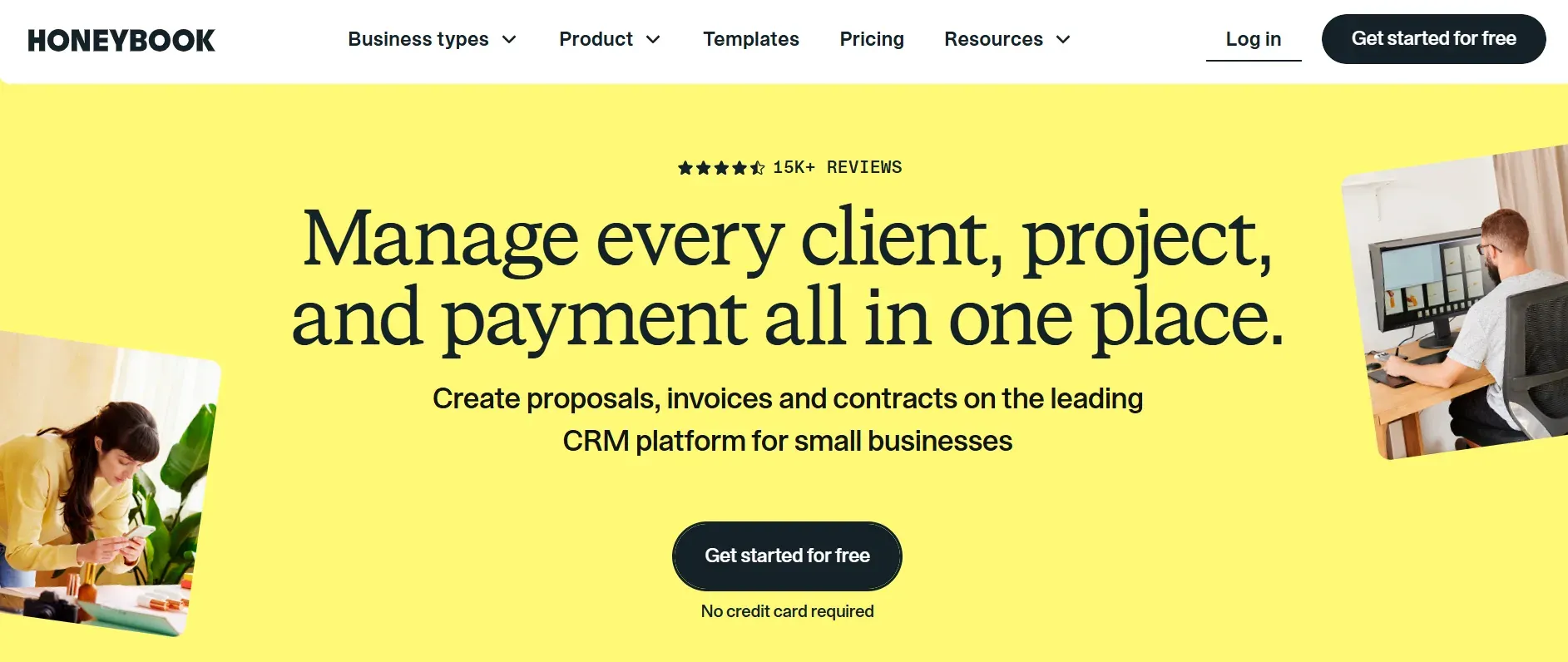
HoneyBook is popular with solo caterers and event planners who want an all-in-one tool for proposals, contracts, and payments. It’s more affordable than CaterZen, but may lack some catering-specific features out of the box.
Pricing: Starts at $19/mo (see HoneyBook pricing page).
-
Key limitations:
- Limited catering-specific features
- Automations are basic on lower tiers
- Manual data entry for complex menus
-
Strengths:
- Simple setup and onboarding
- Integrated proposals, contracts, and payments
- Affordable for solos and small teams
If you need kitchen production, custom workflow, or menu logic, a custom Devaims build can cover what HoneyBook skips.
3. 17hats (solo operators and micro-caterers)
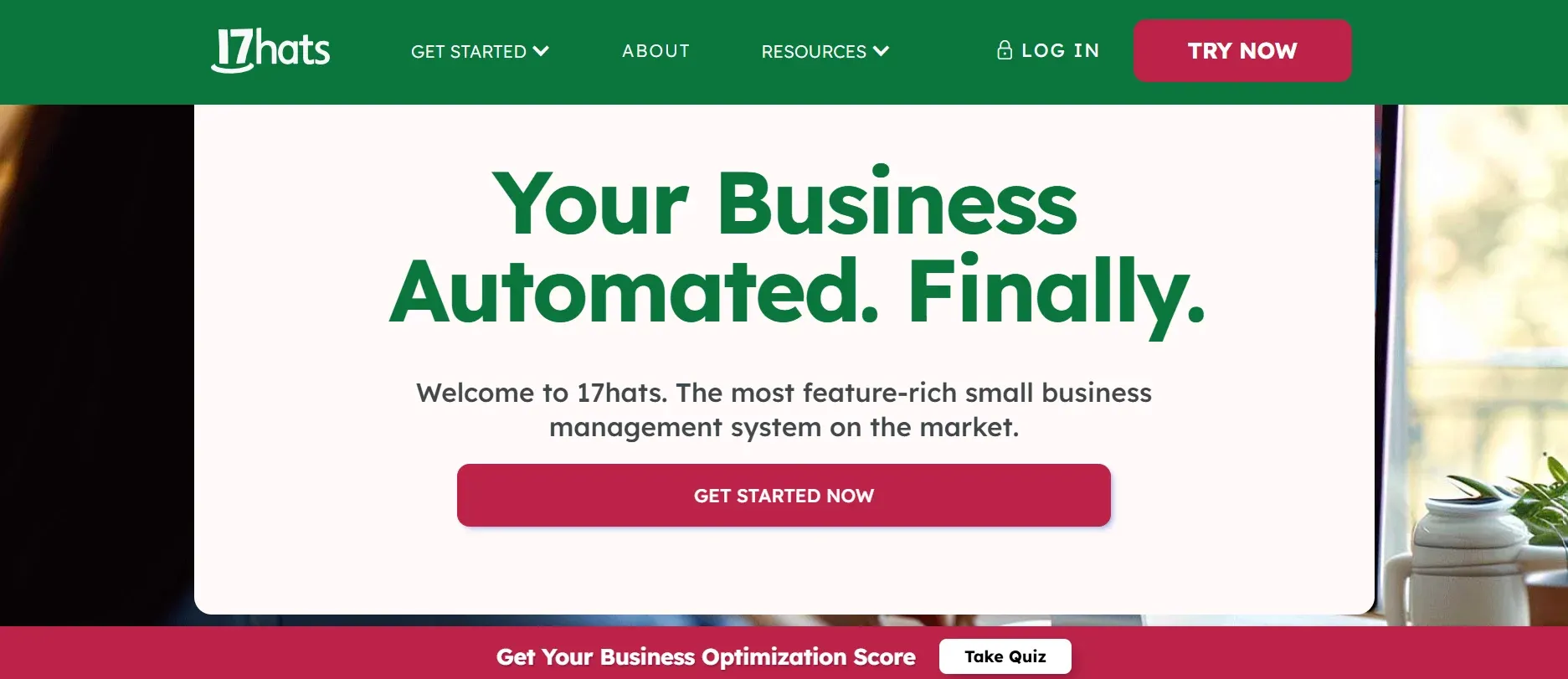
17hats targets solos and micro-caterers with a simple suite for invoicing, scheduling, and basic CRM. It beats CaterZen on price for one-person shops but won’t scale for larger teams or events.
Pricing: From $15/mo (see 17hats pricing page).
-
Key limitations:
- No advanced kitchen or production features
- Manual data entry for menu and event history
- Limited scalability for growing teams
-
Strengths:
- Very affordable for solo operators
- Easy-to-use dashboard
- Basic automation for reminders and tasks
4. Tripleseat (event-driven, venue-heavy caterers)
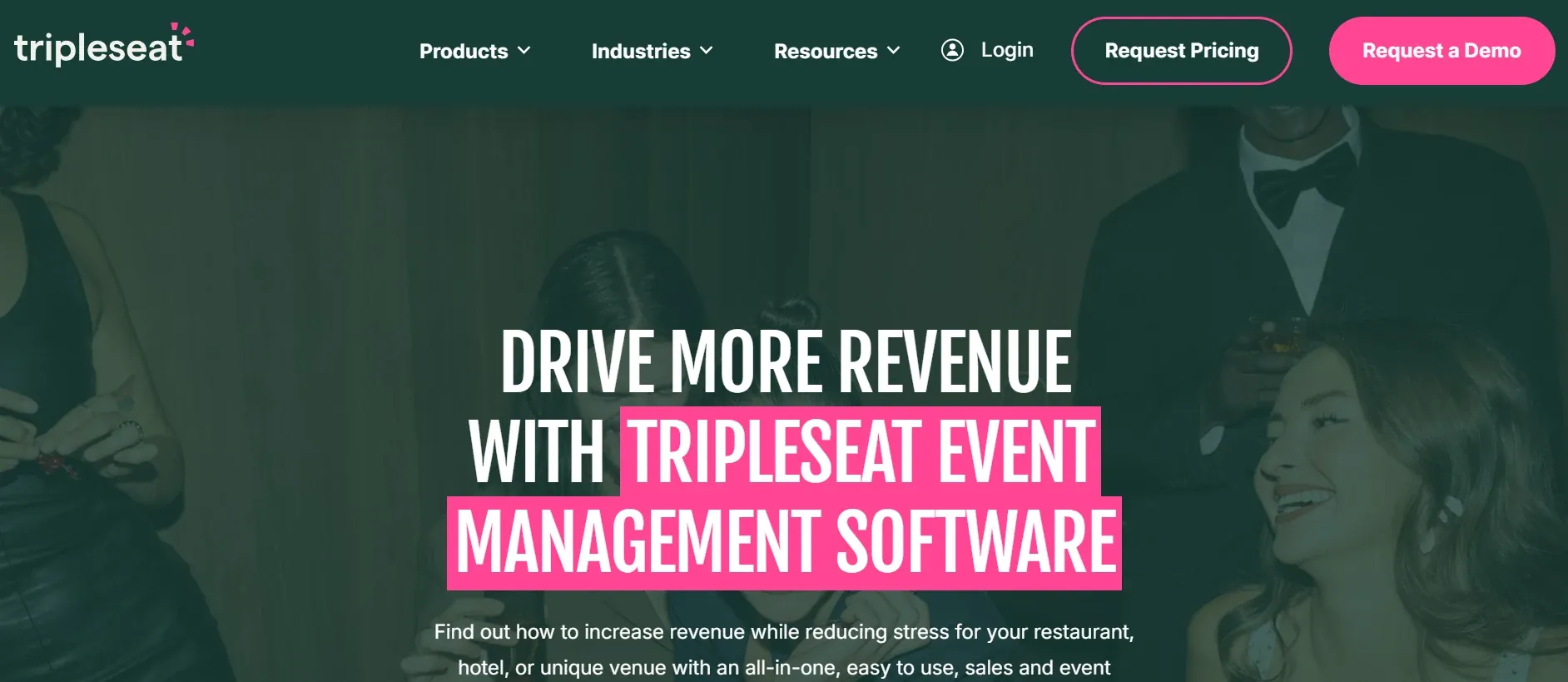
Tripleseat is tailored for companies that handle a high volume of events, especially those tied to venues. Compared to CaterZen, it offers more event automation but charges per user, which can balloon costs for larger teams.
Pricing: About $99/mo per user, billed annually (see Tripleseat pricing page).
-
Key limitations:
- Per-user fees add up for large teams
- Customization may require support
- Menu management less flexible than kitchen-first tools
-
Strengths:
- Robust event and venue management
- Strong CRM and reporting features
- Integrations with hospitality and payment tools
Paying per user for years is standard SaaS, but with Devaims you’d pay once and use as many seats as you want.
5. Event Temple (venue-centric, multi-location operators)
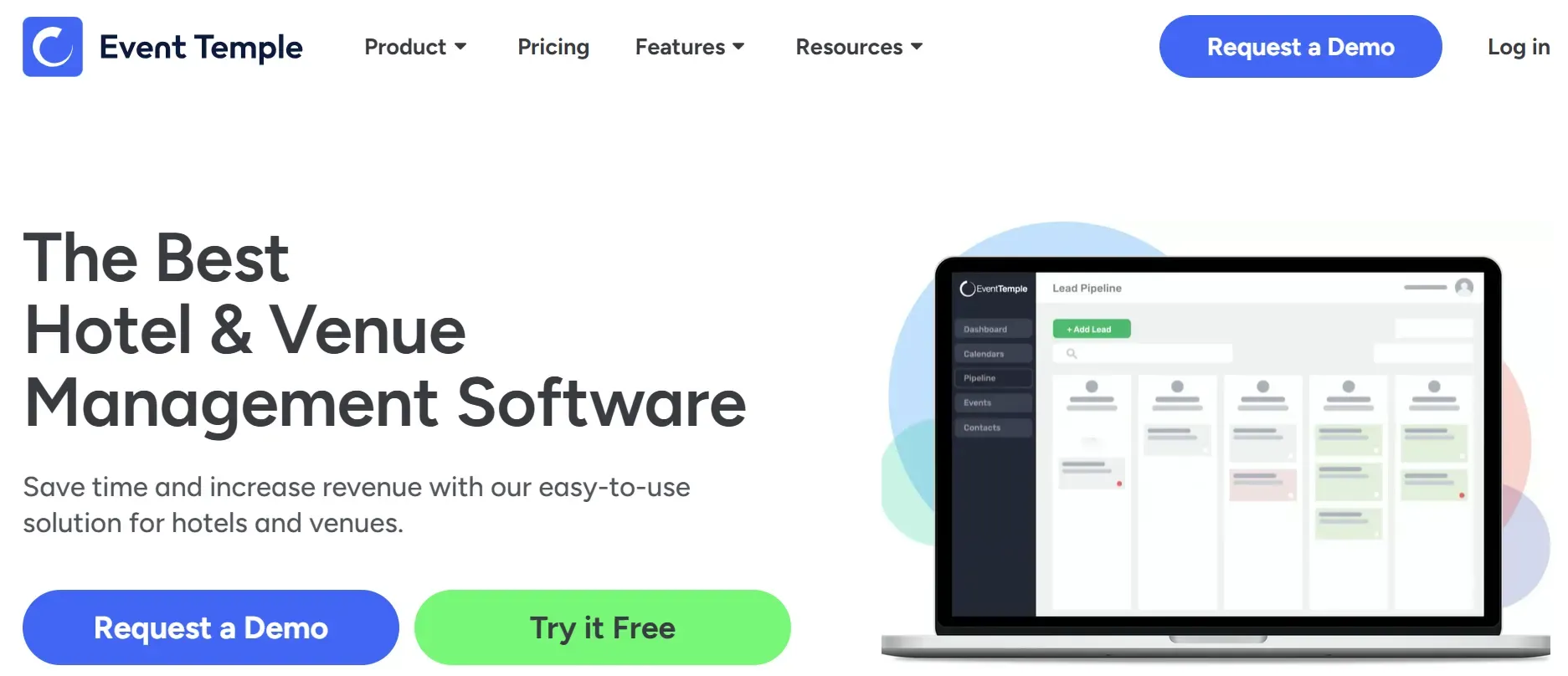
Event Temple targets caterers tied to venues or hospitality, with group sales and event management. Like Tripleseat, it’s priced per user and billed annually, so costs can spiral with team growth.
Pricing: Around $99/mo per user, varies by plan (see Event Temple pricing page).
-
Key limitations:
- Feature set may be excessive for pure catering
- Customizations and add-ons cost extra
- Training can require significant investment
-
Strengths:
- Excellent for multi-location and venue operations
- Flexible CRM and group sales tools
- Integrates with PMS and accounting systems
6. Better Cater (budget solutions for small caterers)
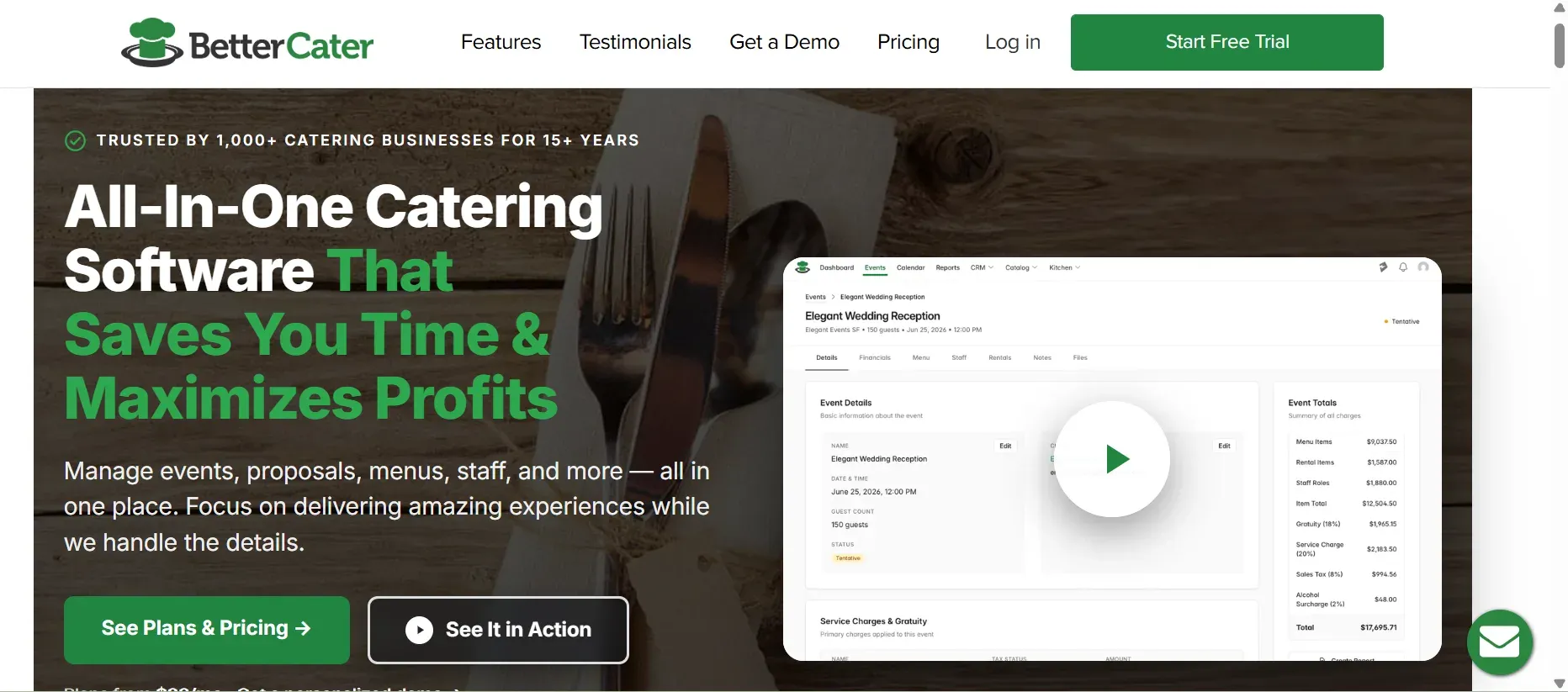
Better Cater is aimed at small shops on a tight budget. It covers core scheduling and invoicing but is lighter than CaterZen or Caterease on advanced features.
Pricing: Reported at $69/mo (confirm on their site).
-
Key limitations:
- Limited advanced features and reporting
- Minimal automation and integrations
- Support is email-based and slower
-
Strengths:
- Affordable for startups and small caterers
- Simple event scheduling and invoicing
- Easy to move beyond spreadsheets
7. Curate (floral-catering combos, specialized event shops)
Curate focuses on businesses handling both catering and floral or event design, combining proposals, menu building, and logistics. More specialized than CaterZen, and pricing sits mid-tier.
Pricing: Reported $125/mo (verify direct with Curate).
-
Key limitations:
- Overkill for pure catering operations
- Learning curve for non-floral teams
- Customizations may require paid services
-
Strengths:
- Hybrid platform for catering and event design
- Ingredient-level costing and production sheets
- Responsive support and accounting integrations
8. Devaims (custom, owned platform for your catering business)
Devaims builds custom web, mobile, and business software for catering companies and hands you the source code to own outright. Instead of renting, you keep the platform, control your data, and pay only for the build plus flat maintenance.
- Custom features and workflows tailored to your business
- No per-user or per-location fees, scale freely
- Full data ownership and future-proofing
- Flat, predictable maintenance costs
- Migration and onboarding handled for you
On software you own, every new location or user is just a config, not an extra line on your bill.
Other CaterZen alternatives worth knowing
- Total Party Planner: Popular with party-focused caterers, but less flexibility for custom menus. Features include event calendars, staff scheduling, and basic inventory, but deeper menu costing is behind higher tiers.
- Flex Catering: Strong for online ordering, but not as deep for event logistics. It’s a good choice for caterers who focus on drop-off or boxed meal services, with integrations for e-commerce and delivery tracking.
- Spiffy: Focuses on digital proposals, lighter on kitchen and scheduling logic. Good for caterers who want to impress clients with interactive quotes but don’t need deep operational tools.
- Planning Pod: Good for event planners, but catering features require workarounds. It supports event timelines, floorplans, and task lists, but menu management is limited.
Each of these is niche or best for specific workflows. None solve the core rental problem.
How to choose the right CaterZen alternative
- Budget: Solo operators may prefer HoneyBook or 17hats; larger teams quickly outgrow these and face multiplying fees. Always estimate your five-year costs based on projected team size and locations, not just the starter plan.
- Volume and workflow: Event-heavy shops lean toward Tripleseat or Event Temple, while kitchen-driven caterers need deeper menu and production features. If your business is primarily delivery or drop-off, Flex Catering or Better Cater may suffice. For hybrid event/floral shops, Curate is a contender.
- Ownership vs. rental: If recurring fees, feature lock-outs, or data ownership are pain points, a custom Devaims build is worth considering. Ownership gives you the freedom to adapt your system as your business evolves, without waiting for a vendor’s roadmap or absorbing annual price hikes.
- Integration needs: Consider what you use for accounting, POS, or delivery, and whether the tool plays well with your stack. Many SaaS tools have limited integrations, or charge extra for API access. Devaims builds any integration you need into your platform.
- Contract flexibility: Annual contracts can trap you. Monthly or owned platforms keep you nimble. Always review the cancellation terms and auto-renew policies before signing.
If you’re tired of per-user or per-location fees, owning your software changes the math entirely.
Stop paying rent on software you could own: the Devaims difference
Here’s the real issue with CaterZen and every alternative on this list: you pay per location, per user, or per year, and the price never goes down. Add a kitchen or user and your costs multiply. Switch tools? Pay the setup fee again. Five years later, you’ve spent tens of thousands, and you’re still renting access to your own workflow and data.
Devaims solves this at the root. Devaims custom-builds your catering management platform, migrates your data, and hands you the code outright. You own every line, every report, every menu tweak. No recurring rent, no forced upgrades, no growing per-user bill. Just flat maintenance and full control.
- No per-user or per-location fees: Grow your team or expand locations at zero extra monthly cost. This is especially valuable for caterers with seasonal spikes or high staff turnover. You’re not penalized for hiring or training new people.
- Custom features: If you want a report, a workflow, or a mobile app, it’s built in, not gated behind a higher plan. You decide which features matter, and they’re yours from day one.
- Own your data and future: Migrate, integrate, or scale however you want, whenever you want. There’s no risk of losing access if a vendor shutters or changes direction.
- Flat, predictable maintenance: No surprise hikes, just one low monthly support cost. You control when and how to invest in new features.
| Tool | Ownership | Per-user/location fee? | Contract |
|---|---|---|---|
| CaterZen | No | Yes | Billed in advance |
| Caterease | No | Yes | Annual |
| Tripleseat | No | Yes | Annual |
| Devaims (owned) | Yes, you keep the code | No | No contract, you own it |
5-year cost comparison (3 locations, 10 users):
| Year | CaterZen (rent, cumulative) | Caterease (rent, cumulative) | Tripleseat (rent, cumulative) | Devaims (owned, cumulative) |
|---|---|---|---|---|
| 1 | $6,444 | $7,576 | $11,880 | $27,500 |
| 2 | $12,888 | $13,416 | $23,760 | $30,260 |
| 3 | $19,332 | $19,256 | $35,640 | $33,020 |
| 4 | $25,776 | $25,096 | $47,520 | $35,780 |
| 5 | $32,220 | $30,936 | $59,400 | $38,540 (now ahead) |
For catering businesses with multiple locations or growing headcount, owning wins by year 5, and the gap only widens from there. If you want to run your real numbers or see how a custom platform would pay off for your shop, the Devaims team is ready to help.
How to switch from CaterZen
- Export your data: Export all your client, menu, and event data from CaterZen (CSV or Excel formats). Take time to clean and organize it, remove duplicates, update old contacts, and standardize menu items.
- Shortlist alternatives: Identify your top alternatives and map which features you need most. Create a checklist of must-haves and nice-to-haves for your workflow.
- Import and setup: Import your data into the new platform. Most tools offer onboarding support. Devaims handles this as part of your project. Test data imports to ensure menu items, client notes, and event histories display correctly.
- Integrate systems: Reconnect payments, calendar, and accounting integrations. For SaaS tools, check if you need to upgrade for certain integrations. For Devaims, integrations are custom-built.
- Team training: Train your team on the new workflows and interface. Schedule hands-on sessions and create reference guides for new processes.
- Run in parallel: Test the new system in parallel with your old platform for a few weeks. This reduces risk and lets you catch gaps before going live fully.
- Review contracts: Review your old CaterZen contract to avoid double-billing or auto-renew traps. Many SaaS tools require written notice to cancel, so verify your obligations.
With a custom Devaims build, the migration is handled as part of the project, including team training and post-launch support.
Frequently asked questions
What’s the single best CaterZen alternative for multi-location caterers?
Caterease is a direct replacement, with deep event features and multi-location logic, but be aware of the per-user fees and annual contracts. If you want to break the cycle of recurring rent, Devaims is the only way to own your code and scale without penalty. Caterease is strong for those who want SaaS with rich features. Devaims is for those who want to future-proof their operation and never worry about forced upgrades or price hikes.
Which is the cheapest CaterZen alternative?
17hats and HoneyBook are the lowest priced at $15 to $19 per month, but they’re best for solos or very small teams. Larger caterers will find these tools limiting within a year. If you’re a solo operator, these are a good way to get started. If you plan to grow, calculate your five-year costs carefully.
Are there any free CaterZen alternatives?
No truly free tools match CaterZen’s features for catering companies. Some event tools offer limited free tiers (like Zoho CRM or basic Google Sheets templates), but you’ll hit upgrade walls fast. Free tools lack menu costing, event scheduling, and kitchen workflow features. If you want to avoid SaaS fees entirely, owning your own platform with Devaims is the only true alternative.
Which CaterZen alternative is best for event-heavy caterers?
Tripleseat is strong for high-volume event and venue-based catering, though per-user costs add up. Event Temple is also popular for venue integration and group sales. Both offer advanced event automation, but you’ll pay for each user and may need to work around the kitchen workflow gaps. For custom event workflows, Devaims can build exactly what you need, without per-user fees.
How hard is it to switch from CaterZen to something else?
Switching takes planning: exporting data, mapping features, importing, and retraining your team. Most SaaS tools offer onboarding support, but migration can be rocky if your data is messy or your workflows are complex. With Devaims, migration is managed for you, including data cleaning, import, and full team training. Expect a transition period of 2 to 6 weeks depending on your business size.
Can I keep all my CaterZen data if I switch?
You can export most core data, but automations, templates, and some integrations won’t transfer cleanly. Expect to rebuild custom forms, email templates, and workflow automations in your new system. With Devaims, all your historical data is mapped and imported, and future migrations are under your control since you own the code.
How do CaterZen alternatives compare on 5-year costs?
Most charge per user or location, so five-year costs can easily hit $30,000 to $60,000 for growing teams. This doesn’t include hidden costs like setup fees, training, and feature upgrades. A custom Devaims build is paid off by year five (often sooner if you’re scaling), and keeps saving you as you grow. Ownership is the only way to avoid compounding SaaS rent.
The bottom line
Here’s what every catering owner should do: take your current headcount and locations, multiply by the real monthly fee, and see what that’s costing you over five years. Don’t forget setup fees, feature upgrades, and the cost of retraining when you inevitably outgrow your current tool. If the total rivals the cost of building your own platform, it’s time to consider owning instead of renting.
The right CaterZen alternative depends on your scale and needs, but the only way to break the rent cycle for good is to own your system. Devaims gives you that option, with your data, your workflows, and no more per-user surprises. If you want to see your real numbers, talk to our team. We’ll map your savings and show you what ownership could look like.
Looking for more? Visit the Devaims blog for honest guides, or check out Caterease alternatives, Tripleseat alternatives, and HoneyBook alternatives for more deep dives. For third-party user reviews and ratings, see Capterra and G2.